
The Pareto Principle – 80/20 Rule – Do More by Doing Less (animated)
The Pareto Principle, or the 80/20 rule, posits that roughly 20% of inputs or activities are responsible for 80% of outputs or results, highlighting the importance of focusing on high-impact tasks in various areas of life, such as time management, academic success, and personal relationships. By identifying and prioritizing these key activities, individuals can enhance their productivity and overall satisfaction, ultimately leading to a more fulfilling life. The principle encourages reflection and adjustment to ensure that efforts are directed toward what truly matters.
Parkinson’s Law – Manage Your Time More Effectively

The lesson on Parkinson’s Law illustrates how deadlines influence productivity, emphasizing that “work expands to fill the time available for its completion.” Through a personal anecdote, it highlights the tendency to procrastinate when given excessive time, suggesting that shorter, realistic deadlines can enhance focus and efficiency. Ultimately, understanding this principle can help individuals manage their time better and motivate them to accomplish tasks more effectively.
Deep Work by Cal Newport (animated book summary) – How to work deeply
The lesson emphasizes the significance of deep work—focused, distraction-free concentration that enhances productivity and skill development—in a world rife with distractions. Cal Newport highlights the detrimental effects of shallow work and attention residue, urging individuals to cultivate deep work habits through strategies like establishing routines, embracing rest, scheduling internet use, and engaging in mindful leisure activities. By prioritizing deep work, individuals can improve their output and foster personal and professional growth in today’s demanding environment.
How to STOP Waking Up Feeling TIRED Every Morning – 4 Tips (animated)

The lesson provides practical strategies for waking up feeling energized and refreshed. Key tips include avoiding the snooze button to maintain sleep cycles, ensuring adequate sleep by establishing a consistent schedule, rehydrating in the morning, engaging in light exercise, and minimizing screen time before bed to enhance sleep quality. By implementing these habits, individuals can improve their morning routine and overall energy levels.
Learning About The Planets in Our Solar System
In this lesson, students embark on an exciting journey through the solar system, exploring the eight planets that orbit the Sun, from the scorching Mercury to the frigid Neptune. They learn about the distinct characteristics of the inner rocky planets and the outer gas giants, as well as the Sun’s vital role at the center of our solar system. The lesson concludes by highlighting the reclassification of Pluto as a dwarf planet, emphasizing the diversity and wonder of our cosmic neighborhood.
The History of Christmas!

The lesson explores the rich history and diverse traditions of Christmas, tracing its origins from the celebration of Jesus Christ’s birth to its incorporation of various winter festivities from different cultures. It highlights the evolution of Christmas customs, such as gift-giving inspired by the three wise men, and showcases unique global celebrations, illustrating how the holiday has adapted over time. Ultimately, understanding Christmas’s history enhances appreciation for the joy and togetherness it brings to people worldwide.
Learning About Ecosystems
In this lesson, students embark on an adventure to explore various ecosystems, including deserts, oceans, wetlands, forests, and the Arctic tundra, each characterized by unique features and diverse life forms. The lesson emphasizes the ecological importance of these ecosystems in maintaining balance on Earth, highlighting their roles in biodiversity, climate regulation, and water purification. By understanding and appreciating these environments, students are encouraged to recognize their value and the need for conservation efforts.
Mosasaurus Facts!
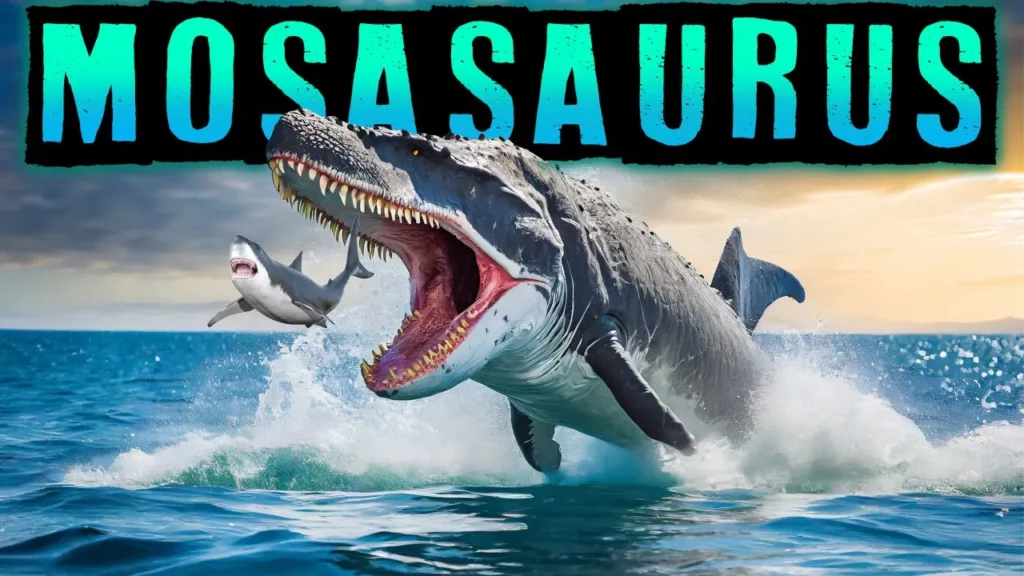
The lesson explores the fascinating world of mosasaurs, giant aquatic reptiles that lived during the Cretaceous period, highlighting their size, characteristics, evolutionary background, and fossil discoveries across the globe. It emphasizes the importance of understanding these creatures, their extinction around 66 million years ago, and their portrayal in popular culture, encouraging further exploration of prehistoric life. Through studying mosasaurs, we gain insights into evolution and the factors that lead to species extinction.
Learning About Herbivores, Carnivores, and Omnivores
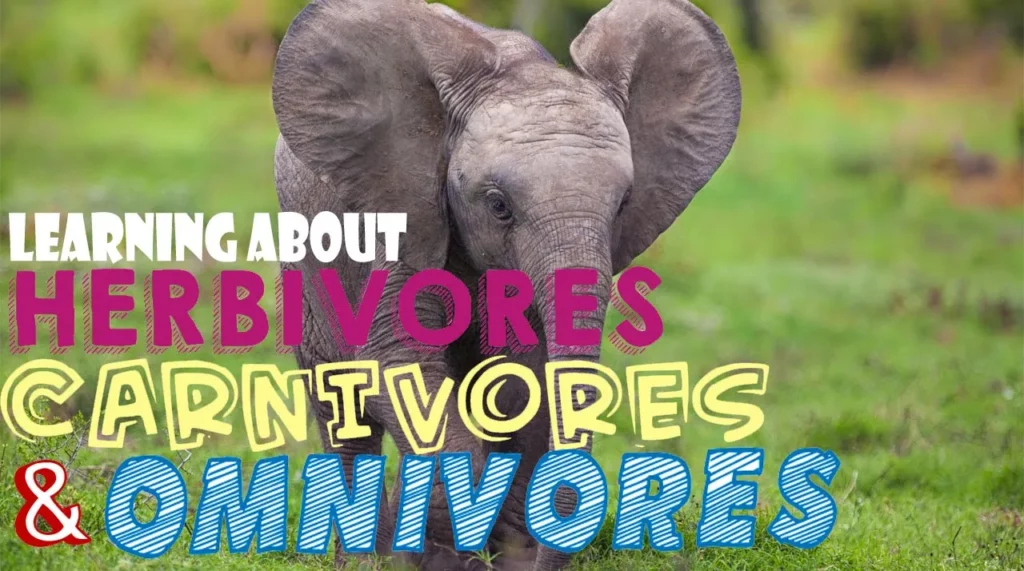
This lesson explores the three main types of eaters in the animal kingdom: herbivores, carnivores, and omnivores, highlighting their unique characteristics and roles in the ecosystem. Herbivores primarily consume plants and possess flat teeth and complex digestive systems, while carnivores focus on meat, featuring sharp teeth and shorter digestive tracts. Omnivores, adaptable in their diets, have a combination of teeth suited for both plants and meat, allowing them to thrive in diverse environments. Understanding these groups enhances our knowledge of animal interactions and the balance of nature.
Spider Facts!

The lesson “Discovering the World of Spiders: Amazing Arachnids” explores the fascinating characteristics and diversity of spiders, highlighting their differences from insects and their role within the arthropod group. It covers the various types of spiders, their unique defense mechanisms, the significance of their webs, and their ecological importance, aiming to dispel common fears and encourage appreciation for these complex creatures. By understanding spiders better, we can coexist with them more peacefully and recognize their vital contributions to the environment.