
The Weirdest Haunted House in the World!

The Winchester Mystery House, located in San Jose, California, is a unique mansion built by Sarah Winchester, who was driven to construct an ever-expanding home to appease the spirits of those killed by Winchester rifles after her husband’s death. Over 38 years, she created a labyrinthine structure filled with architectural oddities, such as staircases leading to nowhere and doors opening to walls, which contribute to its reputation as one of the most haunted places in the U.S. Today, the mansion attracts visitors intrigued by its eerie history and ghostly encounters, offering a glimpse into Winchester’s life and the mysteries that surround her legacy.
Kraken Facts!
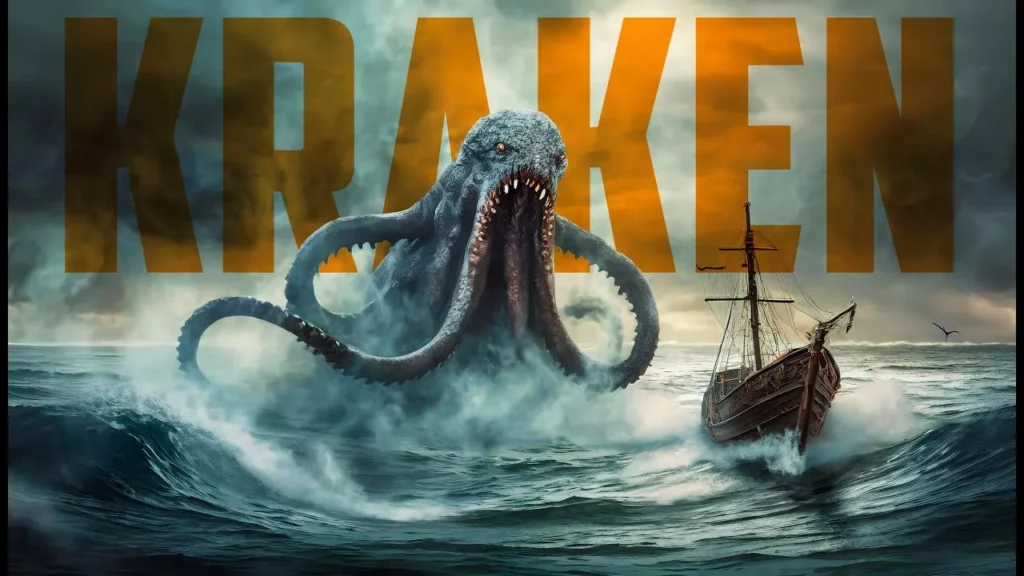
The lesson explores the myth of the Kraken, a legendary sea monster from Scandinavian folklore, particularly Norwegian tales, where it is often depicted as a giant squid or octopus that threatens sailors and ships. It examines the historical context of these stories, suggesting that they may have been inspired by real marine creatures like giant squids, while also highlighting the role of folklore in helping sailors understand the ocean’s dangers. Ultimately, the Kraken symbolizes the enduring fascination with the mysteries of the sea, encouraging curiosity and respect for marine life.
T-Rex Facts!
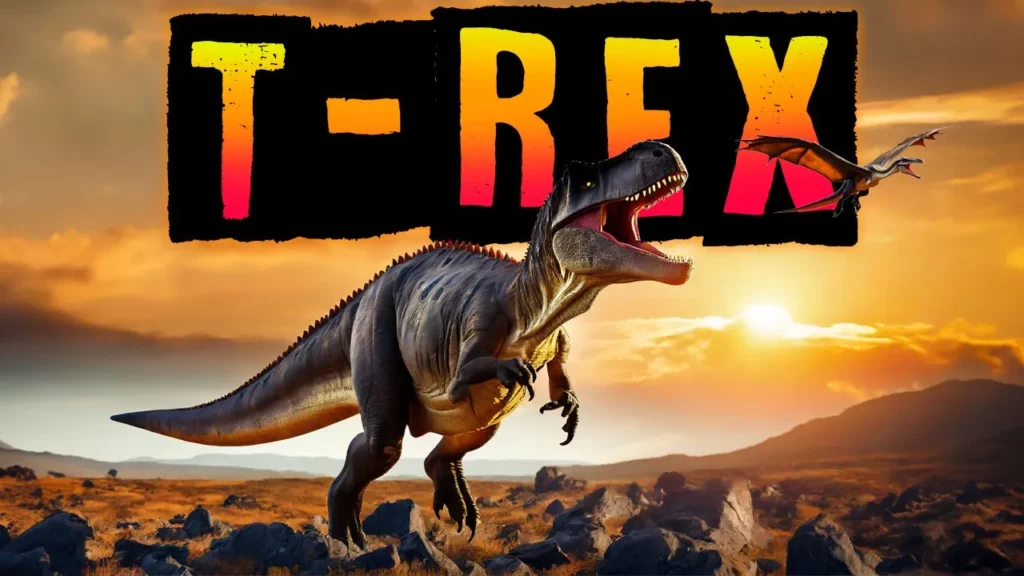
The lesson on the Tyrannosaurus Rex (T. rex) explores its fascinating characteristics, historical significance, and common myths surrounding this iconic dinosaur. Key facts include its impressive size, powerful bite, and rapid growth, alongside clarifications on misconceptions such as its supposed “peanut brain” and the myth that it couldn’t see movement. Understanding these aspects helps to appreciate the T. rex as a remarkable symbol of the prehistoric world.
Uranus Facts!
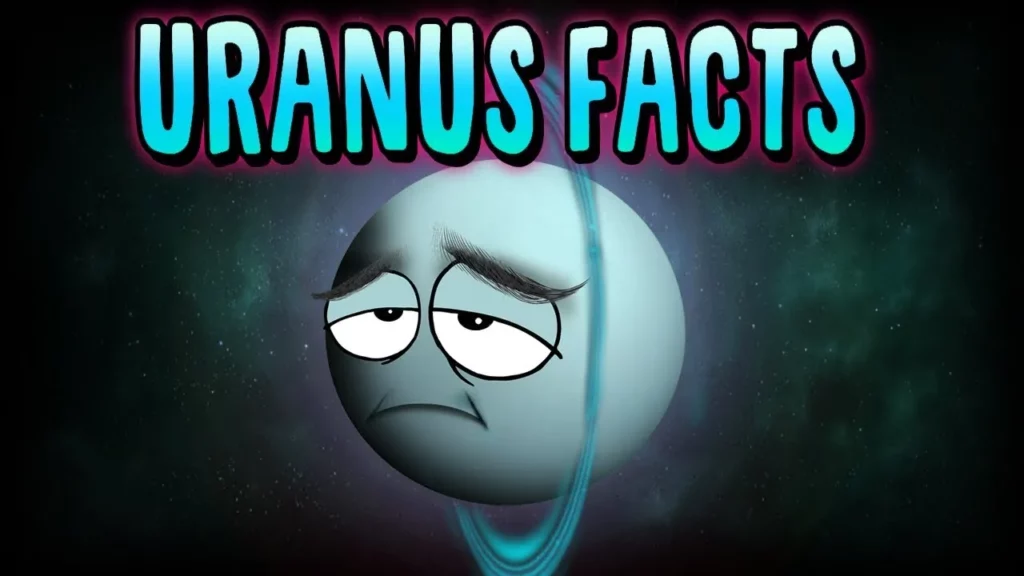
In this lesson, we explored Uranus, the seventh planet from the Sun, known for its unique characteristics and icy composition. We learned about the origin of its name, its distinct features such as its extreme axial tilt and cold temperatures, as well as its rings and numerous moons, many of which are named after literary figures. Overall, Uranus offers valuable insights into the diversity of planets in our solar system.
The History of the Lewis and Clark Expedition!
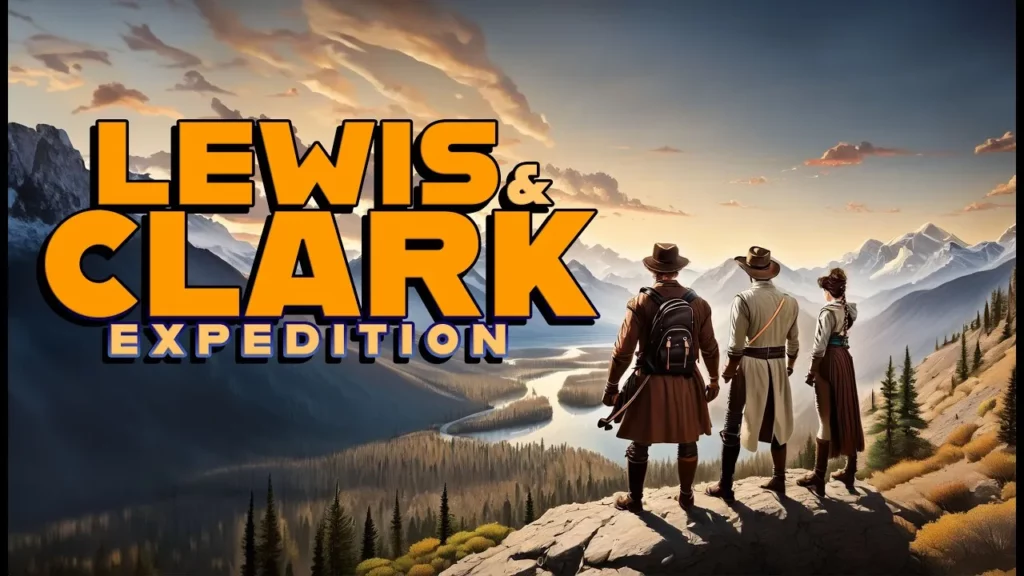
The Lewis and Clark Expedition, initiated by President Thomas Jefferson in 1804, was a significant journey aimed at exploring the newly acquired Louisiana Purchase and finding a route to the Pacific Ocean. Led by Meriwether Lewis and William Clark, the expedition faced numerous challenges, including harsh weather and difficult terrain, while also fostering important relationships with Native American tribes, notably with the help of Sacagawea. Their successful journey not only expanded knowledge of the American West but also laid the groundwork for westward expansion and settlement in the United States.
Tornado Facts for Kids!

This lesson explores tornadoes, powerful natural phenomena characterized by spinning columns of air that can cause significant destruction. It covers their formation during severe thunderstorms, particularly supercells, and highlights the key conditions necessary for tornado development, such as warm rising air and cold winds. Understanding these factors is crucial for recognizing potential tornado threats and preparing communities for their impact.
Four Times Table Song (Blurred Lines Cover) with Classroom Instruments

In this lesson, students learn the importance of counting by fours, which enhances their understanding of multiplication and division. By practicing this skill through various methods, such as using flashcards, visual aids, and games, learners can improve their math abilities and apply multiplication in real-life situations. Ultimately, mastering counting by fours lays a strong foundation for more advanced math concepts and problem-solving skills.
Neptune Facts!
The lesson explores Neptune, the eighth and farthest planet from the Sun, highlighting its unique characteristics, including its vast distance from Earth, size, and extreme weather conditions. It discusses Neptune’s discovery in 1846, its notable features like the Great Dark Spot, and its moons, particularly Triton, which has an unusual orbit. Overall, Neptune’s mysterious nature and dynamic atmosphere make it a captivating subject for ongoing scientific exploration.
The History of Valentine’s Day!

Valentine’s Day, celebrated on February 14th, has a rich history that traces back to ancient Roman festivals like Lupercalia, which celebrated love and new beginnings. The day was later associated with Saint Valentine, a figure known for his acts of love and defiance against marriage bans, and gained literary significance through Geoffrey Chaucer’s poetry that linked the date to romance. Today, Valentine’s Day is a global celebration of love, encompassing gestures of affection towards partners, friends, and family.
Snake Facts!
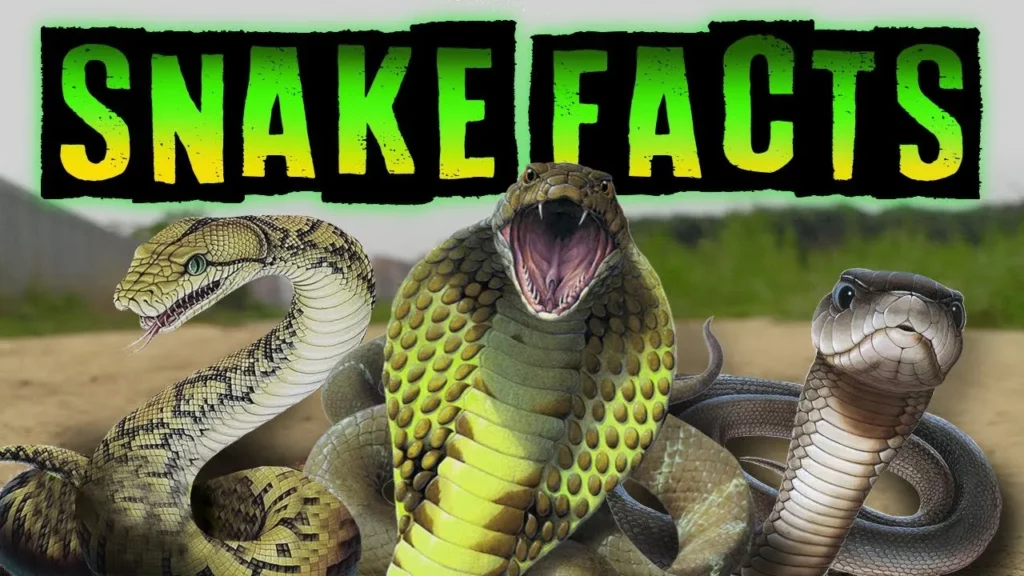
The lesson on snakes highlights their unique biology, behavior, and ecological significance, aiming to dispel common misconceptions about these often-misunderstood creatures. Key topics include the shedding process (ecdysis), the distinction between venomous and non-venomous species, their remarkable feeding mechanisms, and the importance of conservation efforts to protect their habitats. By fostering a deeper understanding of snakes, we can appreciate their vital role in maintaining balanced ecosystems.