
Alexander Hamilton Facts!
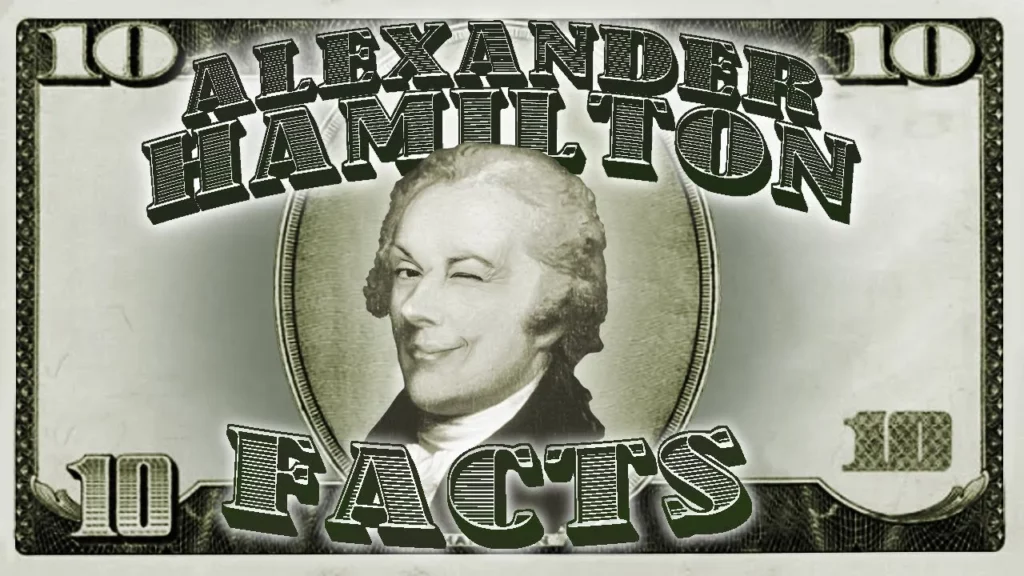
The lesson on Alexander Hamilton highlights his remarkable journey from a challenging childhood in the Caribbean to becoming a pivotal Founding Father and the first Secretary of the Treasury in the United States. It emphasizes his significant contributions to the nation’s financial system, his role in the American Revolution, and the political challenges he faced, culminating in his legacy as a key architect of American governance and economy. Hamilton’s story is a testament to determination and intellect, resonating through history and popular culture today.
Volcano Facts!
The lesson on volcanoes explores their fascinating nature as powerful geological formations that allow magma to escape from the Earth’s interior. It explains the difference between magma and lava, the various types of eruptions, and the significant impact volcanic activity can have on the environment and human life. Additionally, it emphasizes the importance of safety and preparedness for communities living near volcanoes, highlighting the need for monitoring and emergency planning.
Velociraptor Facts!
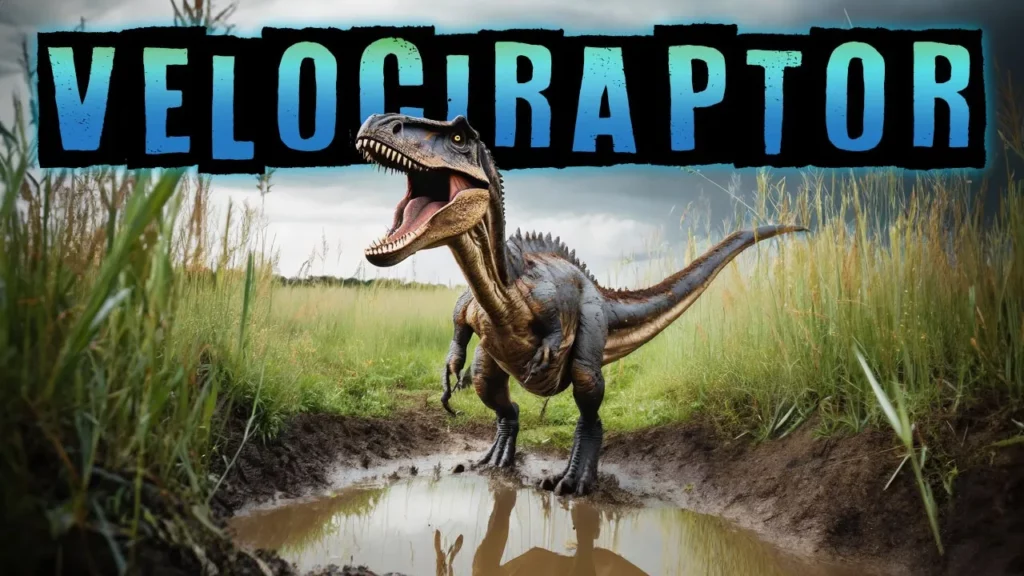
The lesson explores the intriguing characteristics of Velociraptors, highlighting their true nature as intelligent, feathered creatures about the size of a turkey, rather than the large, fearsome predators often depicted in movies. It discusses their history, habitat, hunting behavior, and sensory abilities, emphasizing the importance of distinguishing fact from fiction in our understanding of these fascinating dinosaurs. Ultimately, the lesson encourages appreciation for the real Velociraptor, showcasing its unique traits and evolutionary significance.
The Planet Made of Mirrors!
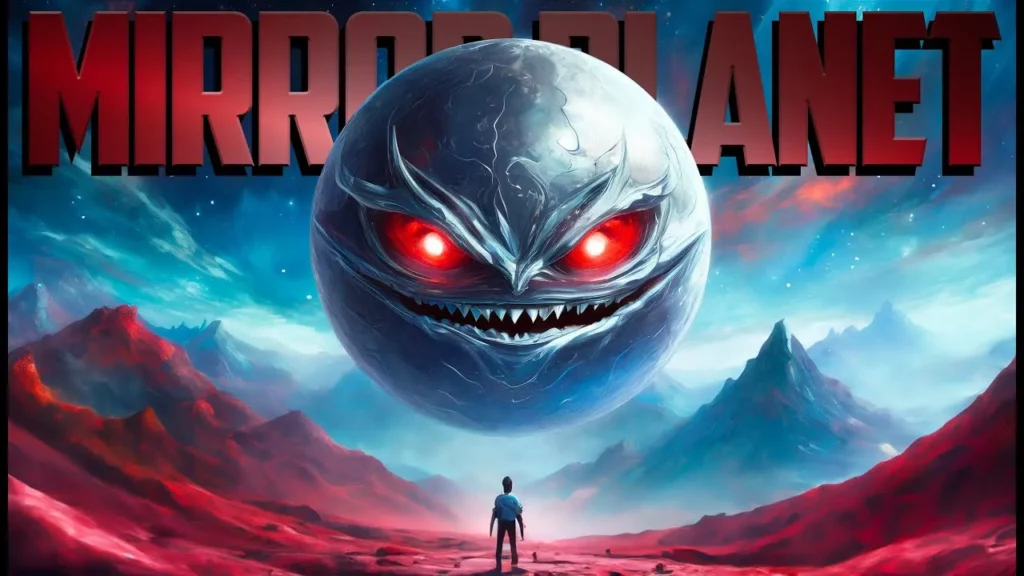
In “The Journey to the Mirror Planet: A Cosmic Adventure,” Andy and his friend embark on a whimsical quest to replace a cherished bathroom mirror, leading them to the fictional Mirror Planet. Along the way, they learn valuable lessons about making the best of unexpected situations and discover fascinating facts about the real planet LTT 9779 b, including its extreme temperatures and unique atmospheric conditions. The story combines humor and education, emphasizing themes of friendship and the joy of exploration in the universe.
Saturn Facts For Kids!
The lesson explores Saturn, the sixth planet from the Sun, highlighting its status as a gas giant known for its stunning rings and numerous moons. With a distance of about 746 million miles from Earth, Saturn’s rings are the largest and most complex in the solar system, while its intriguing moon Titan raises questions about the potential for life. Overall, Saturn serves as a captivating subject for understanding the mysteries of our solar system.
Is there a Planet 9?
The lesson explores the intriguing concept of Planet Nine, a hypothesized “super Earth” that may exist far beyond Neptune, potentially influencing the orbits of distant celestial objects like the dwarf planet Sedna. Scientists believe that this elusive planet could be ten times the mass of Earth and take up to 20,000 Earth years to complete one orbit around the Sun, sparking ongoing research and technological efforts to locate it. The search for Planet Nine not only captivates the scientific community but also invites speculation about its characteristics and the possibility of naming it upon discovery.
Carnivorous Plant Facts for Kids!
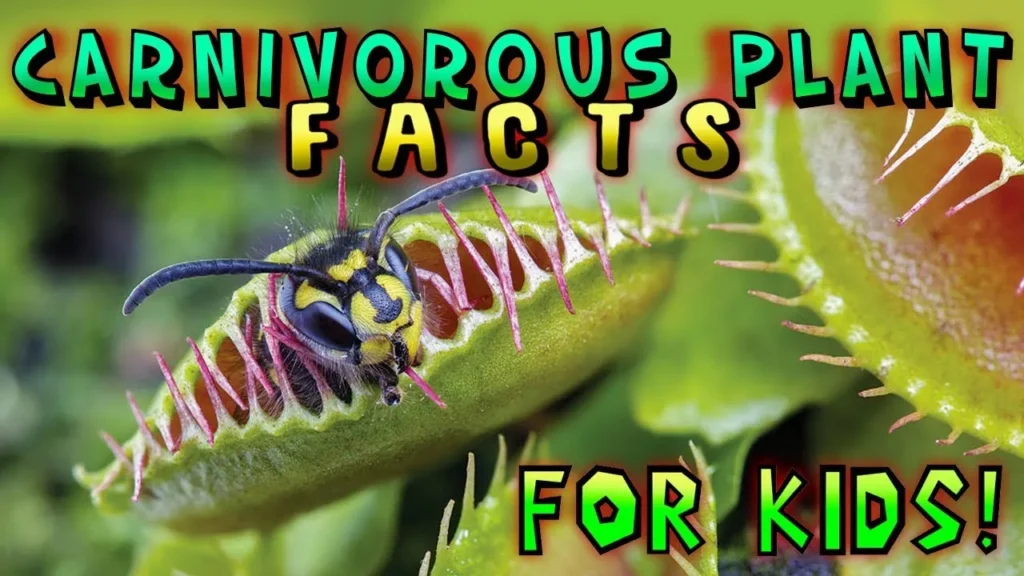
Carnivorous plants have evolved unique adaptations to thrive in nutrient-poor environments by capturing and digesting insects for essential nutrients. This lesson explores various types of carnivorous plants, such as pitcher plants, flypaper traps, snap traps, bladderworts, and lobster pot traps, each employing distinct mechanisms to trap their prey. Understanding these remarkable plants highlights the diversity of life on Earth and the intricate relationships within ecosystems.
Sun Facts for Kids!
The lesson on the Sun highlights its significance as the central star of our solar system, emphasizing its role in sustaining life on Earth through light, heat, and energy. It explores the Sun’s structure, including its various layers and the processes occurring within, while also sharing fascinating facts about its temperature, lifespan, and solar flares. Overall, understanding the Sun deepens our appreciation for its vital contributions to our planet and the broader universe.
Jupiter Facts for Kids!
In this lesson, we explored Jupiter, the largest planet in our solar system, known for its gaseous composition and lack of a solid surface. We learned about its impressive size, the Great Red Spot storm, and its fascinating moons, particularly Io and Europa, the latter of which may harbor an ocean beneath its icy crust, raising the possibility of extraterrestrial life. Jupiter’s unique characteristics and its moons continue to intrigue scientists and drive future exploration efforts.
The Oldest Planet EVER Discovered!
The lesson explores the universal desire to feel young again, particularly as we approach Grandparents Day, while emphasizing the importance of valuing the wisdom that comes with age. It highlights the fascinating discovery of PSR B1620-26b, the oldest known exoplanet, which serves as a reminder of the beauty and significance of age in both humans and the universe. Ultimately, the lesson encourages appreciation for life’s different stages and the stories that accompany them.