
Mount Everest Facts!

The lesson explores the challenges and risks associated with climbing Mount Everest, the tallest mountain in the world. It highlights the extreme weather conditions, the physical and mental demands of the climb, and the historical significance of the mountain, including its geological formation and the first successful ascent by Sir Edmund Hillary and Tenzing Norgay. Ultimately, it emphasizes the importance of preparation and respect for the mountain’s dangers for anyone considering this adventurous endeavor.
Is the White House haunted?

The lesson explores the intriguing ghost stories associated with the White House, highlighting its rich history and the belief that spirits of past presidents may still linger there. Notable figures like Mary Todd Lincoln and President Truman have reported encounters with ghosts, including those of Abraham Lincoln and William Henry Harrison, adding a layer of mystery to the iconic building. Ultimately, these tales blend history with the supernatural, inviting reflection on the enduring legacies of those who have shaped American history.
Dinosaur Extinction Explained for Kids!
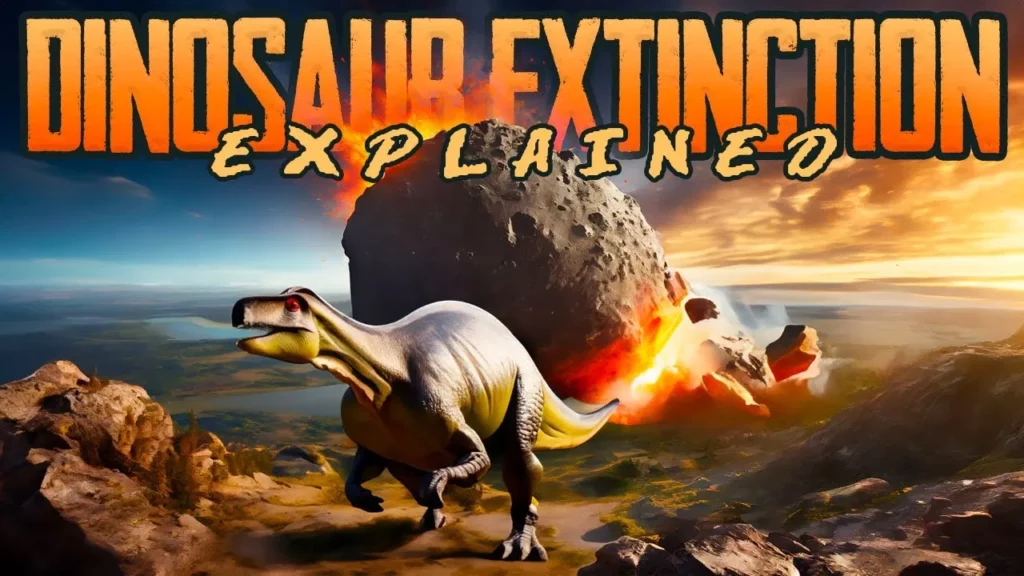
The lesson “Understanding Dinosaurs: The Extinction Mystery” explores the fascinating history of dinosaurs, detailing their evolution across the Triassic, Jurassic, and Cretaceous periods. It examines various theories regarding their extinction, including asteroid impacts, volcanic activity, climate change, and disease, while highlighting ongoing scientific research aimed at uncovering the mysteries surrounding their disappearance. Ultimately, the lesson emphasizes the importance of studying the past to better understand current ecological challenges and the factors that can lead to extinction.
Thunder and Lightning Explained!

This lesson explores the science behind thunder and lightning, addressing common fears and misconceptions associated with thunderstorms. It emphasizes the rarity of lightning strikes, highlights lightning hotspots, and provides essential safety tips for both outdoor and indoor situations during storms. By understanding the formation and power of lightning, individuals can appreciate thunderstorms while remaining safe.
Earth Facts!

In this lesson, we embark on an exciting journey to explore Earth’s structure, characteristics, and the essential features that make it suitable for life. We learn about Earth’s layers, including the core, mantle, and crust, as well as its atmosphere and the significance of water. The lesson emphasizes Earth’s unique position in the “Goldilocks Zone,” highlighting the importance of understanding and preserving our planet for future generations.
Giganotosaurus Facts!
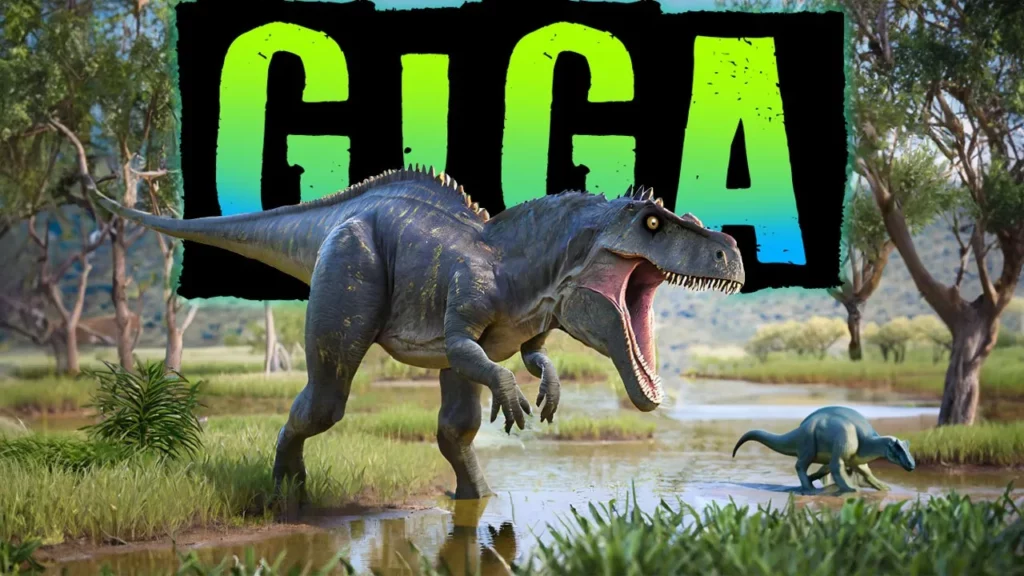
The lesson introduces the Giganotosaurus, a massive carnivorous dinosaur that lived during the late Cretaceous period, highlighting its impressive size, hunting capabilities, and significance in paleontology. Discovered in Argentina in 1993, this dinosaur could reach lengths of up to 45 feet and was known for its sharp teeth and speed. The Giganotosaurus not only captivates our imagination through its physical characteristics and hunting techniques but also plays a vital role in our understanding of the diverse life that once existed on Earth.
Body Systems Explained!
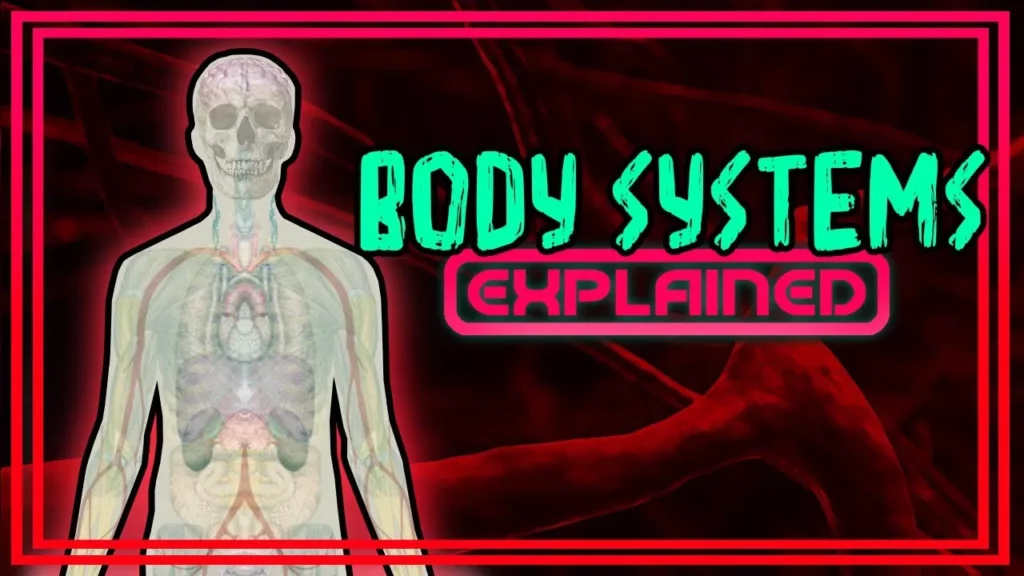
In this lesson, we explored the various systems of the human body, each playing a crucial role in maintaining our health and functionality. From the nervous system’s rapid communication network to the skeletal system’s structural support, and the digestive system’s processing of food, every system works in harmony to keep us active and healthy. Understanding these systems not only enhances our appreciation for the human body but also empowers us to take better care of ourselves.
The History of The Statue of Liberty

The Statue of Liberty, a gift from France to the United States, symbolizes freedom, democracy, and the enduring friendship between the two nations. Designed by Frédéric Auguste Bartholdi and completed in 1886, the statue represents hope and opportunity for immigrants, as highlighted by the famous poem “The New Colossus” inscribed on its pedestal. With its rich history and powerful symbolism, Lady Liberty continues to inspire and remind us of the values of freedom and unity.
Giant Squid Facts!

The lesson explores the giant squid, a remarkable deep-sea creature known for its impressive size, reaching up to 43 feet long, and its unique physical characteristics, such as large eyes and powerful tentacles. It discusses the squid’s habitat, diet, and hunting behaviors, highlighting its solitary nature and ability to defend itself with ink. Ultimately, the lesson emphasizes the importance of understanding and protecting this mysterious mollusk and the broader marine ecosystem.
Spinosaurus Facts!
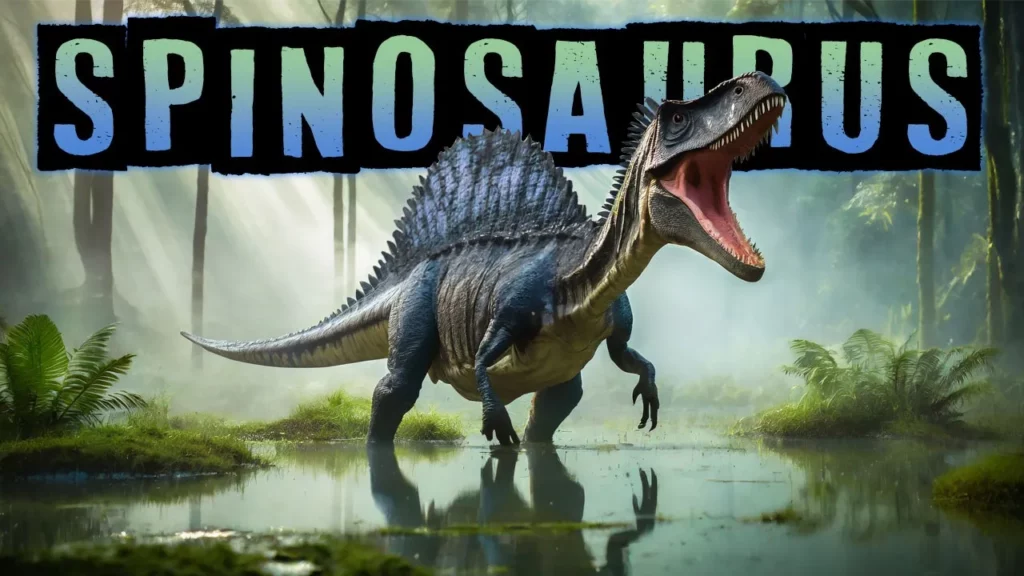
The lesson on Spinosaurus highlights its unique characteristics as a theropod dinosaur, known for its impressive size, distinctive sail-like structure on its back, and potential adaptations for an aquatic lifestyle. Living during the Cretaceous period in regions that are now Egypt and Morocco, Spinosaurus was a formidable carnivore, primarily feeding on fish, and showcased remarkable swimming abilities that set it apart from other dinosaurs. Overall, Spinosaurus exemplifies the diversity and complexity of dinosaur life, sparking ongoing scientific interest and research.