
5 Scary Noises Scientists Can’t Explain!
The lesson explores various mysterious sounds recorded both on Earth and in space, highlighting their enigmatic origins and the curiosity they evoke. From the oceanic “Whistle” to the cosmic sounds of black holes and potential alien signals from Ganymede, each sound presents a unique puzzle that challenges our understanding of the natural world. As Halloween approaches, these unexplained phenomena remind us of the allure of the unknown and the importance of continued exploration and discovery.
How to Round to Tens and Hundreds!
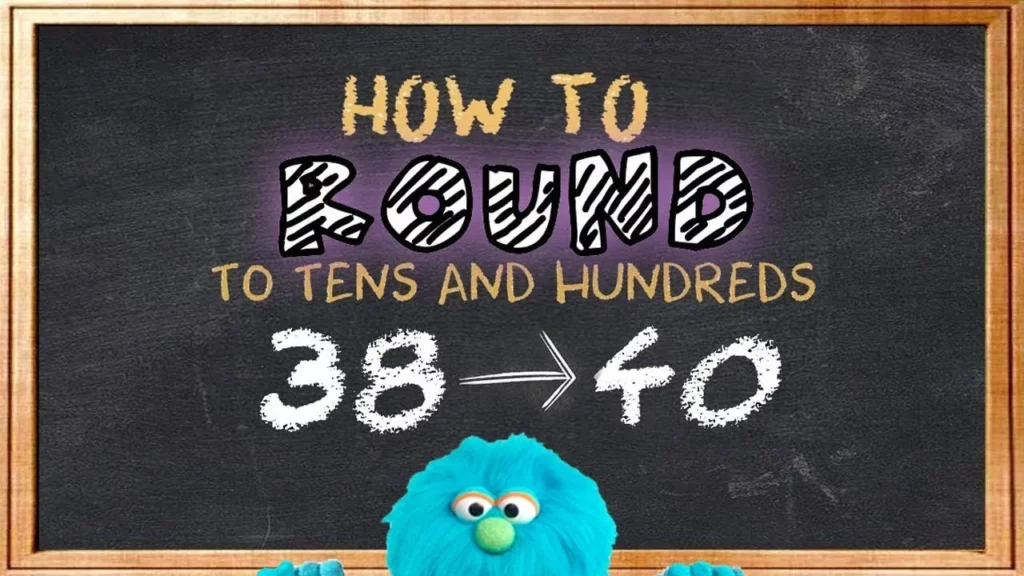
In this lesson, we explored the concept of rounding, which simplifies numbers while keeping them close to their original values. We learned how to round numbers to the nearest ten and hundred by understanding place value and following straightforward steps. By practicing these techniques, students can enhance their math skills and make calculations easier in everyday situations.
What are Ice Volcanoes?
The lesson explores the intriguing features of Pluto, particularly its cryovolcanoes, which are ice volcanoes that erupt with a slushy mix of water ice and other substances. These formations suggest the possibility of a hidden ocean beneath Pluto’s icy surface, raising exciting questions about the potential for life on this distant dwarf planet. As scientists continue to study Pluto’s geology, they hope to uncover more about its active nature and the broader implications for life beyond Earth.
The History of the Salem Witch Trials!
The Salem witch trials of 1692 serve as a cautionary tale about the consequences of fear and superstition, leading to the wrongful accusations and executions of many individuals, primarily women. Rooted in the Puritan belief system, the trials highlighted the dangers of mass hysteria and the importance of fair legal processes. Today, they remind us of the need for critical thinking and the protection of individual rights to prevent similar injustices in the future.
How to Remember the Seven Continents! …for Kids!
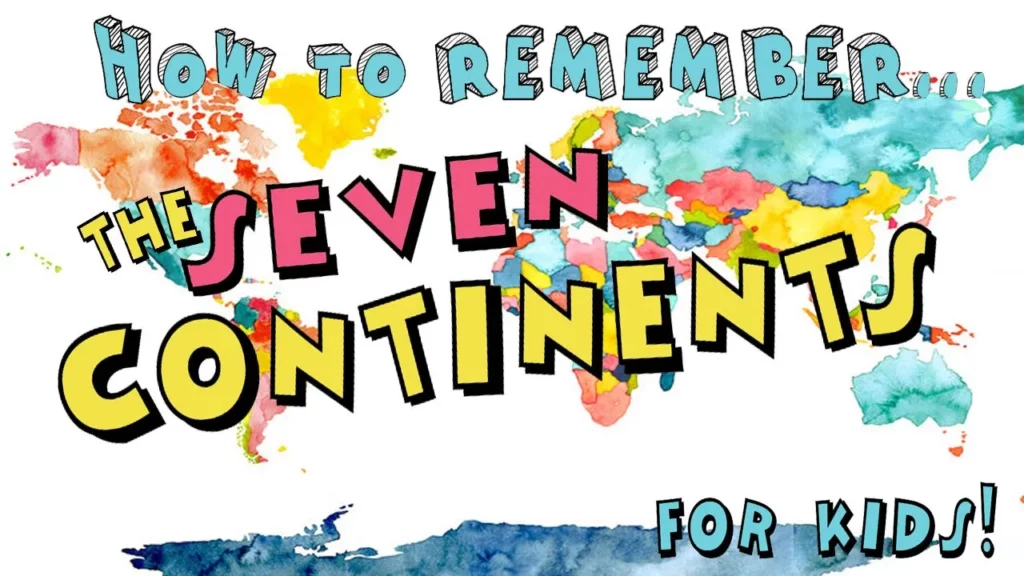
In this lesson, students explore the seven continents of the world, each characterized by unique features, cultures, and significance. From North America’s diverse landscapes and economic influence to Antarctica’s icy environment and scientific importance, the lesson highlights the rich variety of life and connections among these continents, fostering a greater appreciation for our planet.
Learning About Vertebrates and Invertebrates
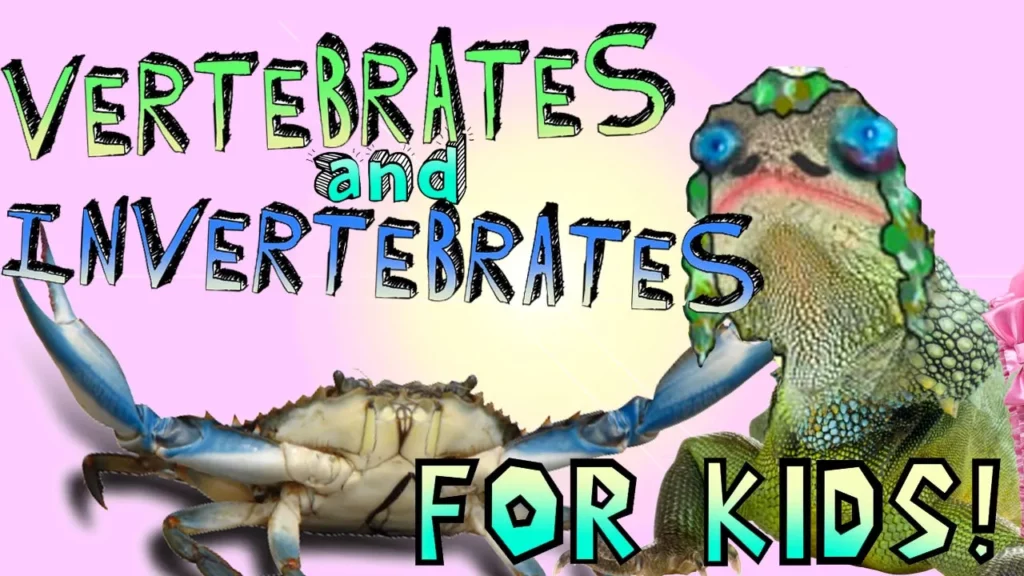
In this lesson, students explore the two main groups of animals: vertebrates, which have backbones, and invertebrates, which do not. Vertebrates include mammals, birds, fish, amphibians, and reptiles, each with unique characteristics and adaptations, while invertebrates, making up about 95% of animal species, encompass a diverse range of forms such as arthropods, mollusks, and sponges. Understanding these groups highlights the incredible variety of life on Earth and their essential roles in maintaining healthy ecosystems.
The History of Easter!

The lesson on Easter explores its historical significance and the various traditions associated with the holiday. It highlights the celebration of Jesus Christ’s resurrection, the origins of the name “Easter,” and the symbolism of eggs and the Easter Bunny, illustrating how ancient customs have blended with Christian beliefs. Ultimately, the lesson emphasizes Easter as a time of renewal, joy, and diverse celebrations across cultures.
How to Borrow in Subtraction! …for Kids!
The lesson on “Understanding Borrowing in Subtraction” explains the concept of borrowing when subtracting a larger number from a smaller one in a specific place value. It provides clear examples, such as subtracting 9 from 27 and 36 from 62, illustrating how to borrow from the next higher place value to perform the subtraction correctly. By using relatable analogies and step-by-step instructions, the lesson aims to make the process of borrowing in subtraction more accessible and enjoyable for learners.
The Egg Shaped Planet
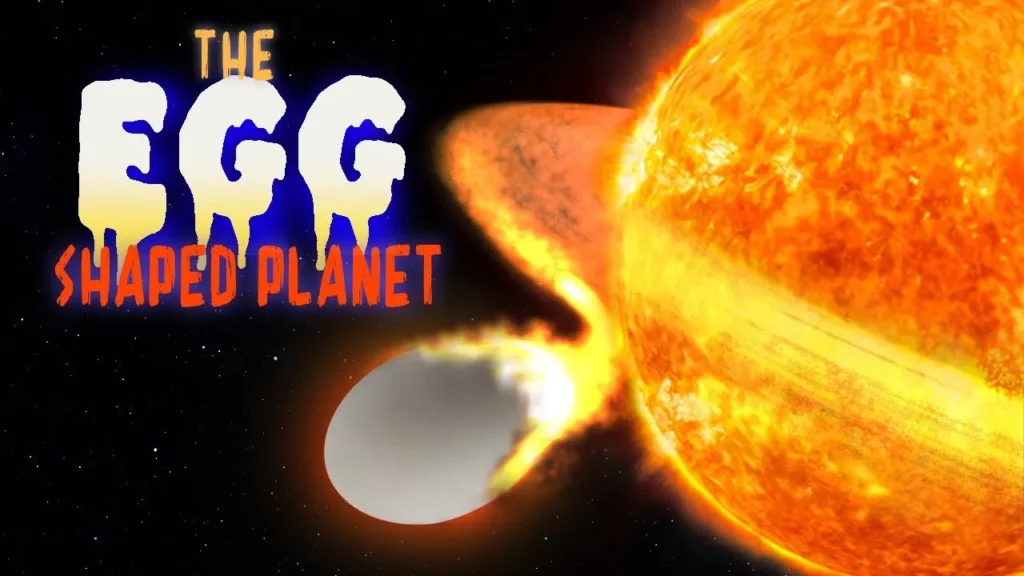
The lesson explores WASP-12b, a unique “hot Jupiter” located over 1,200 light-years away, known for its egg-shaped appearance due to the intense gravitational pull from its nearby star. Discovered by the Wide Angle Search for Planets (WASP) project, this planet experiences extreme temperatures exceeding 4,000 degrees Fahrenheit, leading to the loss of its atmosphere and potential absorption by its star in the future. The lesson highlights the diversity of celestial bodies, comparing WASP-12b to other unusual shapes like the dwarf planet Haumea in the Kuiper Belt, emphasizing the importance of studying such fascinating planetary phenomena.
Titanoboa – The Biggest Snake that EVER Lived!
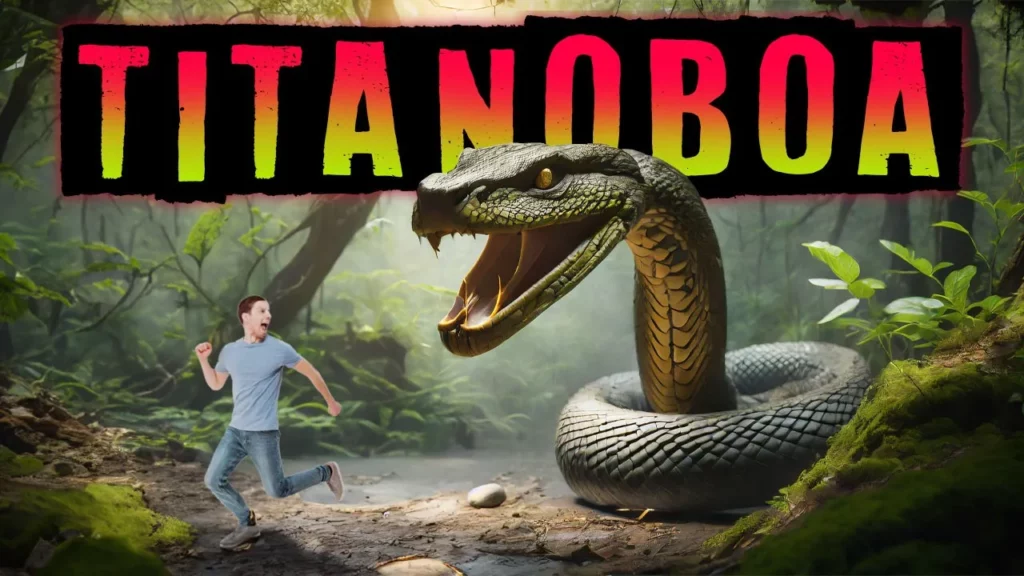
The lesson introduces the Titanoboa, the largest snake in history, which lived approximately 60 to 58 million years ago in the tropical swamps of South America. It highlights the snake’s impressive size, diet, and hunting techniques, as well as its eventual extinction due to climate change that transformed its habitat. The Titanoboa serves as a reminder of the impact of environmental changes on species survival and the importance of preserving ecosystems.