
What is Acid Rain?
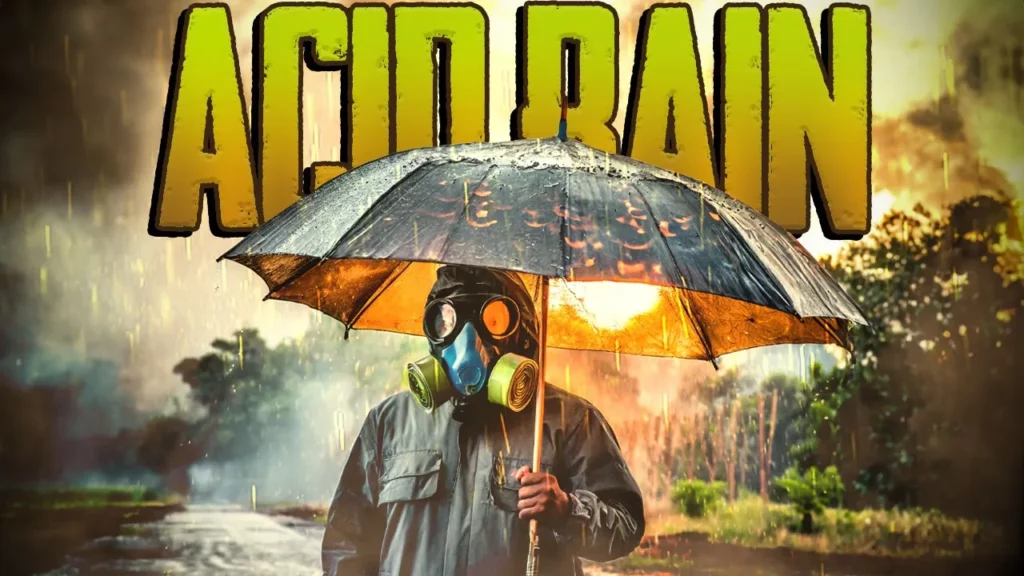
The lesson on acid rain explains its definition, causes, and detrimental effects on the environment, including damage to structures, ecosystems, and vegetation. It highlights that while natural sources contribute minimally, human activities, primarily the burning of fossil fuels, are the main culprits behind acid rain. To mitigate its impact, the lesson emphasizes the importance of transitioning to clean energy, regulating emissions, and raising public awareness about the issue.
Learning About Food Chains
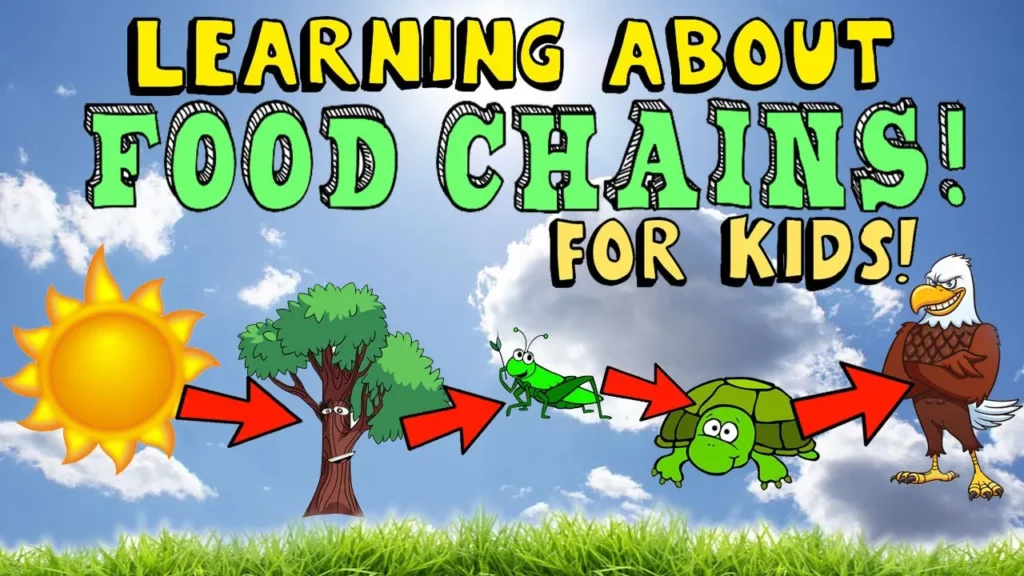
This lesson explores the concept of food chains, highlighting the roles of producers and consumers in ecosystems. Producers, such as plants and certain bacteria, create their own energy, forming the foundation of the food chain, while consumers, including herbivores, carnivores, and omnivores, rely on other living things for energy. Understanding these relationships is crucial for appreciating ecosystem balance, biodiversity, and the importance of conservation efforts.
Learning About Landforms
In this lesson, we explored various landforms on Earth’s surface, including mountain ranges, valleys, plateaus, peninsulas, islands, plains, lakes, and rivers. Each landform has unique characteristics and is shaped by natural processes such as erosion, weathering, and volcanic activity. Understanding these landforms enhances our knowledge of Earth’s geography, ecosystems, and the dynamic nature of our planet.
Learning About The Moon and Its Phases
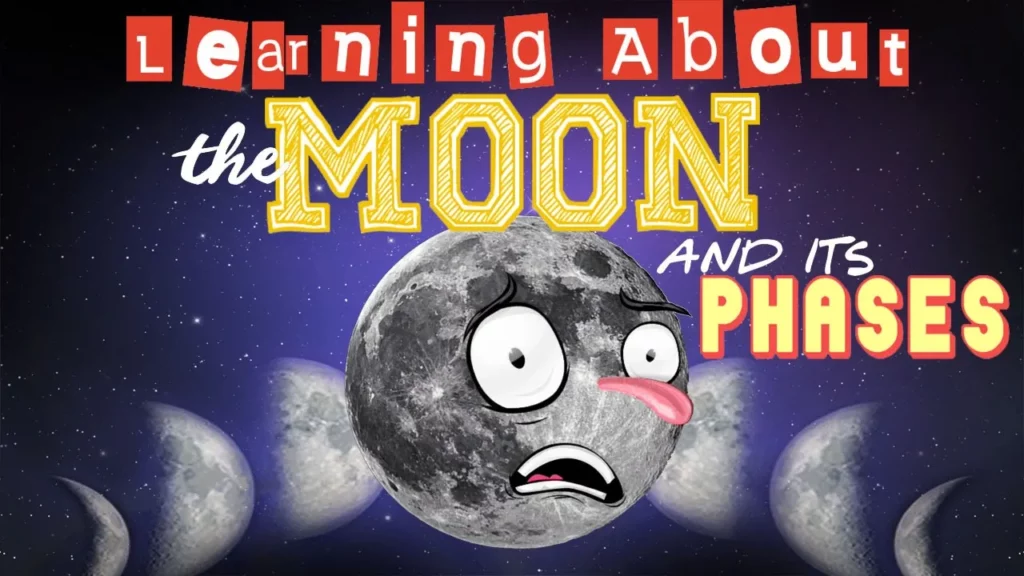
In this lesson, we explore the moon as Earth’s natural satellite, its unique features, and the fascinating phases it undergoes each month. The moon plays a crucial role in controlling ocean tides and maintaining Earth’s tilt, while its surface is marked by craters formed by space impacts. By understanding the moon’s changing shapes and the reasons behind its shine, we can deepen our appreciation for this remarkable celestial body.
Tsunami Facts for Kids!
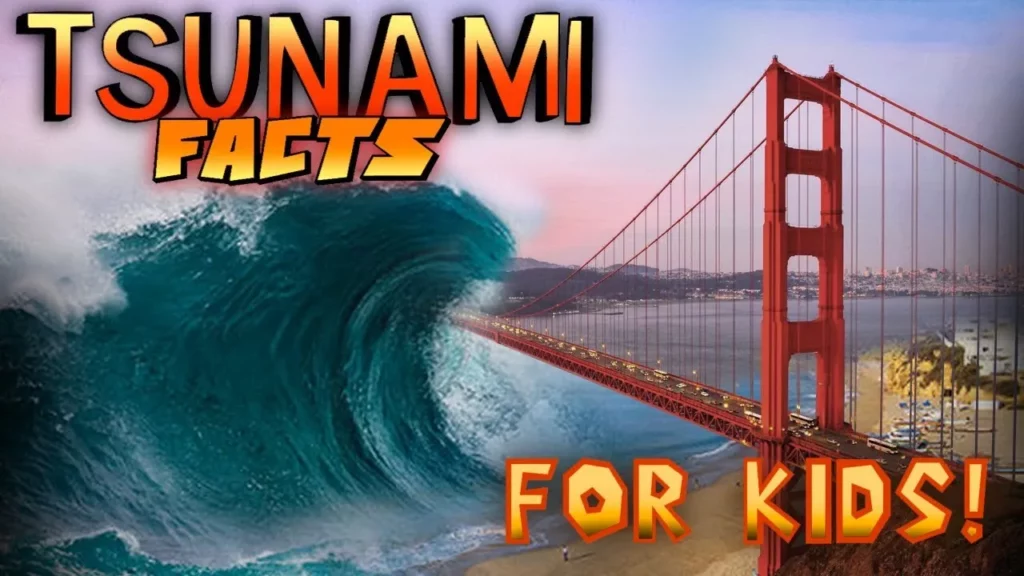
The lesson on tsunamis covers their causes, effects, and safety measures, emphasizing the importance of understanding these powerful ocean waves. Tsunamis are primarily triggered by underwater earthquakes, volcanic eruptions, landslides, or meteorite impacts, and they can cause significant destruction when they reach coastal areas. By being informed about tsunami risks and preparedness strategies, individuals can enhance their safety and protect their communities.
Learning About Climates
This lesson on climate maps introduces the various climate zones of North America, including Arctic, tropical, desert, and temperate climates, each characterized by distinct weather patterns and ecological features. By using color-coded maps, we can easily identify these zones and understand their impact on the environment, wildlife, and human activities. Ultimately, the lesson emphasizes the importance of recognizing and preserving the diversity of our planet’s climates.
Learning About The Dwarf Planet Pluto
This lesson explores Pluto’s classification as a dwarf planet, highlighting the criteria set by the International Astronomical Union that it does not fully meet. It discusses Pluto’s unique characteristics, such as its elliptical orbit, extreme distance from the Sun, long orbital period of 248 Earth years, and frigid temperatures. The lesson concludes by acknowledging ongoing debates about Pluto’s classification and its significance in understanding our solar system.
The Incredible Story of Robert Smalls!
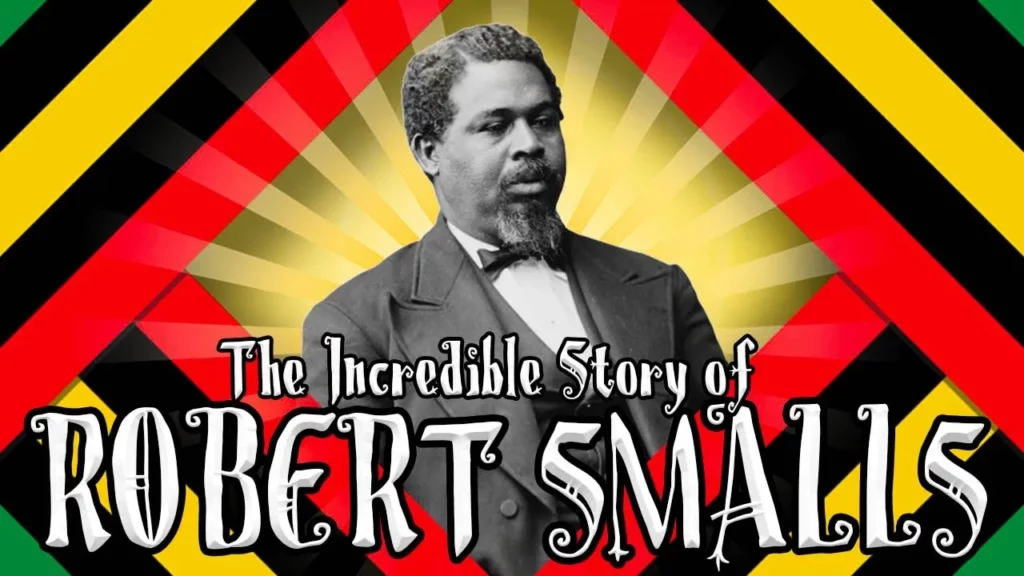
The lesson highlights the remarkable life of Robert Smalls, an enslaved man who orchestrated a daring escape during the Civil War, ultimately gaining his freedom and becoming a leader in the fight for African American rights. Born in South Carolina, Smalls used his skills as a boat pilot to navigate the Planter past Confederate checkpoints, surrendering to Union forces and advocating for the enlistment of Black soldiers. His legacy as a politician and military captain exemplifies the courage and determination of those who fought for freedom and equality, reminding us of the importance of celebrating lesser-known heroes during Black History Month.
The Incredible Story of Bessie Coleman!
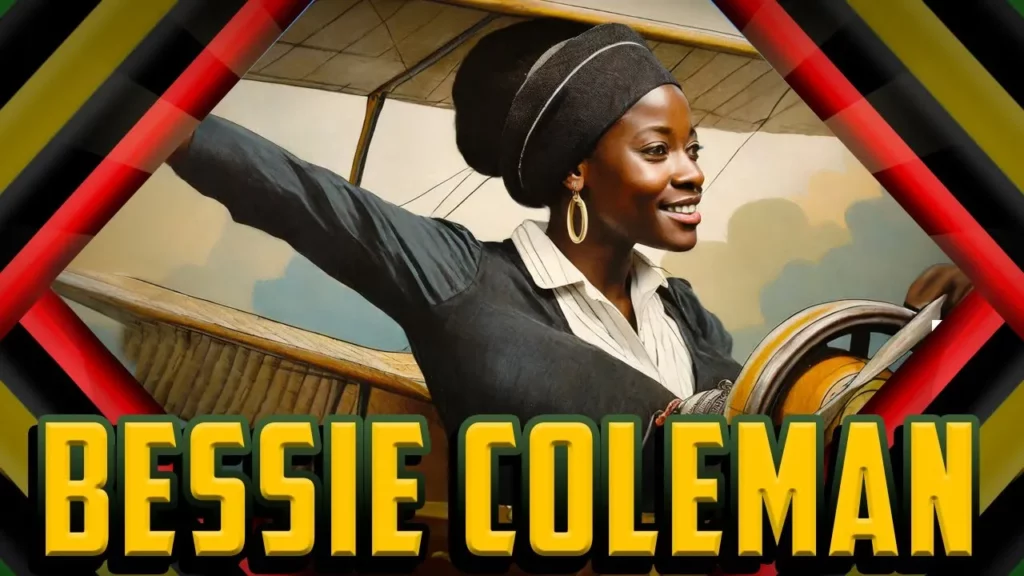
The lesson celebrates Bessie Coleman, a pioneering African-American and Native American aviator, who overcame significant racial and gender barriers to become the first woman of her heritage to earn a pilot’s license. Despite facing rejection and discrimination, she pursued her dream of flight in France and returned to the U.S. to advocate for equal opportunities in aviation. Coleman’s legacy serves as an inspiring example of perseverance and empowerment, particularly during Black History Month, highlighting the impact one individual can have in challenging societal norms.
The Incredible Story of Matthew Henson!
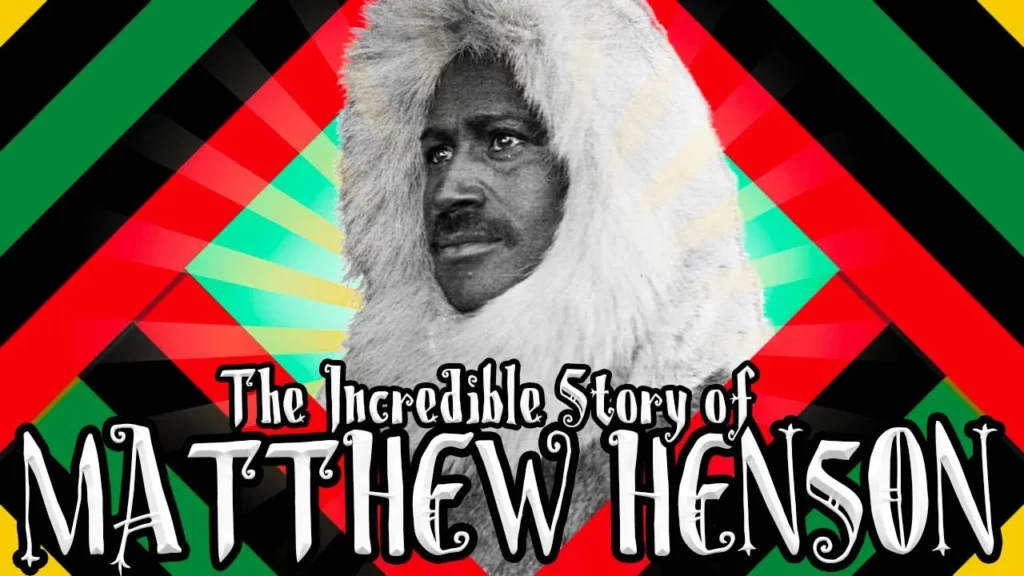
The lesson highlights the remarkable contributions of Matthew Henson, an African American explorer who played a vital role in Arctic exploration, particularly in the quest to reach the North Pole. Despite his significant achievements and skills, Henson often went unrecognized due to the racial biases of his time, with Robert Peary receiving most of the credit for their expedition. Henson’s legacy serves as a powerful reminder of the importance of acknowledging diverse contributions to history and the value of perseverance in the face of adversity.