
James Webb Telescope Explained
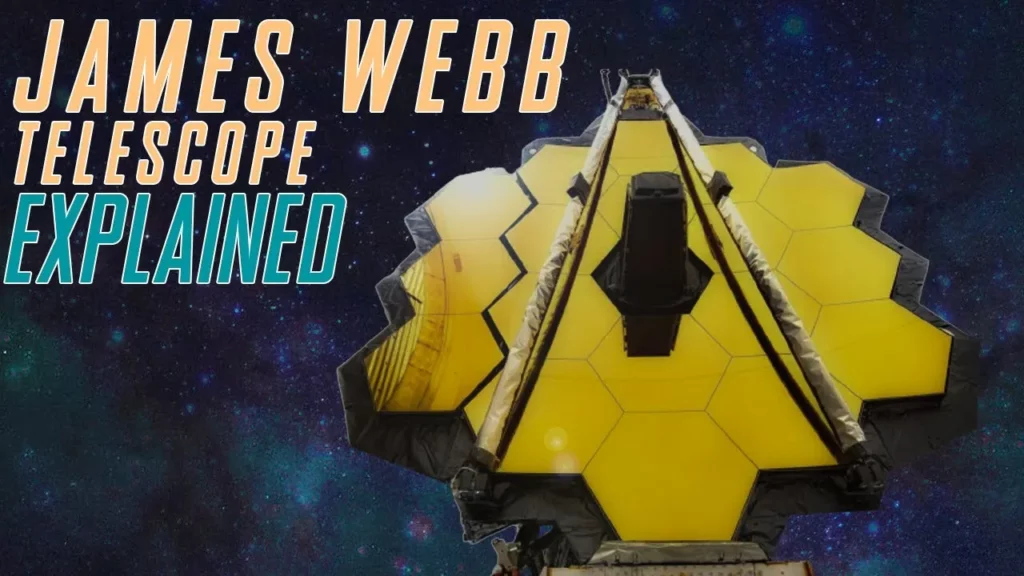
The James Webb Space Telescope (JWST) is a groundbreaking astronomical tool that surpasses the capabilities of the Hubble Space Telescope by being 100 times more powerful and positioned nearly a million miles from Earth at the L2 point, allowing for uninterrupted observations of the universe. Unlike Hubble, which primarily observes visible light, the JWST specializes in infrared light, enabling it to penetrate space dust and observe distant galaxies, providing insights into the early universe and the formation of stars and galaxies. Through its advanced design and technology, the JWST promises to unlock new understanding of cosmic phenomena and the origins of the universe.
Learning About Ponce de León
The lesson on Ponce de León’s quest for the Fountain of Youth highlights the spirit of exploration during the 1500s, showcasing how his journey to Florida was driven by a desire for adventure and discovery rather than riches. Although he did not find the mythical fountain, his exploration significantly impacted European understanding of the Americas and inspired future explorations. Ultimately, the story serves as a reminder of the human desire to explore the unknown and the importance of curiosity in our quest for knowledge.
Yasuke the Black Samurai

The lesson highlights the remarkable story of Yasuke, an African man who became the first non-Japanese samurai in Japan during the 1500s, showcasing the unexpected connections between different cultures. Yasuke’s journey from Africa to Japan, his friendship with the powerful leader Oda Nobunaga, and his rise to samurai status illustrate the complexities of identity and belonging, while also emphasizing the importance of celebrating diverse histories during Black History Month. His legacy serves as a symbol of cultural exchange and the breaking down of racial barriers in a time when such interactions were rare.
Nine Times Table Song (90’s Song Mashup)
In the lesson “Mastering the Nines: A Fun Approach to Multiplication,” students learn the nine times table through engaging methods such as counting by nines, recognizing patterns in the sums of the digits, and incorporating music and rhythm. This creative approach not only simplifies the memorization of multiplication facts but also enhances understanding and confidence in math. By making learning enjoyable, students can effectively grasp the concept of multiplication while having fun.
Presidents of the United States Song!

The lesson provides an overview of the Founding Fathers of the United States, highlighting key figures such as George Washington, John Adams, Thomas Jefferson, and James Madison, and their significant contributions to the nation’s formation. Each leader played a crucial role in establishing democratic principles, drafting foundational documents like the Constitution and the Declaration of Independence, and setting precedents for future governance. Understanding their impact helps illuminate the evolution of American history and its political system.
Classifying Animals
In this lesson, we explored the diverse world of animals by examining four main groups: reptiles, fish, amphibians, and mammals. Each group has unique characteristics that enable them to thrive in their environments, such as the scaly skin of reptiles, the gills of fish, the dual life cycle of amphibians, and the warm-blooded nature of mammals. Understanding these classifications enhances our appreciation for the variety of life on Earth.
Total Solar Eclipse Explained for Kids!

The lesson on total solar eclipses explains this rare celestial event, which occurs when the Moon completely blocks the Sun as it aligns between the Earth and the Sun during a new moon. It highlights the significance of the “path of totality,” where observers can experience the dramatic darkening of the sky and view the Sun’s corona, making it a magical and awe-inspiring moment. Understanding the science behind this phenomenon enhances our appreciation of these extraordinary occurrences in our solar system.
Five Times Table Song (We Can’t Stop by Miley Cyrus) Using iPads Only

In this lesson, students learn that multiplication is a method of adding the same number repeatedly, using the number 5 as an example. By counting by fives and exploring the multiplication table of 5, learners can see the connection between counting and multiplication. The lesson also highlights practical applications of multiplication in everyday life, such as time management, cooking, and grouping items, reinforcing the importance of this math skill.
Three Times Table Song (Cover of Uptown Funk by Mark Ronson and Bruno Mars)
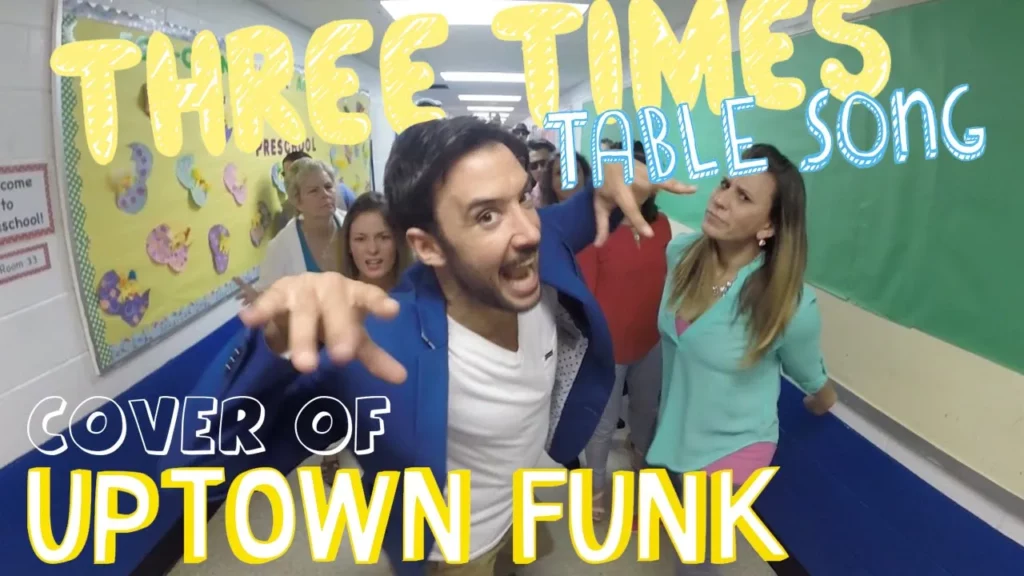
The lesson on counting by threes emphasizes the importance of this skill in developing a foundational understanding of math, particularly in preparation for multiplication and division. By incorporating music, rhythm, and engaging activities, students can make learning to count by threes enjoyable and memorable, ultimately enhancing their mathematical abilities. Through consistent practice and creative methods, learners can become more confident and proficient in their counting skills.
Eight Times Table Song (Cover of All About That Bass by Meghan Trainor)

In this lesson, students learn the concept of counting by eights, which involves adding eight to each subsequent number, thereby enhancing their understanding of skip counting and its relationship to multiplication. The lesson emphasizes the importance of skip counting for developing number sense, improving math skills, and applying these concepts in real-life situations, such as organizing items or managing time. Overall, counting by eights is presented as a fun and practical way to strengthen math abilities.