
Probability for Kids | Homeschool Pop
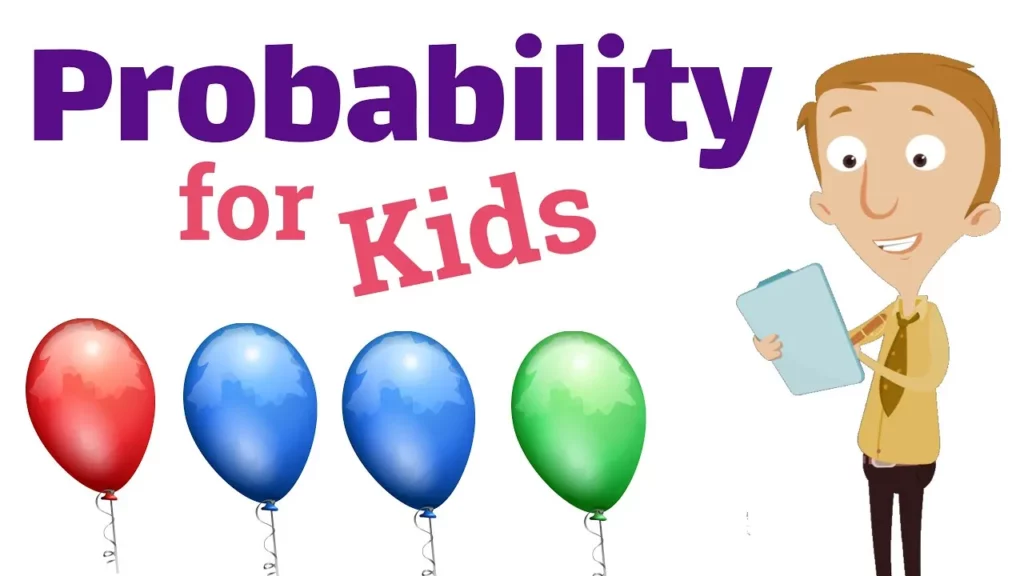
The lesson on understanding probability introduces the concept as a way to measure how likely an event is to occur, using values between 0 (impossible) and 1 (certain). Key terms such as “certain,” “likely,” “unlikely,” and “impossible” help clarify different probabilities, illustrated through engaging examples like selecting coins. The lesson emphasizes that probabilities can change with new information, making it a valuable tool for decision-making in everyday life.
Leap Year for Kids
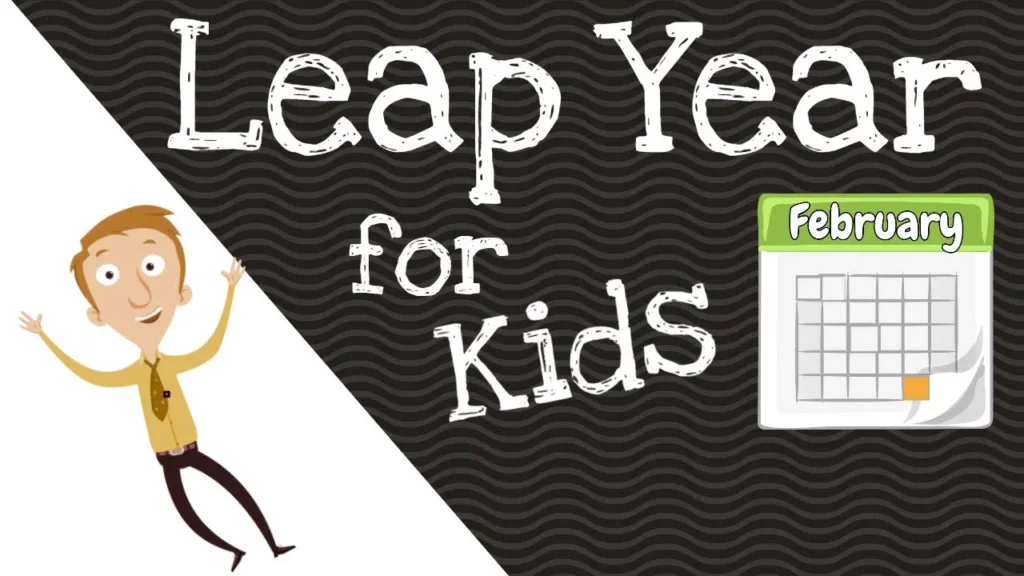
This lesson explains the concept of leap years, which occur every four years to add an extra day, February 29th, to our calendar. This adjustment is necessary to align the calendar with the Earth’s orbit around the Sun, as it takes approximately 365 days and 6 hours for a complete revolution. The lesson also covers the rules for determining leap years and highlights the uniqueness of leap day for those born on this date.
Prefixes for Kids
This lesson explores the concept of prefixes, which are groups of letters added to the beginning of words to alter their meanings. By understanding common prefixes like “re-“, “mis-“, and “sub-“, learners can enhance their vocabulary, improve reading comprehension, and develop better writing skills. Overall, prefixes serve as valuable tools for effective communication and language learning.
Hurricanes for Kids

The lesson on hurricanes explains that these powerful storms, known as hurricanes, typhoons, or tropical cyclones depending on their location, can produce winds exceeding 75 miles per hour and cause significant destruction through strong winds and heavy rainfall. It emphasizes the importance of understanding the structure of hurricanes, including the calm “eye” and the dangerous eyewall, while also highlighting safety measures such as staying indoors and following evacuation orders to ensure personal safety during these events. By being informed and prepared, individuals can better protect themselves when hurricanes occur.
Sea Creatures in Spanish
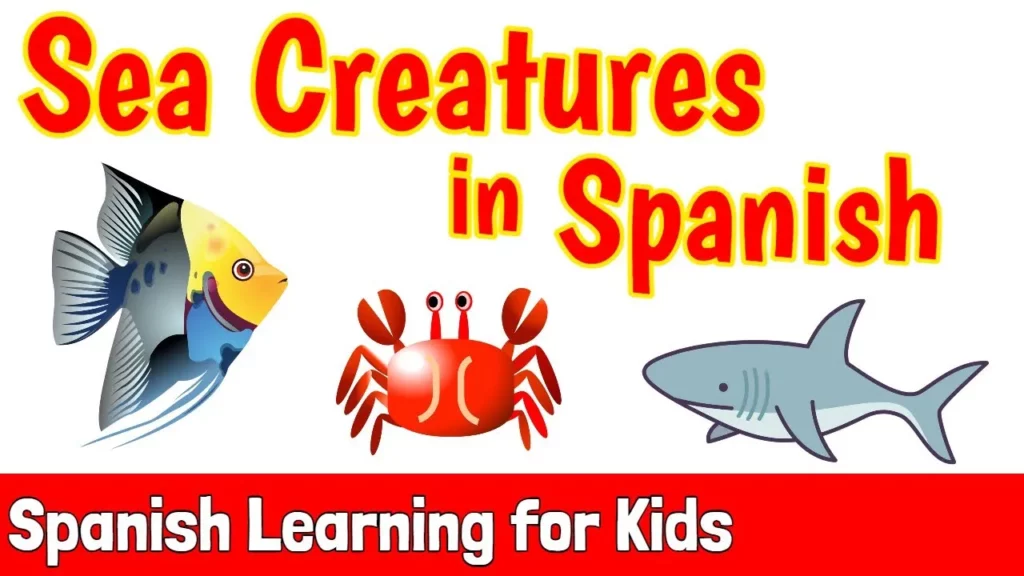
In this lesson, students explore the fascinating world of sea creatures, or “animales del mar,” while learning their names in Spanish. Key sea animals discussed include crabs (“un cangrejo”), sharks (“un tiburón”), fish (“peces”), polar bears (“osos polares”), and jellyfish (“medusas”), highlighting their unique characteristics and roles in the ocean ecosystem. The lesson emphasizes the importance of vocabulary in appreciating marine life and the need to protect our oceans.
Compound Words for Kids | Homeschool Pop
The lesson on compound words introduces the concept of combining two separate words to create a new word with a unique meaning, such as “basketball” from “basket” and “ball.” It highlights various examples like “sunflower,” “pancake,” and “notebook,” emphasizing the importance of understanding compound words for enhancing vocabulary and reading skills. By recognizing these word combinations, learners can improve their language comprehension and expression.
Spiders for Kids
This lesson explores the fascinating world of spiders, highlighting their unique characteristics, such as having eight legs, which distinguishes them from insects. It emphasizes the crucial role spiders play in ecosystems by controlling insect populations and showcases their remarkable ability to produce silk for various purposes, including web-making and food storage. Additionally, the lesson encourages respect for spiders, noting that most are harmless and beneficial to the environment.
Solids and Liquids for Kids
In this lesson, students learn about the two main states of matter: solids and liquids. Solids maintain a definite shape and volume due to tightly packed particles, while liquids take the shape of their containers and have particles that can move more freely. The lesson includes examples and characteristics of both states, along with an engaging activity to help students differentiate between solids and liquids.
Reptiles For Kids
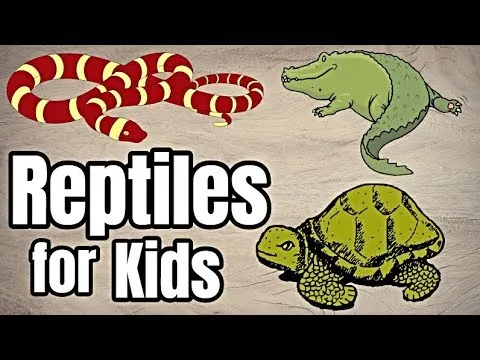
The lesson explores the unique characteristics and ecological significance of reptiles, highlighting their cold-blooded nature, protective scales, and diverse adaptations. Reptiles, including snakes, turtles, and chameleons, play a crucial role in maintaining ecosystem balance by controlling insect populations and serving as prey for larger animals. Overall, the lesson emphasizes the fascinating diversity and adaptability of reptiles in various environments.
Ruby Bridges for Kids
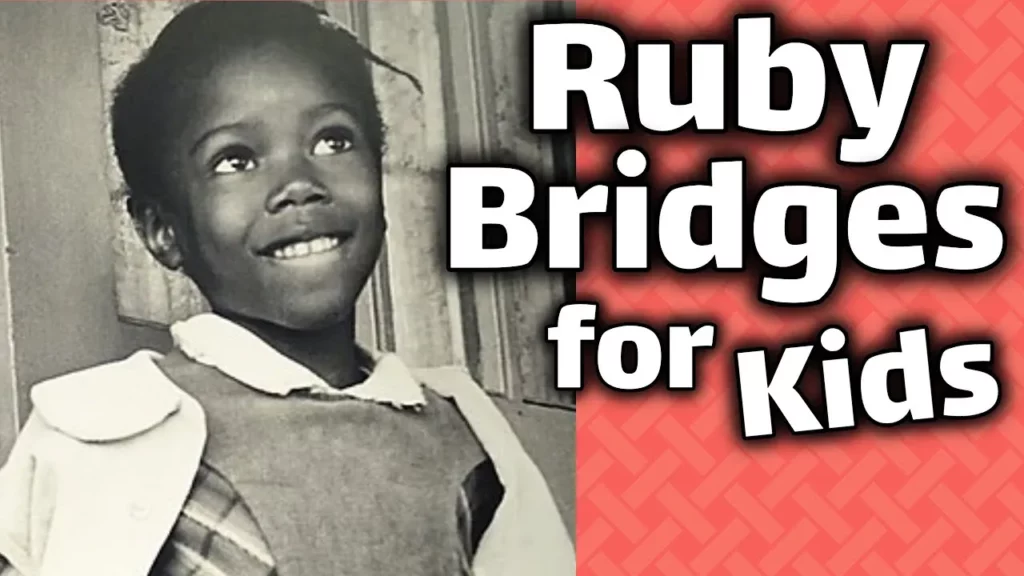
The lesson on Ruby Bridges highlights her remarkable courage and determination as a young girl who played a pivotal role in the civil rights movement by integrating an all-white school in 1960. Despite facing significant adversity, Ruby’s bravery not only transformed her own educational experience but also contributed to the fight against segregation, inspiring future generations to advocate for equality and justice. Through her ongoing efforts with the Ruby Bridges Foundation, she continues to promote the importance of education and equal opportunities for all children.