
Niagara Falls for Kids
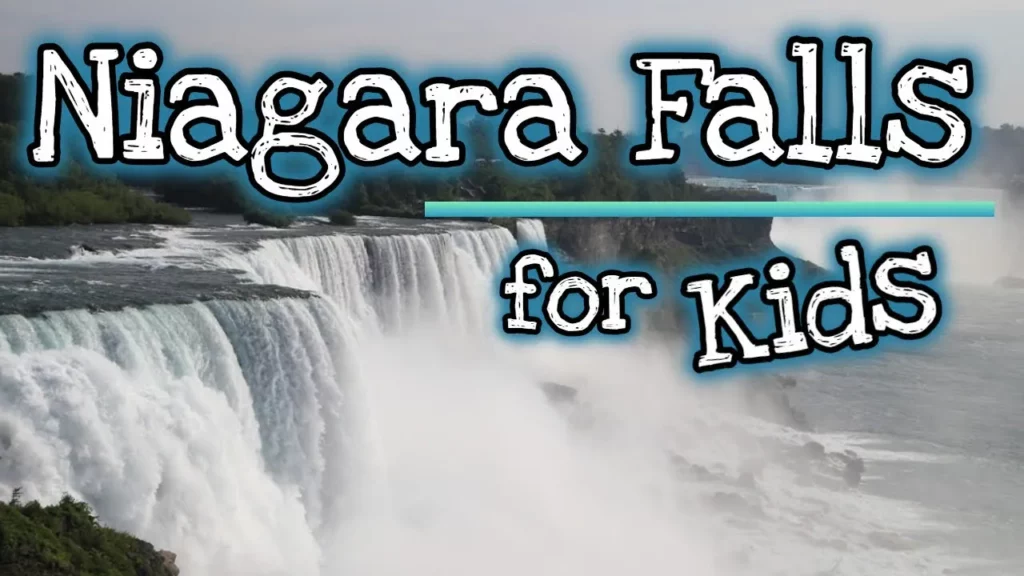
The lesson explores Niagara Falls, highlighting its status as a breathtaking natural wonder comprised of three main waterfalls: Horseshoe Falls, American Falls, and Bridal Veil Falls. It emphasizes the falls’ significance not only as a tourist attraction, drawing millions of visitors annually, but also as a crucial source of hydroelectric power, showcasing the intersection of natural beauty and sustainable energy production. Through unique experiences and historical feats, Niagara Falls offers an unforgettable adventure while contributing to clean energy for both the United States and Canada.
Goods and Services for Kids
The lesson on “Understanding Goods and Services” explains the distinction between goods, which are tangible items that can be owned and touched, and services, which are intangible actions performed for someone else. By recognizing these differences, individuals can make informed decisions while shopping, enhancing their understanding of the marketplace. The lesson concludes with a fun activity to reinforce the concepts learned.
The Leaning Tower of Pisa for Kids
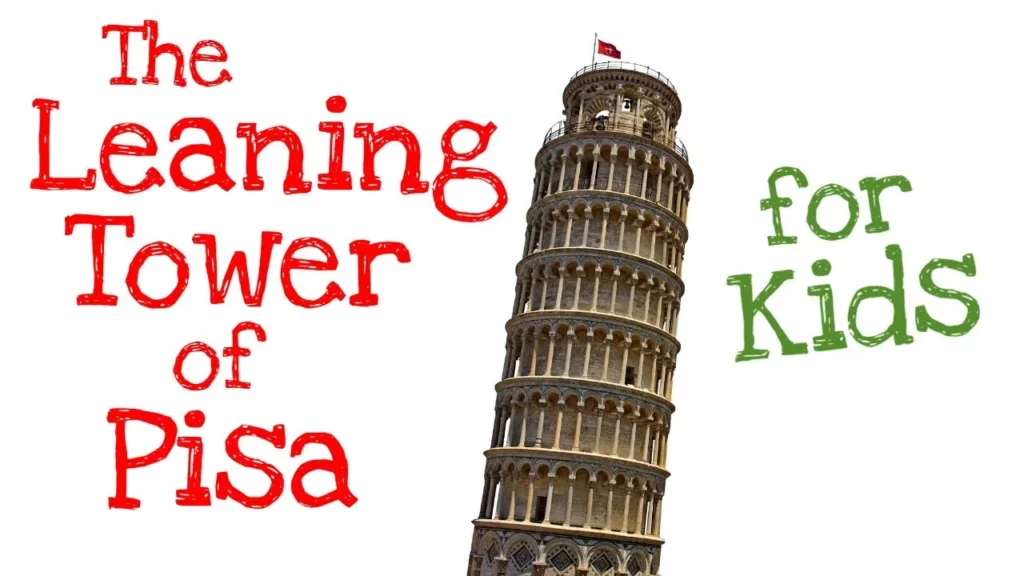
The Leaning Tower of Pisa, located in the city of Pisa, Italy, is renowned for its unintended tilt and serves as the bell tower for the nearby Pisa Cathedral. Construction began in 1173 and faced challenges due to soft ground, leading to its famous lean; however, restoration efforts in the 1990s have ensured its stability for the foreseeable future. Today, it attracts many visitors who can climb its 295 steps for stunning views, making it a symbol of human creativity and resilience.
Octopus Facts for Kids
This lesson explores the fascinating world of octopuses, highlighting their unique anatomy, diverse sizes, and remarkable abilities. Octopuses, as invertebrates with eight arms and strong suction cups, exhibit impressive skills such as color change for camouflage and problem-solving intelligence. Their adaptability and complex behaviors underscore their significance in marine ecosystems and the incredible diversity of ocean life.
The Statue of Liberty For Kids
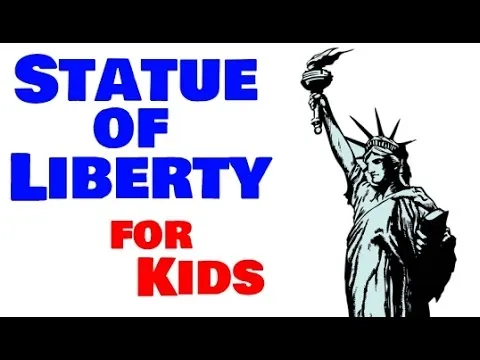
The Statue of Liberty, a gift from France to the United States, stands as a powerful symbol of freedom and democracy, welcoming millions of visitors to Liberty Island each year. Designed by Frédéric Auguste Bartholdi and completed in 1886, the statue features significant symbols such as the torch for enlightenment and broken chains representing the end of oppression. Over time, its copper surface has oxidized to a green patina, further enhancing its iconic status as a beacon of hope for immigrants seeking new beginnings in America.
Turtle Facts for Kids
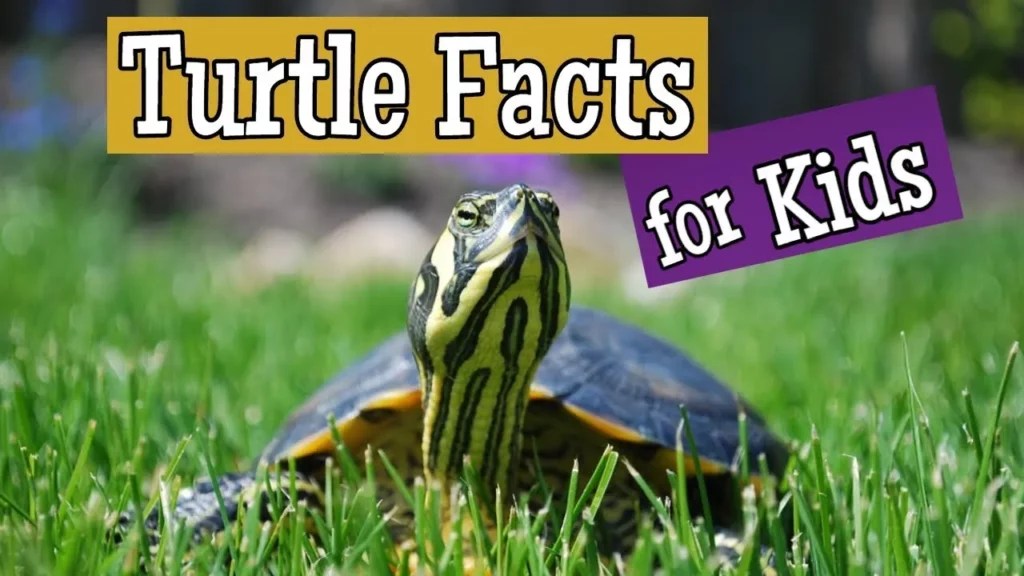
This lesson explores the fascinating world of turtles, highlighting their unique characteristics as reptiles, including their air-breathing ability, cold-blooded nature, and vertebrate status. It covers their omnivorous diet, solitary behavior, distinct habitats (water for turtles and land for tortoises), and the life cycle of turtles, emphasizing the protective role of their shells. Overall, the lesson aims to deepen appreciation for these ancient creatures and their adaptations to survive in various environments.
Adding Zero | Math Lesson
In this lesson, we explored the concept of addition and the role of zero in mathematics. We learned that adding zero to any number does not change its value, making it a unique and important aspect of addition. Understanding zero helps us differentiate between numbers and enhances our overall math skills, making math both simple and enjoyable.
The Sun for Kids
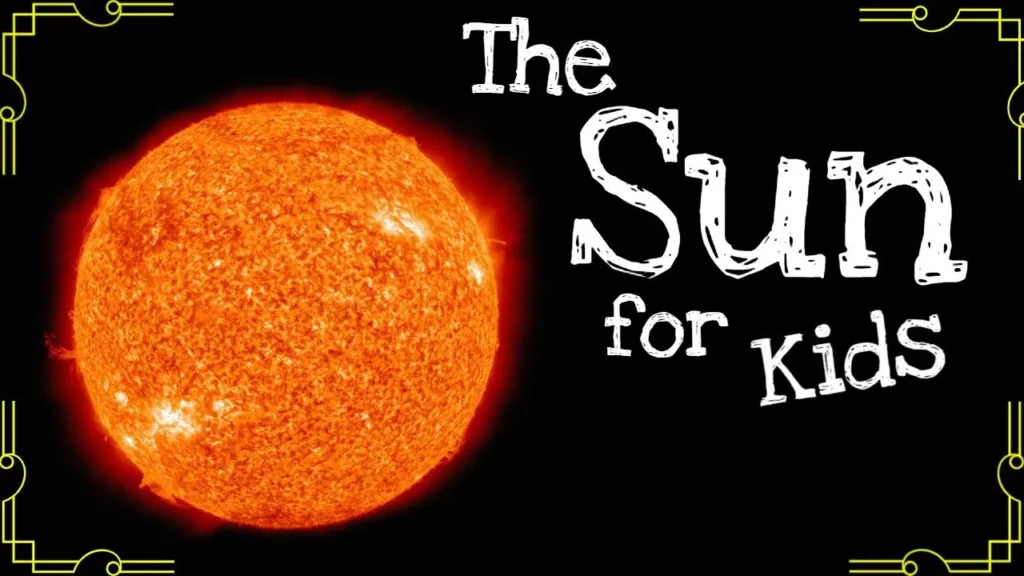
The lesson explores the significance of the Sun, our solar system’s star, highlighting its composition, distance from Earth, and essential role in supporting life. It explains how the Sun, primarily made of hydrogen, provides the energy necessary for processes like photosynthesis, which sustains plant life and produces oxygen. Additionally, the lesson emphasizes the importance of harnessing solar energy as a renewable resource to combat pollution and climate change.
Synonyms for Kids
The lesson on synonyms introduces the concept of words that have similar meanings, enhancing our language by providing variety in expression. It includes examples of synonyms, explains the subtle differences between them, and engages learners with fun exercises to identify synonyms. Ultimately, understanding and using synonyms can improve clarity and creativity in both speaking and writing.
The Moon for Kids
The lesson “Understanding the Moon: Our Celestial Companion” explores the Moon’s unique characteristics as Earth’s only natural satellite, its composition, and its orbit around our planet. It highlights the eight distinct phases of the Moon, which result from its position relative to Earth and the Sun, and explains that the Moon reflects sunlight rather than producing its own light. Overall, the lesson emphasizes the Moon’s significance and the wonders it presents for exploration and learning about the universe.