
Albert Einstein for Kids
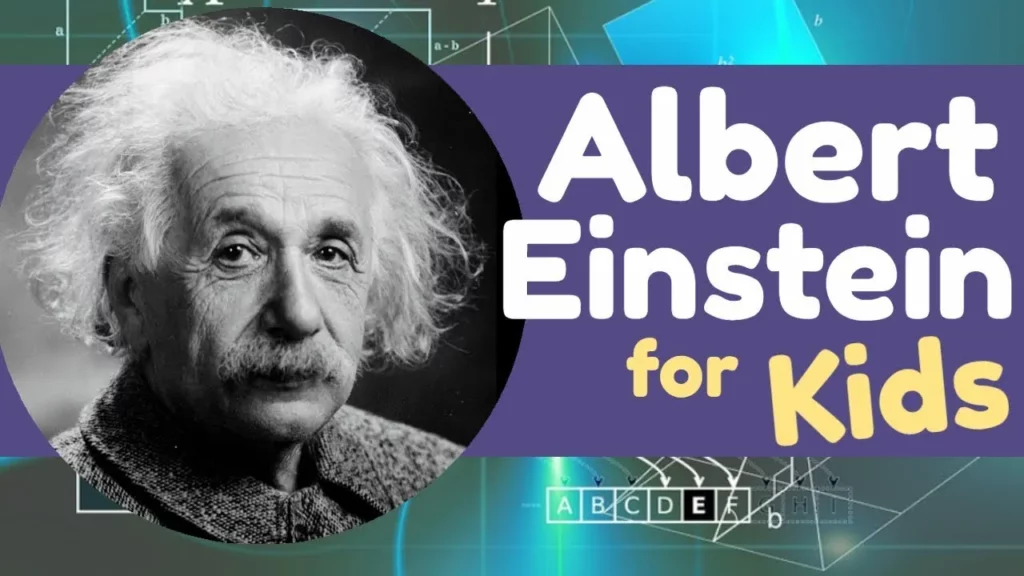
The lesson explores the life and groundbreaking discoveries of Albert Einstein, highlighting his early challenges and significant contributions to science. Despite facing difficulties in his youth, Einstein’s passion for math and physics led to revolutionary ideas, including the famous equation E=mc² and the theory of general relativity, which transformed our understanding of energy, mass, and gravity. His journey emphasizes the importance of perseverance and curiosity in the pursuit of knowledge.
Simile Lesson | Classroom Language Arts Video
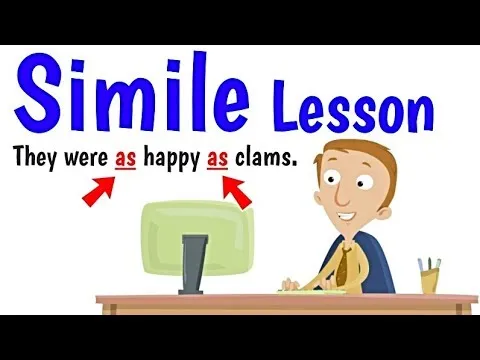
This lesson introduces similes as a creative and engaging way to compare two different things using the words “like” or “as.” By providing examples and explaining how to identify and create similes, the lesson highlights their role in making language more vivid and expressive. Ultimately, similes enhance communication by painting mental images and adding excitement to writing and conversation.
Multiplication Lesson for Children
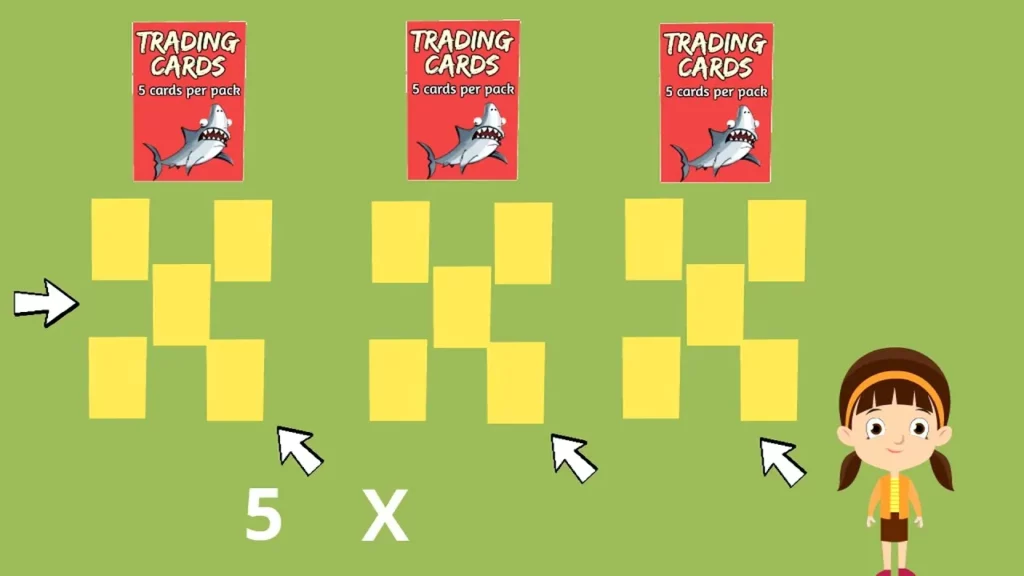
The lesson on multiplication presents it as an engaging and enjoyable concept, likening it to a detective game where you solve puzzles. It explains that multiplication is essentially repeated addition, providing clear examples and practical applications to illustrate its use. Additionally, the lesson offers helpful tricks and tips, such as the effects of multiplying by zero or one, and encourages the use of multiplication tables to enhance learning and efficiency.
The Traditional ABC Song | Music for Toddlers and Kindergarten
The ABC song is a joyful and effective tool for teaching children the alphabet, helping them to learn the order of letters, recognize sounds, and improve their communication skills. Originating in the 1800s, this catchy tune has been embraced worldwide, making learning fun and memorable. By singing the ABC song, children not only practice their letters but also engage in a playful way that enhances their readiness for reading and writing.
Living and Non-living Things for Kids
This lesson teaches us how to distinguish between living and non-living things by examining three key characteristics: the need for water, the ability to grow, and the requirement for food. Living things, such as plants and animals, depend on water and food for survival and undergo growth, while non-living things, like robots and toys, do not possess these traits. Understanding these differences enhances our appreciation for the diverse forms of life in our world.
Facts About Thomas Edison for Kids | Lesson Video
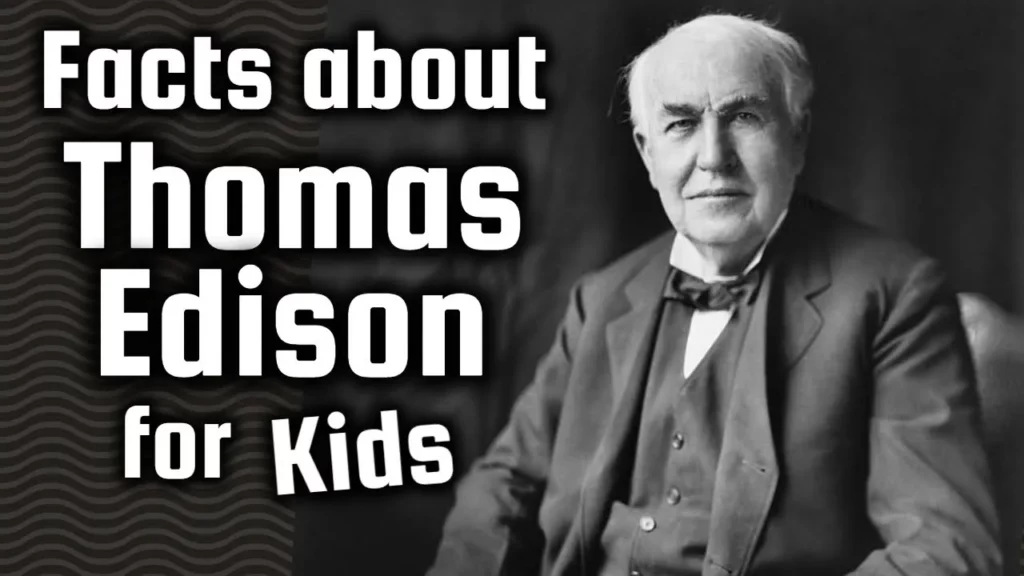
The lesson explores the life and innovations of Thomas Edison, highlighting his journey from a challenging early education to becoming one of America’s greatest inventors. Edison’s key inventions, including the phonograph, kinetograph, and practical incandescent light bulb, revolutionized sound recording, film, and electric lighting, respectively. His establishment of the first power station further transformed everyday life, leaving a lasting impact on technology and society.
Thomas Jefferson for Kids
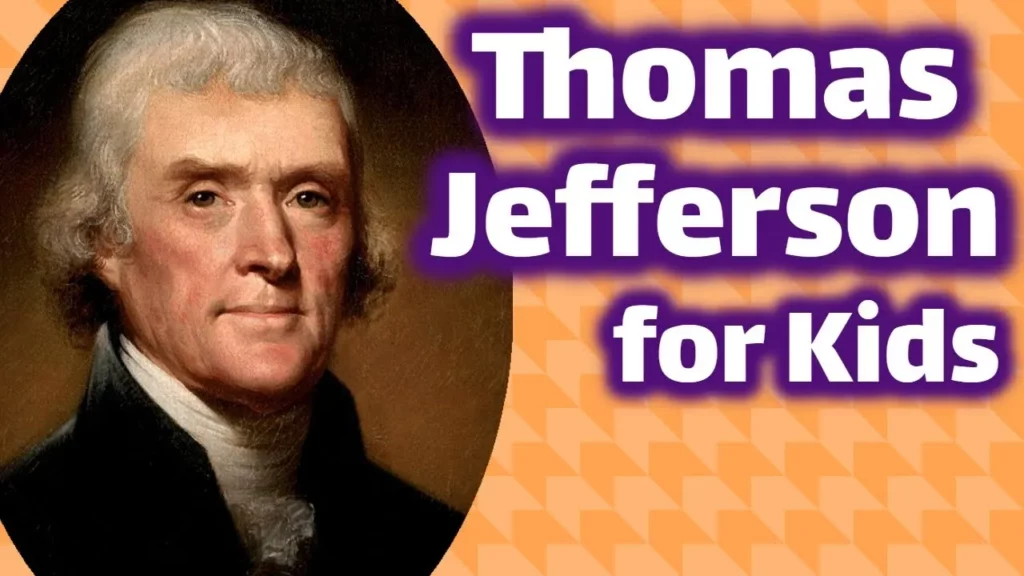
Thomas Jefferson, born in Virginia in 1743, was a pivotal Founding Father of the United States, best known for drafting the Declaration of Independence, which proclaimed the colonies’ desire for freedom from British rule. As the third president, he significantly expanded the nation through the Louisiana Purchase and championed the importance of education and scientific inquiry, reflecting Enlightenment ideals. Jefferson’s enduring legacy is evident in his contributions to American democracy and his commitment to knowledge, which continue to influence the nation today.
Paul Revere for Kids
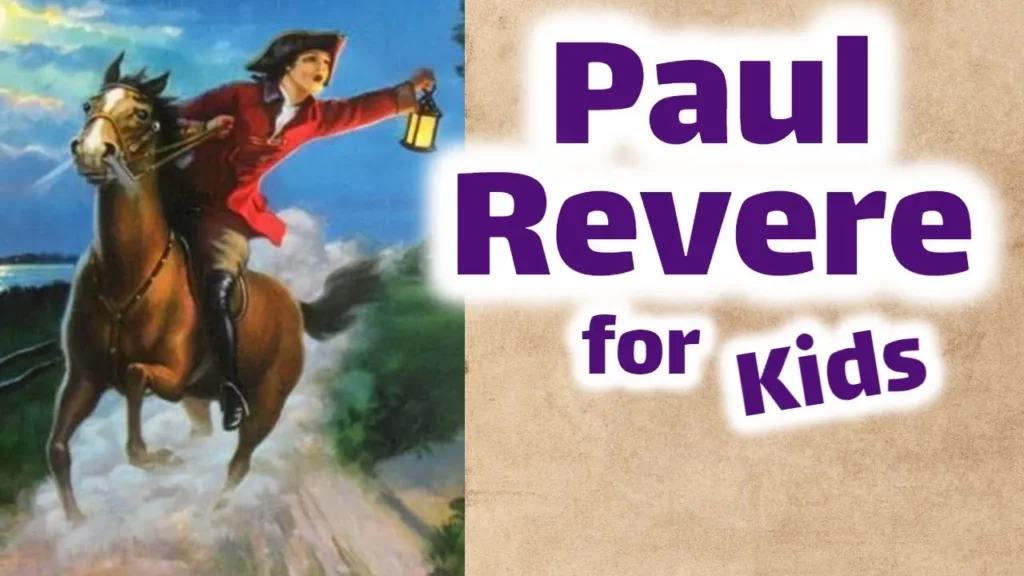
The lesson highlights the life and legacy of Paul Revere, a skilled silversmith and a prominent figure in the American Revolution. It emphasizes his early career, involvement with the Sons of Liberty, and his famous midnight ride to warn colonial militias of British troops, showcasing his contributions to the fight for American independence. Revere’s story serves as a reminder of the values of courage, patriotism, and justice that continue to resonate in American society today.
Armadillos for Kids
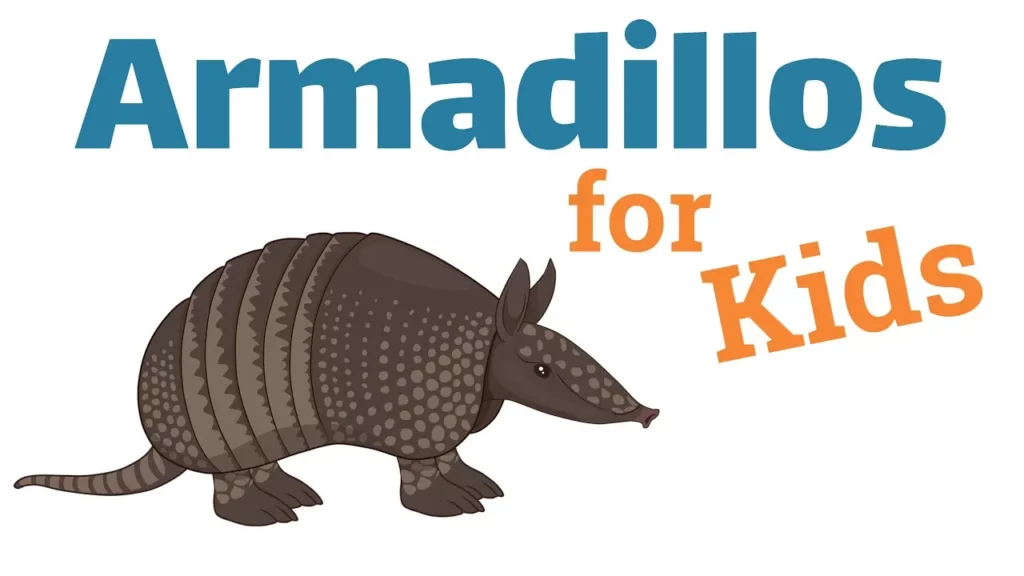
The lesson explores the unique characteristics and behaviors of armadillos, highlighting their protective shells, impressive speed, and dietary habits. It emphasizes their role in controlling insect populations and their adaptability to various habitats, as well as their burrowing behavior for safety and temperature regulation. Overall, the lesson encourages appreciation for these fascinating mammals and the importance of conserving their environments.
Fast Food & Colas

The lesson emphasizes the importance of balancing physical activity with healthy eating for overall well-being. Engaging in outdoor games enhances quick decision-making, physical fitness, and teamwork, while being mindful of sugary drinks and maintaining a balanced diet can prevent health issues like obesity and diabetes. By making healthier choices, individuals can improve their health and contribute to a healthier community.