
Aristotle Biography
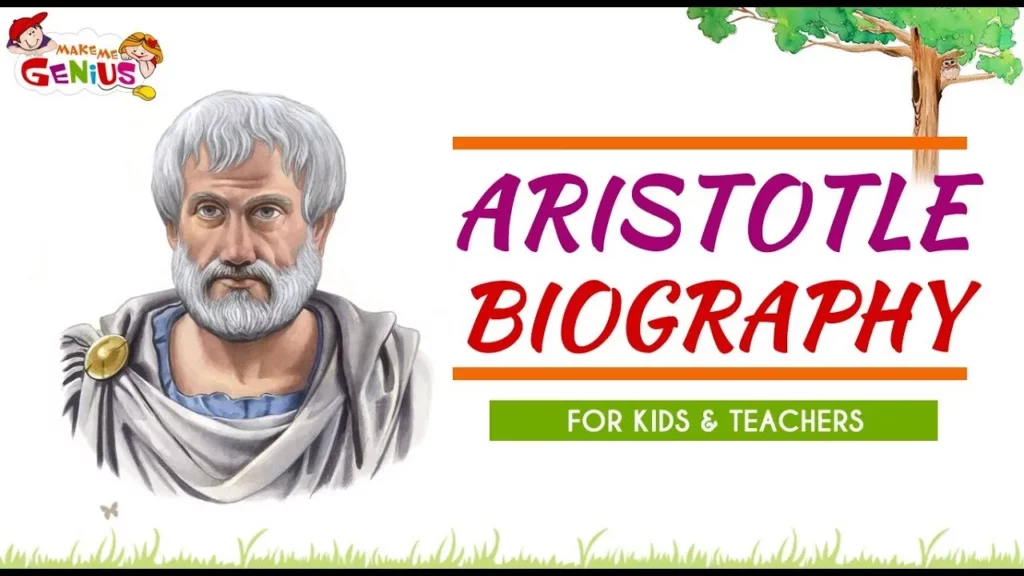
The lesson explores the life and contributions of Aristotle, a pivotal figure in philosophy and science, emphasizing his unique approach to knowledge through observation and experimentation. It highlights his early education at Plato’s Academy, his mentorship of Alexander the Great, and his foundational ideas in natural philosophy, ethics, and logic, which continue to influence modern thought. Ultimately, the lesson encourages reflection on Aristotle’s teachings about seeking wisdom and balance in our lives.
How & Why Rain Happens

This lesson explores the science of rain through a simple home experiment that demonstrates the water cycle’s three key stages: evaporation, condensation, and precipitation. By heating water and observing the formation of steam and droplets, learners can visualize how rain is created, enhancing their understanding of this essential natural process. Additionally, the lesson touches on hail formation, providing a broader context for weather phenomena.
Sense of Touch

The lesson on “Understanding the Sense of Touch” highlights the crucial role of touch in experiencing and interacting with our environment. It explains the structure of the skin, detailing its three layers—epidermis, dermis, and hypodermis—and discusses the four primary sensations of touch: warmth, cold, pressure, and pain. Additionally, it emphasizes the variations in sensitivity across different body parts, illustrating how this sensitivity aids in performing precise tasks and enhancing our overall interaction with the world.
Alexander The Great Biography

The lesson on Alexander the Great highlights his remarkable journey from a young king to one of history’s greatest military leaders, emphasizing his strategic brilliance and cultural impact. Through his conquests, he not only expanded his empire but also fostered a blend of cultures that shaped the ancient world, leading to the Hellenistic era. Alexander’s legacy serves as an enduring source of inspiration, illustrating the importance of ambition, resilience, and innovative thinking in leadership.
Evaporation and Condensation

The lesson on evaporation and condensation explains how water transitions between liquid and gas forms, highlighting their roles in the water cycle. Evaporation occurs when heat causes liquid water to become water vapor, influenced by factors like temperature, surface area, air movement, and humidity. Conversely, condensation happens when water vapor cools and forms liquid droplets, which is essential for cloud formation and precipitation, ultimately impacting weather patterns and supporting life on Earth.
Plant Growth

This lesson emphasizes the essential requirements for healthy plant growth, highlighting the importance of sunlight, water, air, and nutrients. It also underscores the critical role of soil in providing these elements, explaining how different soil types can affect plant health and offering tips for improving soil quality. By understanding these factors, gardeners can create optimal conditions for their plants to thrive.
Mnemonic for Animals Classification

In this lesson, students explore the classification system used by scientists to organize vertebrate animals within the Animalia kingdom. The hierarchical classification includes levels such as kingdom, phylum, class, order, family, genus, and species, each providing a more specific understanding of animal relationships. Understanding this classification is crucial for biodiversity conservation, research, and education about the interconnectedness of life on Earth.
Newton’s 2nd & 3rd Law of Motion
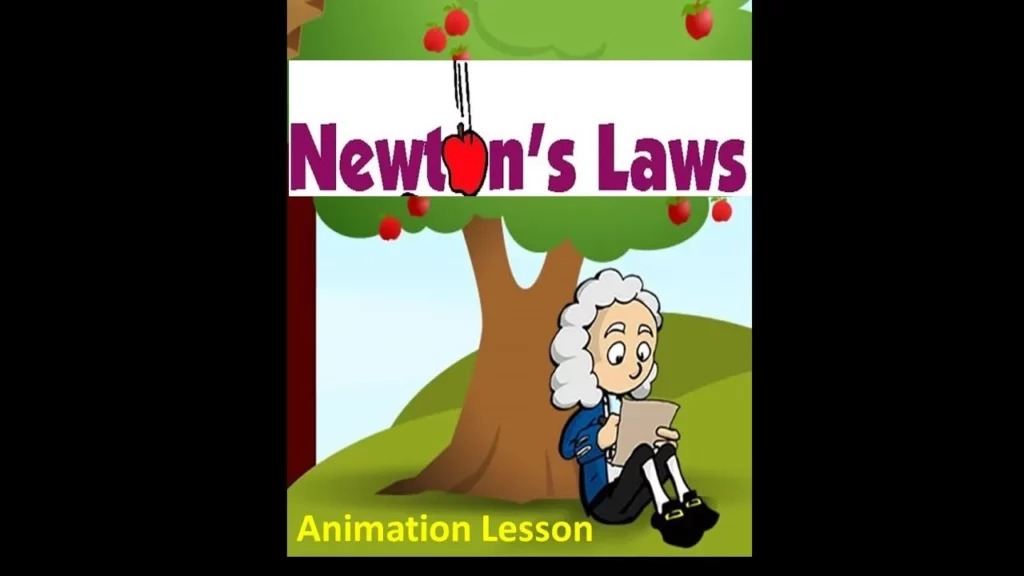
In this lesson on Newton’s Laws of Motion, we explore how forces influence movement, focusing on Newton’s Second and Third Laws. The Second Law explains that acceleration depends on an object’s mass and the force applied, illustrated through examples like swinging, while the Third Law emphasizes that every action has an equal and opposite reaction, demonstrated through everyday activities like riding a bicycle. Together, these laws provide a foundational understanding of motion and force interactions in our daily lives.
Rainforest Lesson

The lesson on rainforests highlights their critical role in maintaining Earth’s health, often referred to as “Earth’s lungs” due to their oxygen production and carbon dioxide absorption. It explores the two main types of rainforests—tropical and temperate—along with their distinct layers, each supporting unique wildlife. Understanding the structure and significance of rainforests is essential for their conservation, as they are vital for biodiversity and climate regulation.
Nitrogen Cycle
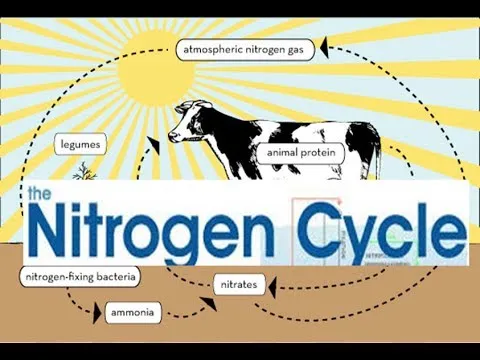
The lesson emphasizes the critical role of nitrogen as an essential element for life, making up about 78% of the atmosphere but requiring conversion through nitrogen fixation for use by living organisms. It explains the processes of nitrogen fixation, including natural methods like lightning and bacteria, and outlines the nitrogen cycle, which illustrates how nitrogen moves through the environment, supporting plant and animal life. Understanding these concepts highlights the interconnectedness of ecosystems and the importance of preserving our environment.