
Cerebellum
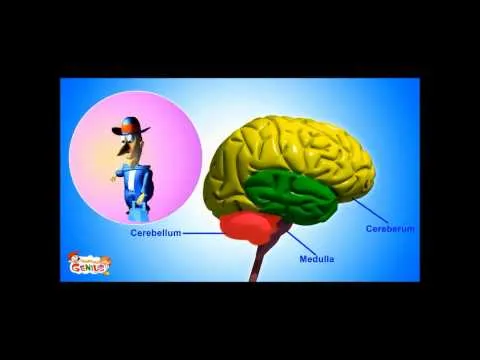
The lesson explores the cerebellum, often referred to as the “little brain,” highlighting its crucial role in movement, balance, and motor learning. Despite its small size, the cerebellum contains more neurons than the rest of the brain combined, making it essential for smooth physical coordination and the acquisition of new skills. Additionally, it may play a significant role in everyday tasks and cognitive functions, underscoring its importance in our daily lives.
Types of Reactions: Chemical and Physical

This lesson explores the distinction between physical and chemical reactions, emphasizing their significance in understanding scientific principles. Physical reactions involve changes in state or appearance without altering the substance’s composition, while chemical reactions result in the formation of new substances through molecular changes. Additionally, the lesson introduces endothermic and exothermic reactions, highlighting how they differ in heat exchange, which further enriches our comprehension of the natural world.
Reflection and Refraction of Light
This lesson explains the concept of refraction, which is the bending of light as it travels from one medium to another, such as from air to water. It highlights how this bending occurs due to differences in the speed of light in various materials, creating optical illusions, like a pencil appearing bent when placed in water. Through a simple experiment, learners can observe refraction firsthand, enhancing their understanding of how light behaves and how it affects our perception of objects.
The Kidneys
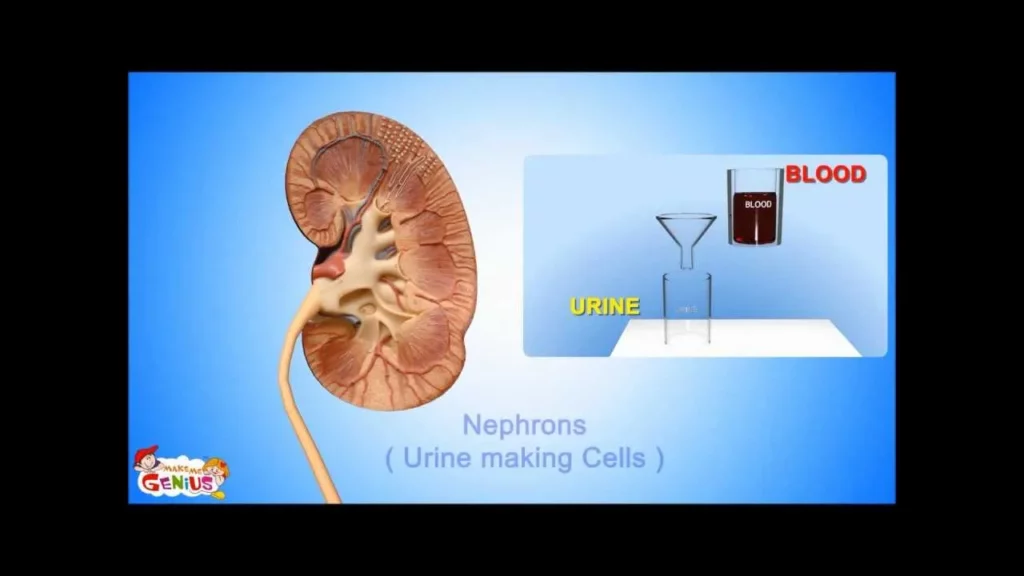
The lesson on the urinary system highlights its crucial role in maintaining the body’s balance by filtering waste and managing fluids. It explains the main components, including the kidneys, ureters, bladder, and urethra, and emphasizes the importance of kidney health through hydration, a balanced diet, exercise, and regular check-ups. Understanding and caring for this system is essential for overall well-being.
Raksha Bandhan & Friendship Day
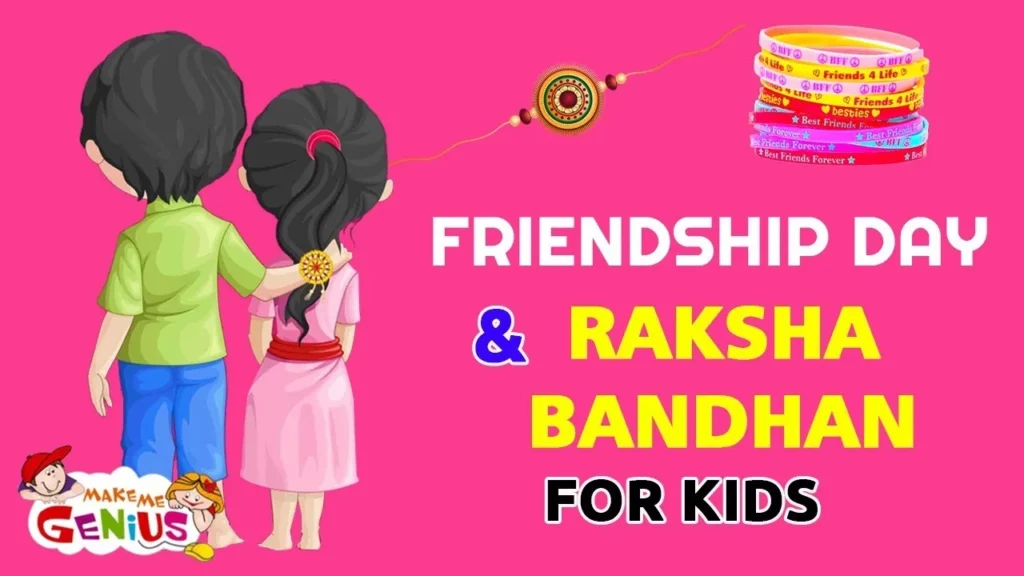
The lesson explores the significance of Raksha Bandhan and Friendship Day, highlighting their shared themes of love, protection, and connection. Raksha Bandhan celebrates the bond between siblings through the ritual of tying a rakhi, while Friendship Day promotes unity and camaraderie among friends. Both occasions encourage individuals to cherish their relationships and contribute to a more harmonious world.
Layers of the Earth
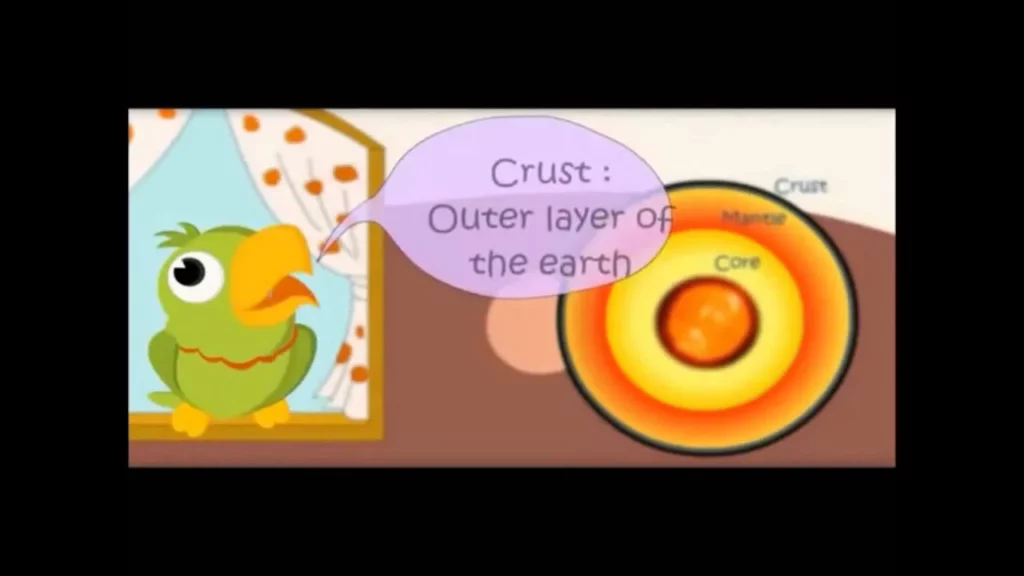
In this lesson, we use an egg as a model to understand the layers of Earth: the shell represents the crust, the egg white symbolizes the mantle, and the yolk illustrates the core. This analogy helps simplify the concept of Earth’s structure, making it easier and more engaging to learn about geology. By relating familiar objects to scientific concepts, we can foster a deeper interest in exploring our planet.
Five Senses – Part 2
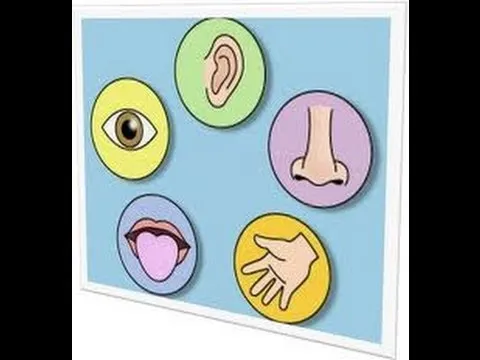
In this lesson, we explored the senses of taste and hearing, highlighting their importance in our daily lives. Taste allows us to enjoy a variety of flavors through our taste buds, while hearing enables us to experience sounds and maintain balance through the intricate structure of our ears. Understanding these senses enhances our appreciation for how our bodies interact with the world around us.
What is Force?
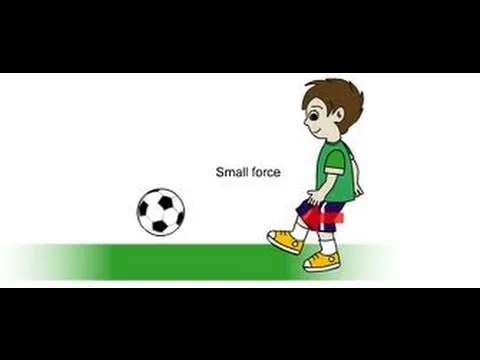
In this lesson, children learn about force, which is the push or pull that helps move or stop objects. The lesson explains different types of force, such as pushing and pulling, and highlights its role in everyday tasks, like moving stones in the garden or stopping a rolling ball. Understanding force is essential for making tasks easier and more efficient, especially during activities like gardening.
Cells in Human Body
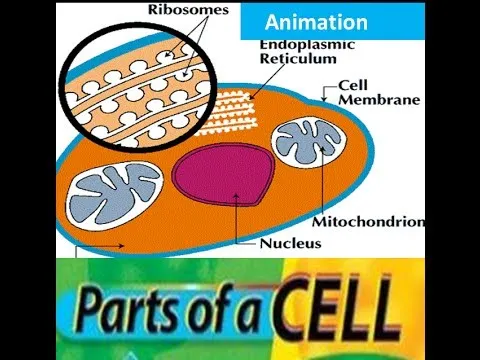
This lesson explores the fundamental role of cells as the building blocks of all living organisms, detailing their structure and key organelles, such as the nucleus, mitochondria, and lysosomes, each with specific functions essential for life. It emphasizes the hierarchical organization of life, where cells form tissues, tissues create organs, and organs work together in systems, highlighting the complexity and interdependence of biological systems. Understanding cells is crucial for advancements in medicine and biology, ultimately enhancing our comprehension of life itself.
Food Pyramid & Nutrition Facts
The lesson on the Food Pyramid emphasizes the importance of a balanced diet for maintaining health. It outlines the structure of the pyramid, highlighting that the base consists of cereals and grains, followed by fruits and vegetables, while fats, oils, and dairy products should be consumed in moderation. By understanding the roles of carbohydrates, vitamins, and minerals, individuals can make informed food choices that promote overall well-being.