
Galileo Galilei Biography

The lesson “Exploring the Night Sky: The Legacy of Galileo Galilei” highlights the significance of Galileo’s contributions to astronomy, particularly through his improvements to the telescope and groundbreaking discoveries, such as the moon’s surface features and the moons of Jupiter. Despite facing opposition from the Church for challenging established beliefs with his heliocentric model, Galileo’s curiosity and perseverance laid the foundation for modern astronomy and inspired future generations to explore the universe. The lesson encourages students to embrace curiosity and continue their own journeys of discovery in science.
Understanding Neurons

The lesson on neurons highlights their essential role as the building blocks of the nervous system, facilitating communication throughout the body. Neurons consist of three main parts: the cell body, dendrites, and axon, each contributing to the transmission of messages via synaptic transmission. Understanding neurons is crucial for grasping how we interact with our environment, perform actions, and engage in complex thought processes, as well as for advancing research on brain disorders.
Simple Machines – Screw

The lesson on simple machines focuses on the screw, a fundamental fastener characterized by its spiral thread that provides a strong hold compared to nails. Screws are versatile tools used in various applications, including hanging objects, operating mechanical devices like screw jacks, and constructing sturdy connections in building projects. Understanding screws and other simple machines reveals their significant impact on everyday tasks and demonstrates how basic concepts can lead to powerful solutions.
Digestive System
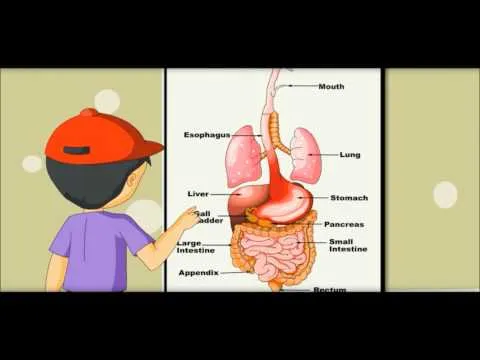
The lesson explores the human digestive system, highlighting its role in breaking down food and absorbing essential nutrients. It takes students on a journey starting from the mouth, where food is chewed and mixed with saliva, through the esophagus, stomach, small intestine, and large intestine, illustrating how each part contributes to digestion and waste elimination. By understanding this process, students learn the importance of healthy eating for optimal digestive health.
What is Solid, Liquid, Gas?

This lesson introduces the three states of matter: solid, liquid, and gas, highlighting their unique characteristics and behaviors. Solids maintain a fixed shape due to tightly packed molecules, liquids adapt to the shape of their container while having a fixed volume, and gases fill any available space with freely moving molecules. Additionally, the lesson covers the transitions between these states, such as melting, freezing, evaporation, and condensation, emphasizing the importance of understanding matter in our everyday lives.
Muscular System

The lesson on the human muscular system highlights the importance of muscles in our body, categorizing them into three main types: smooth, cardiac, and skeletal muscles, each with distinct functions. It emphasizes the necessity of maintaining muscle health through regular exercise, a balanced diet, and hydration to ensure overall well-being and optimal muscle performance. Understanding these aspects helps us appreciate the vital role muscles play in our daily activities and overall health.
Plants Show Movement

This lesson explores the intriguing movements of plants, focusing on sunflowers and the touch-me-not plant. Sunflowers exhibit heliotropism by tracking the sun’s movement to maximize sunlight for photosynthesis, while the touch-me-not plant quickly folds its leaves in response to touch as a defense mechanism. Understanding these movements highlights the complexity of plant life and their adaptations for survival.
Nelson Mandela

The lesson on Nelson Mandela highlights his remarkable journey from a young boy in a small village to a global symbol of justice and equality. It emphasizes the importance of education, resilience in the face of adversity, and the power of forgiveness, illustrating how Mandela’s unwavering commitment to fighting apartheid and advocating for human rights transformed South Africa and inspired the world. His legacy serves as a reminder that one individual’s determination can lead to significant societal change.
Steve Jobs
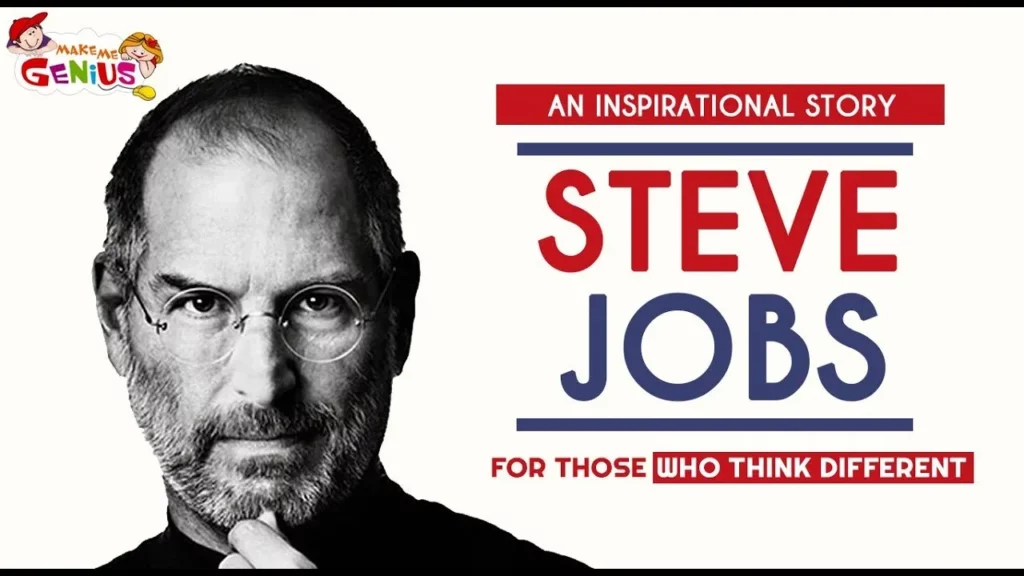
The lesson explores the significant impact of Steve Jobs on technology and innovation, highlighting his journey from a curious child to a visionary leader who co-founded Apple. It details his key contributions, including the development of the Apple II, iMac, iPod, iTunes, iPhone, and iPad, which transformed personal computing and communication. Despite facing setbacks, Jobs’ relentless pursuit of creativity and excellence continues to influence the tech industry today.
Endocrine System
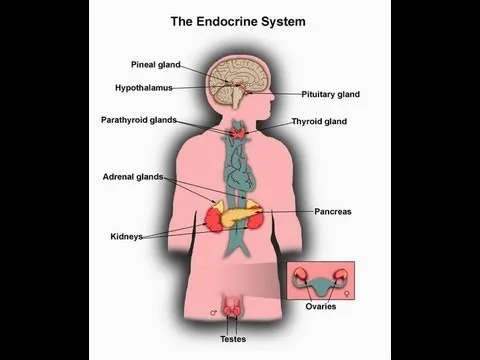
The lesson on the endocrine system highlights its crucial role as the body’s “silent conductor,” coordinating various functions through hormones produced by key glands. It explains how these hormones regulate growth, metabolism, mood, and reproductive health, emphasizing the importance of maintaining hormonal balance for overall well-being. Understanding the endocrine system can empower individuals to adopt healthier lifestyles that support its vital functions.