
Thanksgiving 2020
The lesson on Thanksgiving explores its historical origins, beginning with the Pilgrims’ arrival in America in the early 1600s and their subsequent celebration of a successful harvest with the Wampanoag tribe, which is often regarded as the first Thanksgiving. It highlights the role of Squanto in helping the Pilgrims survive and thrive, as well as the evolution of Thanksgiving into a national holiday, emphasizing modern traditions of gratitude, family gatherings, and community support. Overall, Thanksgiving serves as a reminder to appreciate the good in our lives and foster connections with others.
Acids and Bases
This lesson explores the concepts of acids and bases, highlighting their presence in everyday life, such as in fruits and cleaning products. It explains how to identify acids and bases using the pH scale and litmus paper, emphasizing the chemical properties that give substances their characteristic tastes and behaviors. By understanding these concepts, we gain insight into both scientific principles and the world around us.
Nutrition (Food) Table
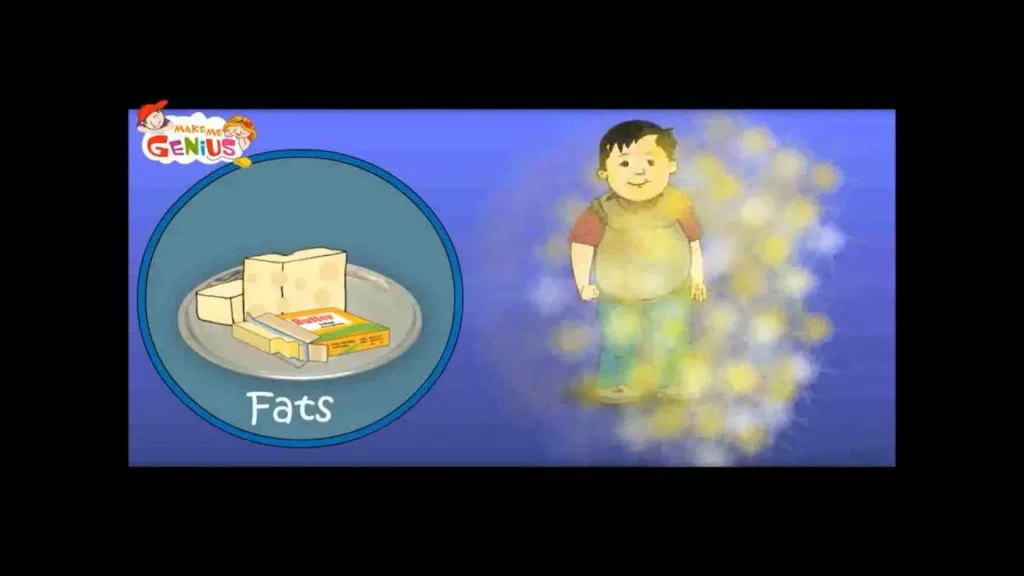
The lesson emphasizes the essential role of food in providing energy and nutrients necessary for growth, play, and overall health. It introduces the five main food types—carbohydrates, fats, proteins, vitamins and minerals, and water—each contributing uniquely to our well-being. By understanding the food pyramid and the importance of a balanced diet, we can make informed choices to maintain a healthy lifestyle.
Soil Erosion Causes & Conservation
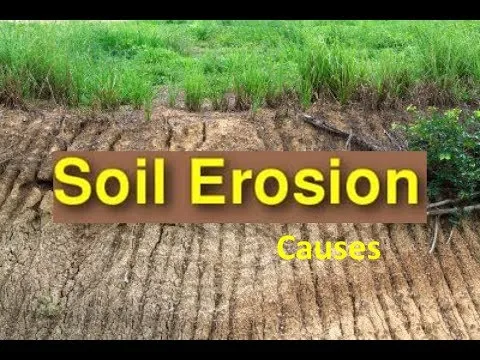
This lesson emphasizes the critical role of soil and plants in food production, highlighting that all food originates from plants that grow in nutrient-rich topsoil. With only a small fraction of the Earth’s land suitable for agriculture and threats like soil erosion jeopardizing topsoil, it is essential to adopt conservation practices to protect these resources. By understanding and caring for our soil and plants, we can ensure sustainable food production for the growing global population.
Frog Life Cycle
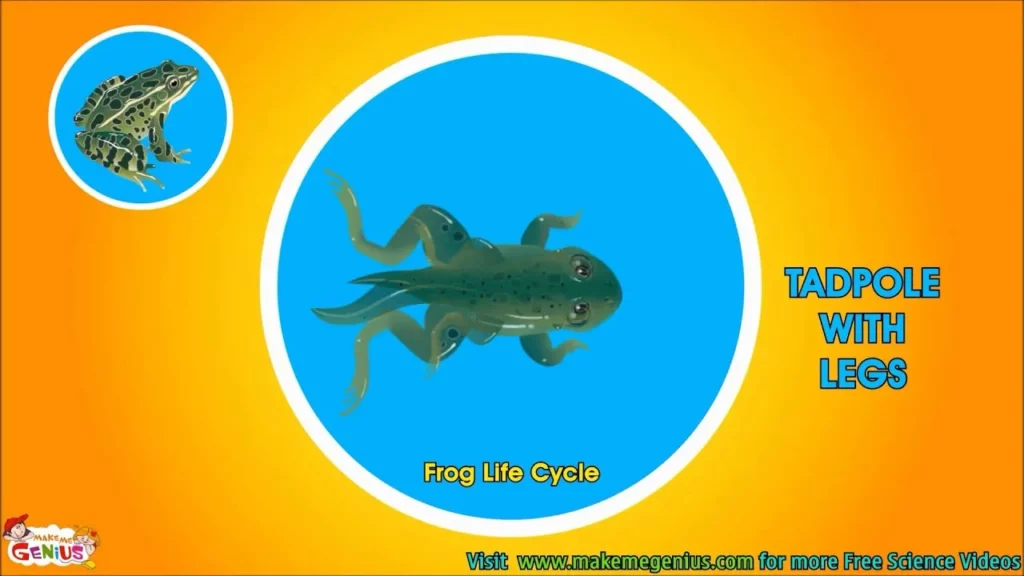
The lesson explores the life cycles of living things, emphasizing the stages from birth to adulthood and the transformations that occur along the way. Using frogs as a specific example, it illustrates the complexity of life cycles, highlighting the importance of these processes for ecological balance, biodiversity, and conservation efforts. Understanding life cycles not only reveals the beauty of nature but also underscores the interconnectedness of all living organisms.
Living and Nonliving Things
The lesson on “Understanding Living and Non-Living Things” teaches us how to distinguish between living and non-living entities based on their unique characteristics. Living things can perform functions such as nutrition, respiration, movement, growth, and responding to stimuli, while non-living things lack these abilities. Recognizing these differences enhances our appreciation of life and encourages curiosity about the natural world.
Mother Teresa
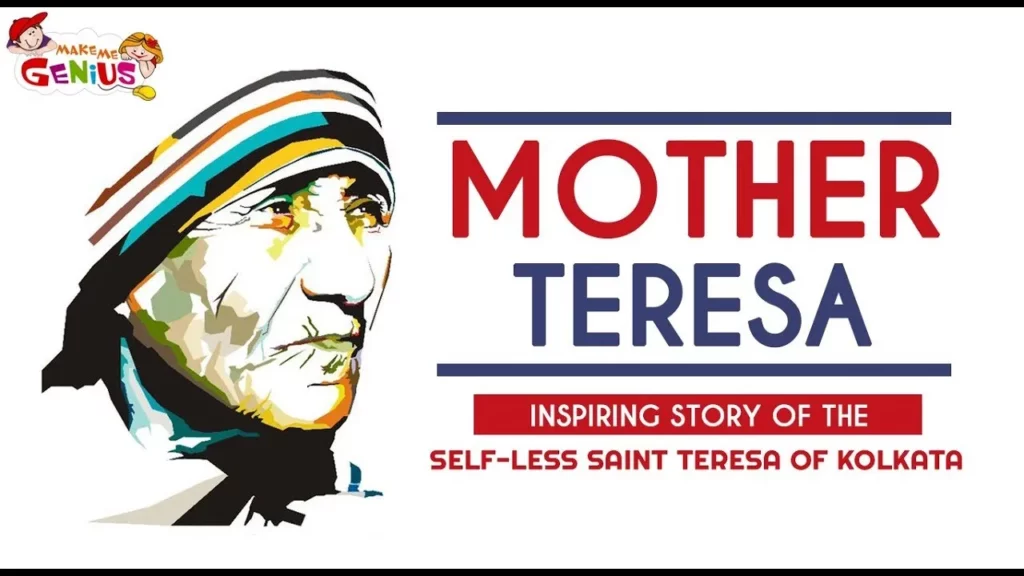
The lesson on Mother Teresa highlights her remarkable journey from a compassionate child in Macedonia to a globally recognized humanitarian dedicated to serving the poorest of the poor. Through her founding of the Missionaries of Charity and her extensive humanitarian efforts, she demonstrated the profound impact of selflessness and kindness, ultimately earning her canonization as Saint Teresa of Kolkata. Her legacy continues to inspire individuals to engage in acts of compassion and service, illustrating that even small gestures can lead to significant change in the world.
What is Temperature?
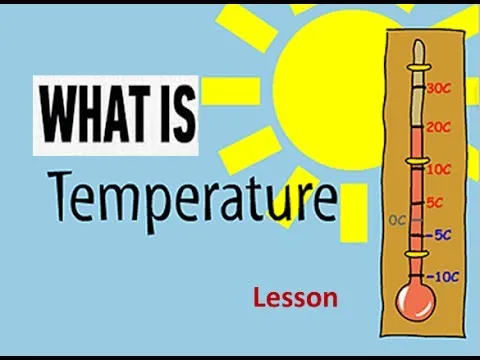
The lesson on “Understanding Temperature and How It Affects Us” explores the significance of temperature in our daily lives, including how it is measured using tools like mercury thermometers. It highlights the principles of expansion and contraction, the impact of temperature on materials and health, and the importance of maintaining appropriate temperatures for safety and comfort. Overall, understanding temperature is crucial for various aspects of life, from healthcare to engineering.
Solid Liquid Gas
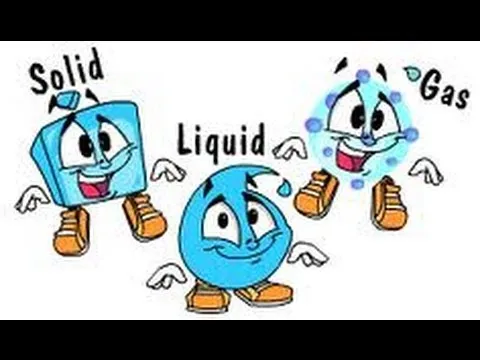
This lesson introduces the three states of matter: solid, liquid, and gas, highlighting their distinct characteristics and behaviors. Solids maintain a definite shape and size with tightly packed particles, liquids take the shape of their containers while having a fixed volume, and gases expand to fill any space with widely spaced particles. Additionally, the lesson explains how matter can transition between these states through processes like melting, freezing, evaporation, and condensation, emphasizing the complexity and wonder of the universe.
How a Rainbow is Formed

This lesson explores the science behind rainbows, explaining how they are formed through the processes of refraction and dispersion of light. It highlights that rainbows consist of seven colors, remembered by the acronym ROYGBIV, and describes how both prisms and raindrops act as natural prisms to split white light into these colors. Ultimately, the lesson emphasizes the beauty of rainbows and the fascinating science that creates them.