
Screw

This lesson introduces simple machines, focusing on screws as a key example. It explains how the twisted design of screws, with their grooves, enables them to securely hold objects together and perform various tasks, such as hanging items and lifting heavy loads. Ultimately, the lesson highlights the significance of simple machines in everyday life and their role in making work easier and more efficient.
Road Safety & Traffic Rules

The lesson on “Understanding Road Safety and Traffic Rules” emphasizes the importance of following traffic signals, safe practices in vehicles, pedestrian safety, and recognizing road signs to ensure safety for everyone, especially children. Key points include the meanings of traffic light colors, the necessity of wearing seat belts, and the importance of using crosswalks and looking both ways before crossing the street. By adhering to these guidelines, we can help create a safer environment on the roads.
Our Brain
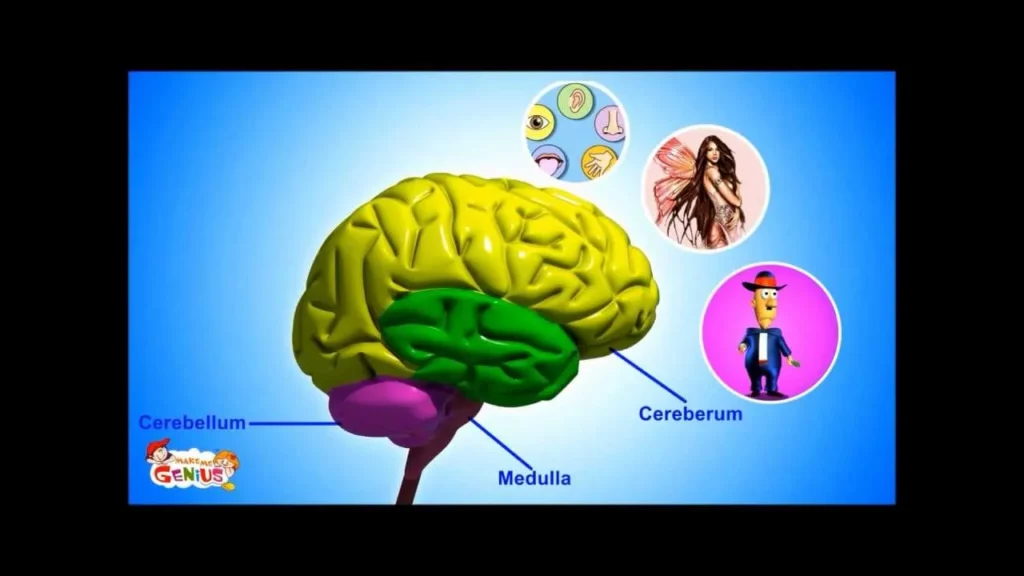
The lesson explores the structure and functions of the human brain, highlighting its three main parts: the cerebrum, cerebellum, and medulla. The cerebrum serves as the command center for sensation, cognition, and imagination; the cerebellum is crucial for balance, coordination, and emotional regulation; and the medulla regulates vital autonomic functions like breathing and heartbeat. Understanding these components enhances our appreciation of the brain’s complexity and its essential role in our daily lives.
Pollination Process in Plants

The lesson emphasizes the significance of flower brightness in attracting pollinators, such as bees and butterflies, which play a vital role in the pollination process necessary for plant reproduction. It explains how pollination occurs when pollen is transferred from the male to the female parts of flowers, leading to seed development and the growth of new plants. Ultimately, the lesson highlights the interconnectedness of nature and the importance of protecting pollinators to maintain healthy ecosystems.
Earth Atmosphere & Layers
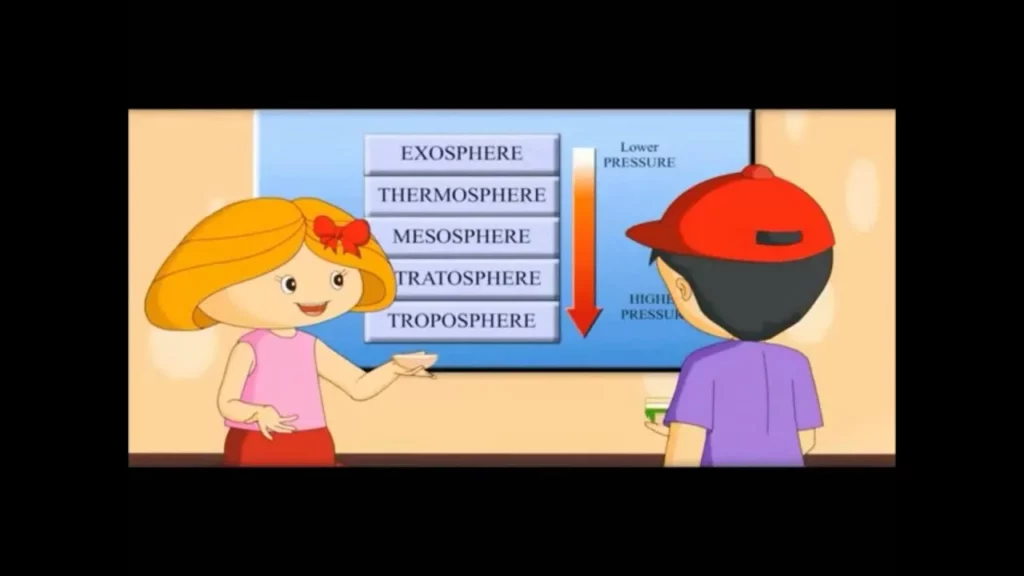
In the lesson “Discovering Air on Earth,” students explore the composition of air, which consists mainly of nitrogen and oxygen, and learn about the five layers of the atmosphere, each with unique characteristics. The lesson also covers the concepts of air pressure and density, illustrating how these factors influence weather and climate. Through engaging explanations and a hands-on experiment, learners gain a deeper appreciation for the importance of air and the atmosphere in sustaining life on Earth.
Seed Parts and Functions
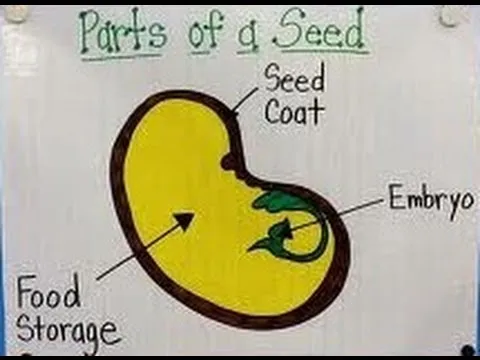
The lesson “Discovering the Wonderful World of Seeds” highlights the significance of seeds in nature, emphasizing their three essential parts: the protective seed coat, the nutrient-rich endosperm, and the embryo that develops into a plant. It explains the germination process, where seeds sprout under the right conditions, and underscores the ecological importance of seeds in promoting biodiversity and supporting wildlife. Ultimately, the lesson encourages appreciation for seeds and the vital role they play in sustaining plant life and healthy ecosystems.
Newton’s Laws of Motion

In this lesson, we explored Newton’s three laws of motion, which explain the principles governing movement. The first law, known as the law of inertia, states that objects remain at rest or in uniform motion unless acted upon by an external force. The second law connects force, mass, and acceleration through the formula \( \text{Force} = \text{Mass} \times \text{Acceleration} \), while the third law emphasizes that every action has an equal and opposite reaction, illustrating the fundamental interactions between objects in motion.
Volcano Eruption

In this lesson, we explore the Earth’s internal structure, which consists of three main layers: the crust, mantle, and core, each playing a unique role in the planet’s dynamics. We learn how scientists gather information about these layers through the study of volcanic activity and lava, which provide insights into the materials and processes occurring beneath the surface. Understanding the Earth’s interior is crucial for comprehending natural phenomena like earthquakes and volcanoes, as well as for managing Earth’s resources effectively.
Dew in the Morning

This lesson explains the process of condensation, highlighting how dew drops form when water vapor in the air cools and turns into liquid water on surfaces like grass. It emphasizes the importance of temperature in this process and discusses the ecological benefits of dew, particularly its role in providing moisture to plants in dry environments. Understanding these concepts enhances our knowledge of the water cycle and encourages curiosity about science and nature.
Human Teeth Types

In this lesson, we explored the importance of teeth, learning about the two sets we have in our lifetime: baby teeth and adult teeth. We identified the five main types of teeth—incisors, canines, premolars, molars, and wisdom teeth—along with their specific functions in helping us chew and digest food. Additionally, we discussed the significance of dental hygiene in maintaining healthy teeth and the uniqueness of each person’s smile.