
Potential and Kinetic Energy
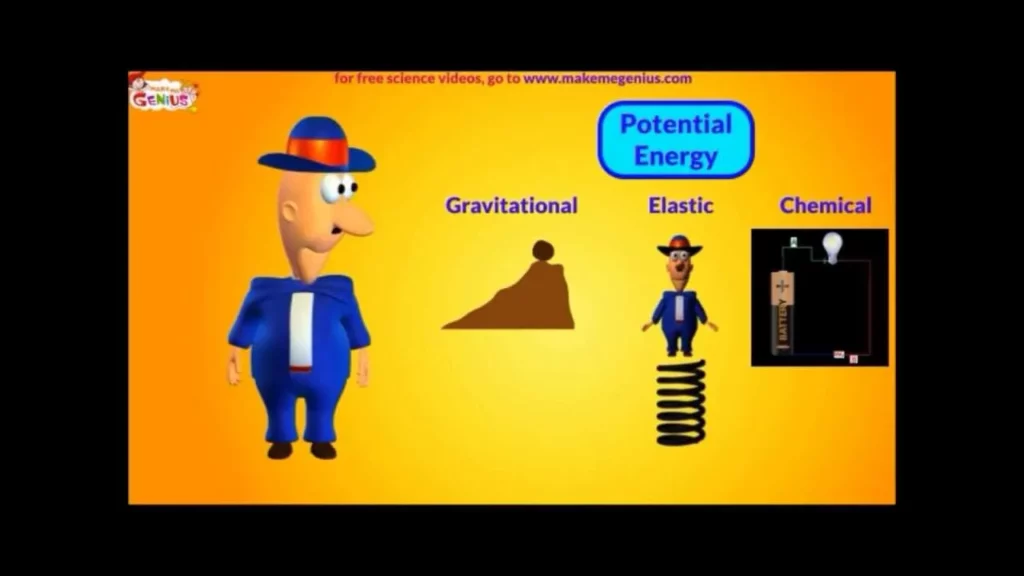
The lesson on “Understanding Energy: The Basics” introduces the concept of energy, emphasizing its significance in our world and the universe. It explains the law of conservation of energy, which states that energy cannot be created or destroyed, only transformed or stored, and distinguishes between potential energy—stored energy based on position or condition—and kinetic energy—the energy of movement. By exploring these concepts, the lesson highlights the importance of understanding energy in both nature and technology, as well as the necessity of energy conservation.
Nitrogen Cycle & Nitrogen Fixation

The lesson on nitrogen emphasizes its critical role as an essential element for life, highlighting that while nitrogen makes up 78% of the air, it must undergo a process called nitrogen fixation to become usable by living organisms. The nitrogen cycle illustrates how nitrogen moves through the environment, from the air to the soil, plants, and animals, and back again, showcasing the interconnectedness of all life forms and the importance of maintaining a healthy ecosystem. Understanding this cycle not only underscores the significance of nitrogen for growth and survival but also encourages environmental stewardship.
Albert Einstein
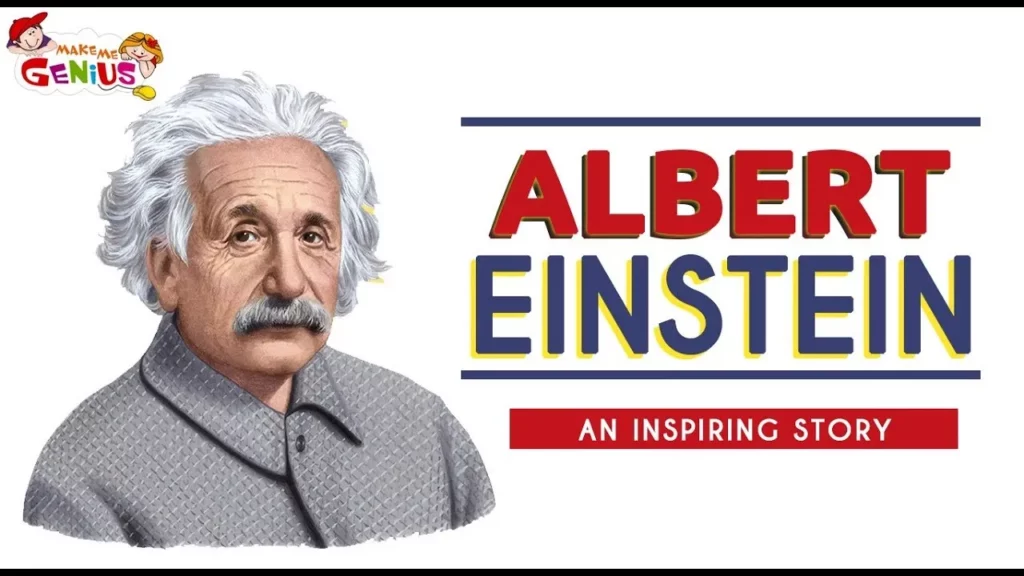
The lesson on Albert Einstein highlights his remarkable journey from a curious child in Germany to a groundbreaking physicist known for his theory of relativity. Despite facing educational challenges and initial setbacks in his career, Einstein’s passion for understanding the universe led to significant scientific contributions, including winning the Nobel Prize in 1921. His life story serves as an inspiration to pursue one’s interests and persevere through difficulties, emphasizing the value of curiosity and determination.
Modes (Means) of Transport
The lesson on “Understanding Modes and Means of Transport” explores the various categories of travel, which include land, water, and air transport, each with its own specific vehicles. It highlights the evolution of transport from walking to advanced technologies like airplanes, emphasizing the importance of knowing different transport options to enhance our travel experiences. Understanding these modes helps us appreciate the benefits and advancements in transportation over time.
Teeth
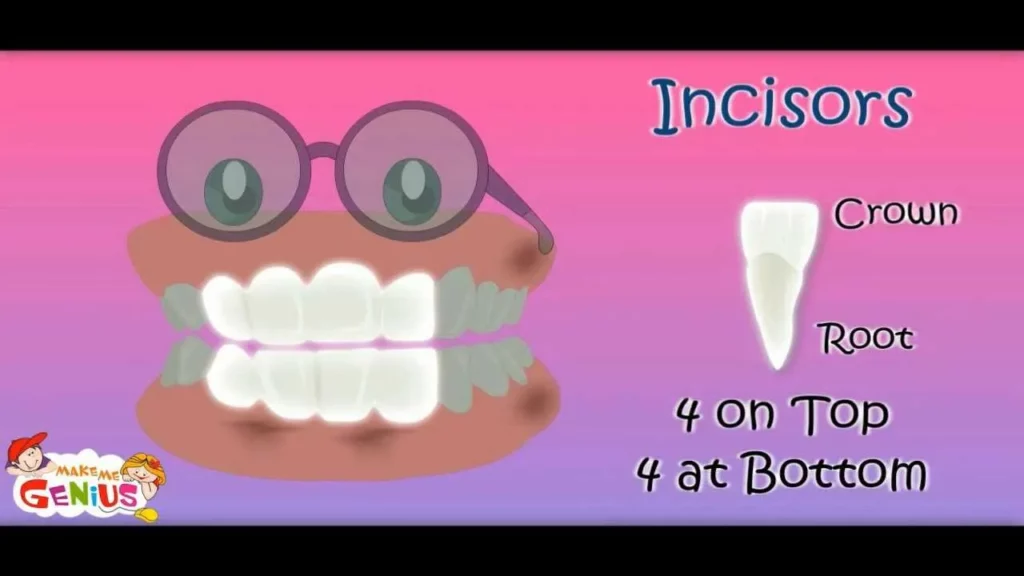
This lesson emphasizes the significance of teeth in our daily lives, highlighting their roles in eating, speaking, and digestion. It covers the transition from baby teeth to adult teeth, detailing the different types of teeth—incisors, canines, premolars, molars, and wisdom teeth—and their specific functions. The lesson concludes by stressing the importance of dental health practices, such as regular dental visits and proper oral hygiene, to maintain strong and healthy teeth throughout life.
What is a Magnetic Field?
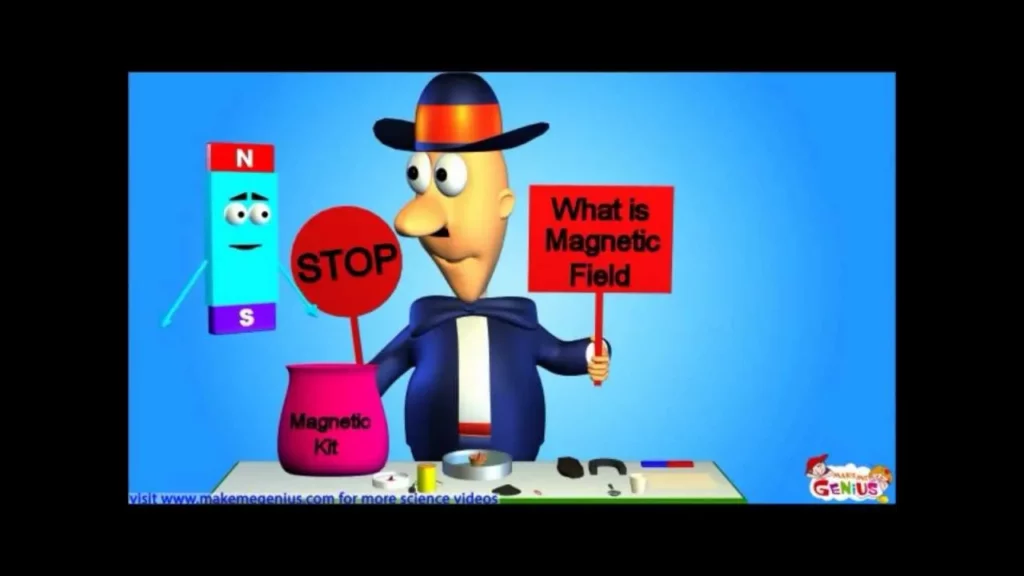
This lesson introduces the concept of magnetic fields, explaining that they are invisible forces surrounding magnets that enable them to attract or repel other magnetic objects. Through simple experiments and activities, such as observing the attraction of a nail to a magnet and visualizing magnetic lines of force with iron filings, learners gain insight into how magnetic fields operate and their significance in various applications, from everyday gadgets to advanced technology. Understanding these principles is essential for exploring the broader implications of magnetism in science and industry.
Our Teeth
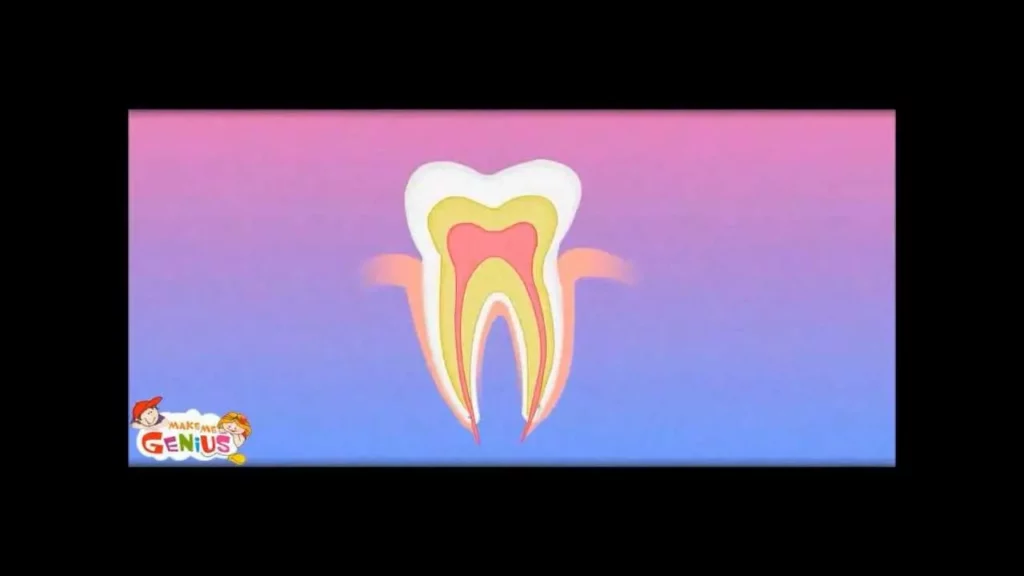
The lesson on “Understanding Teeth: Types, Functions, and Care” emphasizes the significance of teeth in daily activities like eating and speaking, while introducing the two sets of teeth humans have: baby teeth and adult teeth. It details the five main types of adult teeth—incisors, canines, premolars, molars, and wisdom teeth—along with their specific functions, and highlights the importance of dental care practices such as brushing, flossing, and regular dental check-ups to maintain strong and healthy teeth.
Gravity for Kids – Part 2
The lesson on “Understanding Gravity: The Legacy of Isaac Newton” explores the fundamental force of gravity, which pulls objects toward each other and is crucial for maintaining planetary orbits. It highlights Isaac Newton’s groundbreaking insights, including his law of universal gravitation, which states that the strength of gravitational attraction depends on the mass of objects and their distance apart. Through simple experiments and observations, the lesson emphasizes the importance of Newton’s contributions to our understanding of gravity and its effects on motion in the universe.
Kinetic and Potential Energy
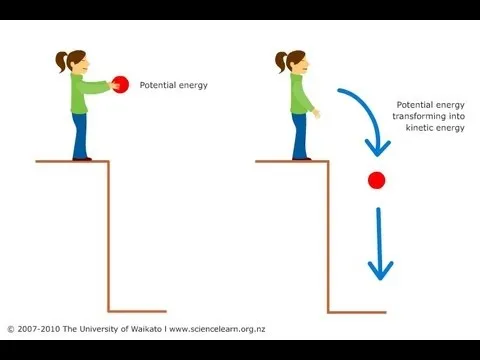
The lesson “Understanding Energy: The Basics” introduces the concept of energy as the ability to do work or cause change, highlighting its various forms, including solar, wind, hydraulic, and muscle energy. It explains the Law of Conservation of Energy, emphasizing that energy can only transform from one type to another or transfer between objects. The lesson further distinguishes between potential energy, which is stored energy based on position or composition, and kinetic energy, the energy of movement, illustrating these concepts with relatable examples like a pendulum and a falling rock.
Seed Dispersal Methods and Types

The lesson “The Journey of Seeds: Nature’s Adventurers” explores the fascinating ways seeds disperse to ensure their survival and growth. It highlights the importance of seed dispersal methods, such as wind, animal, and water transport, as well as the essential conditions for germination, including sunlight, moisture, nutrients, and temperature. Ultimately, the lesson emphasizes the interconnectedness of plants, animals, and the environment, underscoring the need to protect natural habitats to support these vital processes.