
Digestive System
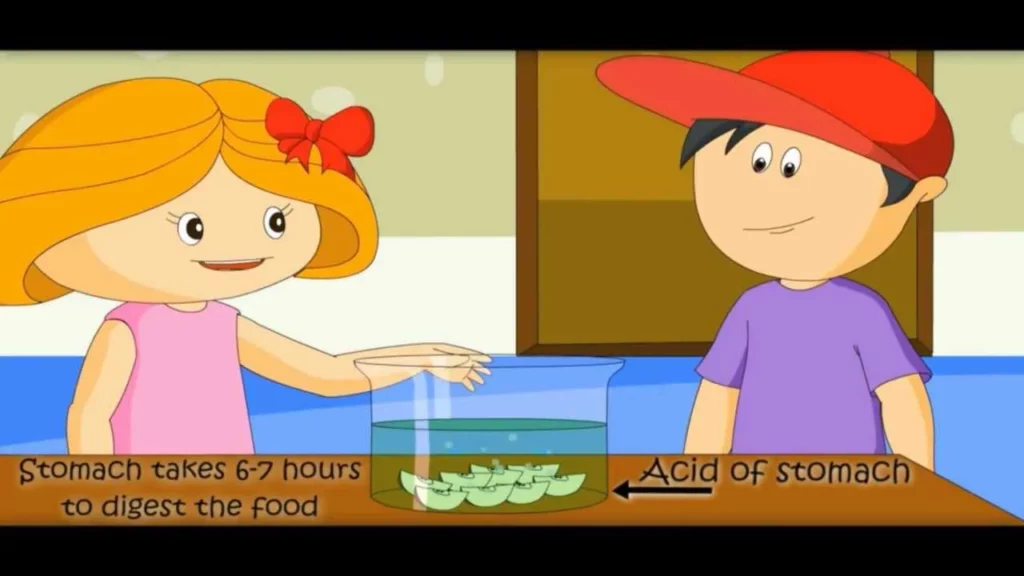
The lesson explores the fascinating journey of an apple through the human digestive system, highlighting the roles of various organs in breaking down food and absorbing nutrients. It begins in the mouth, where chewing and saliva initiate digestion, continues through the esophagus and stomach for further breakdown, and culminates in the small intestine, where nutrient absorption occurs. Finally, the lesson emphasizes the importance of a balanced diet for maintaining a healthy digestive system and overall well-being.
The Skeletal System
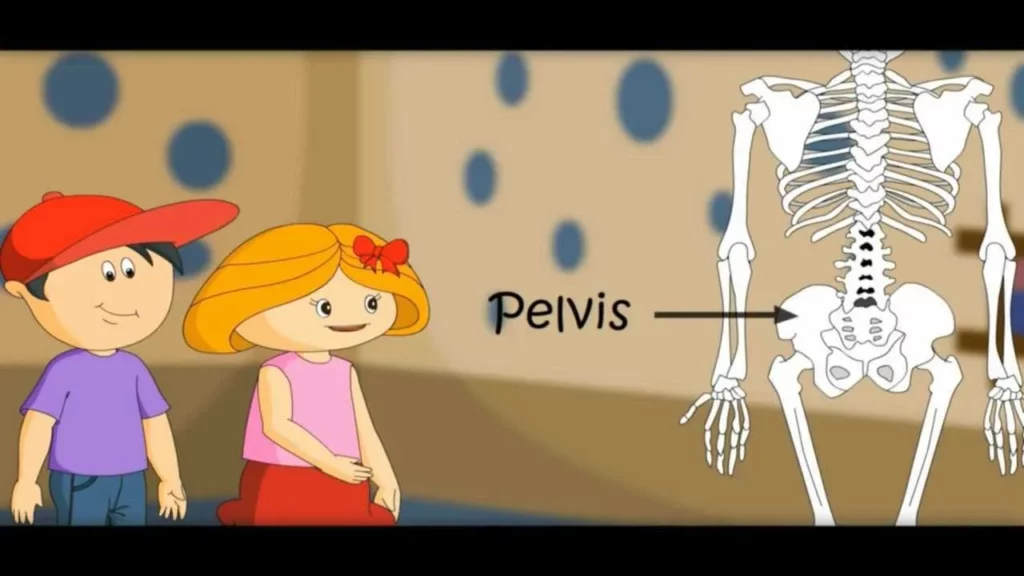
The lesson on the human skeleton highlights its structure, functions, and the importance of maintaining bone health. It explains that adults have 206 bones, which serve vital roles such as support, protection, movement, mineral storage, and blood cell production. To keep bones strong, it emphasizes the need for a diet rich in calcium and vitamin D, along with regular exercise.
Parts Of A Flowers And Their Functions for kids
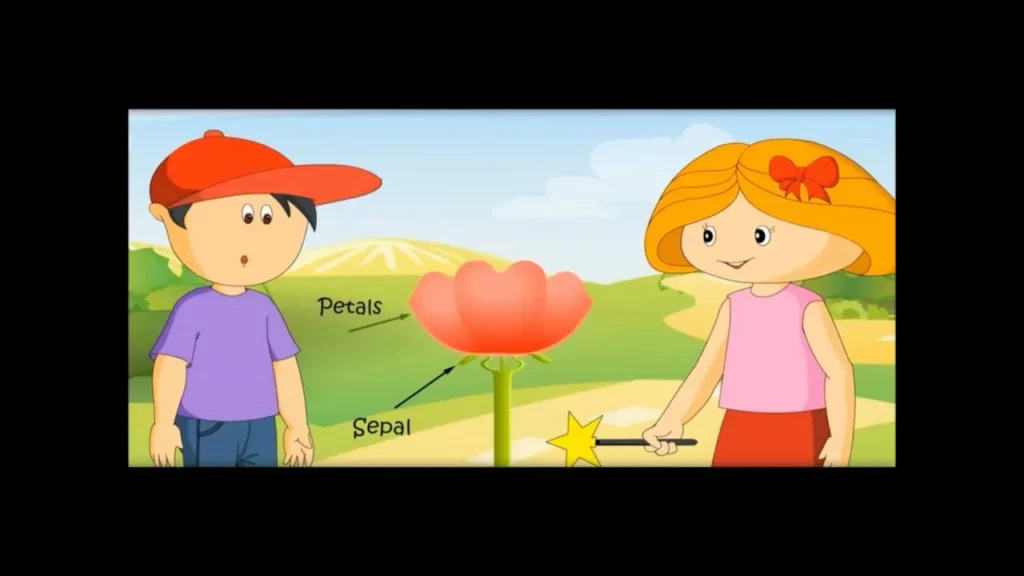
In this lesson, we explore the vital role flowers play in nature, highlighting their beauty and importance in plant reproduction. We learn about the different parts of a flower, including petals, stamens, pistils, and nectar, each contributing to attracting pollinators and facilitating the production of seeds and fruits. Understanding these elements enhances our appreciation for flowers and their essential relationship with the ecosystem.
Germs Movie for Kids Virus & Bacteria Introduction
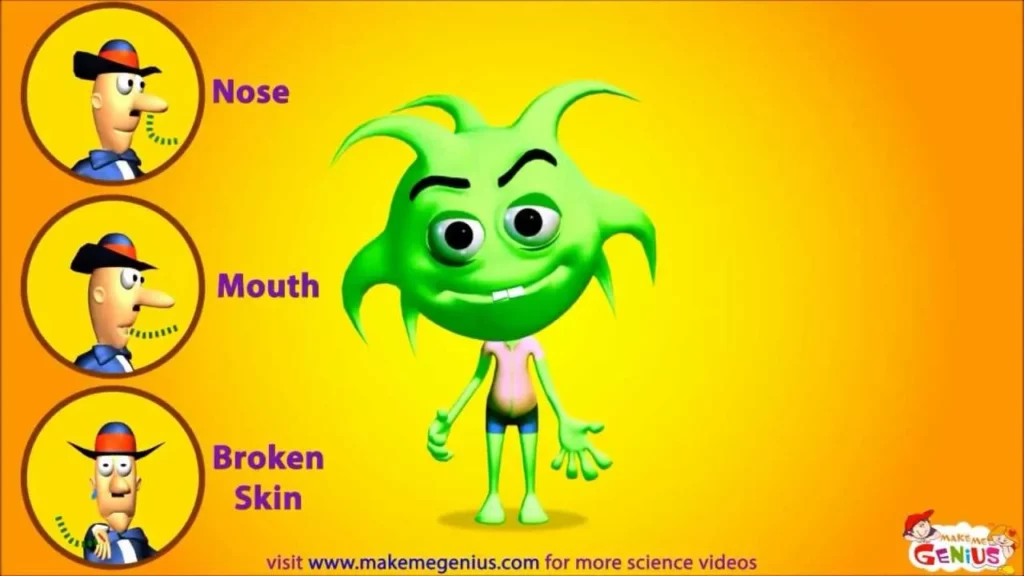
The lesson “Understanding Microbes: The Tiny Warriors of Health” explores the dual nature of microbes, highlighting that while some can cause illness, many are beneficial and essential for processes like digestion and food production. It emphasizes the importance of the immune system in defending against harmful microbes and outlines preventative measures, such as hand hygiene and vaccinations, to maintain health. By understanding microbes, we can make informed choices to protect ourselves and promote overall well-being.
What are Meridians of Longitude
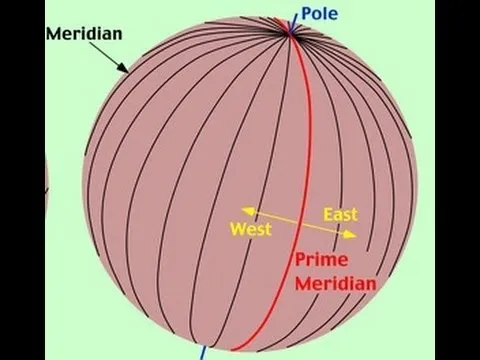
The lesson on meridians of longitude explains their role as imaginary lines that extend from the North Pole to the South Pole, helping to measure distances east and west from the Prime Meridian. It highlights the differences between meridians and parallels of latitude, emphasizing the importance of meridians in navigation, geography, and the establishment of time zones. Overall, understanding meridians is essential for appreciating the complexities of Earth’s geography and navigation.
The Emperor’s New Clothes – Hans Christian Andersen Fairy Tales
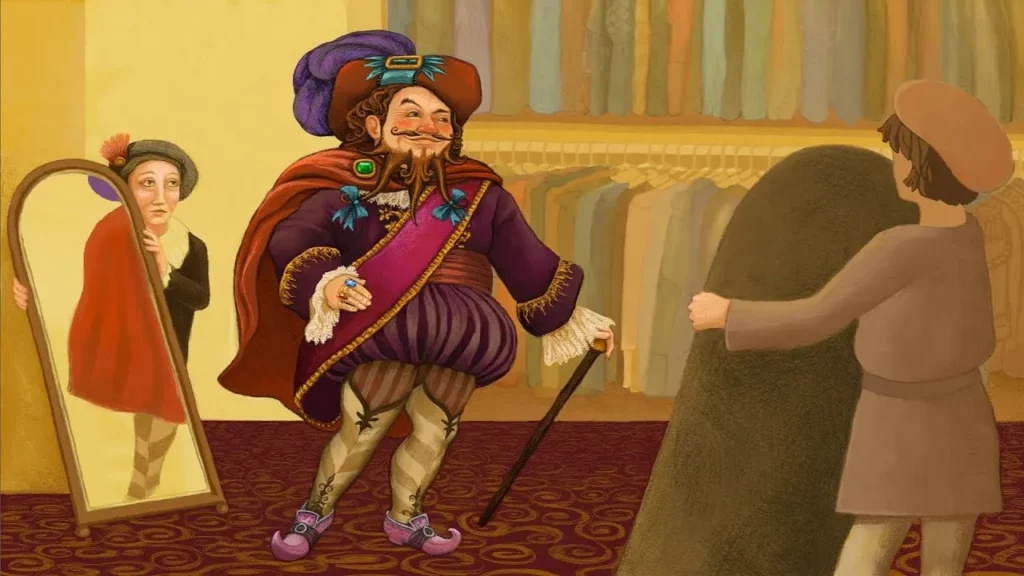
“The Emperor’s New Clothes” by Hans Christian Andersen is a cautionary tale about vanity and the importance of truth. The story follows an emperor obsessed with fashion who is deceived by two tricksters claiming to make invisible clothes that only the wise can see. Ultimately, it is a child’s honest remark that reveals the truth, highlighting lessons about the dangers of pride, the necessity of speaking up, and the value of independent thinking.
DIY Slime for Kids – How to Make Slime (Oobleck) – Science Experiments to do at Home
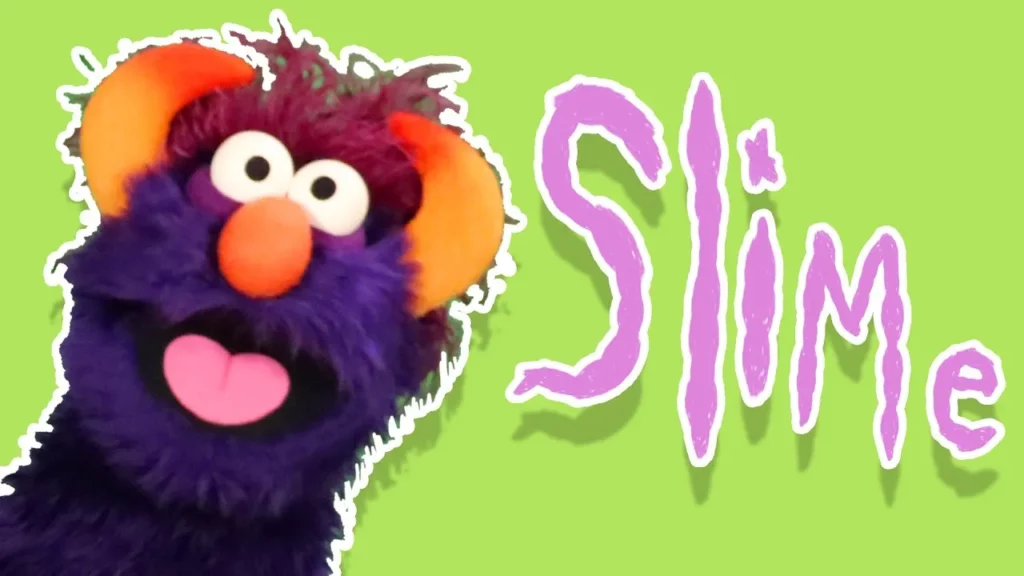
In this lesson, kids learn how to make homemade slime while exploring the science behind it, specifically the concept of non-Newtonian fluids like Oobleck. The step-by-step instructions guide them through mixing glue, water, and liquid starch, with optional add-ins for color and sparkle, while emphasizing the importance of adult supervision. This fun experiment not only fosters creativity but also introduces basic chemistry and physics concepts.
Dinosaurs for Kids – Fossils for Kids – Stegosaurus
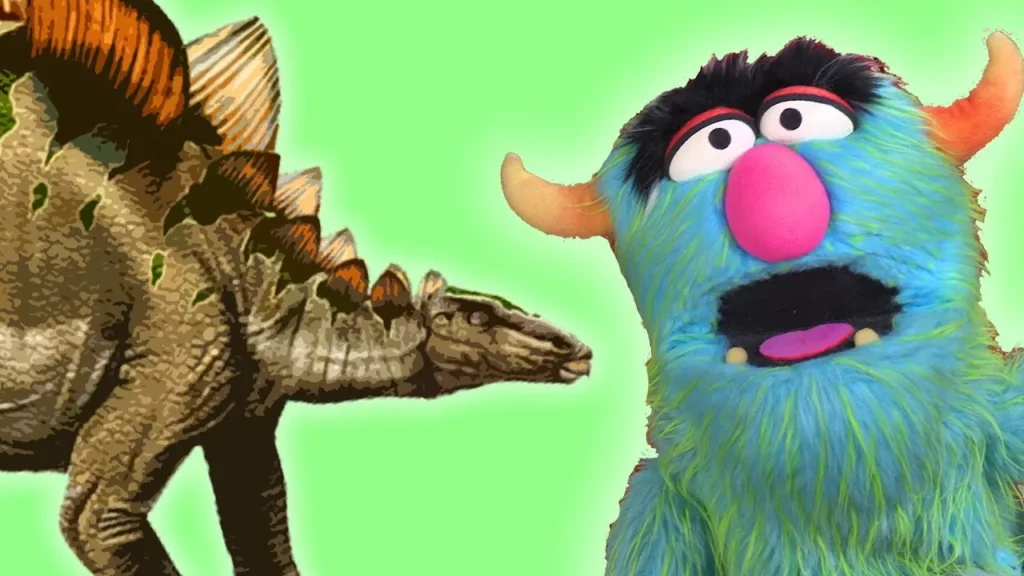
In today’s lesson, students embarked on an engaging exploration of dinosaurs, focusing on the Stegosaurus and its impressive size, while also learning the meaning of the word “dinosaur.” Through interactive activities like the Mystery Box Challenge and a hands-on fossil discovery experiment, children developed critical thinking and scientific skills. The lesson emphasized the importance of curiosity and encouraged students to continue asking questions about the world around them.
Phonics Reading Lesson 7..Ii..(short i)
In today’s lesson, we focused on the sound “iii,” which is essential for reading and pronouncing words correctly. Students practiced saying the sound, identified it in various words, and learned to articulate these words slowly and quickly to enhance their reading skills. Continued practice with the “iii” sound, along with other sounds, will help students improve their overall reading abilities.
Socratica Kids – Science for Kids
Socratica Kids is an engaging platform designed to make learning science fun and interactive for children. Through games like “What’s in the Mystery Box?”, special guest appearances, and safe at-home experiments, it encourages curiosity and hands-on learning while emphasizing safety. This approach not only prepares kids for school but also fosters a love for science and exploration within families.