
Different Seasons
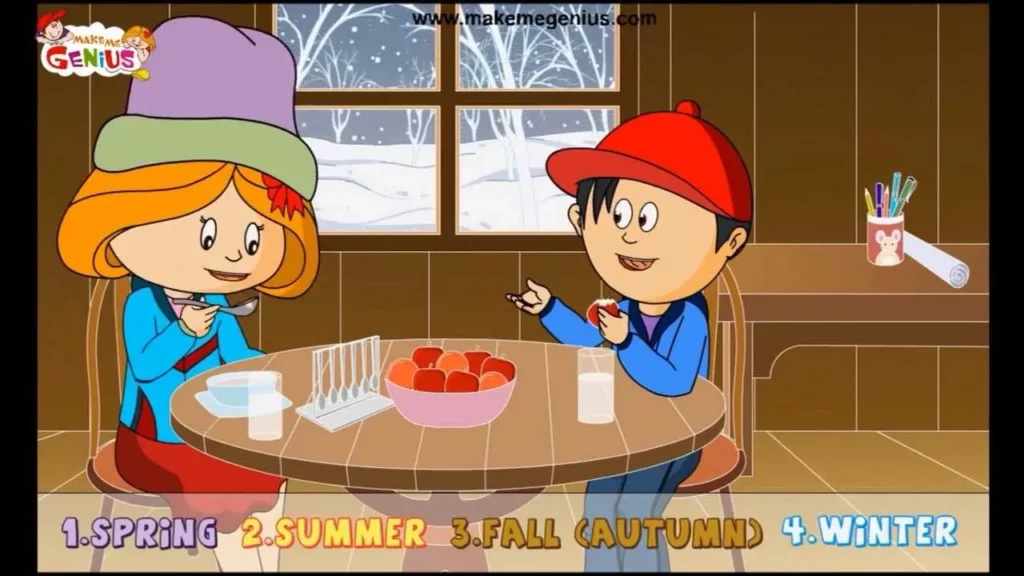
The lesson “Understanding the Four Seasons: A Fun Exploration” introduces students to the distinct characteristics and activities associated with winter, spring, summer, and autumn. Each season is described with its unique weather patterns, natural changes, and fun activities, encouraging students to appreciate the cyclical nature of the year. Additionally, the lesson includes a hands-on activity to create a seasons chart and a quiz to reinforce learning.
How Electricity is made?
The lesson “Discovering Where Electricity Comes From” explores the various methods of electricity generation, emphasizing the role of electromagnetic induction and generators. It highlights different energy sources, including hydroelectric power, fossil fuels, nuclear energy, wind, and solar power, while stressing the importance of understanding these processes for making informed energy choices. Ultimately, the lesson encourages awareness of how electricity is produced and the impact of different generation methods on our environment.
Float or Sink : Why do things float?
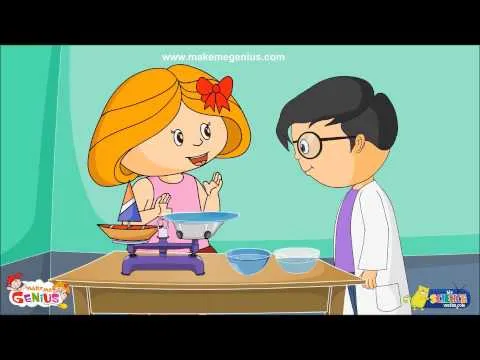
In this lesson, students explore the concepts of floating and sinking through a hands-on experiment using various objects. They learn that whether an object floats or sinks is determined by its weight, shape, and the principle of displacement, which states that an object will float if it displaces an amount of water equal to its weight. The lesson emphasizes the role of buoyancy and how the design of objects, like boats, allows them to float despite being heavy.
Earth’s Atmosphere and Structure
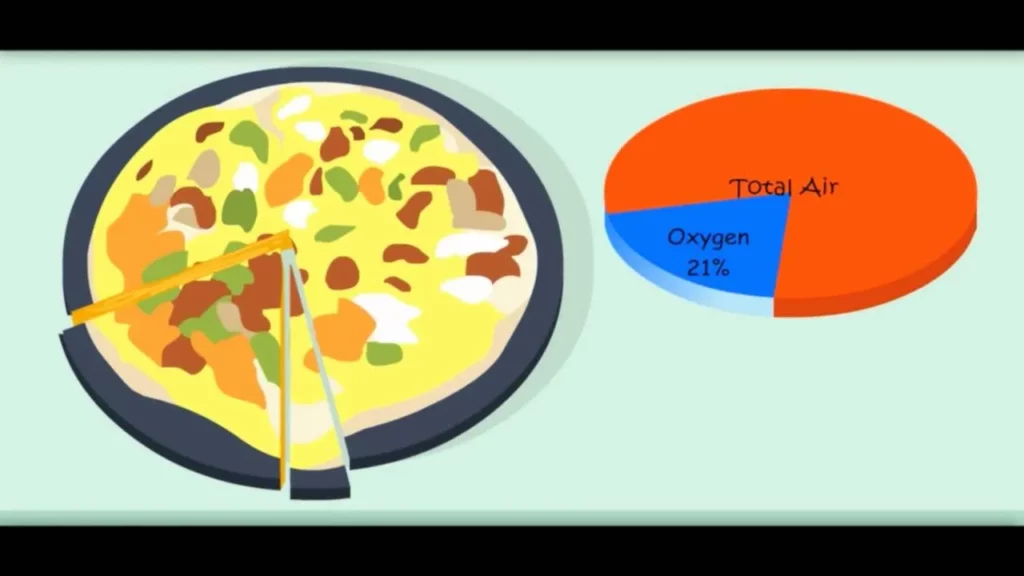
In this lesson, students explore the structure of the Earth by comparing it to an egg, learning about its layers: the crust, mantle, and core, as well as the gases that form the atmosphere. Through engaging activities, such as a volcano experiment, they discover how scientists study the Earth’s interior and the importance of the atmosphere for life. This fun exploration fosters an appreciation for our planet and emphasizes the need for environmental stewardship.
Day and Night Explanation
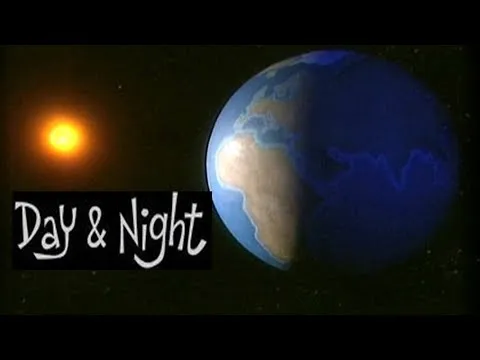
The lesson explains that day and night are a result of Earth’s rotation on its tilted axis, which takes approximately 24 hours to complete a full spin. As the Earth rotates from west to east, different parts of the planet move into sunlight, creating daytime, while the opposite side experiences nighttime. This rotation also leads to the existence of time zones, as it can be daytime in one location while it is nighttime in another.
Respiratory System for Kids (Breathing)
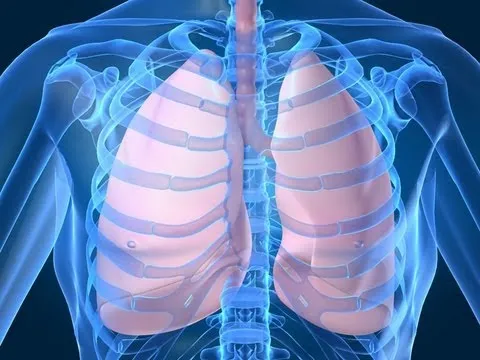
The lesson on respiration explains the vital process of breathing and its connection to energy production in living organisms. It details the components of the respiratory system, including the nose, trachea, lungs, and diaphragm, and describes how inhalation and exhalation facilitate gas exchange in the alveoli. Additionally, it highlights the diversity of breathing mechanisms across different species, emphasizing the importance of respiration for sustaining life.
Human Blood
The lesson “Understanding Blood: A Fun and Easy Guide” highlights the essential role of blood in maintaining health, detailing its composition, functions, and the significance of blood pressure and blood types. It explains that adults have about 5 liters of blood, which consists mainly of red blood cells that transport oxygen and white blood cells that defend against illness. Additionally, the lesson covers the implications of high and low blood pressure and the importance of knowing one’s blood type for safe medical procedures.
Light & Color
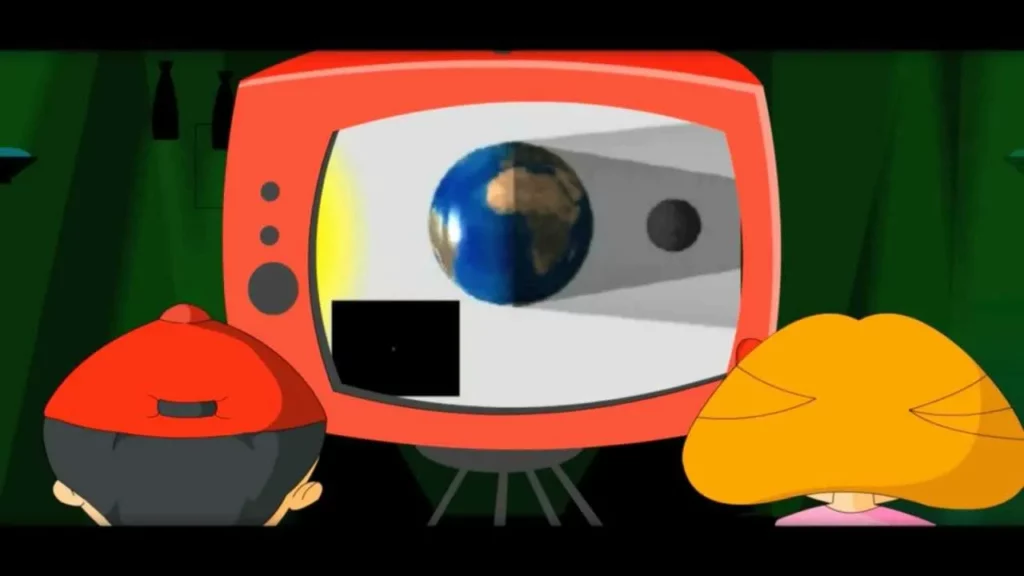
This lesson explores the significance of light and color in our world, highlighting the Sun as Earth’s primary light source and the formation of rainbows through the bending of light. It also covers the concepts of reflection, color mixing, and the fascinating events of solar and lunar eclipses, emphasizing the alignment of the Sun, Moon, and Earth. By understanding these phenomena, we gain a deeper appreciation for the beauty and complexity of the universe.
Atoms and Molecules
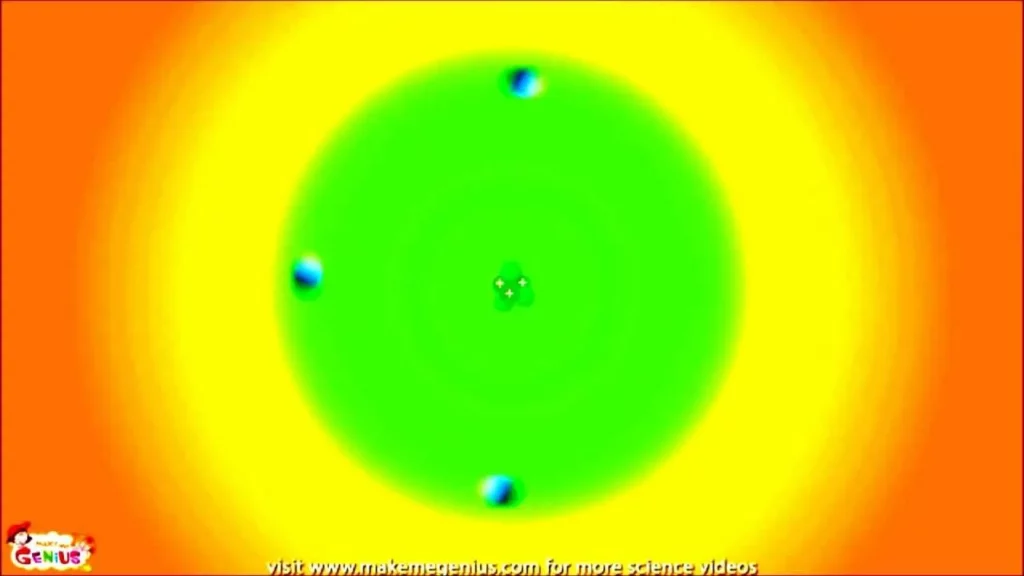
The lesson on “Understanding Atoms: The Building Blocks of Matter” explains that atoms are the fundamental units of matter, composed of protons, neutrons, and electrons. It highlights the structure of atoms, including the nucleus and electron shells, and discusses how atoms bond together to form molecules by sharing or transferring valence electrons, ultimately contributing to the stability of matter in our environment.
The Nervous System
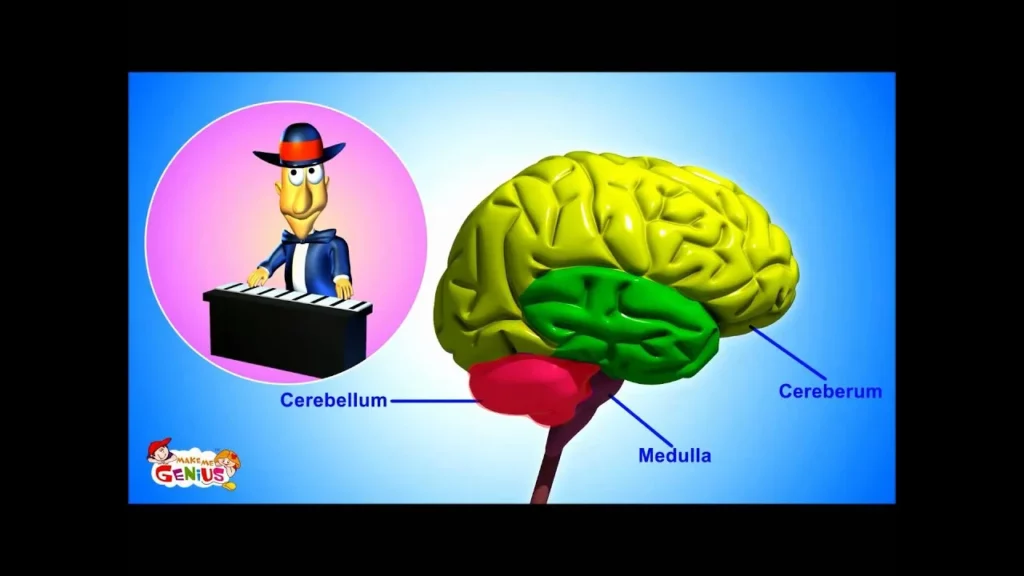
The lesson explores the fascinating structure and function of the nervous system, highlighting its two main parts: the Central Nervous System (CNS), which includes the brain and spinal cord, and the Peripheral Nervous System (PNS), which connects the CNS to the rest of the body. It details the roles of the brain’s three main parts—the cerebrum, cerebellum, and brain stem—as well as the function of neurons, the specialized cells that transmit messages throughout the body. Overall, the lesson emphasizes the importance of the nervous system in enabling us to perceive, move, and maintain vital functions.