
Humpty Dumpty Sat on a Wall – Humpty Dumpty Nursery Rhyme for Kids
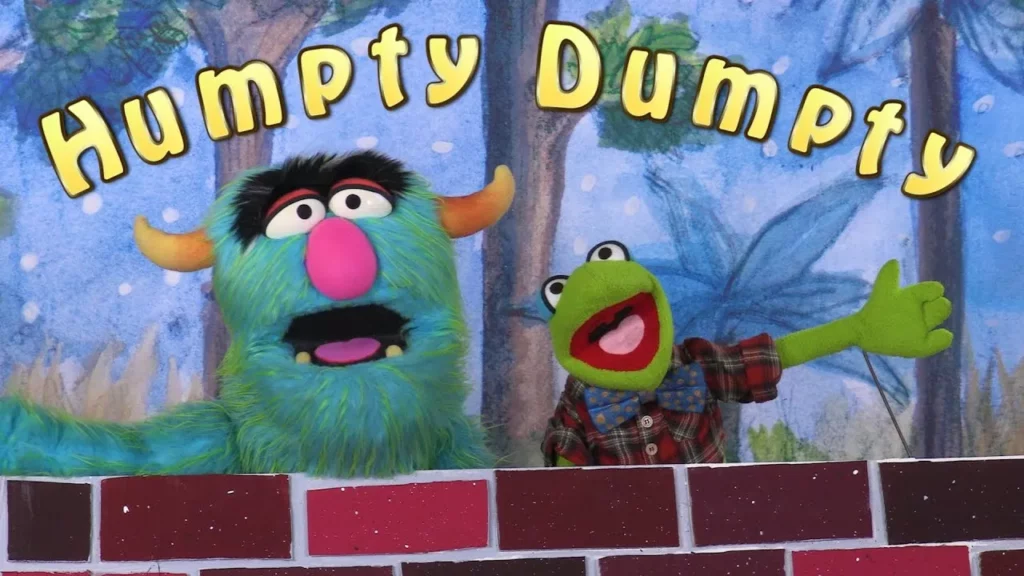
The lesson “Understanding Concussions: A Lesson from Humpty Dumpty” uses the story of Humpty Dumpty to highlight the importance of safety and awareness to prevent falls and concussions. It explains what a concussion is, its symptoms, and emphasizes the need for supervision, proper equipment, and safe environments to avoid injuries. Additionally, it provides guidance on what to do if a concussion occurs, reinforcing the message that knowledge and caution can help keep everyone safe while playing.
How to Count From 1 to 10 – Kids Learn the Numbers
In this lesson, students embark on a fun journey to explore the numbers from one to ten, discovering the unique characteristics and significance of each number. Through engaging examples from nature, daily life, and storytelling, learners gain a deeper appreciation for how numbers relate to the world around them, emphasizing that counting is not just a mathematical skill but a way to understand and enjoy their environment.
Phonics Reading Lesson 6…Tt
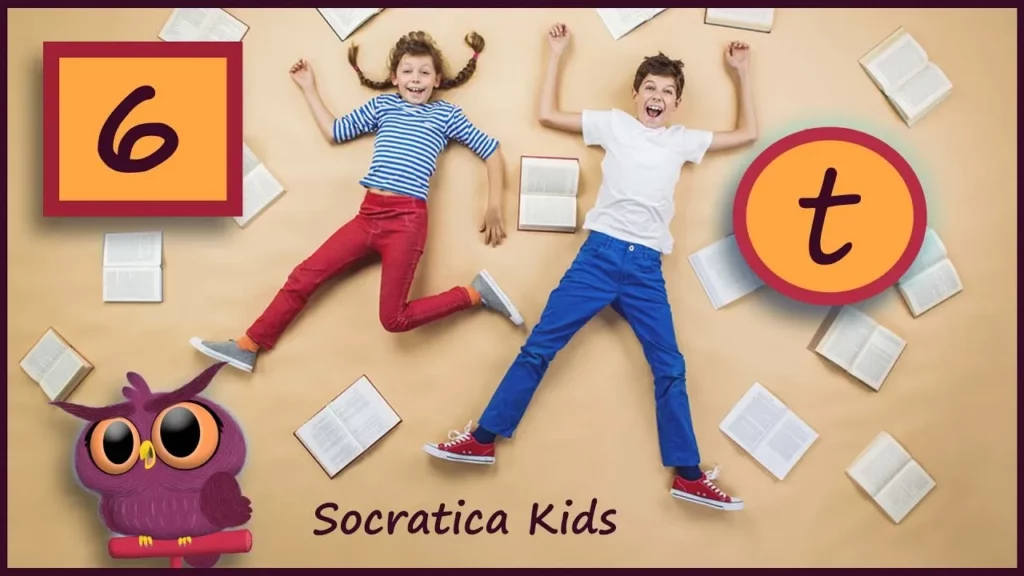
In this lesson, students learn the sounds of the letters “t,” “p,” “m,” “s,” and “a,” which are essential for reading words smoothly. Through practice exercises, they engage in identifying and pronouncing these sounds in various words, reinforcing their understanding of phonetics. The lesson emphasizes that mastering letter sounds is crucial for improving reading skills and making the process enjoyable.
3: The Number Three – Kids Learn to Count Numbers
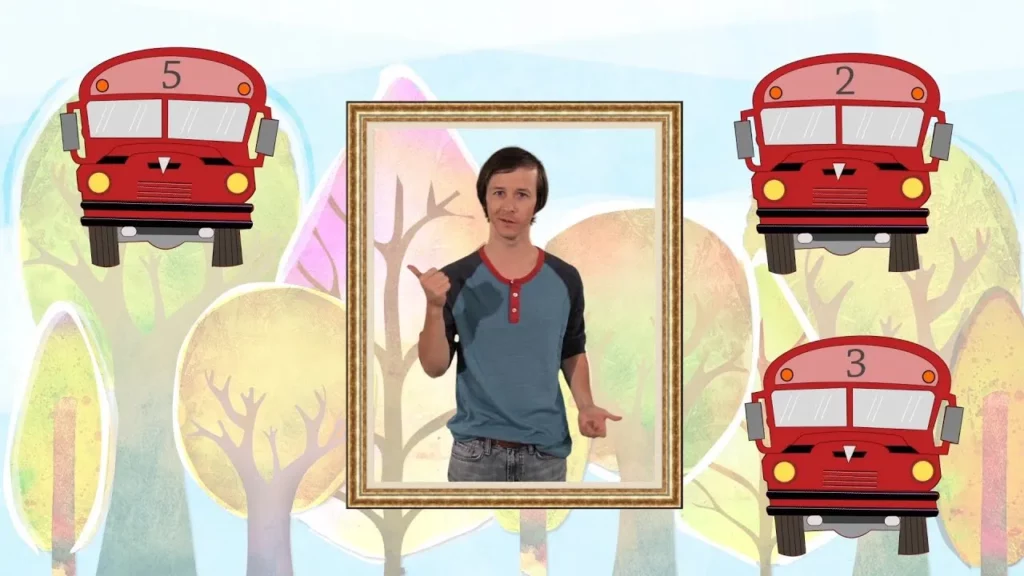
In this lesson, we explored the significance of the number three, focusing on its presence in mathematics, shapes, and everyday life. We learned how to draw triangles, recognized the number three in writing and spelling, and discovered its cultural importance through examples like Neptune’s trident. Overall, the lesson highlights how the number three is a fundamental concept that enhances our understanding of shapes, counting, and storytelling.
???? Rain Rain Go Away – Socratica Kids – Nursery Rhymes – Kids Songs ????

The lesson emphasizes the importance of embracing all types of weather, highlighting the joy of sunny days and the opportunities for fun even during rainy weather. It encourages outdoor play for health and creativity while also teaching the significance of understanding weather patterns to stay safe and prepared. Ultimately, the lesson promotes adaptability and finding happiness in every weather condition.
Alphabet Song Lullaby (Kids)
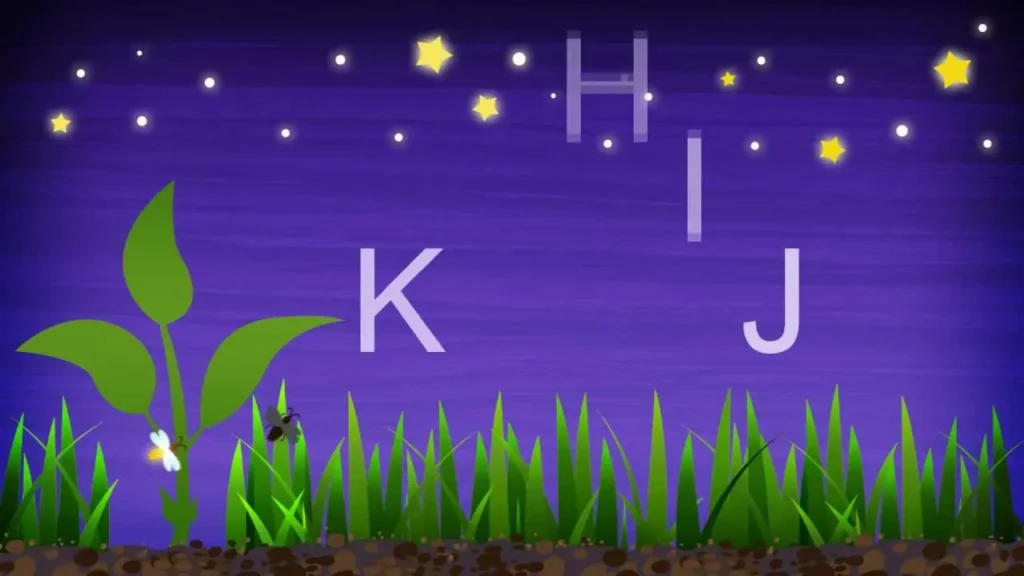
In today’s lesson, we explored the alphabet, focusing on the two types of letters: uppercase and lowercase. Uppercase letters are used to start sentences and for names, while lowercase letters are used in most writing, making reading easier. We also discussed fun ways to learn the alphabet, such as singing songs, using flashcards, practicing writing, and playing games.
Arithmetic: What are exponents?
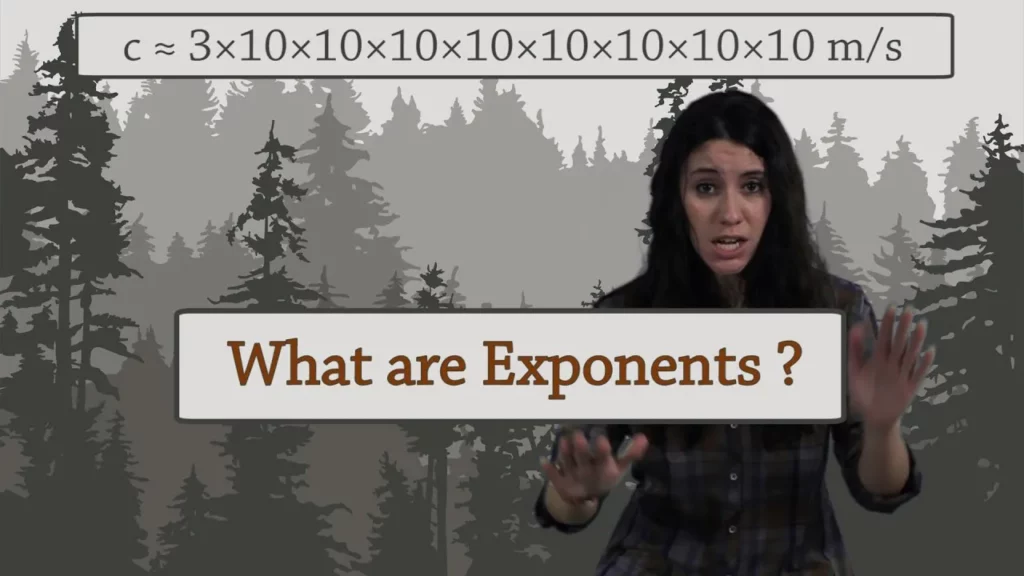
This lesson introduces exponents as a concise way to represent repeated multiplication, which is essential in various mathematical and scientific calculations, such as finding areas and volumes. It explains the concept of exponents, provides examples like square and cube numbers, and highlights their significance in fields like algebra, chemistry, and computer science. Understanding exponents simplifies complex calculations and enhances comprehension in math and science.
Science Stories: What is a Shooting Star?|
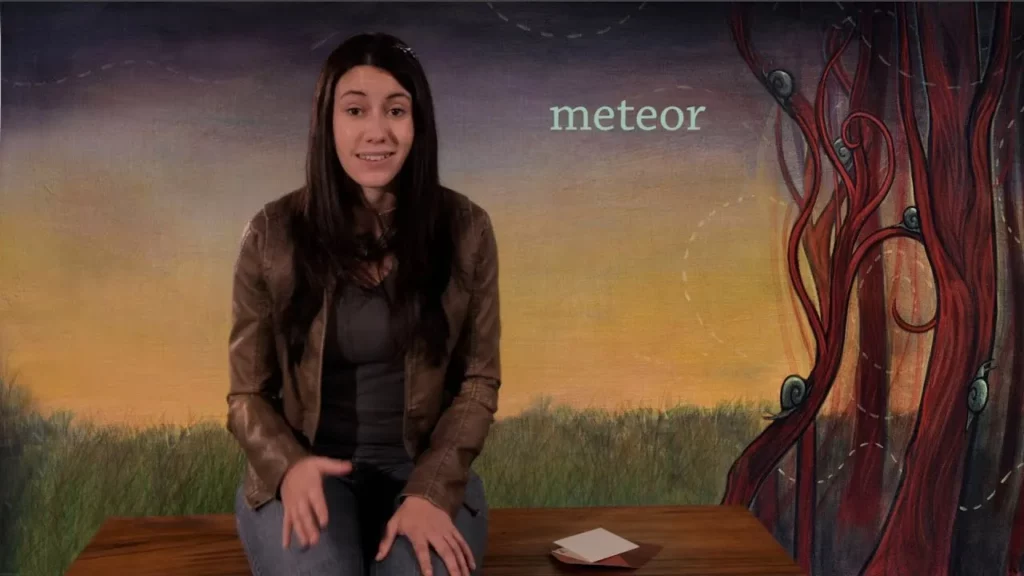
This lesson explores the phenomenon commonly known as “shooting stars,” which are actually meteors—small pieces of space debris that burn up upon entering Earth’s atmosphere. It explains the transformation from meteoroids to meteors, detailing how they create bright trails of light due to friction with air particles, and introduces meteorites, which are larger meteoroids that survive their descent to Earth. Ultimately, the lesson emphasizes the beauty and scientific significance of these celestial events, encouraging curiosity about the universe.
Arithmetic: Introduction to Division

In this lesson, we explore the concept of division through engaging examples involving sharing pizza and dividing gold coins among pirates. We learn how to divide items equally, as demonstrated by sharing 12 pizza slices among three friends, resulting in each person getting 4 slices, and distributing 14 gold coins among four pirates, where each pirate receives 3 coins with 2 coins remaining. This highlights the importance of understanding division and remainders in everyday situations.
Arithmetic: Commutative Property of Addition

The lesson on the commutative property of addition explains that the order in which numbers are added does not affect the total sum, illustrated through examples like adding apples and oranges. This property simplifies math, aids in understanding future concepts like multiplication, and is applicable in everyday situations such as counting money or following recipes. Ultimately, recognizing this principle makes math easier and more enjoyable.