
???? If You’re Happy And You Know It | Nursery Rhymes | Kids Songs ????

The lesson “The Joy of Singing and Dancing: Let’s Have Fun with ‘If You’re Happy and You Know It'” emphasizes the enjoyment and benefits of singing and dancing, particularly through the interactive song. It highlights how engaging in these activities promotes physical movement, fosters friendships, enhances vocabulary, expresses emotions, and strengthens memory skills. Overall, the lesson encourages participation in joyful activities that contribute to personal growth and happiness.
Arithmetic: More Practice with Division
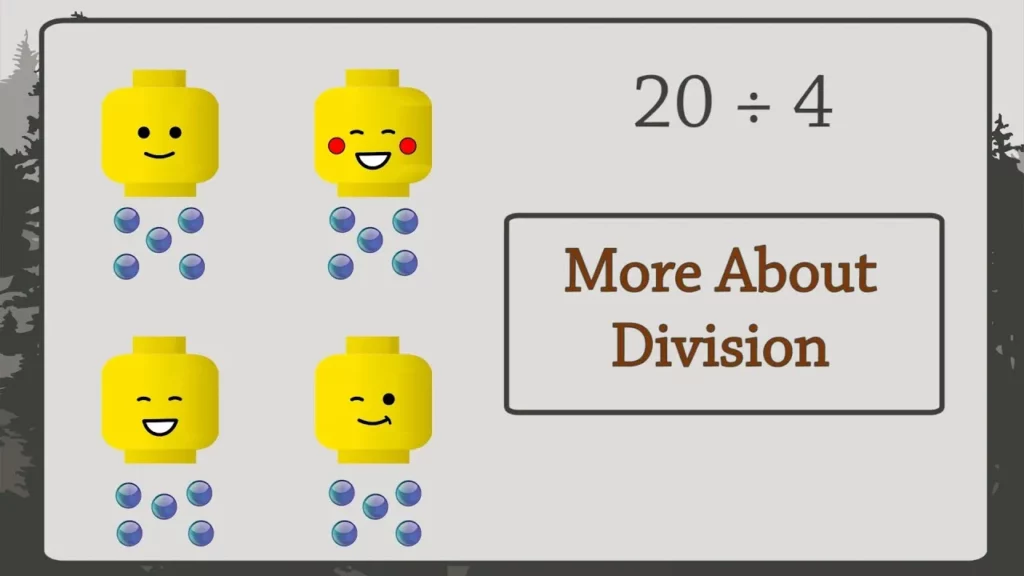
The lesson on division emphasizes the concept of sharing equally among friends, highlighting how division ensures fairness in distributing items. It explains the basics of division, including scenarios where items can be divided perfectly and situations where there are remainders, illustrated through examples of dividing marbles among friends. The lesson concludes by encouraging practice to improve division skills, particularly in handling remainders.
Science Stories: Why do leaves change color?|
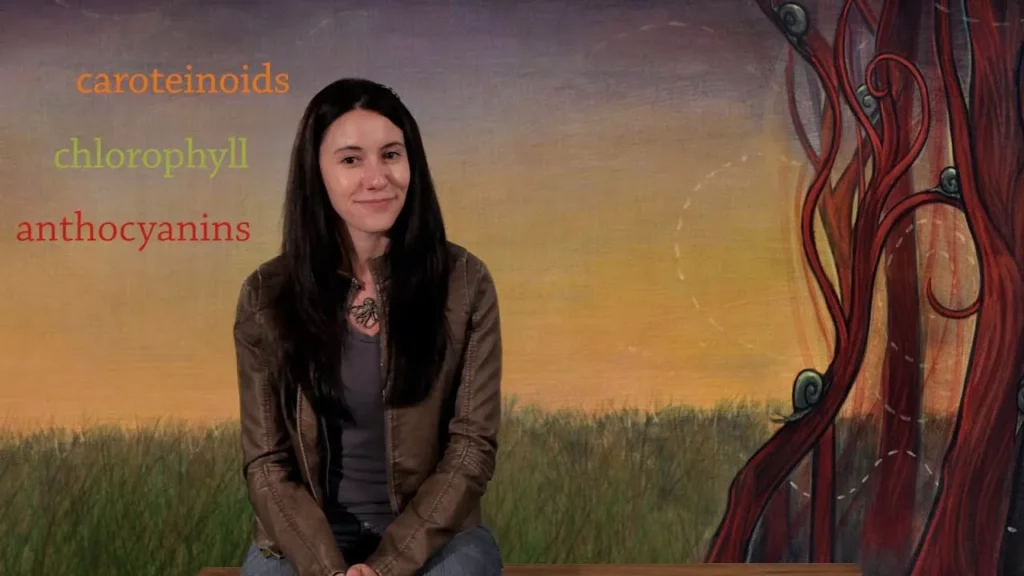
The lesson explains the science behind the vibrant color changes of leaves in autumn, highlighting the role of pigments such as chlorophyll, carotenoids, and anthocyanins. As trees prepare for winter by shedding their leaves, the breakdown of chlorophyll reveals the hidden yellow, orange, and red pigments, creating the stunning fall foliage we admire. Understanding these processes enhances our appreciation for the beauty of the changing seasons.
Animal Sounds for Kids | 21 Animal Sounds for Children to Learn

In this lesson, we explored the fascinating ways animals communicate through sounds, focusing on both farm and wild animals. Each animal’s unique vocalizations serve specific purposes, such as expressing emotions, signaling danger, or calling for friends. Understanding these sounds enhances our appreciation of the animal kingdom and encourages further exploration of their communication methods.
MUCUS | Words for Kids
The lesson on mucus highlights its essential roles in the bodies of mammals and other creatures, emphasizing that it is a vital substance rather than just a nuisance during illness. Mucus serves protective functions in the respiratory and digestive systems, aids in the movement of certain animals, and helps maintain moisture in tissues. Understanding the significance of mucus reveals its importance in supporting health and facilitating various biological processes.
Three Little Pigs story | Three Little Pigs and the Big Bad Wolf
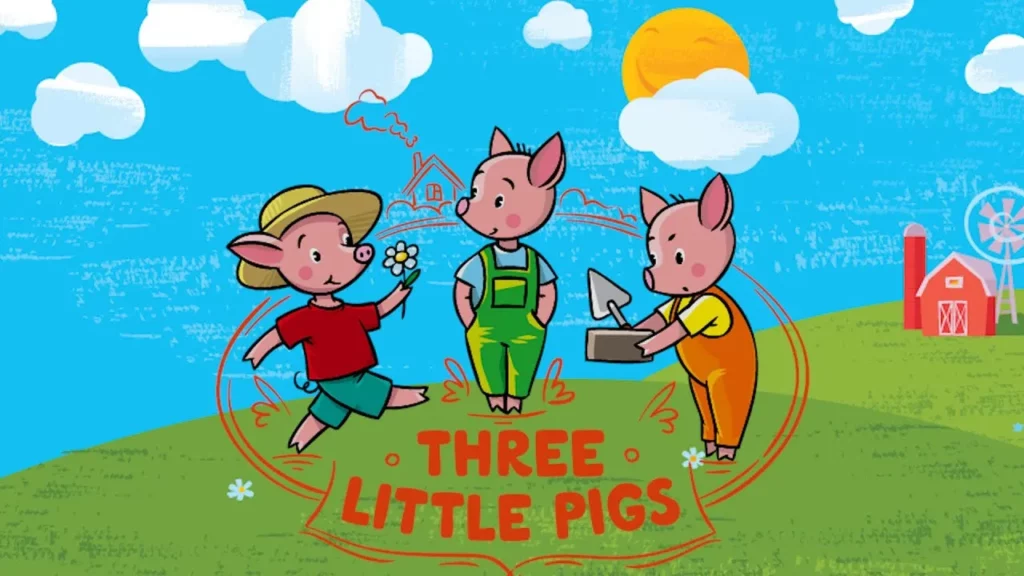
The story of the Three Little Pigs illustrates the importance of responsibility and resilience through the experiences of three pigs who build their homes. While the first two pigs prioritize speed and fun over strength, the youngest pig’s diligent work results in a sturdy brick house that protects them from the wolf. Ultimately, the tale emphasizes that hard work and thoughtful preparation are essential for overcoming challenges and ensuring safety.
5: The Number Five – Kids Learn to Count Numbers
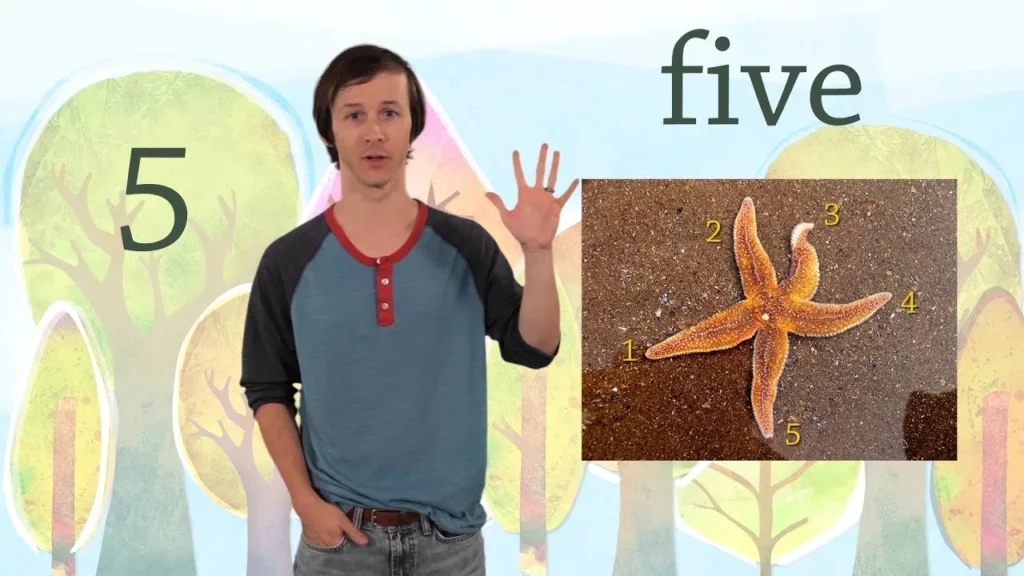
In this lesson, students explore the fascinating world of starfish, which typically have five arms and play a vital role in ocean ecosystems. They also learn to count to five using their fingers, practice writing the number five, and spell the word “five,” while understanding the concept of a “school” of fish. The lesson emphasizes the importance of counting in everyday life and sets the stage for future learning about the number six.
Arithmetic: The Associative Property of Multiplication
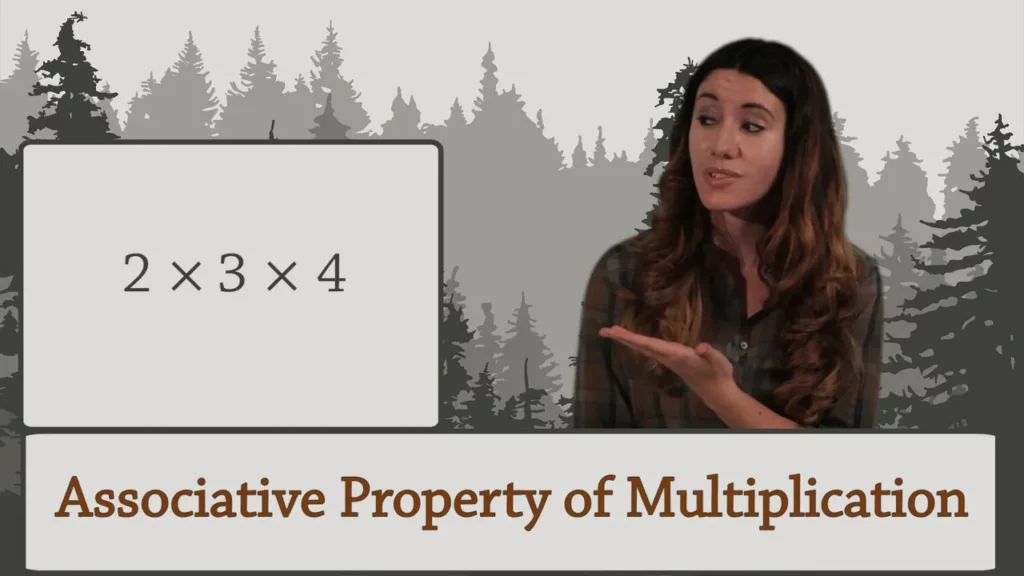
The lesson on the associative property of multiplication explains that when multiplying three or more numbers, the grouping of those numbers does not affect the final product. Through examples, it demonstrates that whether you multiply (2 x 3) first or (3 x 4) first, the result remains the same, highlighting the importance of this property in simplifying calculations and enhancing confidence in solving math problems. Understanding this concept not only aids in performing arithmetic more efficiently but also applies to fractions, decimals, and algebra.
Arithmetic: Associative Property of Addition
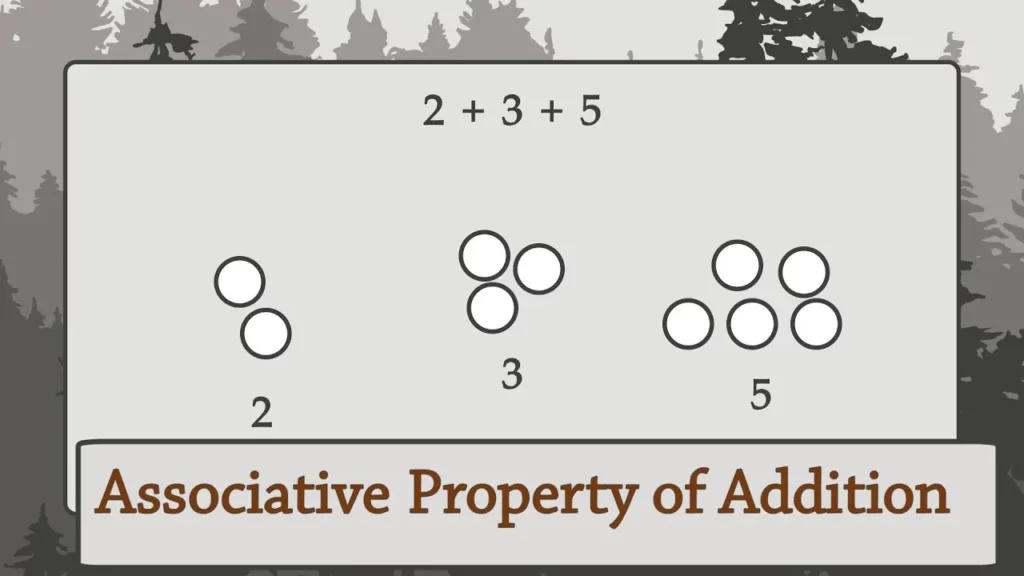
In this lesson, we explored the associative property of addition, which states that the way we group numbers when adding them does not affect the final sum. By demonstrating this property with the numbers 2, 3, and 5, we learned that regardless of how we group the numbers, the result remains the same, making addition simpler and more efficient. Understanding this concept empowers us to choose the easiest pairs to add, enhancing our overall math skills.
SLIME! How to make Slime for Kids | What is Slime? (Oobleck) – Science for Kids
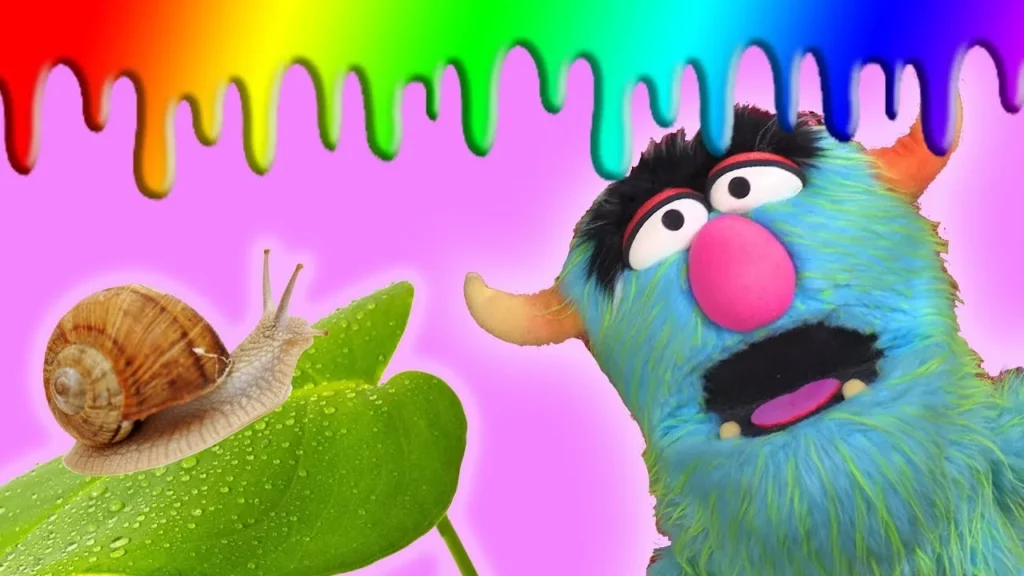
In this lesson, students explored the fascinating properties of slime, a non-Newtonian fluid that behaves like both a liquid and a solid depending on how it is manipulated. They learned about the science behind slime, including its similarities to mucus and oobleck, and participated in a hands-on activity to make their own slime at home. The lesson emphasized the excitement of scientific exploration and encouraged students to continue discovering the wonders of science.