
6: The Number Six – Kids Learn to Count Numbers
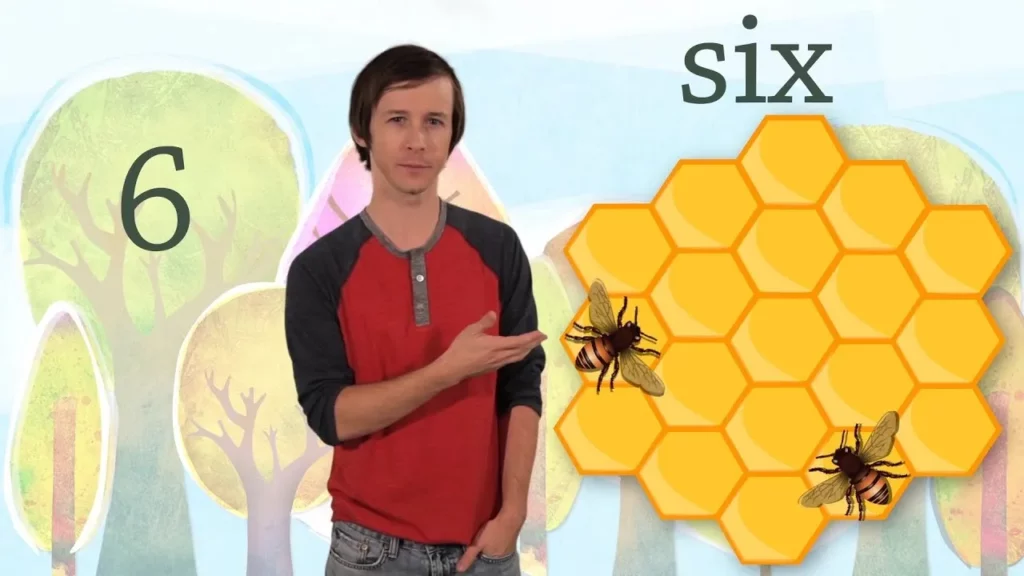
In this lesson, we explore the fascinating connection between bees and the number six, highlighting how bees construct their hexagonal honeycombs, which are efficient for storing honey, and noting that all insects, including bees, have six legs. This lesson emphasizes the importance of the number six in both the anatomy of insects and the geometry of shapes like boxes, illustrating the intricate relationship between math and nature. As we conclude, we look forward to discovering the significance of the number seven in future lessons.
Astronomy Jokes for Kids | Fun Science for Kids
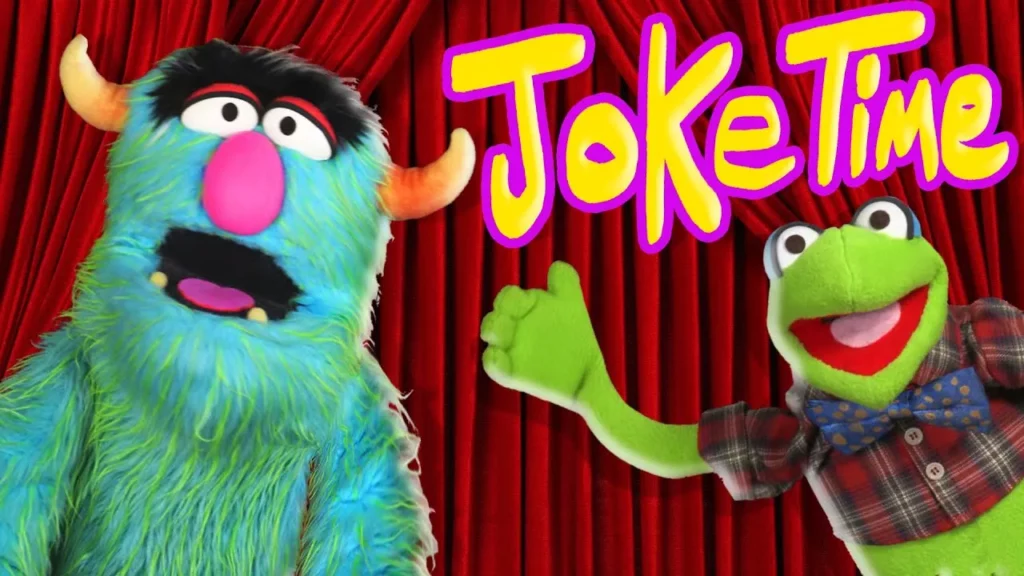
In “The Brightness of the Sun: A Cosmic Comedy,” students learn about the Sun’s incredible brightness and temperature, the unique rotations of planets, and the phases of the Moon. The lesson also explores the Milky Way galaxy and the differences between comets and stars, all while incorporating humor to make the learning experience enjoyable. By blending fun facts with jokes, the lesson emphasizes the excitement of exploring the universe.
Is This a Planet? | Planets for Kids | Kids Astronomy

In this lesson, students explore the fascinating world of planets within our solar system, learning that a planet is a large, round object that orbits a star, with eight distinct planets each possessing unique characteristics. The lesson also distinguishes planets from other celestial objects like moons, asteroids, meteoroids, and comets, highlighting their differences and roles in space. Engaging activities, such as games and quizzes, encourage students to deepen their understanding and appreciation of the universe.
Why do we have Seasons? Spring, Summer, Fall, Winter – Science for Kids
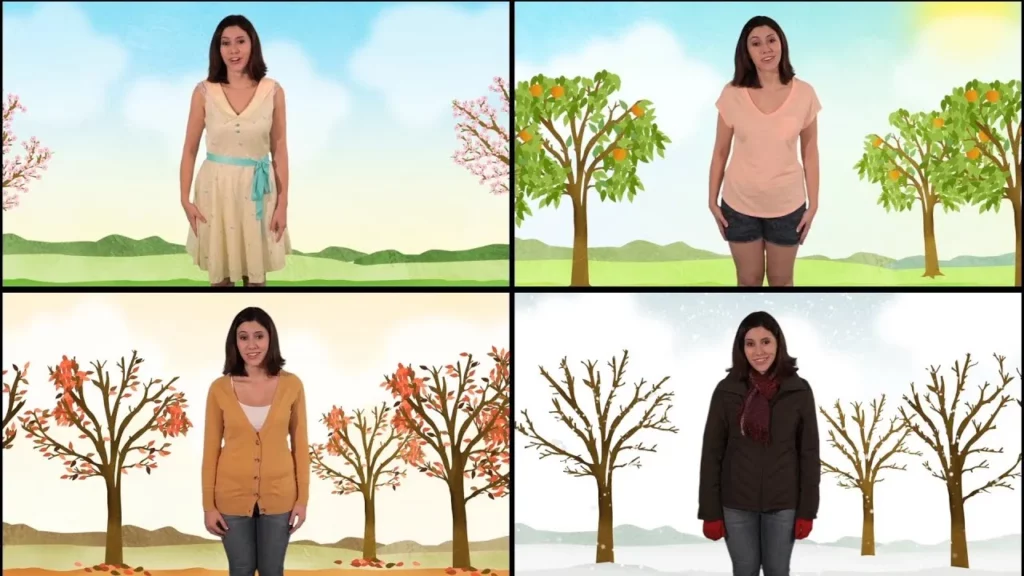
The lesson explains the four seasons—Spring, Summer, Fall, and Winter—and how they are influenced by Earth’s tilt as it orbits the Sun. Each season has distinct characteristics, such as blooming flowers in Spring, heat and outdoor activities in Summer, colorful foliage in Fall, and cold weather with snow in Winter. Understanding these seasonal changes enhances our appreciation of nature’s beauty and diversity.
Puppet Alphabet | ABC Song for Children
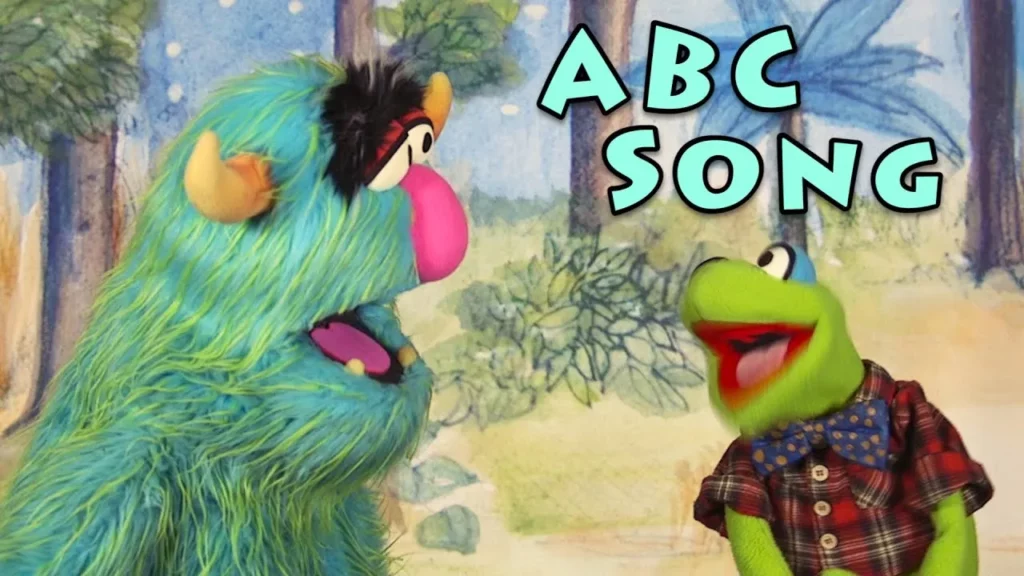
In “Learning the Alphabet: A Fun Journey with Leonard and Kromp,” two friends embark on an exciting adventure to learn the ABCs, highlighting the distinction between letters and words. Through playful interactions, singing the “Alphabet Song,” and overcoming distractions, they demonstrate the importance of patience and teamwork in the learning process. Ultimately, the story celebrates the joy of learning and encourages readers to embrace the ongoing journey of discovery beyond the alphabet.
Arithmetic: How do you use Parentheses?
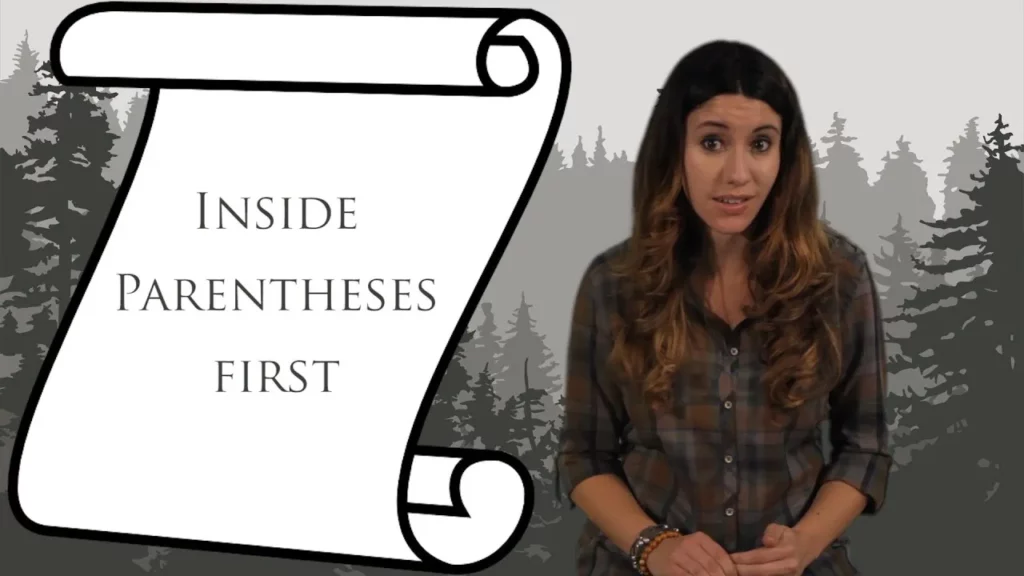
The lesson on the order of operations in mathematics emphasizes the importance of following a specific sequence to solve math problems accurately. Using the acronym PEMDAS (Parentheses, Exponents, Multiplication and Division, Addition and Subtraction), students learn to prioritize operations correctly, including how parentheses can alter the order of calculations. By mastering these concepts, learners can avoid mistakes and enhance their problem-solving skills in math.
9: The Number Nine – Kids Learn to Count Numbers
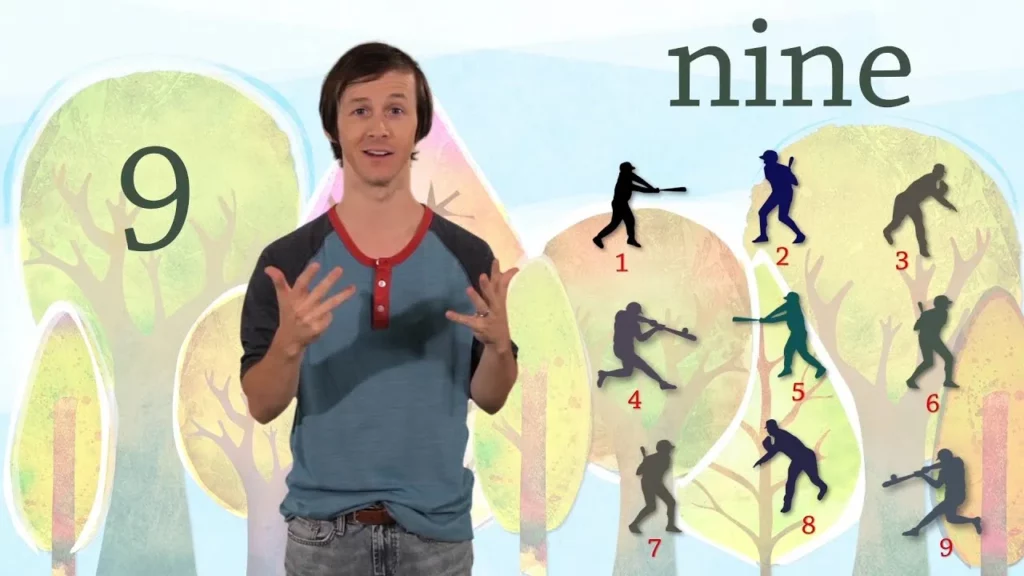
In this lesson, we explore the significance of the number nine in baseball, where each team consists of nine players, each with a unique position. We also learn how to write and spell the number nine, along with fun facts that highlight its importance in both the game and everyday life, such as the expression “on Cloud Nine” to describe happiness. Overall, the lesson emphasizes the number nine’s role in baseball and counting, making it an engaging topic for learners.
Ocean Animals for Kids | Zoo animals for preschool and kindergarten

This lesson explores the diverse and fascinating marine life found in the ocean, highlighting the unique adaptations and roles of various creatures such as dolphins, clownfish, sharks, and octopuses. Each animal, from the intelligent and playful dolphins to the regenerative starfish, contributes to the ocean’s ecosystem, emphasizing the importance of understanding and protecting these vital habitats for future generations. Through this exploration, students learn about the interconnectedness of oceanic life and the significance of conservation efforts.
9 Herbivore Dinosaurs for Kids – Plant Eating Dinosaurs for Children
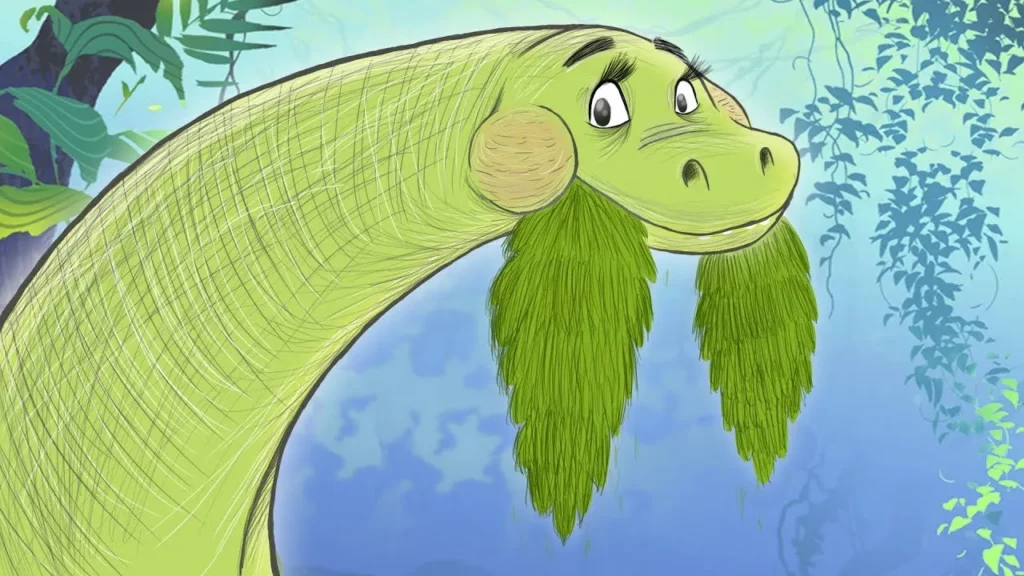
The lesson explores the fascinating world of plant-eating dinosaurs, highlighting their unique adaptations and characteristics. It introduces several notable herbivores, such as Triceratops, Stegosaurus, and Brontosaurus, emphasizing their specialized teeth and physical features that helped them thrive in their environments. By examining these diverse dinosaurs, the lesson encourages a deeper understanding of their ecological roles and the prehistoric world they inhabited.
10: The Number Ten – Kids Learn to Count Numbers
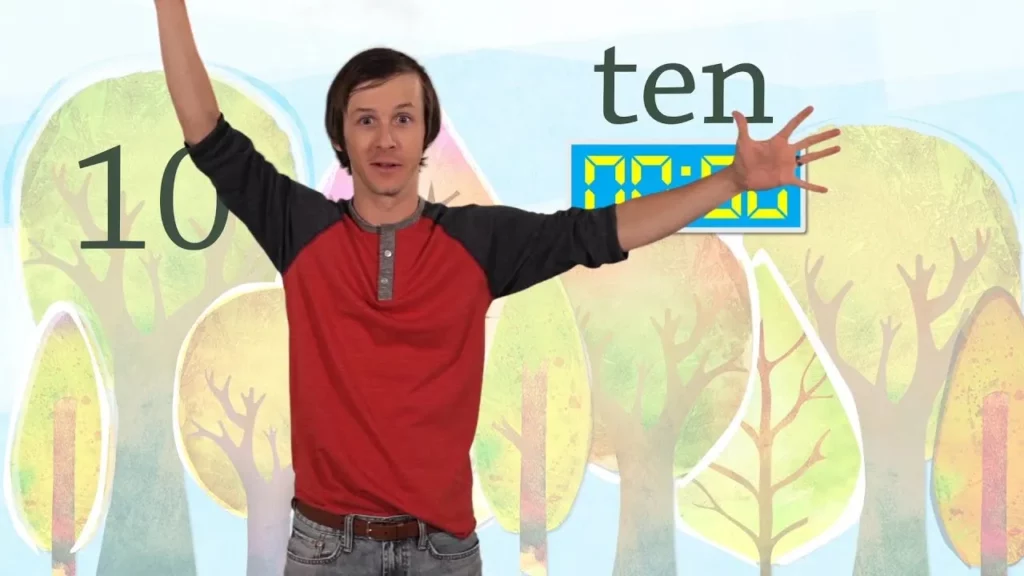
In this lesson, students explore the significance of the number 10 in counting and mathematics. They learn to count to ten using their fingers and toes, practice writing and spelling the number, and understand its importance in various contexts, such as countdowns. The lesson emphasizes that mastering the number 10 lays the foundation for further mathematical learning and counting skills.