
Why you need SUNSCREEN | SPF for Kids
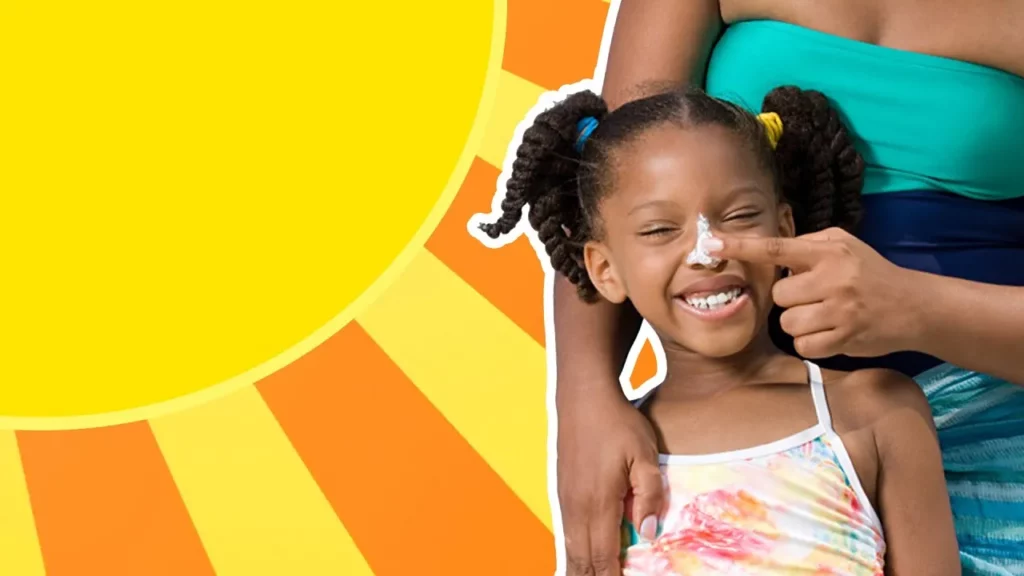
This lesson emphasizes the importance of understanding sunburn and protecting your skin from harmful ultraviolet (UV) rays. It explains how UV rays can cause sunburn, accelerate skin aging, and increase the risk of skin cancer, while highlighting the protective role of the ozone layer. To safeguard against these dangers, the lesson provides practical tips such as limiting sun exposure, using broad-spectrum sunscreen, and wearing protective clothing, ensuring that you can enjoy outdoor activities safely.
Nursery Rhymes – Twinkle, Twinkle, Little Star Song (Kids)
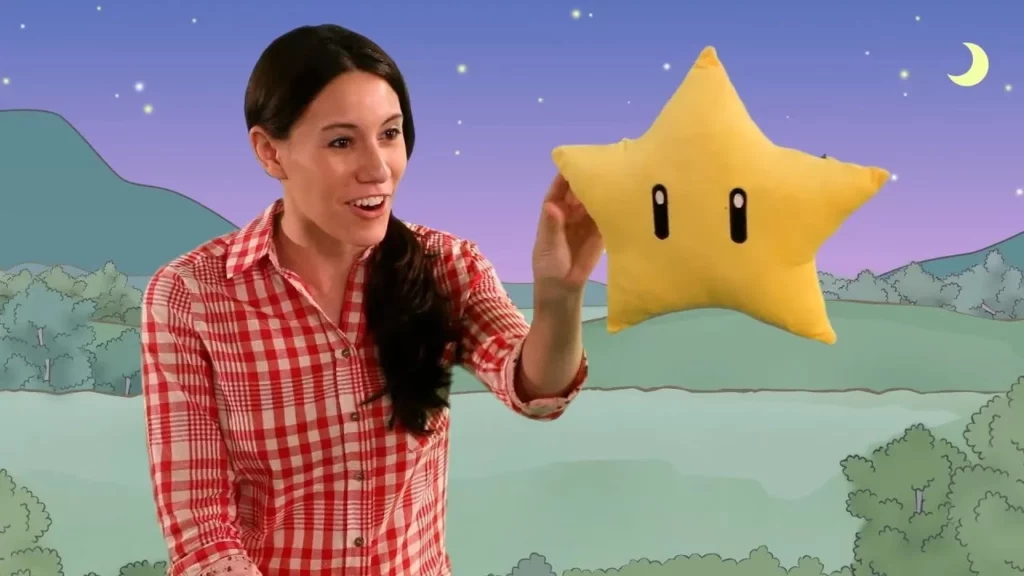
In this lesson, we explored the fascinating world of stars, learning that they are massive balls of gas undergoing nuclear fusion, which makes them shine brightly. We discussed the vast distances between stars, the reasons behind their twinkling appearance due to Earth’s atmosphere, and the intriguing connection between stars and diamonds. Ultimately, the lesson highlights the wonders of the universe and encourages curiosity about the science behind the stars we admire at night.
Farm Animals for Kids | Zoo animals for preschool and kindergarten
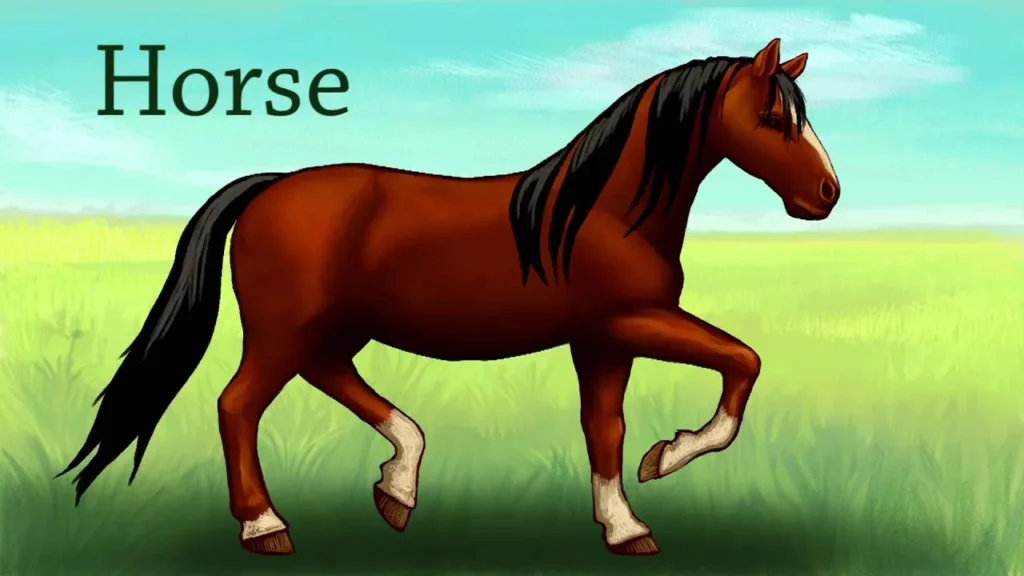
The lesson “Discovering Farm Animals” highlights the significance of various farm animals and their contributions to agriculture and food production. It explores the unique characteristics and benefits of animals like chickens, cows, goats, horses, ostriches, and pigs, emphasizing their roles in providing essential food products such as eggs, milk, and meat, as well as their importance in sustainable farming practices. Understanding these animals helps us appreciate their vital role in our food systems and rural communities.
4: The Number Four – Kids Learn to Count Numbers
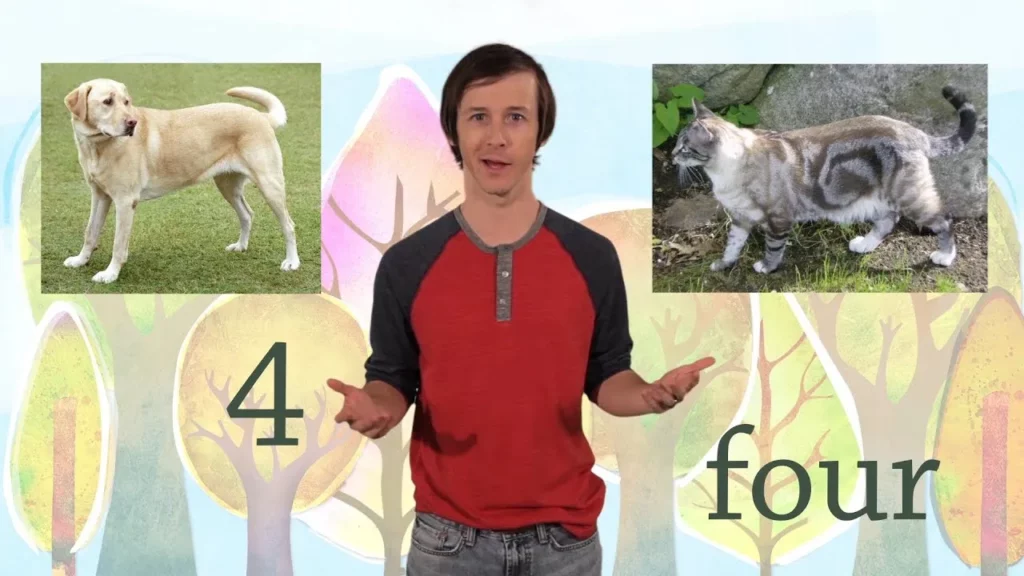
In this lesson, students explore the number four through writing, spelling, and identifying it in everyday life. They learn how to write the numeral “4,” spell it as “F-O-U-R,” and discover examples of the number four in the world around them, such as counting four paws on pets and four wheels on cars. The lesson emphasizes the importance of practice and encourages students to continue their journey in learning about numbers.
Bedtime Stories: The Tale of Jemima Puddle-Duck, a story by Beatrix Potter
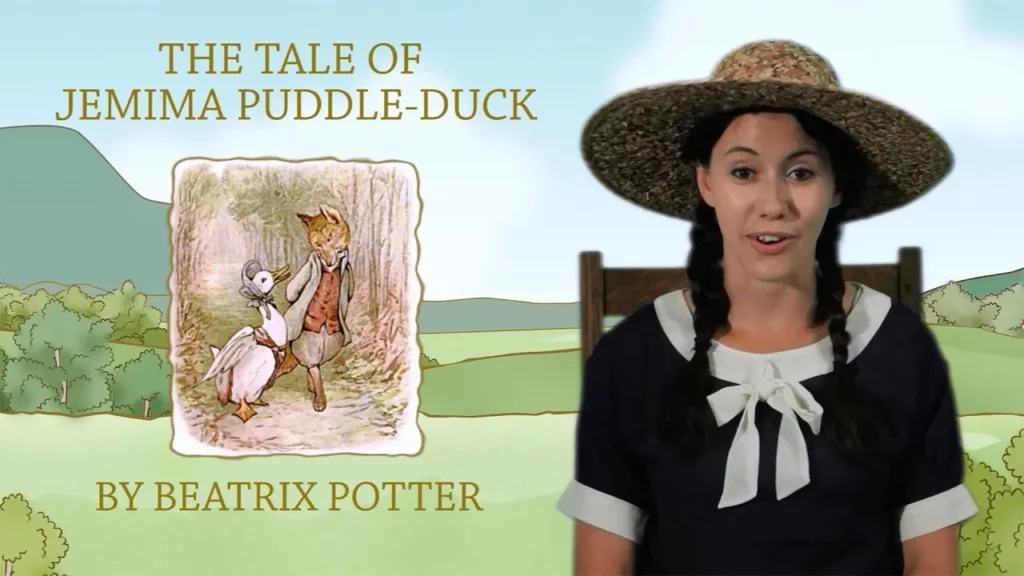
In “The Tale of Jemima Puddle-Duck,” Jemima, a determined duck, embarks on an adventure to find a safe place to hatch her eggs, seeking independence from the farmer’s wife. However, her trust in a seemingly kind gentleman leads her into danger, teaching her valuable lessons about caution, the importance of heeding warnings from friends, and the consequences of misplaced trust. Ultimately, Jemima learns to be wiser in her choices and to carefully consider whom she trusts.
Which ANIMALS live in the CITY? +bonus DOWNLOADS
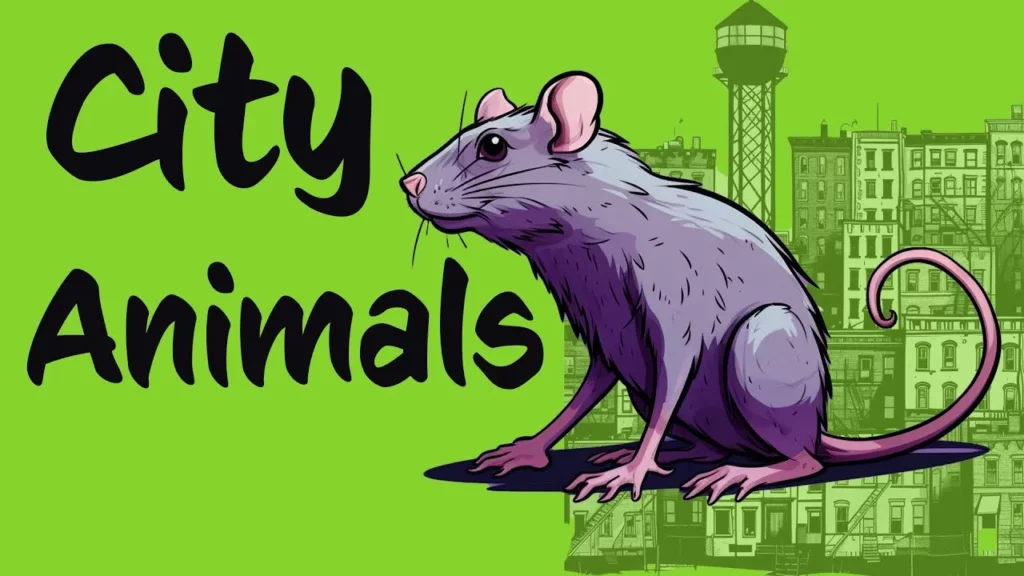
The lesson “Urban Wildlife: The Surprising Lives of City Animals” highlights the fascinating adaptability of various animals that thrive in urban environments. It explores the unique characteristics and behaviors of city-dwelling species such as pigeons, squirrels, raccoons, and more, emphasizing their ability to coexist with humans and navigate the challenges of city life. By appreciating these creatures, we can foster a greater understanding and respect for the wildlife that shares our urban spaces.
Explore the ALPINE TUNDRA Biome ⛰️ Nature Ecology & Environment
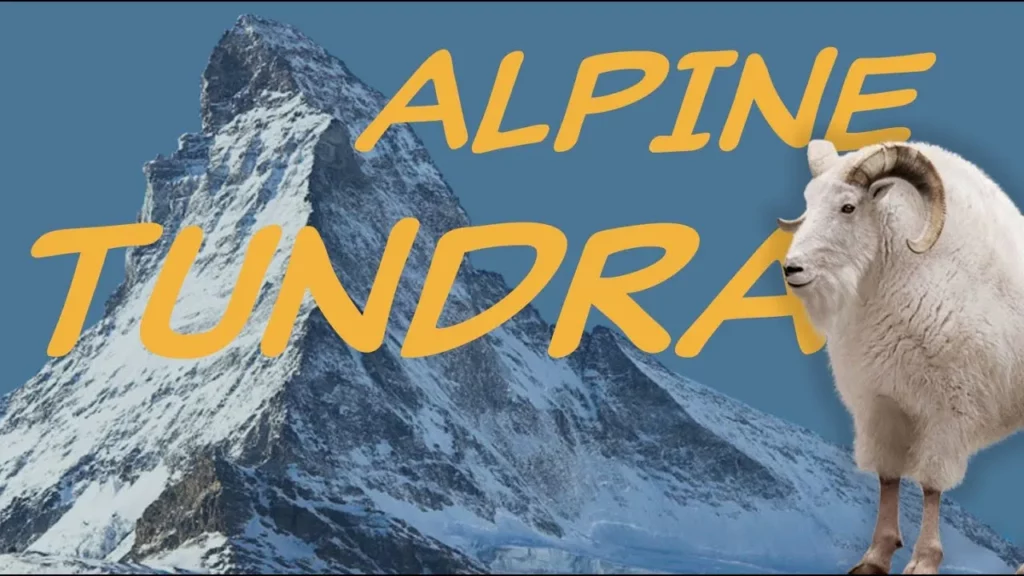
The lesson on the Alpine Tundra explores the unique characteristics of this high-altitude biome, including its extreme climate, specialized flora and fauna, and the adaptations that enable life to thrive in such harsh conditions. It also highlights the impact of climate change on this fragile ecosystem and emphasizes the importance of conservation efforts to protect it. Understanding the Alpine Tundra not only reveals the resilience of life but also underscores the need for environmental stewardship.
Kindergarten Science Questions: What is SLIME? (Puppet Science)
In this lesson, students explore the fascinating properties of slime, a non-Newtonian fluid that behaves like both a liquid and a solid. Through understanding the science behind solids and liquids, as well as the sensory and creative experiences slime offers, learners discover why slime is not only enjoyable to play with but also a valuable tool for scientific curiosity and creativity.
Science Stories:Why do stars twinkle?|
The lesson explains that stars twinkle due to a phenomenon called “stellar scintillation,” which occurs when their light passes through the Earth’s atmosphere, encountering varying air particles and temperature layers that cause the light to bend and shift. Unlike stars, the moon appears steady because it is closer and larger, resulting in less atmospheric interference. This understanding enhances our appreciation of the night sky and the complexities of our atmosphere.
Science Stories: How do Bees make Honey?|
In this lesson, we explore the fascinating process by which bees transform nectar from flowers into honey. Through teamwork within their colonies, worker bees collect nectar, which is then processed and stored by honeymaker bees, resulting in the sweet substance we enjoy. The lesson highlights the intricate methods bees use to ensure honey’s longevity and the essential role they play in our ecosystem.