
Science Stories:What is the mirror doing to my face?|
This lesson explains why images appear backwards in a mirror due to the way light reflects, creating a flipped image rather than switching left and right. It highlights how this flipping effect impacts our self-perception, as we often struggle to recognize ourselves in photos that show our true appearance. Understanding this concept helps clarify the difference between our mirrored selves and how we are viewed by others.
Science Stories: How does the microwave work?|
This lesson explains the science behind how microwave ovens heat food quickly and efficiently using microwaves, a form of electromagnetic radiation. It covers the basic principles of microwave heating, the accidental discovery of microwave cooking, and the role of materials in the process, emphasizing that microwaves heat food by causing water molecules to vibrate, which generates heat. Additionally, it highlights the safety features of microwave ovens, ensuring that users can operate them safely while enjoying their convenience in the kitchen.
Science Stories:Why does the rain make my hair curly?|
This lesson explains why hair tends to become curly or frizzy on rainy days, focusing on the role of hair structure and the influence of humidity. It highlights that hair is primarily made of keratin, which contains strong disulfide bonds that determine its shape, and weaker hydrogen bonds that are affected by moisture in the air. When humidity increases, hair absorbs water, leading to temporary curls and frizz due to the formation of additional weak bonds, but these effects are short-lived as the hair returns to its original state once the air dries out.
Science Stories: Why is the Ocean Salty?|
The lesson explains why the ocean is salty, highlighting that salt comes from the Earth’s crust and is carried into the ocean by rainwater and rivers. It also discusses how evaporation increases salinity and how variations in salinity occur due to freshwater inflow, geographical features, and ocean currents. Understanding the ocean’s saltiness provides insight into the interconnectedness of natural processes and the ecosystem it supports.
Science Stories: How do Planes Fly?|
This lesson explains the fundamental principles of how airplanes fly, focusing on the forces of thrust, lift, weight, and drag. Thrust, generated by jet engines, propels the airplane forward, while lift, created by the specially shaped wings, allows it to rise into the air. To achieve flight, the airplane must balance these forces against weight and drag, illustrating the fascinating science behind aviation.
Bedtime Stories: The Tale of Mrs. Tittlemouse, a story by Beatrix Potter
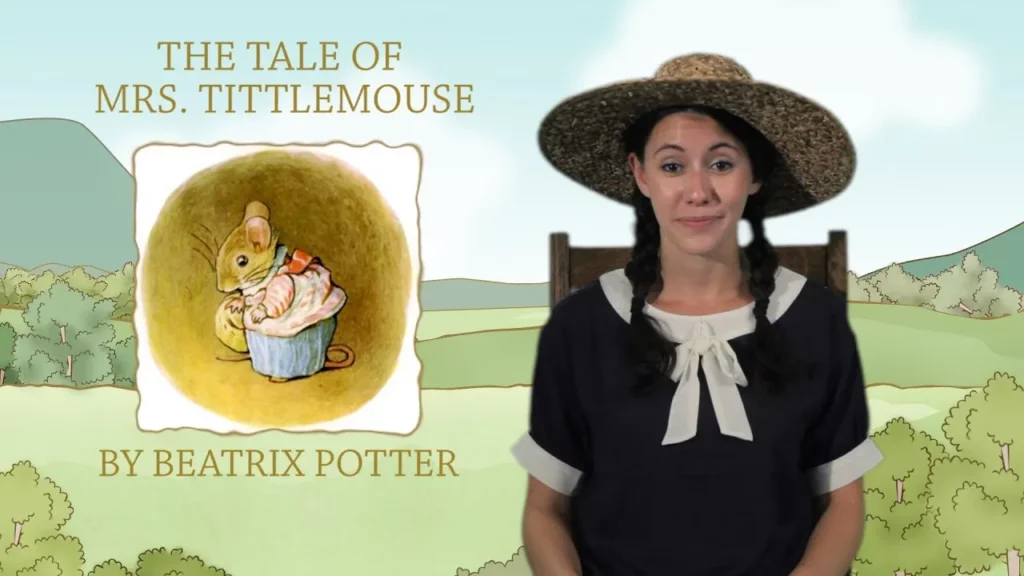
“The Tale of Mrs. Tittlemouse” highlights the importance of maintaining cleanliness and order, even in the face of unexpected visitors. Mrs. Tittlemouse, a tidy woodmouse, navigates the challenges posed by surprise guests and messy situations with patience and determination, ultimately restoring her home and celebrating with friends. The story emphasizes resilience and the joy of sharing, even when circumstances are less than ideal.
Arithmetic: What is a Divisor (or a Factor)?
In this lesson, we explored the concepts of divisors and factors, which are essential for understanding how numbers interact. A divisor is a number that divides another number evenly, while factors are simply another term for divisors. Recognizing these relationships is crucial for various mathematical applications, including prime factorization and finding the greatest common divisor (GCD).
Groundhogs for Kids | Groundhog Day | Wild Animals

The lesson introduces groundhogs, also known as woodchucks or whistlepigs, highlighting their ecological significance and unique characteristics. It covers their habitat, diet, hibernation habits, and the cultural importance of Groundhog Day, emphasizing their role in nature and the fun traditions associated with them. Overall, the lesson encourages appreciation for these fascinating animals and their contributions to the environment.
ABC phonics: The Letter X for Kids
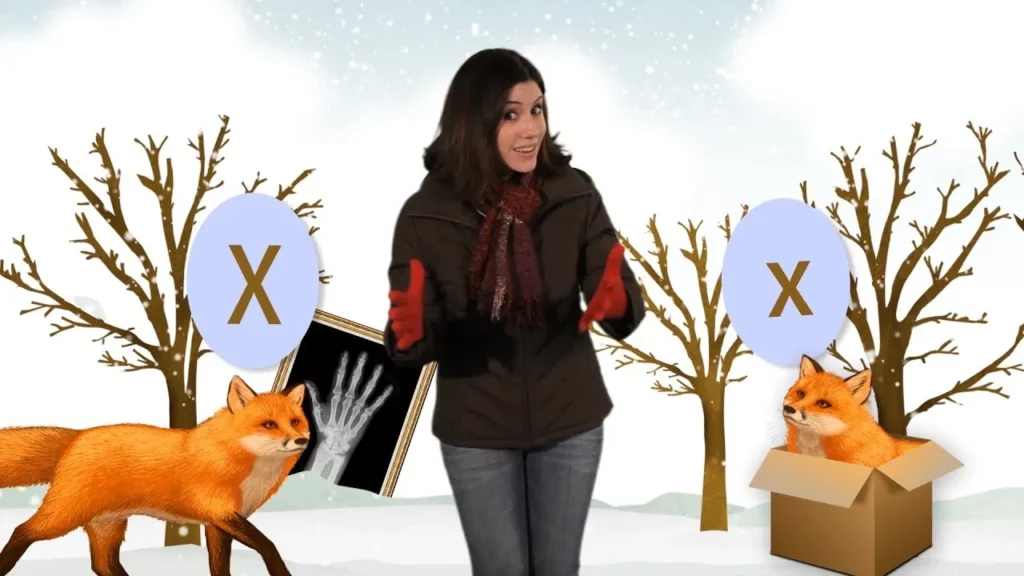
In this lesson, children explore the letter X, learning its sound, how to write both uppercase and lowercase forms, and identifying it in their surroundings. The lesson emphasizes the “ks” sound in words like “fox” and “box,” and encourages practice in writing the letter. By engaging with the letter X, kids enhance their reading and writing skills while having fun in the process.
Bedtime Stories: The Tale of Benjamin Bunny, a story by Beatrix Potter
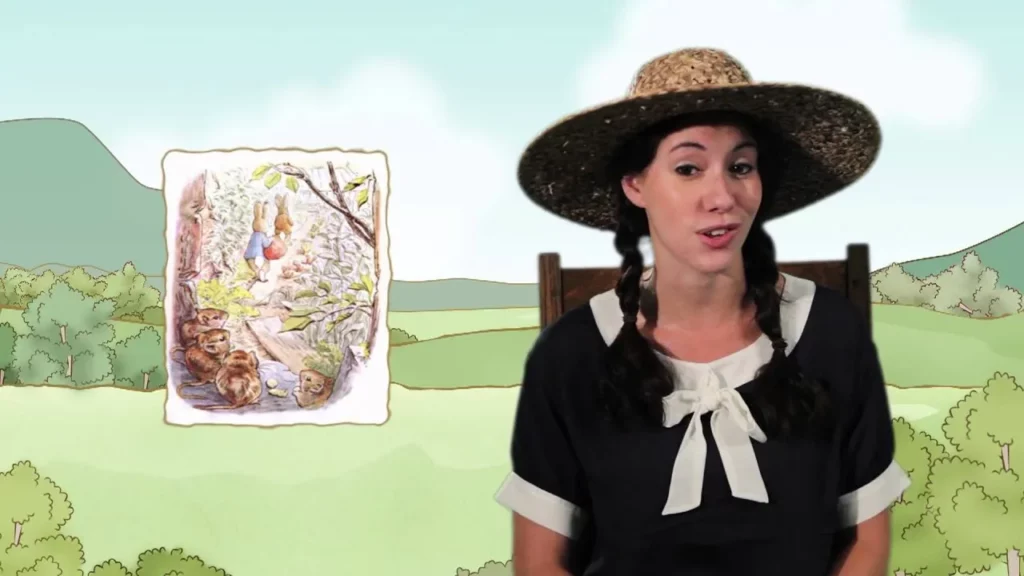
“The Tale of Benjamin Bunny” by Beatrix Potter follows the adventurous escapades of young rabbits Benjamin Bunny and his cousin Peter Rabbit as they navigate Mr. McGregor’s garden. Through their mischief and bravery, the story highlights themes of family, courage, and the consequences of curiosity. Ultimately, the tale emphasizes the importance of familial bonds and the lessons learned from their escapades, making it a cherished classic for readers of all ages.