
Penguins: From Frozen Seas Productions
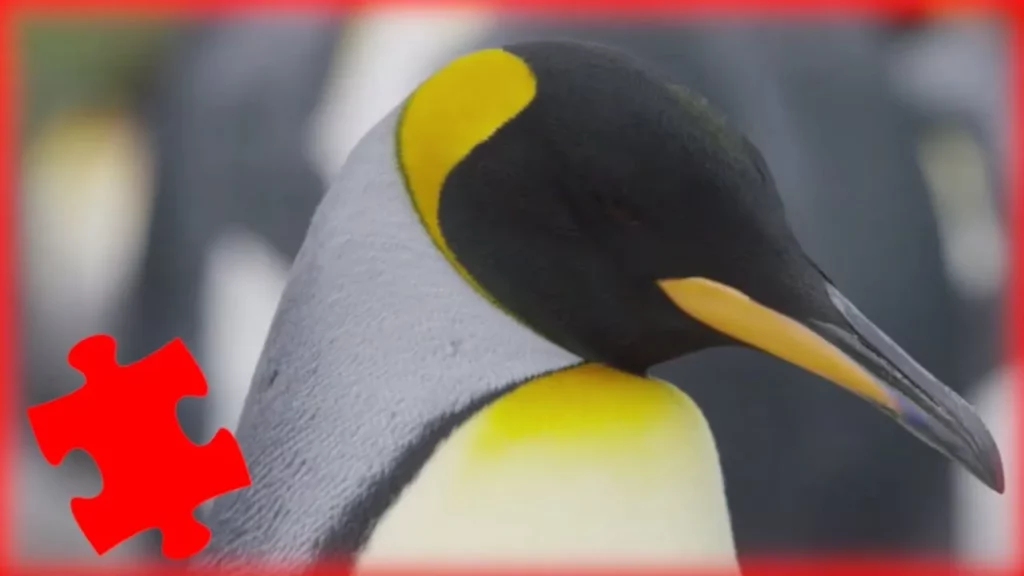
The lesson explores the unique characteristics and behaviors of penguins in Antarctica, highlighting their adaptations to the extreme cold, impressive swimming abilities, and social structures within colonies. It also addresses the challenges penguins face due to climate change, overfishing, and pollution, emphasizing the importance of conservation efforts to protect their habitats and ensure their survival. Overall, penguins are portrayed as remarkable creatures that play a vital role in their ecosystem and require our support to thrive.
Why Do We Have Leap Years? The History of Leap Day
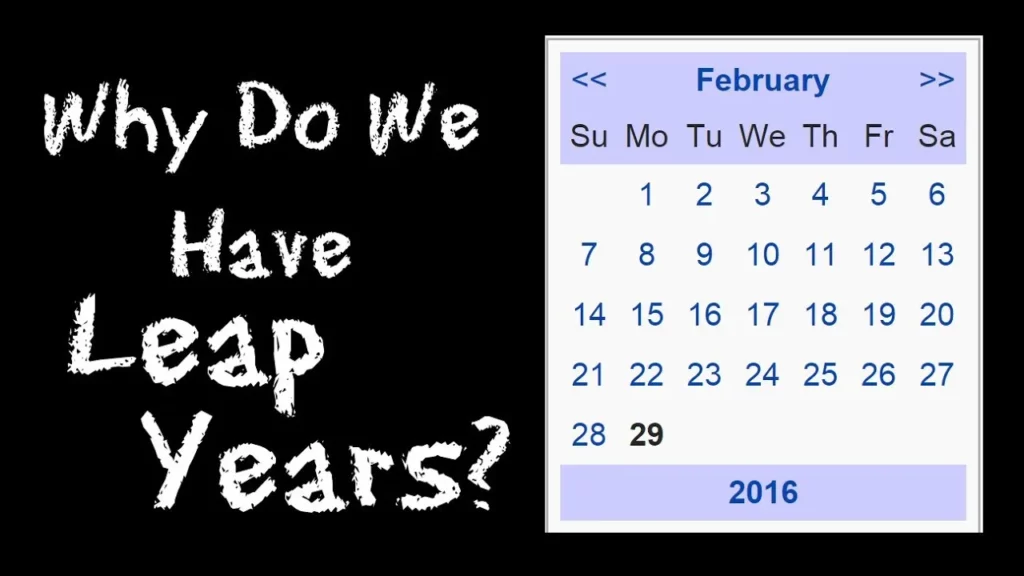
Leap Day, occurring every four years on February 29, is an essential adjustment to our calendar that accounts for the Earth’s actual orbital period of approximately 365.25 days. This practice, originating from ancient Egypt and popularized by Julius Caesar’s Julian calendar, helps prevent seasonal drift, ensuring that holidays remain aligned with their respective seasons. The current rules for determining leap years, established by the Gregorian calendar, will keep our calendar synchronized with the seasons for nearly 8,000 years.
Hover Flies and Animal Mimicry: FreeSchool Presents a Closer Look at Hoverfly Mimicry
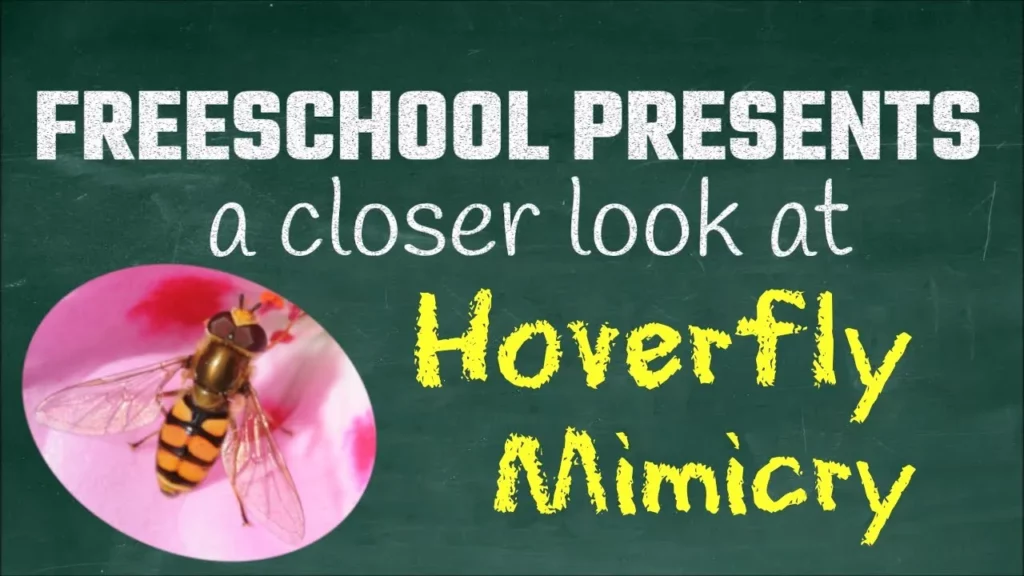
This lesson introduces hoverflies, fascinating insects that mimic bees and wasps to avoid predators, despite being harmless themselves. It highlights their ecological importance in pollination and pest control, while also explaining the concept of mimicry and how to distinguish hoverflies from similar-looking insects. Overall, it emphasizes the remarkable adaptations of hoverflies and their vital role in nature.
Presidential Pets: the History of Pets in the White House Presents: Hilarious History
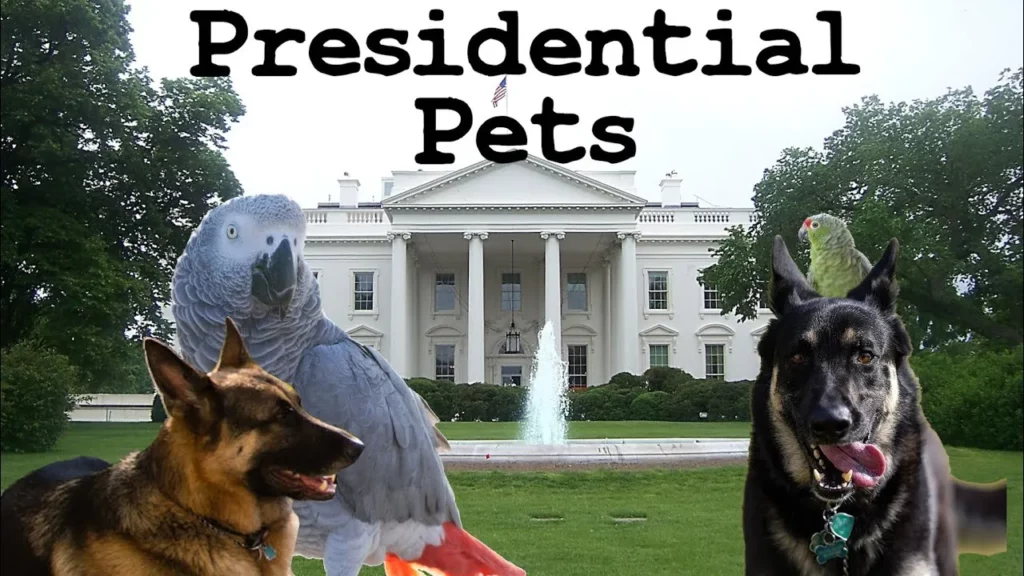
The lesson explores the rich tradition of presidential pets in the White House, highlighting that 33 out of 42 U.S. presidents have had dogs, along with various other animals like birds and horses. From George Washington’s beloved dogs to Joe Biden’s rescue dog Major, these pets have served as companions and symbols of comfort for presidents throughout history, often influencing public perception and even international relations. The lesson emphasizes the unique bond between presidents and their pets, showcasing how these animals have added a personal touch to the presidency.
2 Minute Tour of Indiana: 50 States for Kids
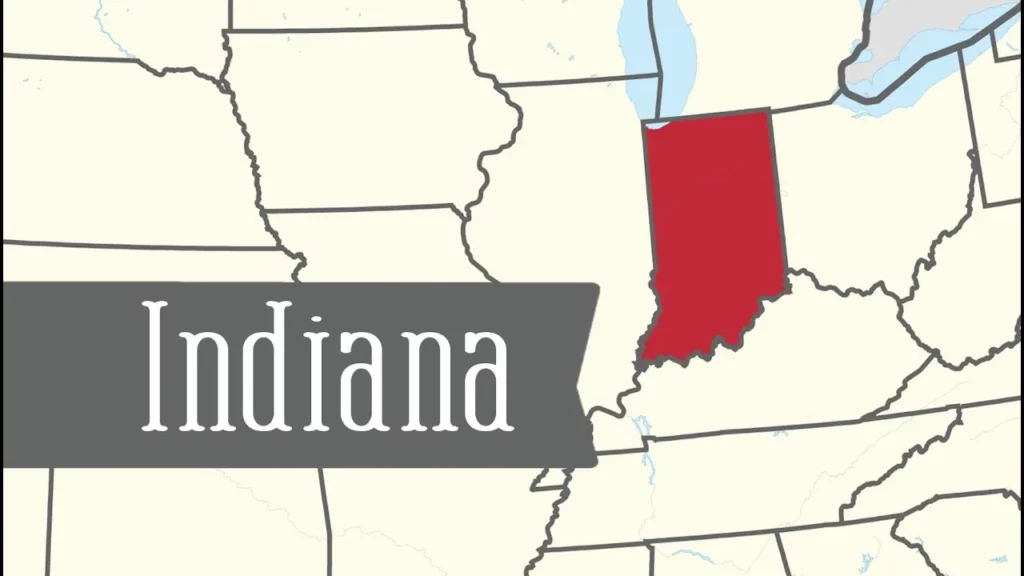
The lesson explores Indiana, known as the Hoosier State, highlighting its historical significance, transportation importance, and notable residents. It discusses the state’s origins, its name meaning “the land of Indians,” and its role as the “Crossroads of America” due to its extensive highways and railroads. Additionally, the lesson features famous individuals from Indiana and emphasizes the state’s cultural contributions, particularly through events like the Indianapolis Motor Speedway and the Indy 500 race.
Why Aren’t There Penguins in the Arctic? FreeSchool Presents a Closer Look at Arctic Penguins
The lesson explains why penguins are exclusively found in the southern hemisphere and not in the Arctic, despite both regions being cold. It highlights penguins’ temperature sensitivity, their need for safe nesting areas, and the challenges they face in warmer waters, including human interference. Attempts to introduce penguins to the Arctic were unsuccessful, reinforcing that they thrive best in their natural habitats.
Biography of Henry VIII for Kids: Famous Kings from History for Children
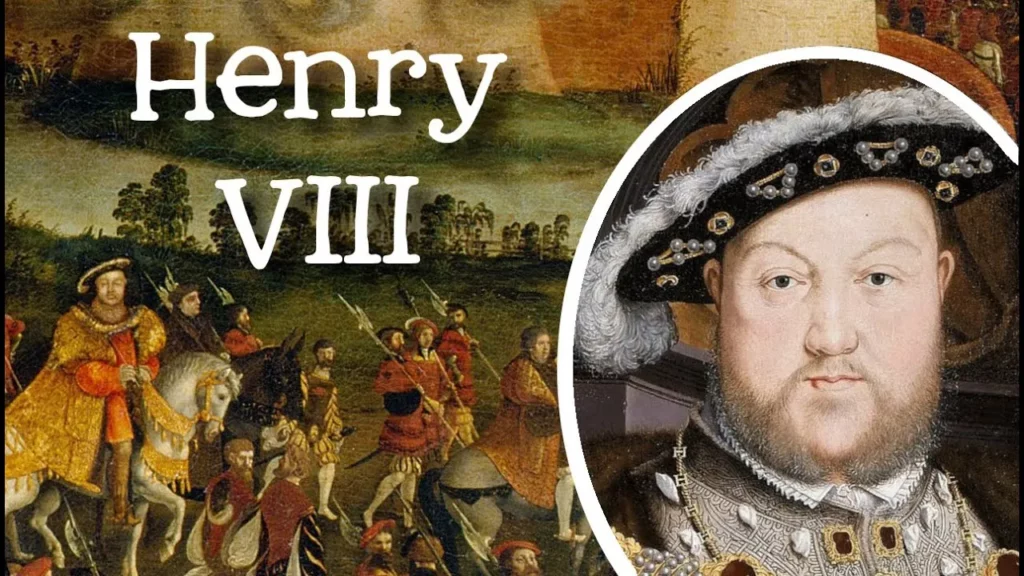
King Henry VIII, who ruled England from 1509 to 1547, is renowned for his six marriages and significant religious and political reforms, including the establishment of the Church of England after his break with the Catholic Church. His quest for a male heir led to dramatic personal and national changes, including the execution of two of his wives and the eventual rise of his son, Edward VI, to the throne. Henry’s legacy is marked by the profound impact of his decisions on England’s history and the spread of Protestantism.
Myth of Leo: Constellation Quest – Astronomy for Kids, FreeSchool
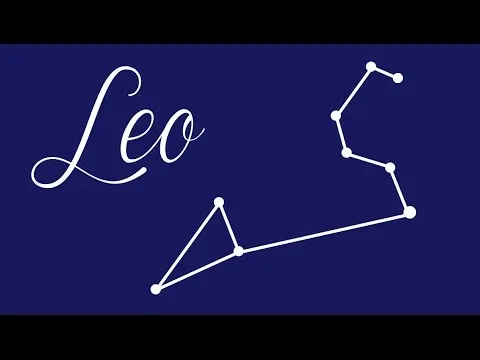
The lesson on the constellation Leo introduces it as a prominent zodiac constellation, recognizable for its lion shape and best viewed from late March to May in the Northern Hemisphere. It highlights Leo’s historical significance, linking it to ancient cultures and Greek mythology, particularly the story of Hercules and the Nemean Lion. Additionally, the lesson provides tips for locating Leo in the night sky and showcases its celestial features, including the bright star Regulus and the Leonids meteor shower, encouraging stargazers to explore this fascinating constellation.
All About the Water Cycle for Kids: Introduction to the Water Cycle for Children
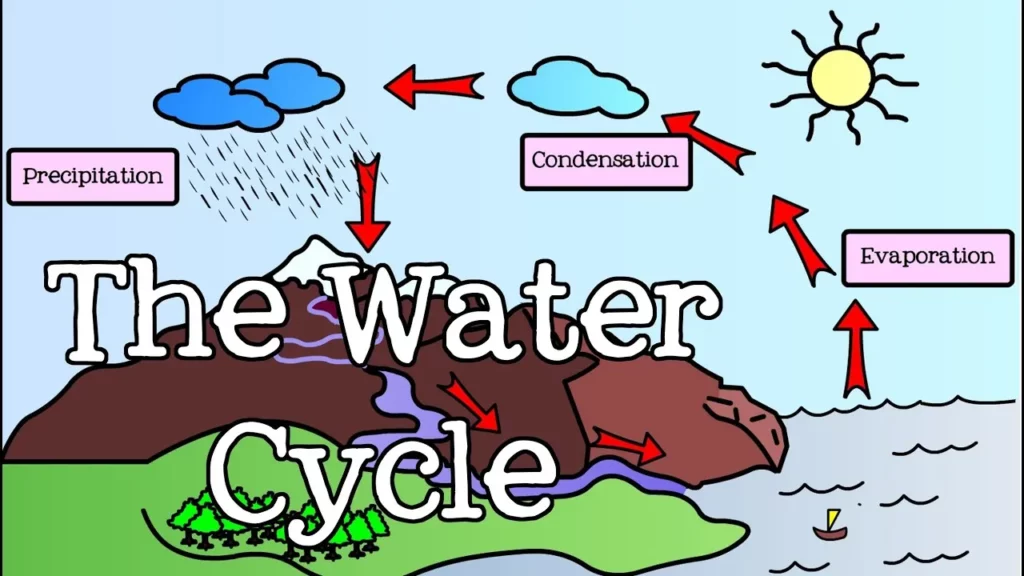
The lesson on the water cycle explains how water continuously moves through various stages—evaporation, condensation, precipitation, and collection—essential for sustaining life on Earth. It highlights the importance of this cycle in regulating weather and ensuring that water is available for all living organisms. Additionally, it emphasizes that Earth’s water is constantly recycled, illustrating the remarkable journey water takes while remaining a finite resource.
Exploring Egyptian Civilization for Kids: Ancient Egyptian Culture Documentary
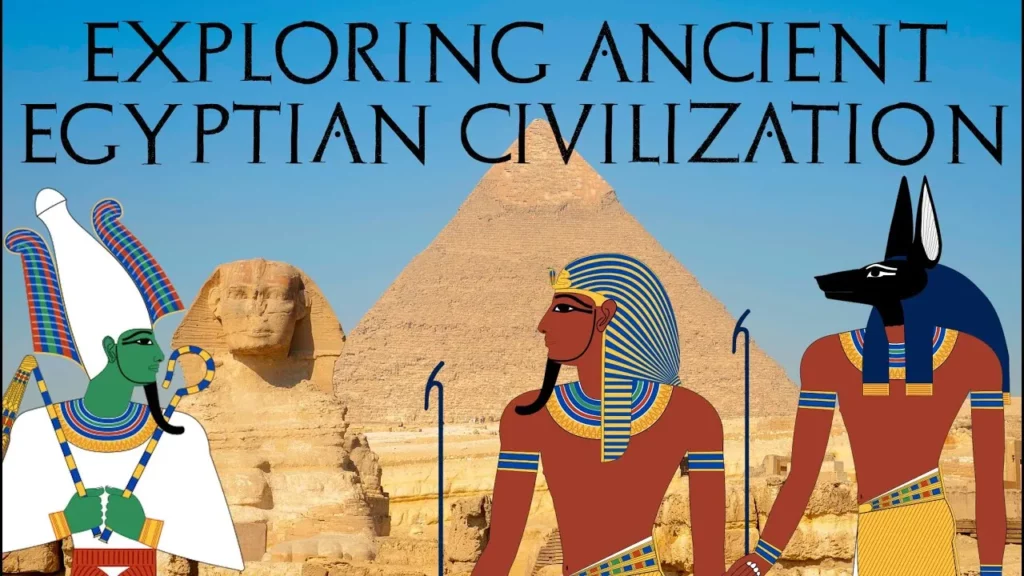
The lesson on Ancient Egypt explores the civilization’s remarkable achievements, including its unification under Pharaoh Narmer, the significance of the Nile River for agriculture and trade, and the complex belief system surrounding life after death. It highlights the role of pharaohs as god-kings, the societal structure, and the practices of mummification, which were integral to their culture. Despite its conquest by the Romans, the legacy of Ancient Egypt endures through its monumental architecture and contributions to history, such as the Rosetta Stone, which facilitated the understanding of hieroglyphics.