
Emily Dickinson: Hope is the Thing with Feathers – Poems for Kids, FreeSchool
In Emily Dickinson’s poem “Hope is the thing with feathers,” hope is metaphorically depicted as a bird that resides in our hearts, providing comfort and resilience through life’s challenges. The poem emphasizes that hope is unwavering and generous, always present even in difficult times, and it does not require anything in return. Ultimately, Dickinson’s work serves as a powerful reminder of hope’s enduring presence and its ability to uplift us during our struggles.
Nicole the Nuthatch Letter N Poem: Alphabet Poem for Kids Early Birds
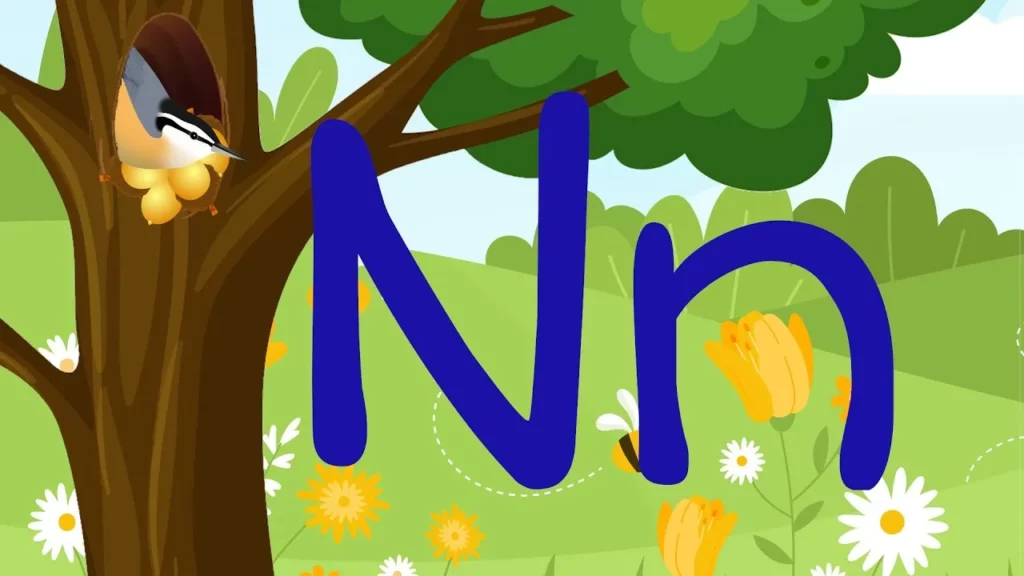
The lesson introduces Nicole the Nuthatch, a cheerful bird known for her beautiful singing and love for nuts, which she enjoys in her cozy nest. It highlights her friendly relationship with a neighboring newt, illustrating the harmonious connections that can exist in nature. Through Nicole’s story, we learn about the charm and vibrancy of wildlife and the importance of friendships among animals.
The Story of Apollo 11 and the First Men on the Moon: the Moon Landing for Kids
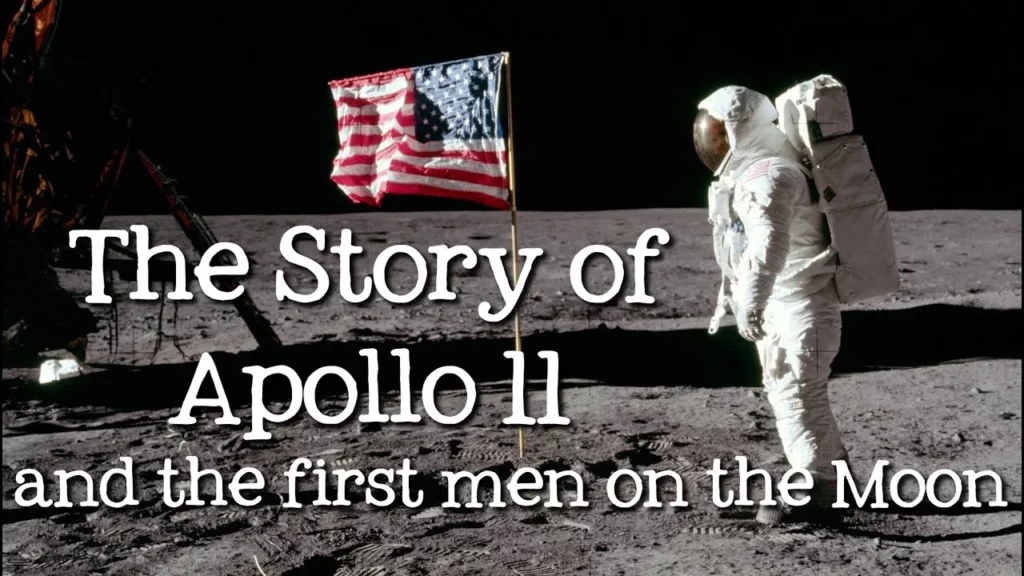
The Apollo 11 mission, launched on July 16, 1969, marked a historic milestone as humanity’s first journey to the moon. Astronauts Neil Armstrong and Buzz Aldrin successfully landed on the lunar surface, where Armstrong famously declared, “That’s one small step for man, one giant leap for mankind,” before conducting scientific experiments and collecting samples. The mission concluded with a safe return to Earth on July 24, 1969, inspiring future exploration of space.
Why We Celebrate the Fourth of July – Declaration of Independence for Kids
The Fourth of July, or Independence Day, is a significant holiday in the United States that commemorates the adoption of the Declaration of Independence on July 4, 1776, marking the colonies’ break from British rule. This day not only features festive celebrations like parades and fireworks but also serves as a reminder of the core values of freedom and equality articulated in the Declaration. It is a time for Americans to reflect on their history and honor those who fought for their independence.
Top 10 Heaviest Land Mammals on Earth: Creature Countdown
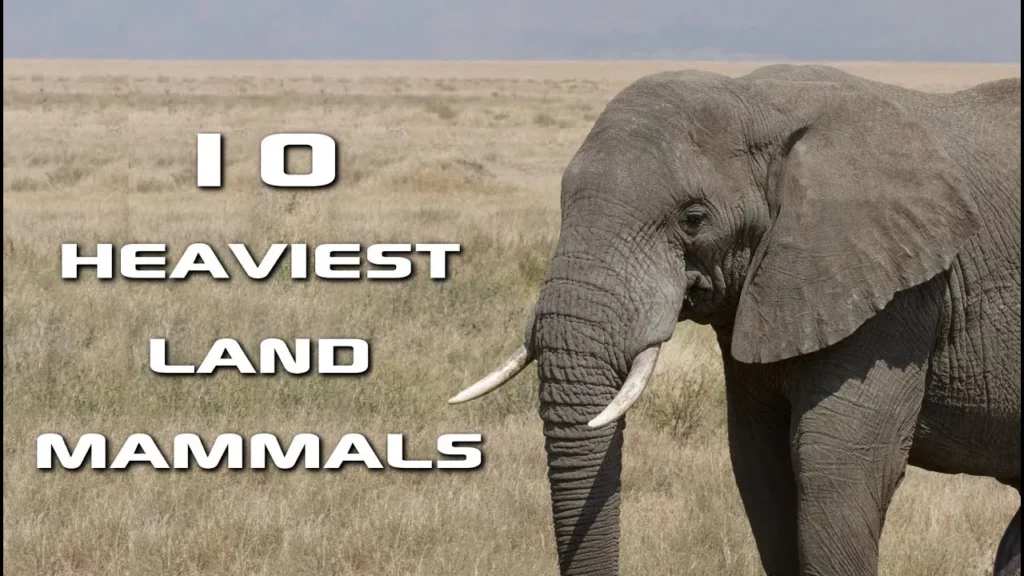
This lesson explores the ten heaviest land mammals, highlighting their unique characteristics and habitats. From the American Bison to the African Elephant, each animal showcases the diversity and grandeur of terrestrial wildlife, emphasizing their ecological importance and the conservation efforts needed to protect them. Understanding these magnificent creatures enhances our appreciation for the natural world.
Welcome to FreeSchool is great for kids!
FreeSchool offers a safe and engaging learning environment for kids, where they can explore a variety of topics such as art, music, and nature in a fun and entertaining way. The platform encourages creativity and appreciation for culture through activities like discussing famous artworks and listening to classical music, while also inviting parents to participate in their children’s educational journey. With additional fun learning ideas, FreeSchool emphasizes that learning is an adventure filled with endless discoveries.
All About Rhinos for Kids: Rhinoceros for Children
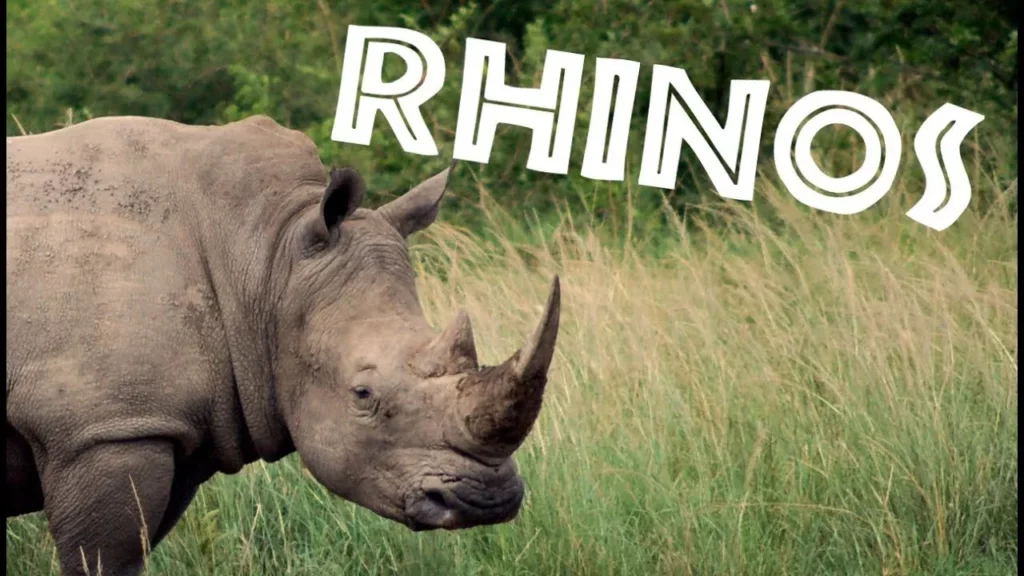
The lesson on rhinoceroses highlights their impressive size, unique physical characteristics, and essential role in the ecosystem as herbivores. It emphasizes the threats they face from poaching due to the misconception about their horns and discusses conservation efforts aimed at protecting these majestic animals. Understanding rhinos and their challenges is crucial for ensuring their survival and maintaining biodiversity in their habitats.
Castles for Kids: What is a Castle? Medieval History for Children
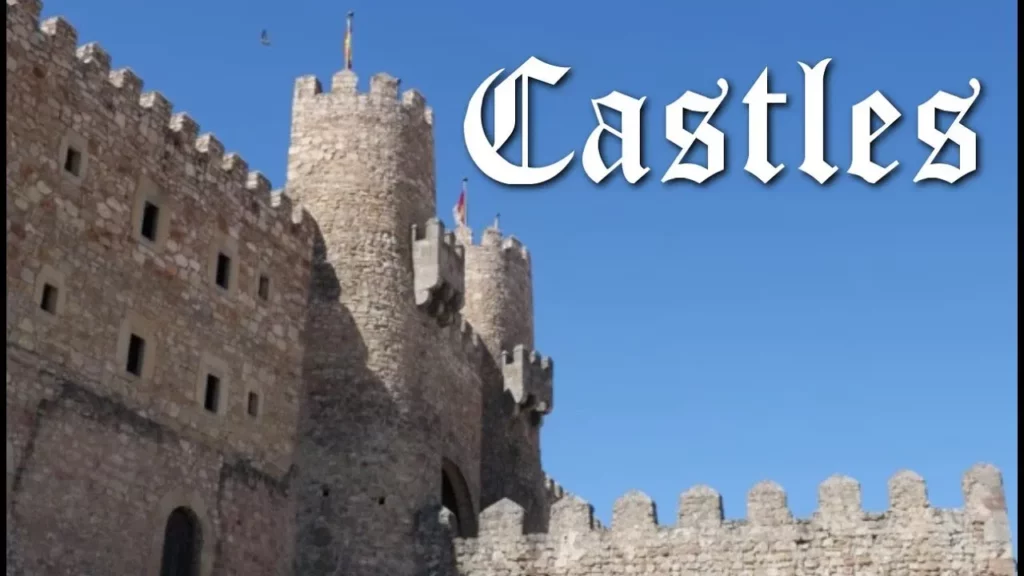
The lesson “Discovering Castles: Their Purpose and History” explores the evolution of castles from their origins in the 9th and 10th centuries as strongholds for kings and lords to their decline due to advancements in weaponry and changes in governance. It highlights the architectural features of early motte-and-bailey and later stone castles, emphasizing their defensive capabilities and the reasons for their eventual abandonment. Despite their diminished practical use, castles continue to captivate people’s interest for their historical significance and aesthetic appeal.
Biography of Christopher Columbus for Children: Famous Explorers for Kids
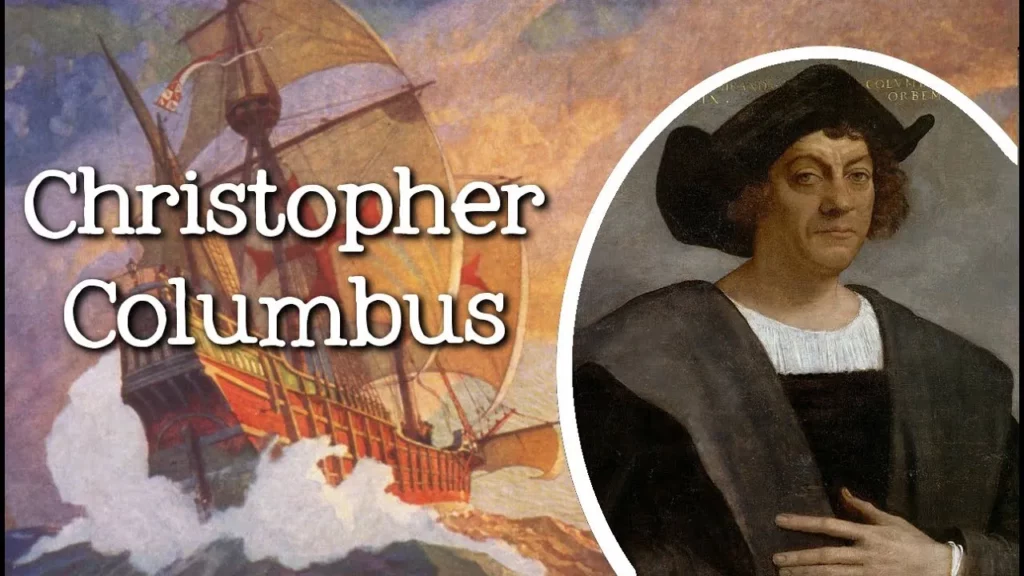
The lesson on Christopher Columbus covers his early life, his quest to find a western route to Asia, and the significant voyages he undertook in the late 15th century. Despite facing numerous challenges, including skepticism from experts and difficulties in securing funding, Columbus ultimately gained support from Spain and made his historic journey in 1492, leading to the discovery of the Americas. His expeditions, while controversial, initiated a new era of exploration and exchange that profoundly impacted global history, culminating in his lasting legacy as a pivotal figure in the Age of Discovery.
Physical and Chemical Changes: Chemistry for Kids
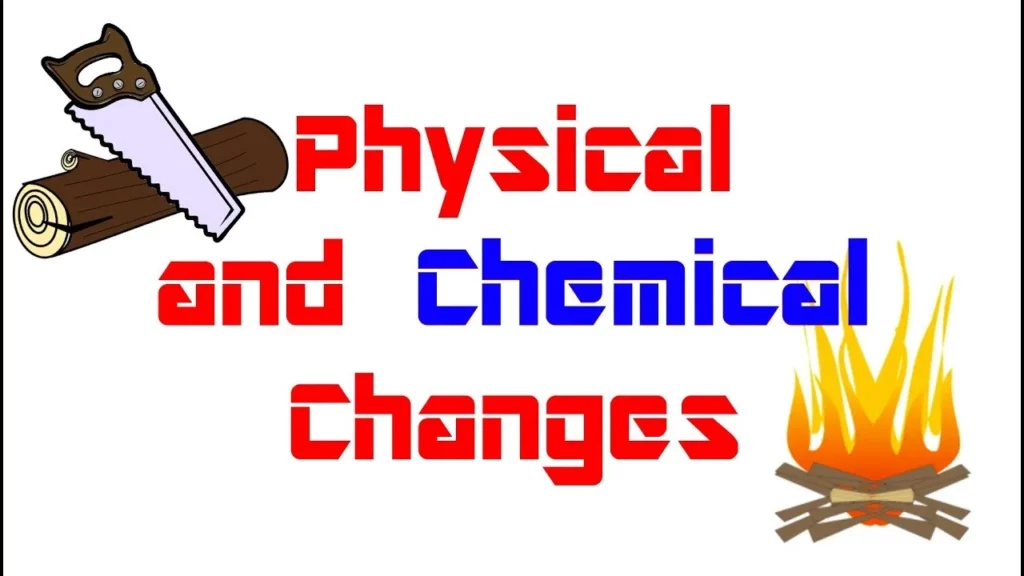
This lesson explores the distinction between physical and chemical changes, highlighting that physical changes alter the size, shape, or state of a substance without creating a new one, while chemical changes result in the formation of new substances and are often irreversible. Examples such as melting ice for physical changes and baking a cake for chemical changes illustrate these concepts. Understanding these differences enhances our comprehension of everyday transformations in the world around us.