
Biography of Alexander Graham Bell for Children: Famous Inventors for Kids
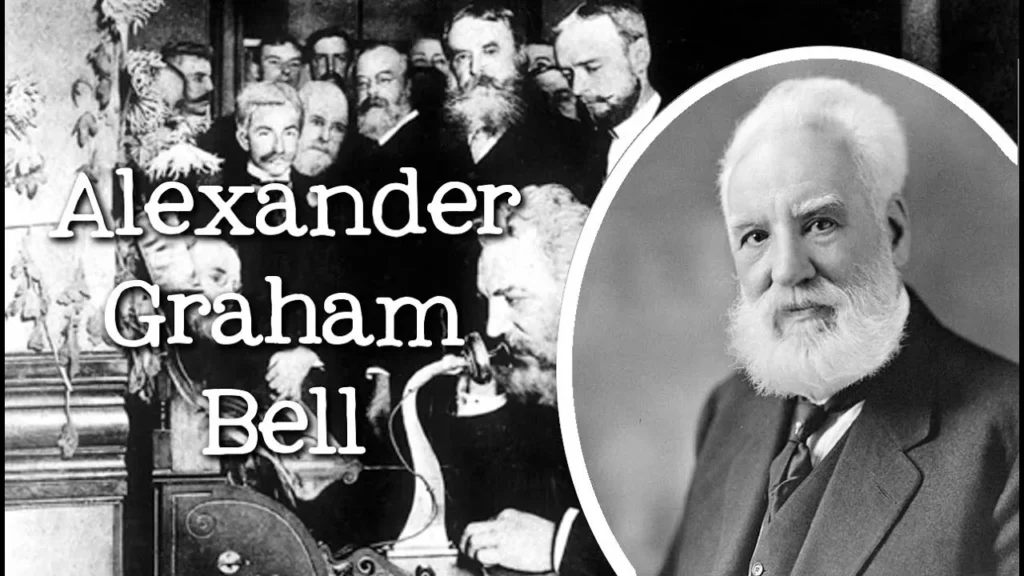
The lesson on Alexander Graham Bell highlights his early curiosity about sound, which was influenced by his family’s background in teaching and his personal experiences with hearing loss. It details his journey from a young inventor to the creator of the telephone, marking the historic first call in 1876, and showcases his continued innovations in communication technology. Bell’s legacy endures as a pivotal figure in the history of inventions, remembered for his contributions to improving communication.
Muscular System 101 – The Human Muscular System and Types of Muscles 101
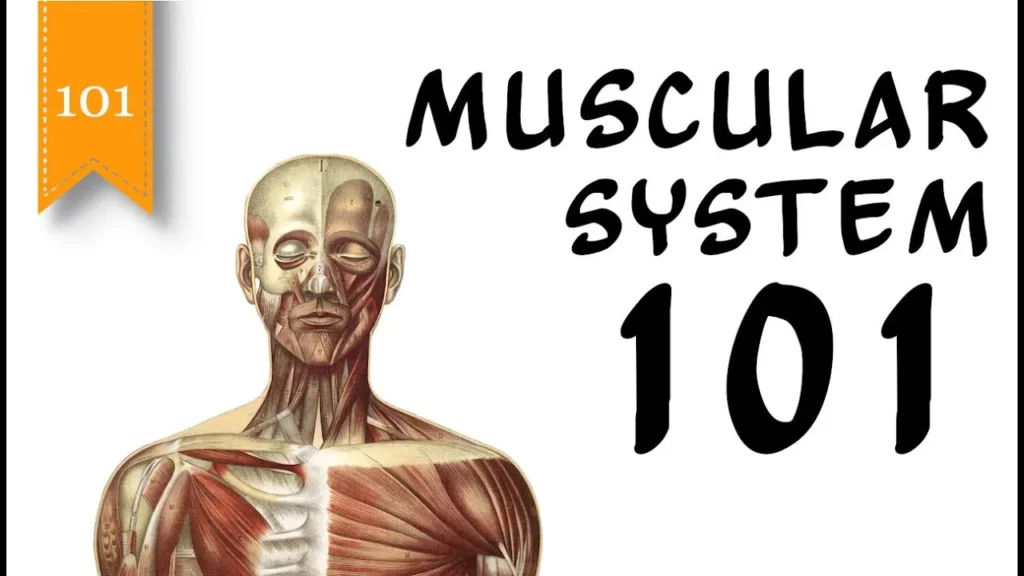
The human muscular system consists of over 600 muscles that account for about 40% of our body weight, playing a crucial role in movement, posture, and vital bodily functions. There are three main types of muscle tissue: skeletal muscles, which are voluntary and control movement; smooth muscles, which are involuntary and manage functions like digestion and blood flow; and cardiac muscle, which is also involuntary and responsible for pumping blood throughout the heart. Together, these muscles work in harmony, receiving signals from the nervous system to perform essential tasks that keep our bodies functioning properly.
Two Minute Tour of Rhode Island: 50 States for Kids

The lesson on Rhode Island, known as the Ocean State, highlights its historical significance as a pioneer of religious freedom and its role in American history, being the first colony to reject British rule and the last to ratify the U.S. Constitution. Despite being the smallest state, Rhode Island boasts a rich cultural heritage, including the first circus in the U.S. and the oldest carousel, while also being home to the first Baptist church and synagogue in America, reflecting its diverse religious landscape. Overall, Rhode Island offers a unique glimpse into the early days of the United States.
Rembrandt for Children: Art History Biography for Kids

The lesson explores the life and legacy of Rembrandt van Rijn, a prominent Dutch painter born in 1606, who became renowned for his exceptional portraiture and diverse artistic themes. Despite achieving fame and success, Rembrandt faced financial difficulties later in life, ultimately passing away in poverty. His mastery of light, shadow, and realism has left a lasting impact on the art world, ensuring that his contributions continue to be celebrated and admired today.
The History of Santa Claus: St. Nicholas and the Origin of Santa
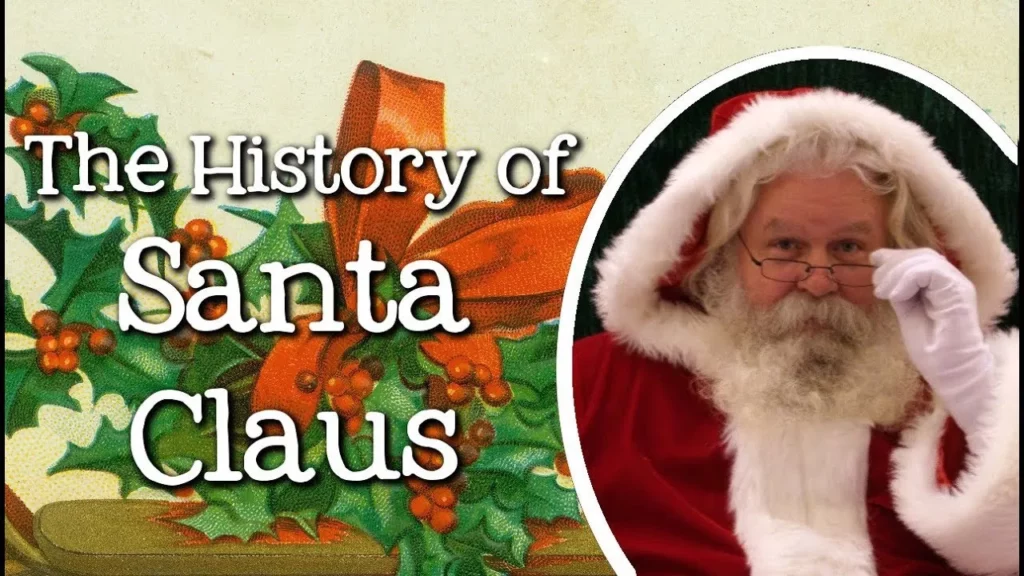
The lesson explores the historical origins of Santa Claus, tracing his roots back to Saint Nicholas, a kind man from Turkey known for his generosity. Over the centuries, the figure of Santa evolved through various cultural influences and traditions, particularly in Europe and America, culminating in the modern depiction popularized by literature and illustrations in the 19th century. Ultimately, the story of Santa Claus embodies themes of kindness and the spirit of giving, reminding us of the joy in helping others during the Christmas season.
Myth of Ursa Major: Constellation Quest – Astronomy for Kids, FreeSchool
The lesson explores Ursa Major, the largest constellation in the northern sky, highlighting its prominent feature, the Big Dipper, which is an important asterism recognized across various cultures. It delves into the cultural myths surrounding Ursa Major, its circumpolar nature, and its historical significance for navigation, particularly through the use of the Big Dipper to locate the North Star. Overall, Ursa Major serves as a beautiful and meaningful part of the night sky, rich in stories and practical applications.
All About Goldfinches: Backyard Bird Series
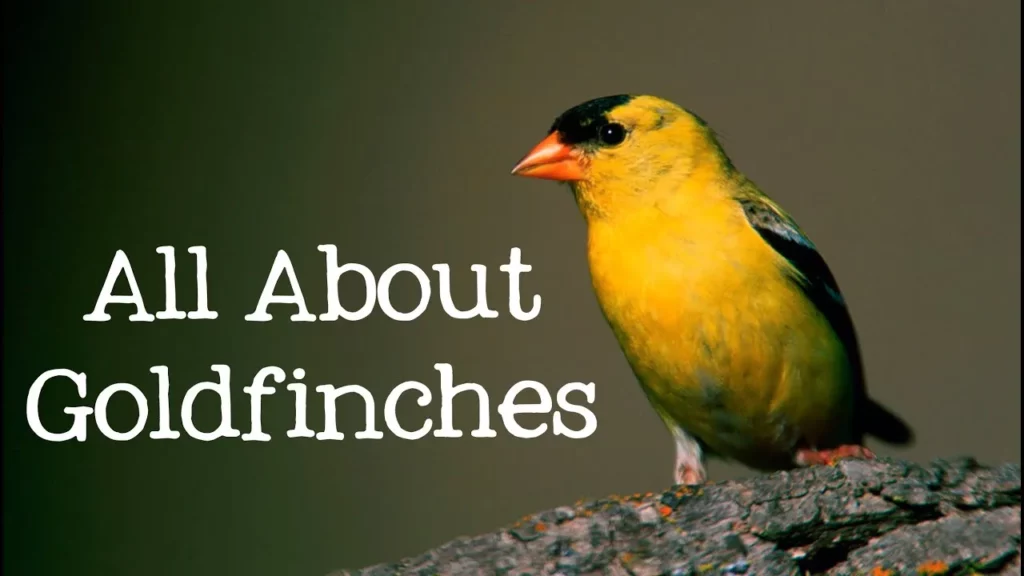
The American Goldfinch is a vibrant migratory bird known for its striking yellow plumage and distinctive features, with males being more colorful than females. They inhabit various regions across North America, migrating south for the winter and favoring seeds from plants like thistles and sunflowers for their diet. Recognized as the state bird of Iowa, New Jersey, and Washington, the American Goldfinch is a delightful sight for birdwatchers and nature enthusiasts alike.
Elephants for Little Ones: Preschool Learning about Elephants for Kids Early Birds
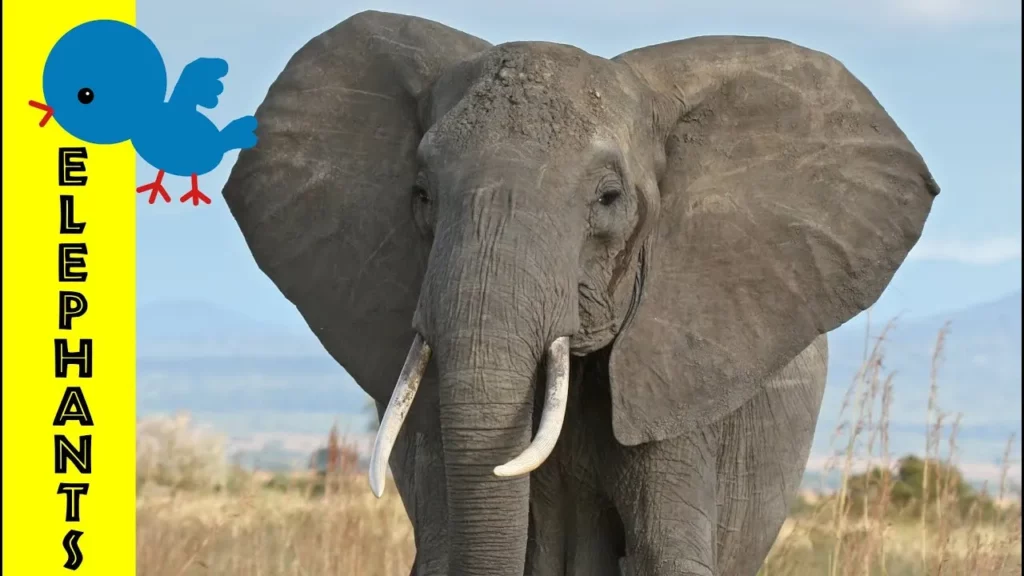
The lesson “Discovering Elephants: The Gentle Giants of the Animal Kingdom” introduces students to the remarkable characteristics and behaviors of elephants, highlighting their unique trunk, herbivorous diet, and strong social structures within herds led by a matriarch. It emphasizes the differences between African and Asian elephants and underscores the importance of understanding these magnificent creatures to appreciate the wonders of nature.
Why Does the Eclipse Move From West to East? Is the Eclipse Going Backward? FreeSchool

The lesson explains the mechanics behind the movement of the moon’s shadow during a solar eclipse, highlighting that the moon orbits the Earth counterclockwise while the Earth spins from west to east. This unique combination of the moon’s rapid movement and the Earth’s rotation causes the shadow to travel from west to east across the Earth’s surface during an eclipse. Understanding these dynamics enhances our appreciation of solar eclipses and their fascinating celestial choreography.
Why Do Leaves Change Color? What Makes the Leaves Fall? FreeSchool

The lesson explores the fascinating transformation of autumn leaves, explaining how trees prepare for winter by halting photosynthesis and allowing chlorophyll to fade, revealing vibrant colors. It highlights the roles of deciduous and evergreen trees, detailing how deciduous trees shed their leaves while evergreens retain theirs to survive harsh conditions. Understanding this natural process enhances our appreciation for the seasonal changes in nature.