
Tigers for Little Ones: Preschool Learning about Tigers for Kids Early Birds
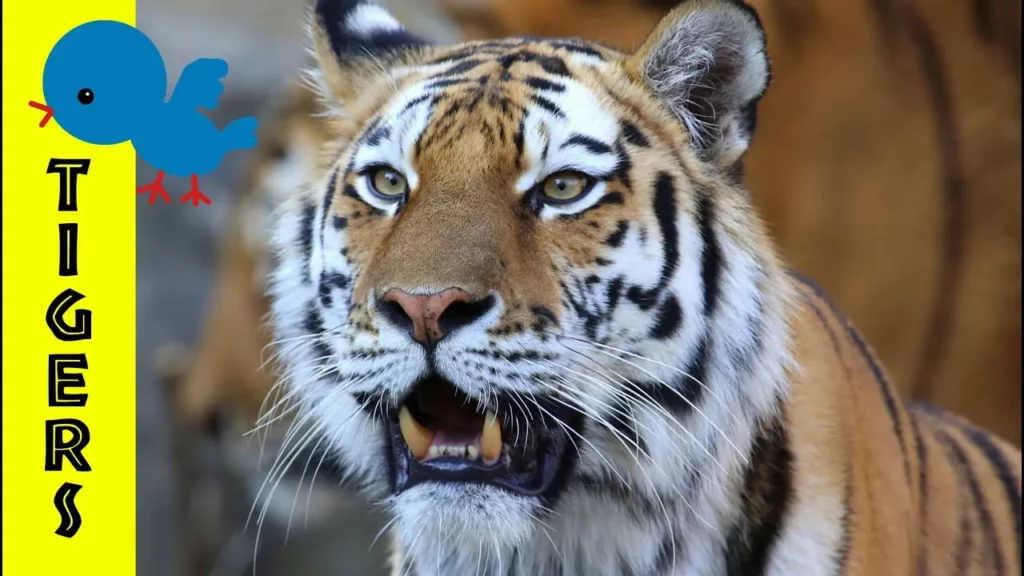
The lesson on tigers highlights their status as the largest members of the cat family, known for their striking appearance and powerful presence. It covers their physical characteristics, hunting habits, unique affinity for water, and natural behaviors, emphasizing the importance of their habitat in the wild. The lesson concludes by encouraging appreciation and conservation efforts to ensure future generations can experience the majesty of these incredible animals.
2 Minute Tour of Vermont: 50 States for Kids
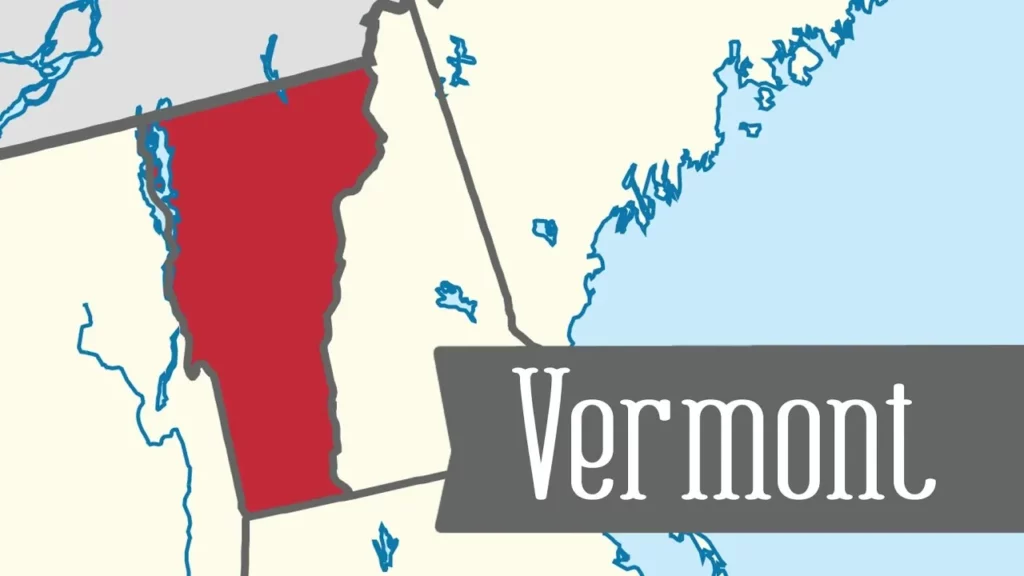
The lesson on Vermont, known as the Green Mountain State, highlights its rich history, unique geographical features, and natural beauty. It discusses Vermont’s significance as the first state to join the Union after the original thirteen colonies, its role in ending slavery, and its notable contributions to the economy, particularly in maple syrup production and stone resources. With its picturesque landscapes and small population, Vermont offers a peaceful retreat and a wealth of historical and cultural experiences.
Understanding Lunar Eclipse: Astronomy and Space for Children

This lesson explores lunar eclipses, an astronomical event that occurs when the Moon moves into the Earth’s shadow during a full moon, blocking sunlight from reflecting off its surface. It describes the three types of lunar eclipses—penumbral, partial, and total—and explains the conditions necessary for their occurrence, as well as the unique reddish hue seen during a total lunar eclipse. Observing a lunar eclipse is accessible to everyone, as it can be viewed without special equipment, making it a fascinating event to experience.
Exploring Maya Civilization for Kids: Ancient Mayan Culture Documentary for Children
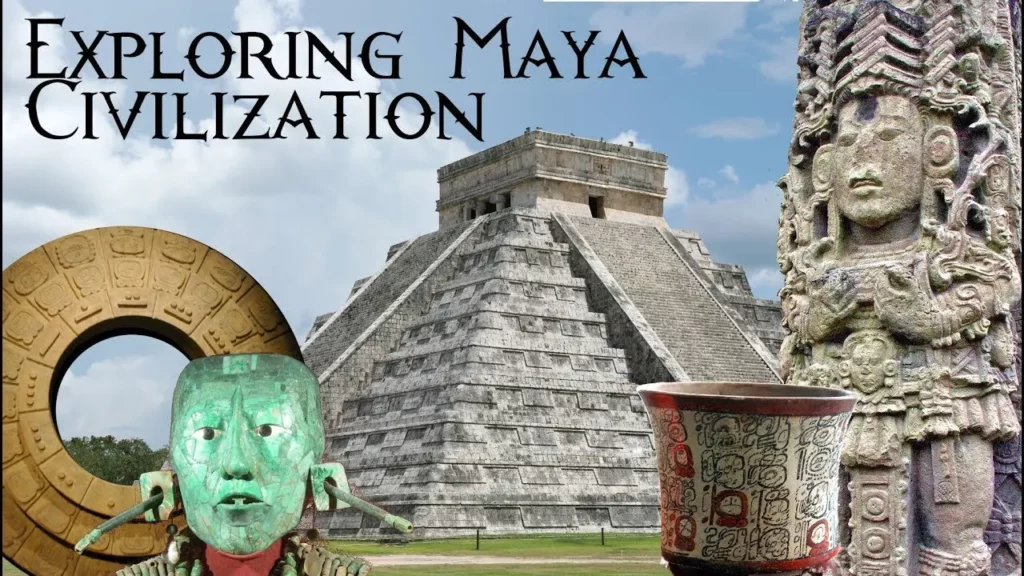
The lesson explores the remarkable achievements and culture of the ancient Maya civilization, highlighting their unique societal structure of city-states, rich mythology, advanced agricultural practices, and impressive architectural and artistic accomplishments. It also discusses their religious beliefs, including the significance of sacrifice, as well as their contributions to mathematics and astronomy. Despite their decline around 900 AD, the Maya’s legacy endures through ongoing archaeological discoveries and the continued presence of Maya descendants who preserve their traditions and languages.
Exploring the Arctic for Kids: Arctic Animals and Climates for Children
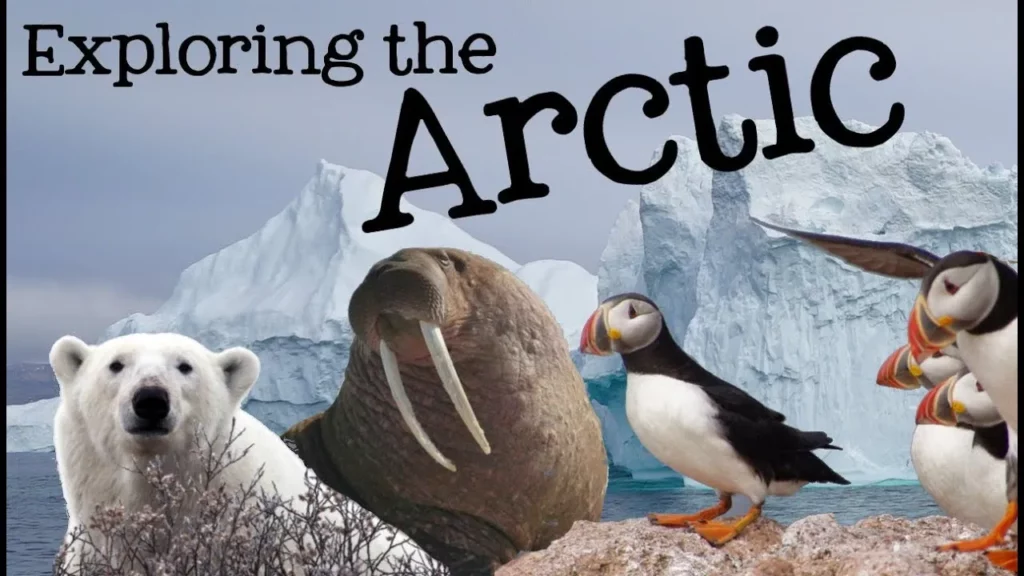
The lesson “Exploring the Arctic: A Land of Extremes” highlights the unique characteristics of the Arctic, including its extreme weather, fascinating daylight cycles, and the stunning aurora borealis. It explores the diverse wildlife that has adapted to survive in this harsh environment, from migratory birds to large marine predators like polar bears, while emphasizing the importance of conservation efforts to protect this delicate ecosystem from human threats.
Two Minute Tour of Georgia: 50 States for Kids
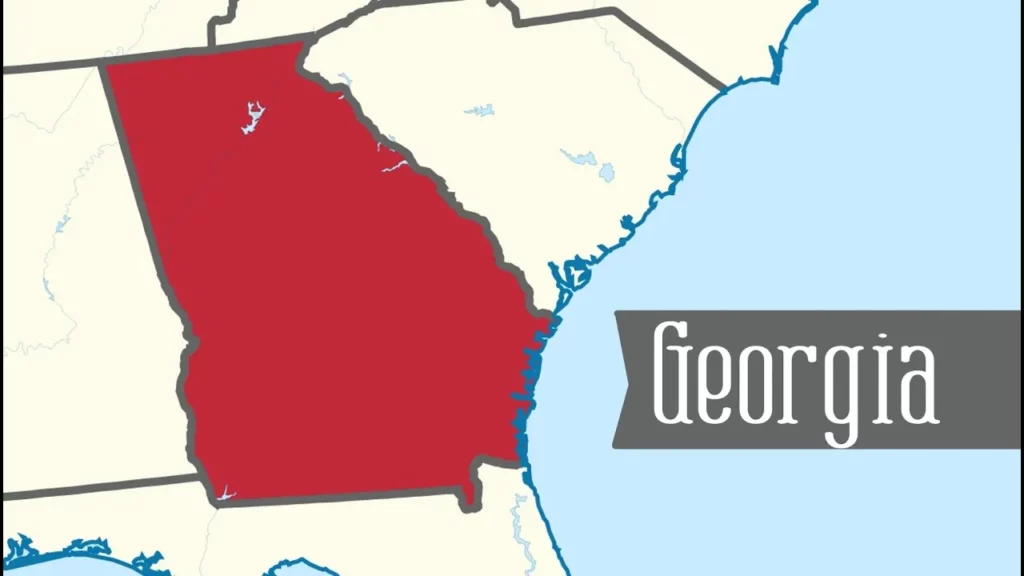
The lesson explores Georgia, known as the “Peach State,” highlighting its rich history, diverse geography, and cultural significance. It covers key aspects such as Georgia’s role as the last of the original thirteen colonies, its importance during the Civil War, notable attractions like the Georgia Aquarium, and influential figures such as Jimmy Carter and Martin Luther King Jr. Overall, Georgia is presented as a state brimming with historical and natural treasures.
Biomes of the World for Children: Oceans, Mountains, Grassland, Rainforest, Desert
The lesson “Exploring Earth’s Amazing Biomes” highlights the interconnectedness of living organisms within various ecosystems, emphasizing the importance of biomes as large groups of similar ecosystems characterized by specific plants, animals, and climates. It covers diverse biomes, including the Marine, Freshwater, Polar Regions, Tundra, Forests, Grasslands, Tropical Rainforests, and Deserts, illustrating how each biome supports unique life forms and plays a crucial role in maintaining ecological balance. Understanding these biomes is essential for their conservation and the protection of the diverse species they harbor.
Exploring Landforms and Bodies of Water for Kids
In this lesson, we explored the diverse landforms that make up our planet, including the seven continents and five major oceans, as well as smaller features like mountains, valleys, islands, and coastal formations. We learned about the characteristics of various landforms, such as plains and plateaus, and their significance in shaping Earth’s landscape and supporting life. Understanding these natural formations enhances our appreciation of the beauty and complexity of our world.
What is a Plant? All About Plants for Kids
The lesson “Understanding Plants: The Foundation of Life on Earth” highlights the vital role plants play in sustaining life, including food production, oxygen generation, and habitat creation. It explores the unique characteristics of plants, such as their cellular structure and adaptations for survival, including carnivorous behaviors and defense mechanisms. Additionally, the lesson discusses various seed dispersal strategies that ensure the continuation of plant life, emphasizing the need to appreciate and protect these remarkable organisms.
Simple Machines for Kids: Science and Engineering for Children

The lesson on simple machines highlights their role in making work easier by either amplifying force or changing its direction. It introduces six main types of simple machines—lever, wheel and axle, pulley, inclined plane, wedge, and screw—along with historical insights from Archimedes. Understanding these machines enhances our appreciation of their everyday applications and their significance in building complex machines.