
Ceres: the Forgotten Planet – the History of Ceres for Kids
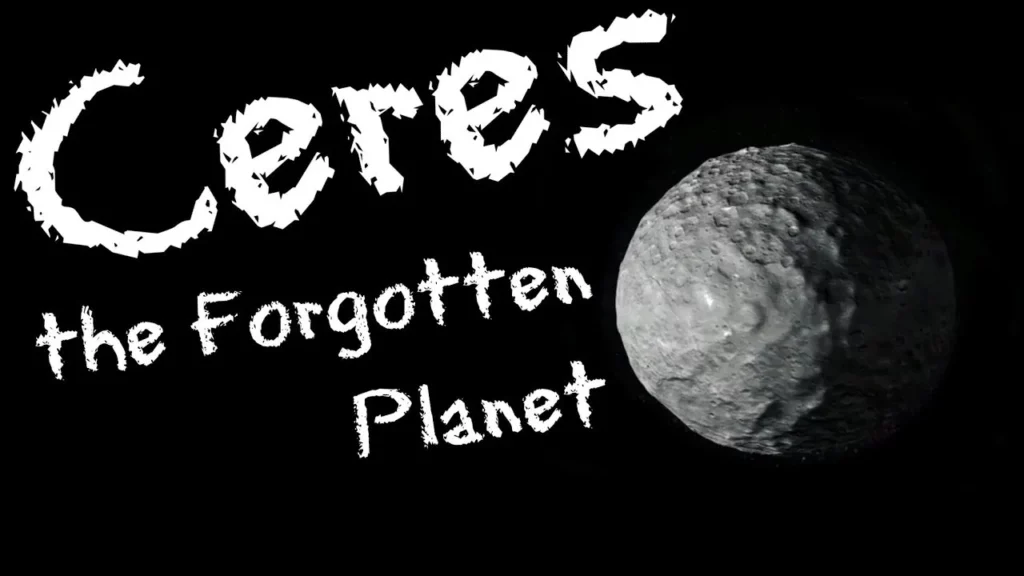
The lesson explores the evolution of our understanding of the solar system through the story of Ceres, which was discovered in 1801 and initially classified as a planet. Over time, as more celestial objects were discovered, Ceres was reclassified and eventually designated as a dwarf planet in 2006, alongside Pluto. This narrative illustrates how scientific knowledge evolves and highlights the importance of Ceres as the largest object in the asteroid belt and a unique member of the inner solar system.
Fish or Not Fish: Is That Aquatic Animal a Fish?
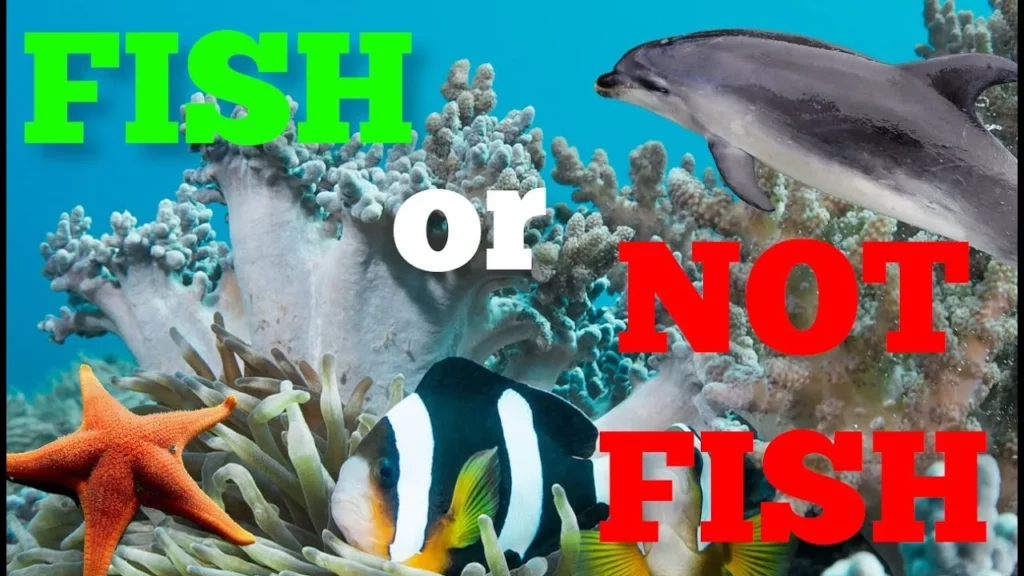
The lesson explores the distinction between fish and other aquatic creatures, emphasizing that to be classified as a fish, an animal must have a backbone, live in water, and possess gills and fins. Through examples like clownfish, seahorses, and sharks, the lesson illustrates which animals are indeed fish, while also clarifying that starfish, cuttlefish, penguins, jellyfish, and dolphins belong to different categories. Ultimately, it highlights the incredible diversity of aquatic life and the importance of understanding these differences.
All About Bees for Kids: Bee Facts and Information for Children
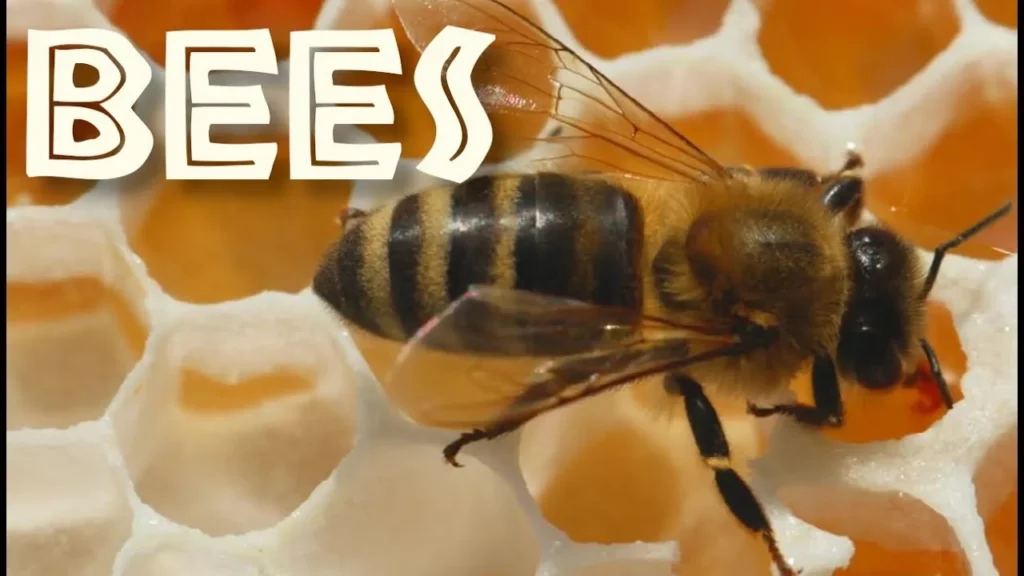
The lesson explores the vital role bees play in our ecosystem, highlighting their diversity, anatomy, and the crucial process of pollination that supports plant growth. It emphasizes the significance of honeybees, particularly their social structure and the hardworking nature of worker bees, while also addressing the threats they face from pesticides and climate change. Ultimately, the lesson calls for collective efforts to protect bees and their habitats to ensure their survival and the health of our environment.
Two Minute Tour of Massachusetts: 50 States for Kids
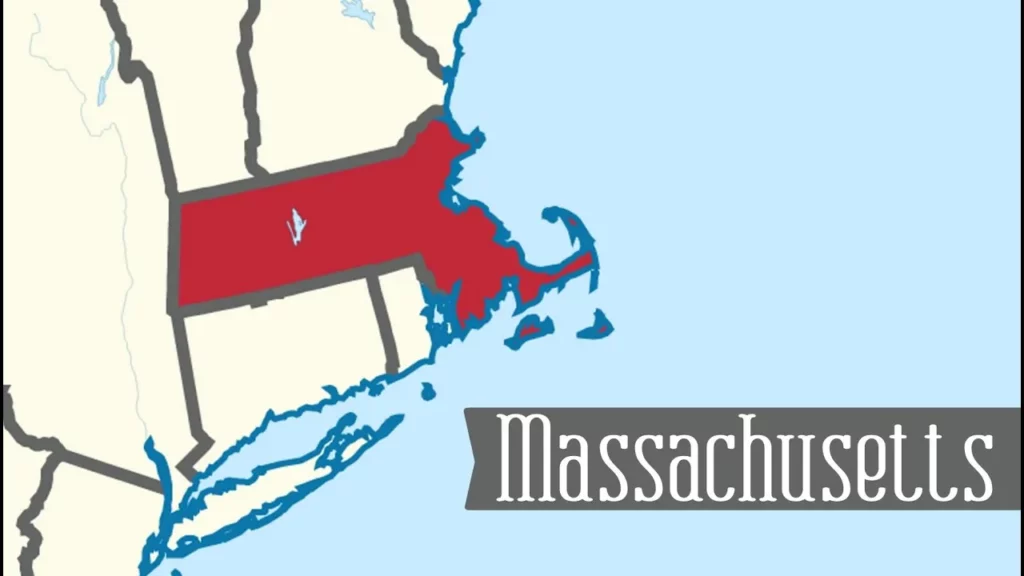
The lesson on Massachusetts, known as the Bay State, highlights its rich historical significance and beautiful coastal scenery. Key events such as the arrival of the Pilgrims on the Mayflower, the first Thanksgiving, the Salem Witch Trials, and the Boston Tea Party illustrate the state’s pivotal role in American history and its cultural heritage. Massachusetts remains an important site for understanding the foundations of the United States and its ongoing legacy.
Biography of Marie Curie for Kids: Famous Scientists for Children
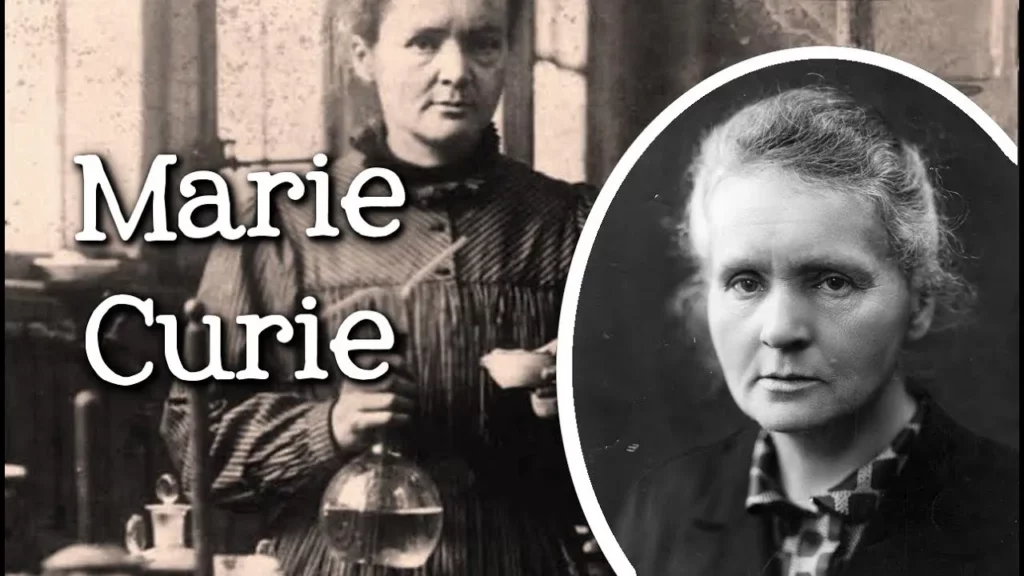
The lesson highlights the remarkable life of Marie Curie, a pioneering scientist who overcame numerous challenges to make groundbreaking contributions to the field of radioactivity. Born in Poland and educated in secret due to gender restrictions, she excelled in her studies in France, ultimately becoming the first woman to earn a doctorate in physics and winning two Nobel Prizes in different scientific fields. Curie’s legacy endures through her significant discoveries and her role as an inspiration for future generations, particularly women in science.
Exploring the Coral Reef: Learn about Oceans for Kids
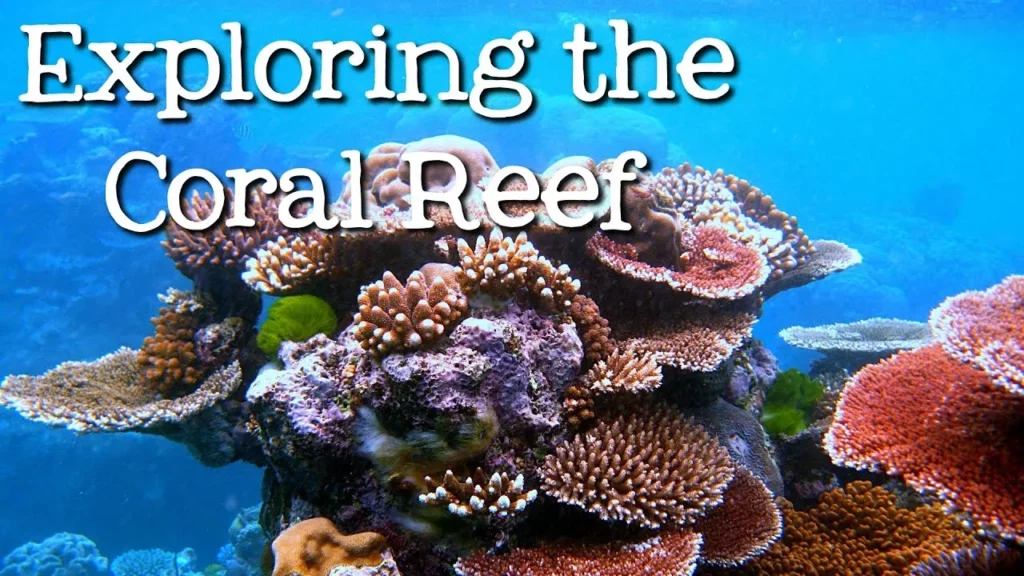
The lesson explores the vibrant ecosystem of coral reefs, highlighting their significance as underwater habitats formed by coral polyps, which create structures that support diverse marine life. It emphasizes the delicate balance of symbiotic relationships within the reef, the threats posed by human activities, and the urgent need for conservation efforts to protect these vital ecosystems. By understanding and advocating for coral reefs, we can contribute to the health of our oceans and the myriad species that depend on them.
Understanding Ecosystems for Kids: Producers, Consumers, Decomposers
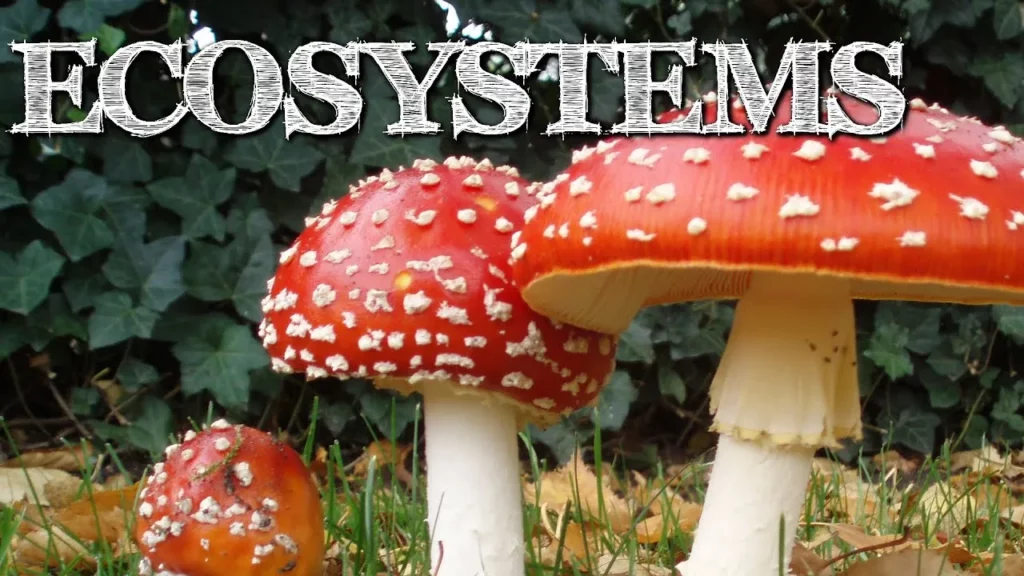
The lesson “Understanding Ecosystems: The Interconnected Web of Life” emphasizes the vital role ecosystems play in supporting diverse forms of life, highlighting the interdependence of living and non-living components. It explains the different types of organisms within ecosystems—producers, consumers, and decomposers—and the importance of maintaining balance for ecosystem health. Additionally, it encourages human responsibility in protecting these environments through simple actions that promote sustainability and recovery.
Two Minute Tour of Connecticut: 50 States for Kids
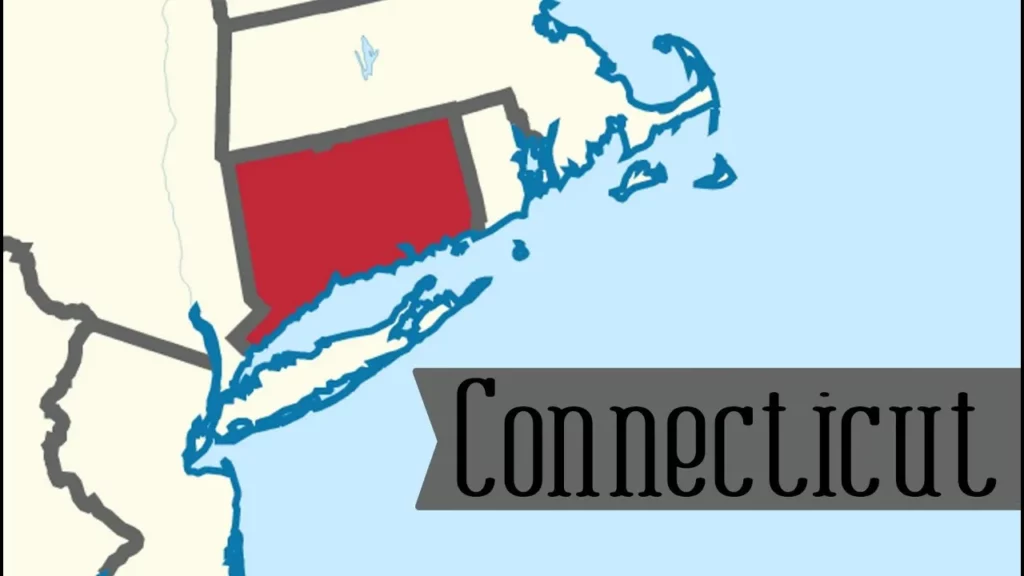
The lesson explores Connecticut’s rich history and significance as the Constitution State, highlighting its name’s origin from a Native American term meaning “the place of the long river.” It details Connecticut’s admission as the fifth state in the Union, early European exploration, key historical figures like Roger Sherman and Noah Webster, and notable innovations such as the invention of the hamburger and advancements in color television. Overall, Connecticut’s contributions to American history and culture are emphasized, showcasing its importance in shaping the nation.
What is a Light Year for Children? 60 Second Science Questions for Kids
The lesson “Understanding Light Years: A Guide to Cosmic Distances” explains that a light year is the distance light travels in one year, approximately 5.8 trillion miles (or 9.5 trillion kilometers), and is used to measure vast distances in space. It highlights the incredible speed of light, which travels at about 186,000 miles per second, and illustrates the concept by noting that the closest star system, Alpha Centauri, is over 4 light years away from Earth. This understanding of light years provides a framework for grasping the immense scale of the universe.
All About Comets for Kids: Astronomy and Space for Children
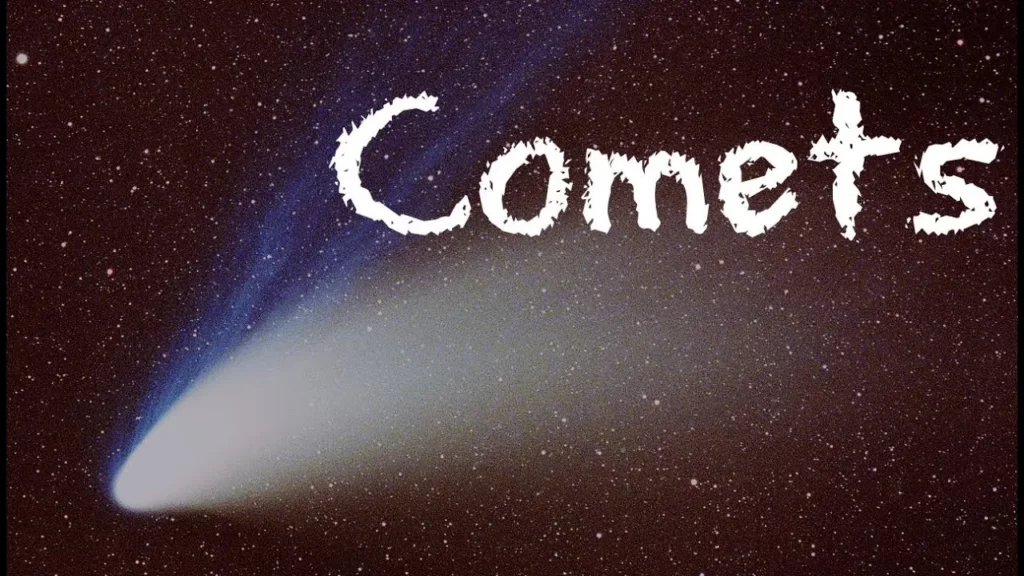
This lesson explores the intriguing nature of comets, often referred to as the “lonely wanderers” of our solar system, and their historical significance across cultures. It covers their composition, structure, and classification, detailing how they originate from the Kuiper Belt and Oort Cloud, and highlights the importance of studying comets to gain insights into the early solar system. The lesson concludes with a mention of famous comets, such as Halley’s Comet, emphasizing their role in both astronomy and space exploration.