
Intro to Perimeter for Kids: How to Find the Perimeter of Polygons
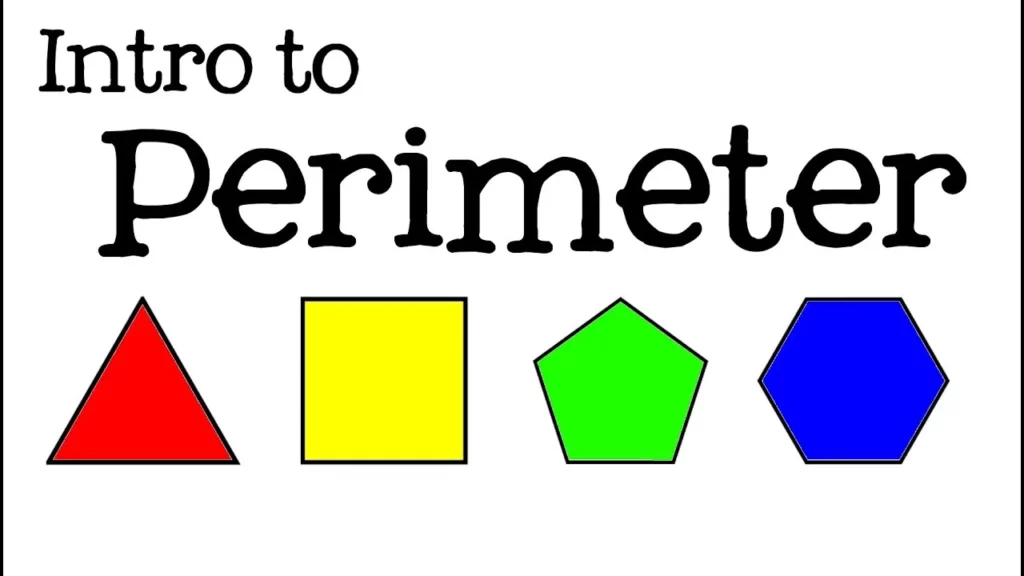
The lesson on understanding perimeter explains that perimeter is the total distance around a shape, calculated by adding the lengths of all its sides. It emphasizes the importance of using appropriate units of measurement and provides examples for calculating the perimeter of various shapes, including triangles, rectangles, squares, and star shapes. The lesson encourages hands-on practice by measuring the perimeter of everyday objects to reinforce the concept.
Guide to Dwarf Planets: Ceres, Pluto, Eris, Haumea and Makemake for Kids
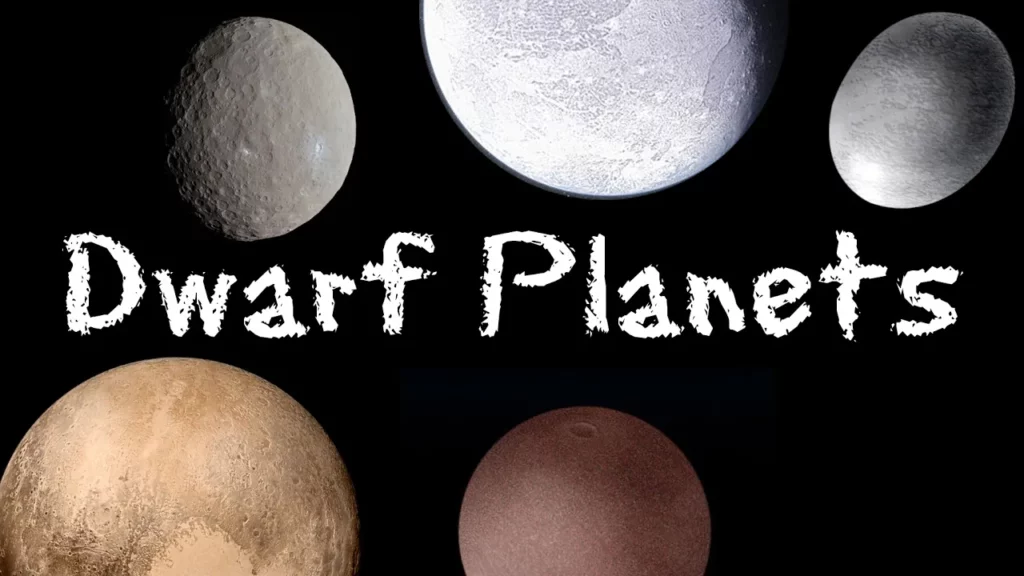
The lesson “Exploring Dwarf Planets: A Fun Journey Through Our Solar System” introduces students to the concept of dwarf planets, explaining their discovery and classification. It highlights key dwarf planets such as Ceres, Pluto, Eris, Haumea, and Makemake, detailing their unique characteristics and orbits. The lesson emphasizes the ongoing exploration of space and the potential for discovering even more dwarf planets in the future, enhancing our understanding of the Solar System.
Two Minute Tour of New York: 50 States for Kids
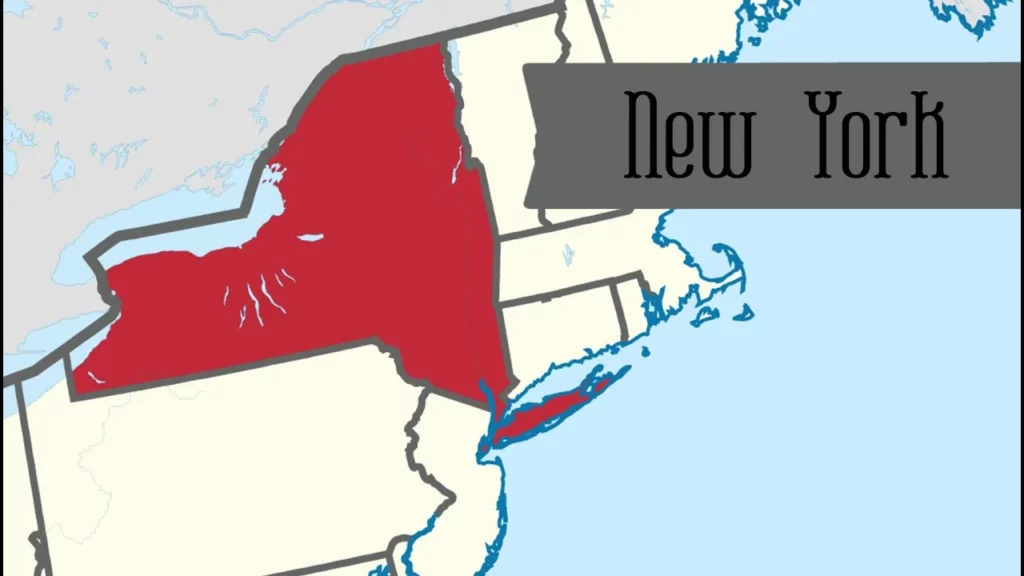
The lesson explores New York, known as the Empire State, highlighting its rich history, cultural significance, and natural beauty. It discusses New York’s role as a former capital of the United States, its importance as an immigration hub through Ellis Island, and its vibrant urban landscape, particularly in New York City. Additionally, the lesson emphasizes the state’s stunning natural areas, such as Adirondack Park, showcasing the diverse experiences New York offers.
All About Pluto and Dwarf Planets for Kids: Astronomy and Space for Children
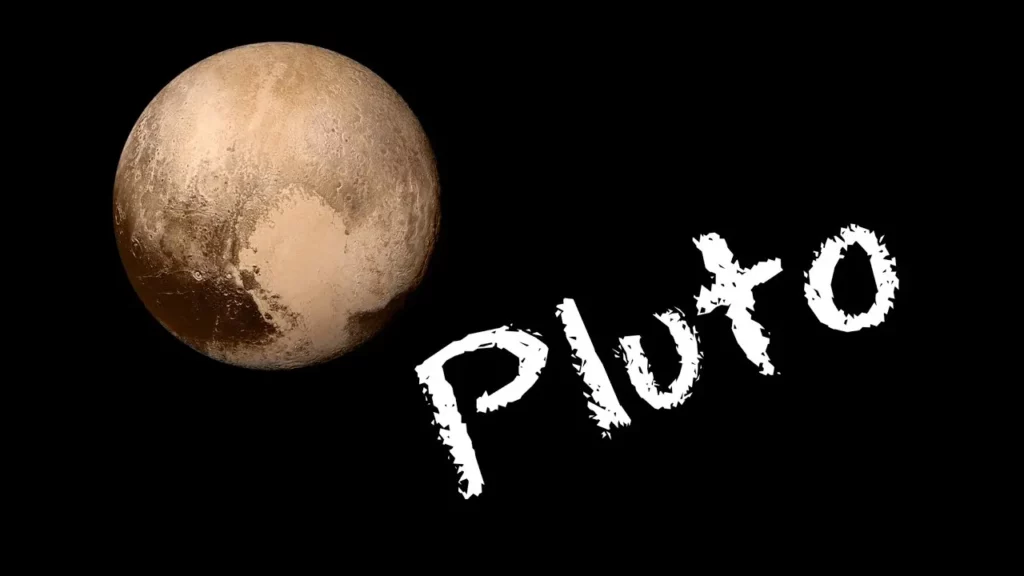
This lesson explores Pluto, a dwarf planet located in the Kuiper Belt, highlighting its unique characteristics such as its small size, icy composition, and thin atmosphere. It discusses Pluto’s unusual orbit, its five moons, and the historical context of its discovery and reclassification from a planet to a dwarf planet in 2006. The lesson emphasizes the ongoing interest in Pluto and the Kuiper Belt, particularly following the insights gained from NASA’s New Horizons mission.
Biography of the Wright Brothers for Children: Orville and Wilbur Wright for Kids
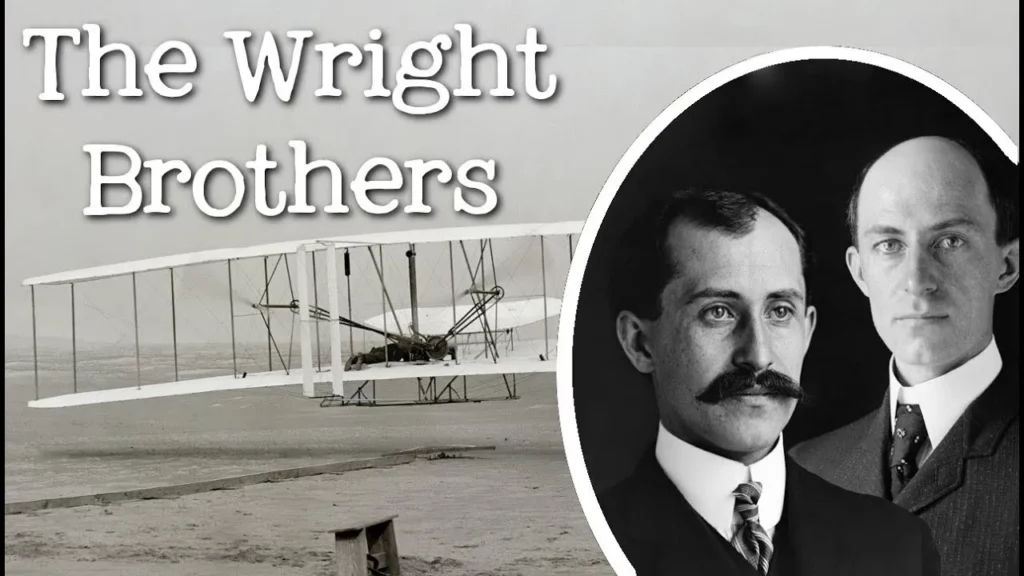
The Wright Brothers, Orville and Wilbur, revolutionized aviation by inventing and successfully flying the first powered airplane in 1903, marking a significant milestone in transportation history. Their journey began with a childhood fascination with flight, leading to extensive research and development inspired by other aviators. Despite initial skepticism, their achievements laid the foundation for modern air travel, and they are celebrated as pioneers in the field of aviation.
All About Uranus for Kids: Astronomy and Space for Children

The lesson explores Uranus, the seventh planet from the Sun, known for its unique sideways tilt and extreme cold, making it the coldest planet in our solar system. With a composition of gases and ice, Uranus experiences long seasons lasting 21 years each, leading to significant weather changes, including storms and high winds. The lesson also highlights the planet’s faint rings, numerous moons, and the historical significance of its discovery by Sir William Herschel in 1781, emphasizing the ongoing quest for knowledge about this enigmatic ice giant.
Tigers for Kids: Learn All About Tigers
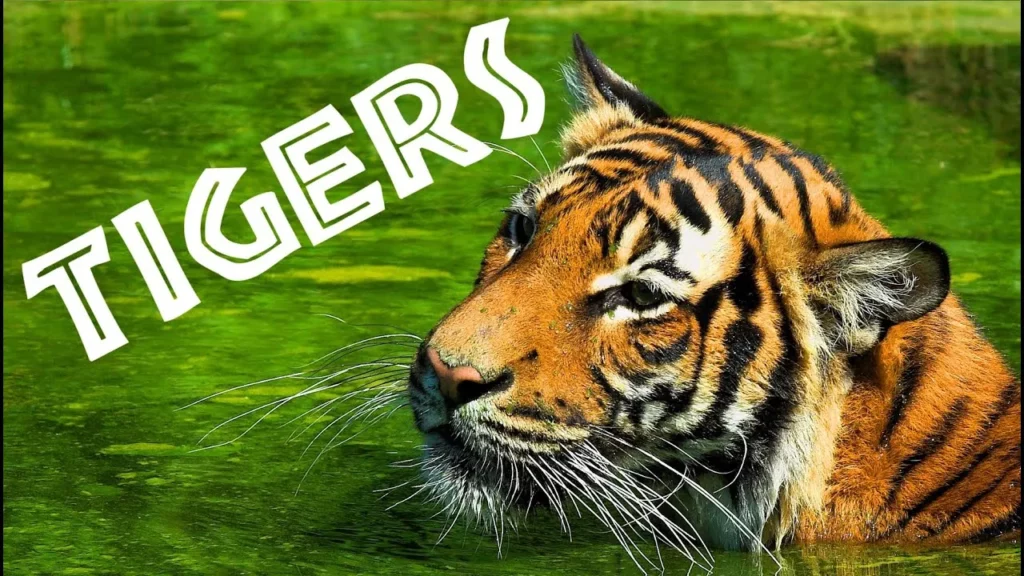
The lesson on tigers highlights their status as majestic apex predators, detailing their physical characteristics, hunting behaviors, and solitary nature. It emphasizes the importance of their habitats in Asia and the threats they face, such as poaching and habitat loss, which have led to their endangered status. Conservation efforts are crucial for their survival, and by understanding and protecting these magnificent animals, we can help ensure their continued existence in the wild.
3 States of Matter for Kids (Solid, Liquid, Gas): Science for Children
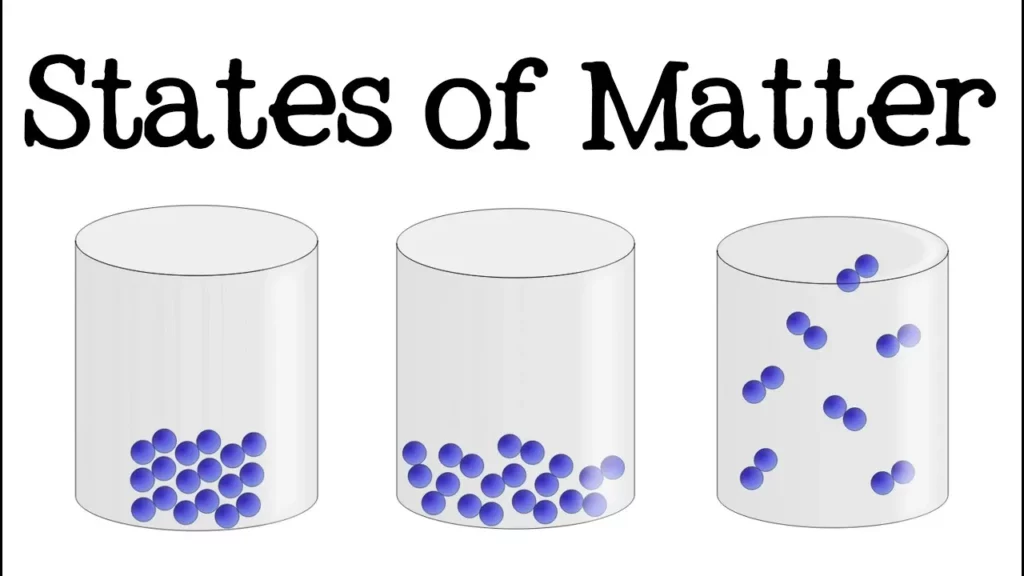
This lesson introduces the concept of matter, defining it as anything that occupies space and has weight, and explains its composition of tiny particles called atoms. It outlines the three main states of matter—solids, liquids, and gases—highlighting their distinct properties such as shape, mass, and volume, and discusses how matter can change from one state to another, exemplified by the transformation of water through freezing, melting, and evaporation.
Presidential Trivia for Kids: Tallest, Shortest, Oldest, Youngest President for Children -FreeSchool
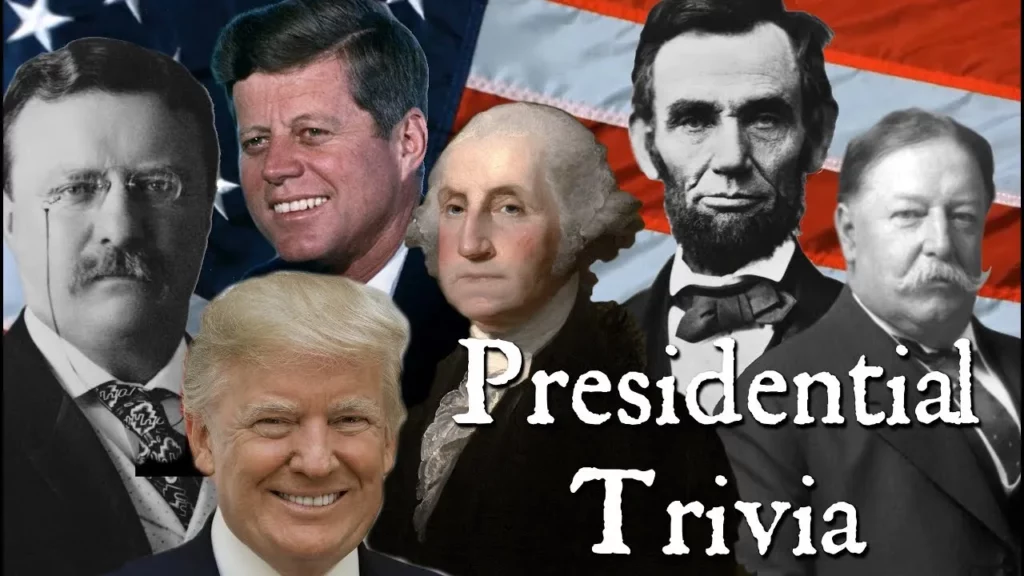
This lesson explores the unique records and characteristics of notable U.S. Presidents, highlighting their height, weight, age, and election history. It features interesting facts about Presidents like Abraham Lincoln, the tallest, and James Madison, the shortest, as well as significant milestones such as Franklin D. Roosevelt being the only four-term President and George Washington being the unanimous choice for the first President. Overall, the lesson emphasizes the diversity and individuality of American leadership throughout history.
The Pyramids of Egypt and the Giza Plateau: Ancient Egyptian History for Kids
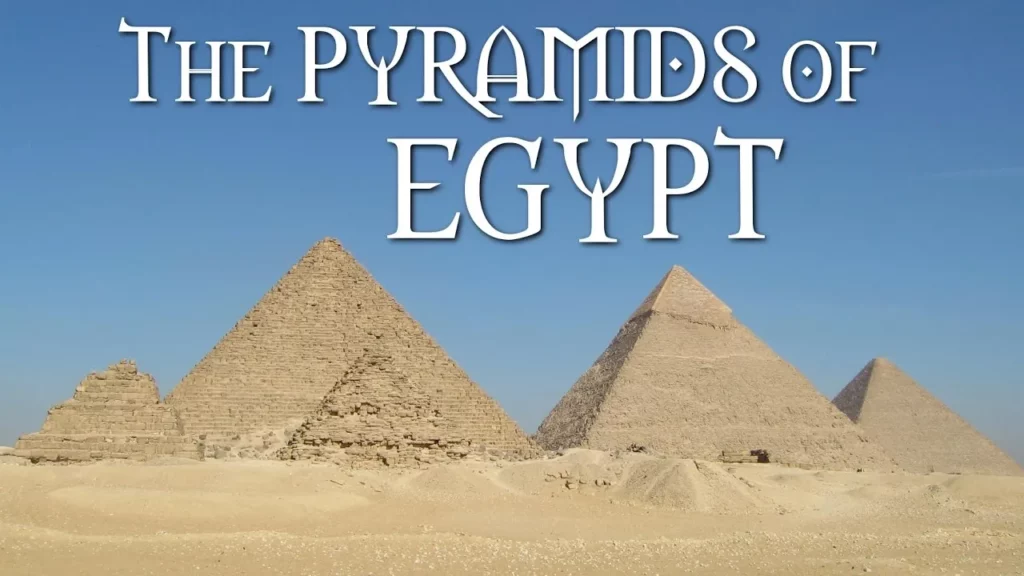
The lesson explores the remarkable legacy of ancient Egyptian pyramids, highlighting their significance as monumental achievements of one of history’s greatest civilizations. It details the evolution of pyramid construction, from early mastabas to the iconic Great Pyramid of Giza, emphasizing the cultural beliefs surrounding the afterlife and the impressive engineering feats involved in their construction. Today, these structures remain a testament to the ingenuity and creativity of the ancient Egyptians, attracting millions of visitors eager to learn about their rich history.