
Photosynthesis for Kids – Introduction to Photosynthesis for Children: FreeSchool
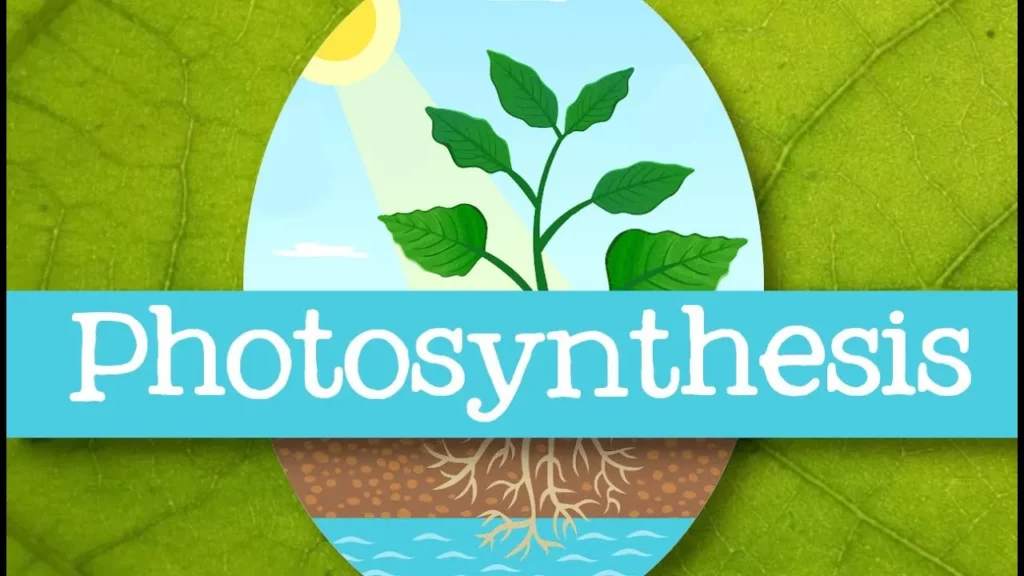
This lesson explains the process of photosynthesis, through which plants convert sunlight, water, and carbon dioxide into glucose and oxygen. It highlights the essential components of photosynthesis, the role of chloroplasts and stomata, and emphasizes the importance of this process for plant growth and the overall balance of life on Earth. Understanding photosynthesis helps us appreciate the vital role plants play in sustaining life by providing food and oxygen.
The Planet Venus: Astronomy and Space for Kids
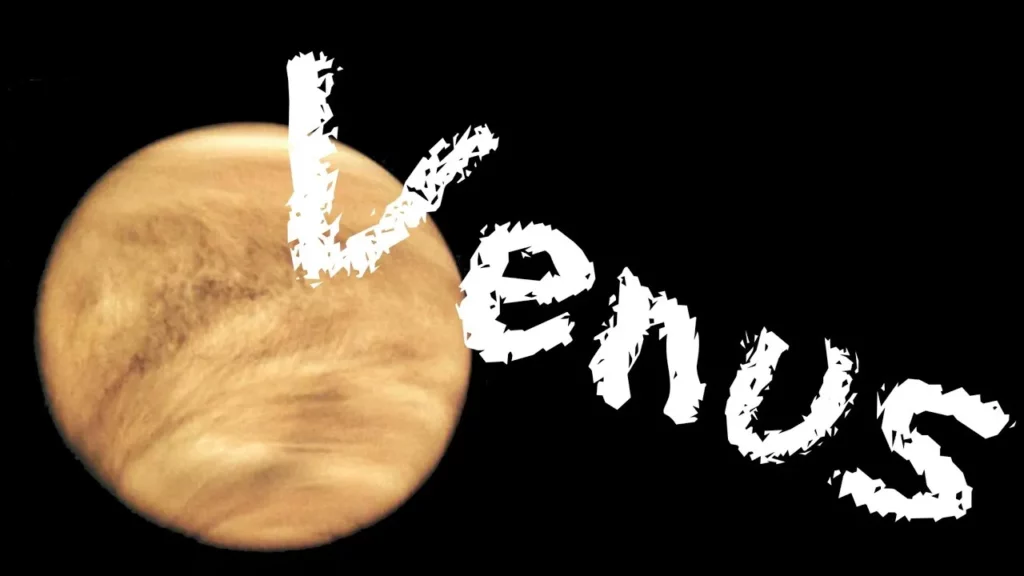
The lesson explores Venus, often referred to as Earth’s “sister planet,” highlighting its brightness, historical significance, and the stark contrasts between its environment and that of Earth. Despite its similarities in size and composition, Venus is characterized by a harsh atmosphere, extreme heat, and high pressure, making exploration challenging. Through various space missions, scientists have gained valuable insights into Venus’s unique characteristics, enhancing our understanding of planetary systems.
Intro to Punctuation for Kids: English Grammar for Children
The lesson “Understanding Punctuation: A Fun Guide” explains the essential role of punctuation marks in enhancing clarity and expression in writing. It covers key punctuation marks such as periods, exclamation points, question marks, commas, and apostrophes, detailing their functions and how they contribute to effective communication. By mastering these punctuation tools, writers can create clearer and more engaging sentences.
All About Clouds for Kids: Types and Names of Clouds

This lesson explores the fascinating world of clouds, detailing their formation from water vapor and the various types, including cirrus, stratus, stratocumulus, cumulus, and cumulonimbus clouds. Each cloud type has distinct characteristics and weather implications, with some indicating clear skies and others signaling storms. By learning to identify clouds, we can enhance our appreciation of nature and improve our ability to predict weather changes.
The Science of Light and Color for Kids: Rainbows and the Electromagnetic Spectrum
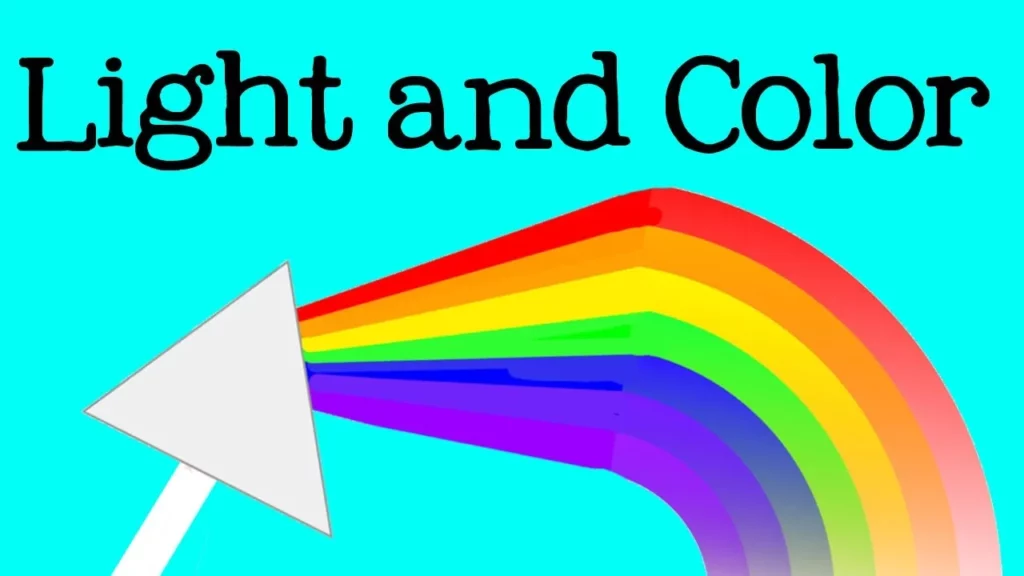
The lesson “Understanding Light: The Energy That Colors Our World” explores the nature of light as a form of energy that travels in waves, specifically focusing on visible light and its role in helping us perceive colors. It explains the electromagnetic spectrum, the process of light refraction through prisms, and how different wavelengths correspond to different colors, while also touching on invisible types of light like infrared and ultraviolet. Ultimately, the lesson emphasizes the importance of light in our daily lives and how it shapes our perception of the world around us.
Introduction to Friction for Children – Friction for Kids: FreeSchool

The lesson on friction explains how this essential force affects our daily activities by preventing objects from sliding past each other easily. It highlights the role of surface texture in determining the amount of friction, the importance of friction in tasks like walking and driving, and the scenarios where less friction is beneficial, such as ice skating. Ultimately, the lesson emphasizes that while friction can pose challenges, it is crucial for controlling movement and ensuring safety in our everyday lives.
Giraffes for Kids: Learn about Giraffes
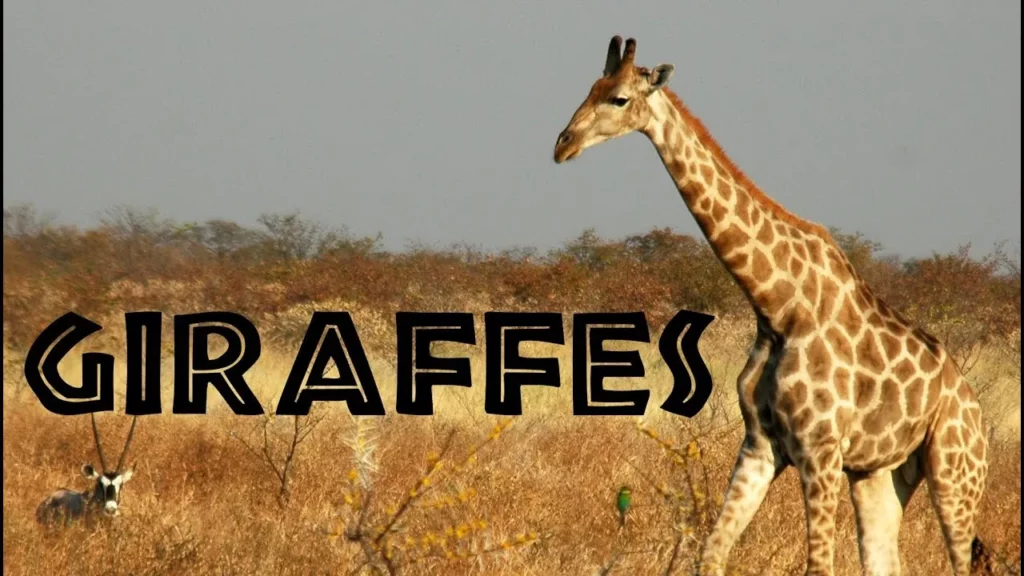
This lesson explores the fascinating world of giraffes, highlighting their unique characteristics, habitats, and behaviors. Giraffes, the tallest land animals, thrive in African woodlands and grasslands, primarily feeding on acacia leaves. They have developed adaptations for survival, such as their long necks for spotting predators and social behaviors within herds, while also showcasing interesting physical traits like their neck structure and fighting techniques among males.
Biography of Claude Monet: Famous Artists for Children
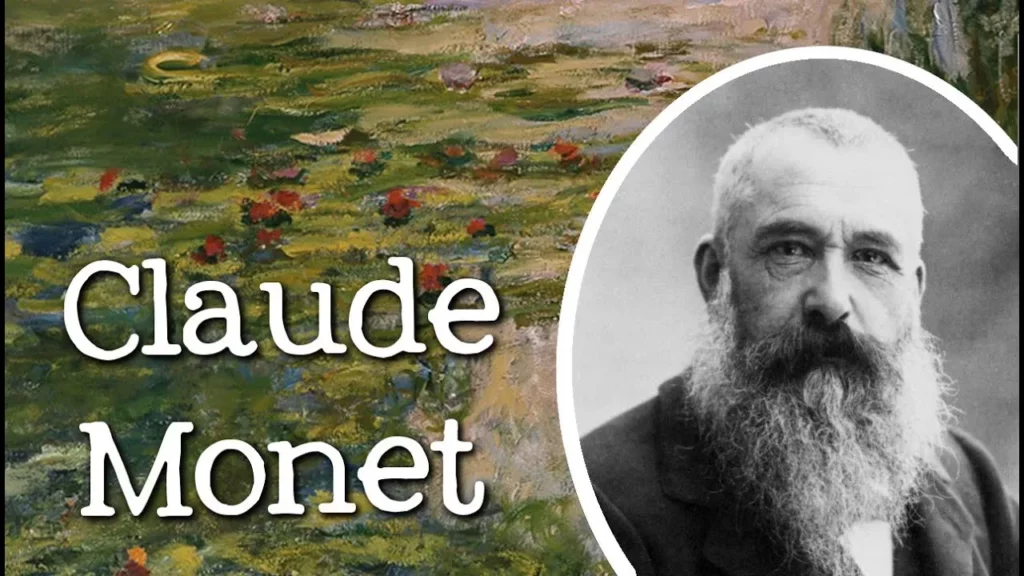
The lesson on Claude Monet highlights his significant role in the Impressionist movement, detailing his journey from a young artist in Normandy to a celebrated painter. Despite facing personal challenges, including the loss of loved ones, Monet’s innovative approach to capturing light and color transformed the art world, leading to a lasting legacy that continues to inspire. His beautiful garden in Giverny and over 2,500 artworks remain a testament to his dedication and influence in the realm of art.
Top 5 Fastest Birds in the World: Fastest Animals on Earth Creature Countdown

This lesson explores the top five fastest birds in the world, highlighting their impressive speeds and unique adaptations. The Eurasian Hobby, Swift, Gyrfalcon, Golden Eagle, and Peregrine Falcon each demonstrate remarkable flying abilities, with the Peregrine Falcon being the fastest animal on Earth, capable of reaching speeds up to 242 miles per hour. Through these examples, the lesson showcases the incredible diversity and capabilities of birds in nature.
What Sound Does a Giraffe Make? FreeSchool Presents a closer look at Giraffe Sounds
The lesson explores the unique vocalizations of giraffes, highlighting their quiet nature and the surprising discovery that they can hum, particularly at night. Despite being thought to be largely silent due to their long necks, research has shown that giraffes can produce various sounds, including humming, snorting, and grunting, although they do so infrequently. This newfound understanding adds an intriguing layer to the already fascinating characteristics of these remarkable animals.