
All About the Sun for Kids: Astronomy and Space for Children
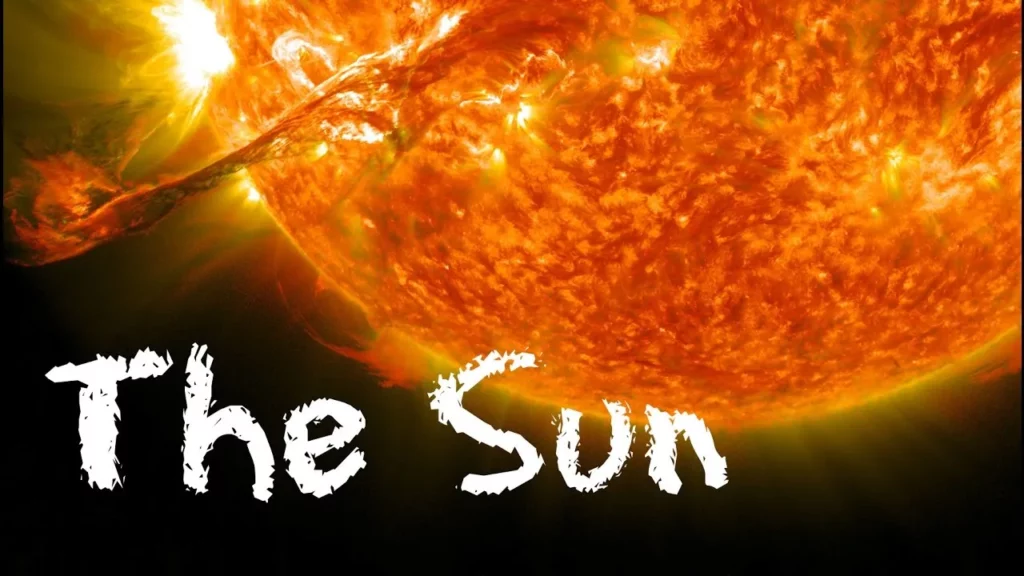
The lesson highlights the Sun’s crucial role as the center of our solar system, providing the heat and energy necessary for life on Earth. It explains the Sun’s immense size, composition as a yellow dwarf star, and dynamic nature, including phenomena like sunspots and solar flares. Despite extensive study, the Sun remains a subject of ongoing research, emphasizing its importance and the mysteries still to be uncovered.
All About Bats for Kids: Animal Videos for Children
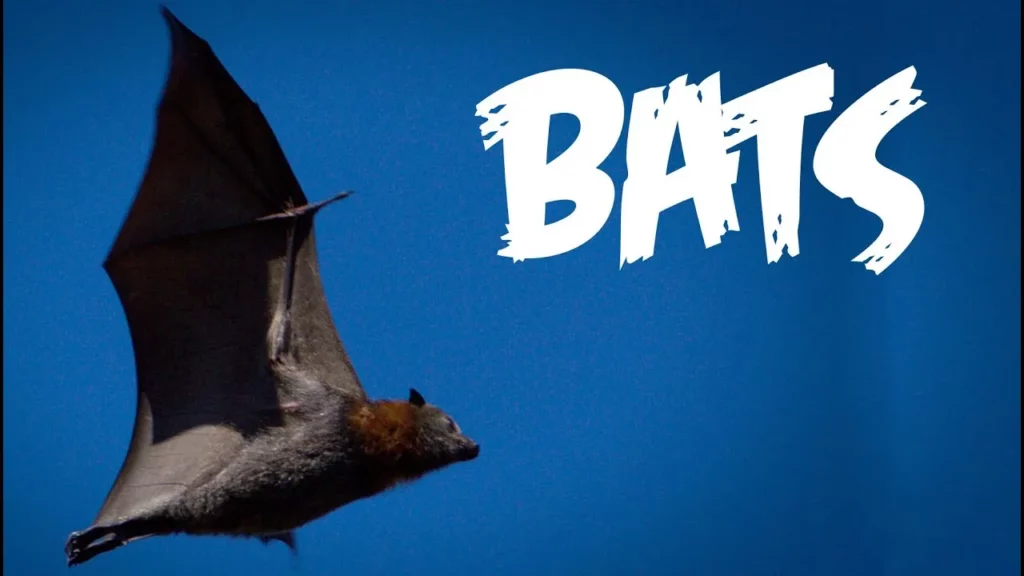
The lesson explores the fascinating world of bats, highlighting their significance in nature and their unique characteristics as mammals. Bats are nocturnal creatures with diverse diets, including insects, fruit, and nectar, and they play crucial ecological roles such as pest control and pollination. Understanding the importance of bats can foster appreciation and encourage efforts to protect these remarkable animals.
Phases of the Moon: Astronomy and Space for Kids
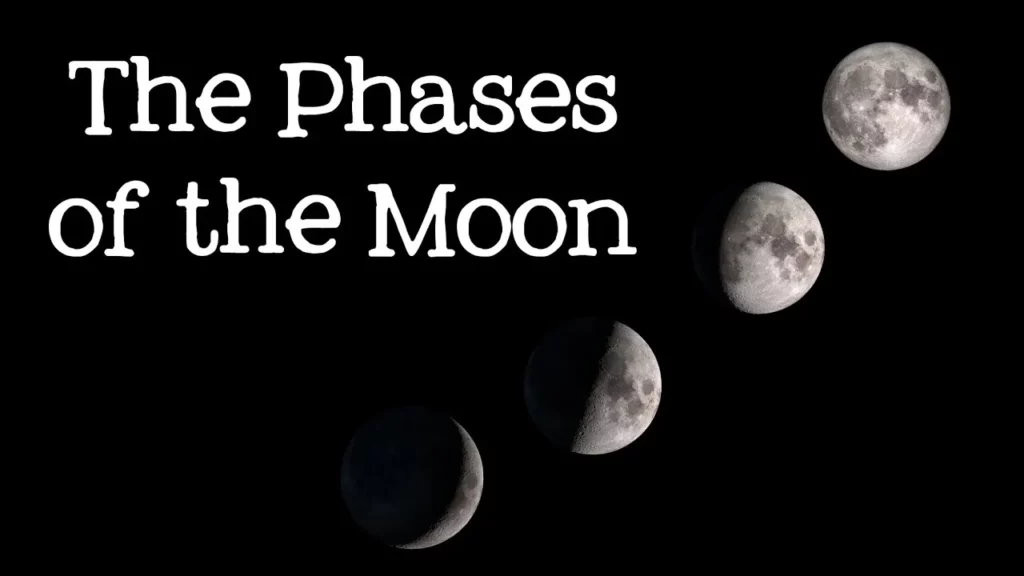
This lesson explores the phases of the moon, explaining how its appearance changes due to its orbit around the Earth and the reflection of sunlight. The lunar cycle begins with the New Moon, progresses through various phases such as Waxing Crescent, Full Moon, and Waning Crescent, and repeats approximately every 29.5 days. Understanding these phases enhances our appreciation of the moon’s beauty and encourages observation of its changing shapes in the night sky.
All About Bald Eagles for Kids: Animal Videos for Children
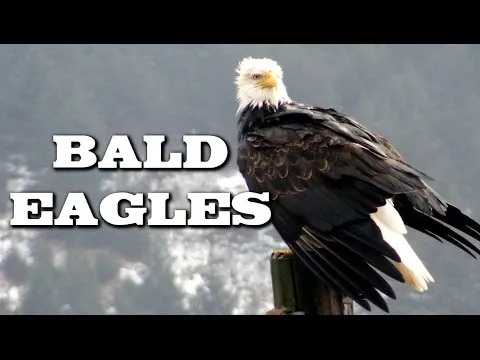
The lesson on bald eagles highlights their significance as the national bird of the United States, detailing their physical characteristics, diet, nesting habits, and life cycle. It also emphasizes the historical decline of their population due to human activities and the successful conservation efforts that led to their recovery. Ultimately, bald eagles symbolize the importance of wildlife protection and the positive impact of conservation initiatives.
Biography of Abraham Lincoln for Kids: Meet the American President for Kids
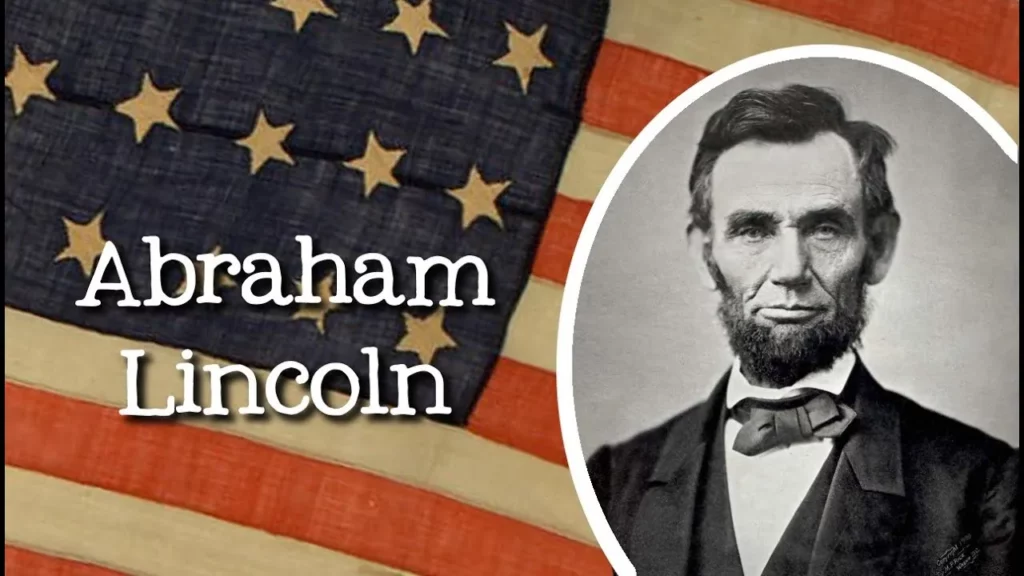
The lesson covers the life and legacy of Abraham Lincoln, the 16th President of the United States, highlighting his humble beginnings, early career, and rise to political prominence during a tumultuous time in American history. It details his commitment to ending slavery through the Emancipation Proclamation and the 13th Amendment, as well as his tragic assassination shortly after the Civil War. Lincoln is remembered as a pivotal leader whose efforts to unite the nation and promote freedom have left a lasting impact on American society.
All About Manatees for Children: Manatee Video for Kids
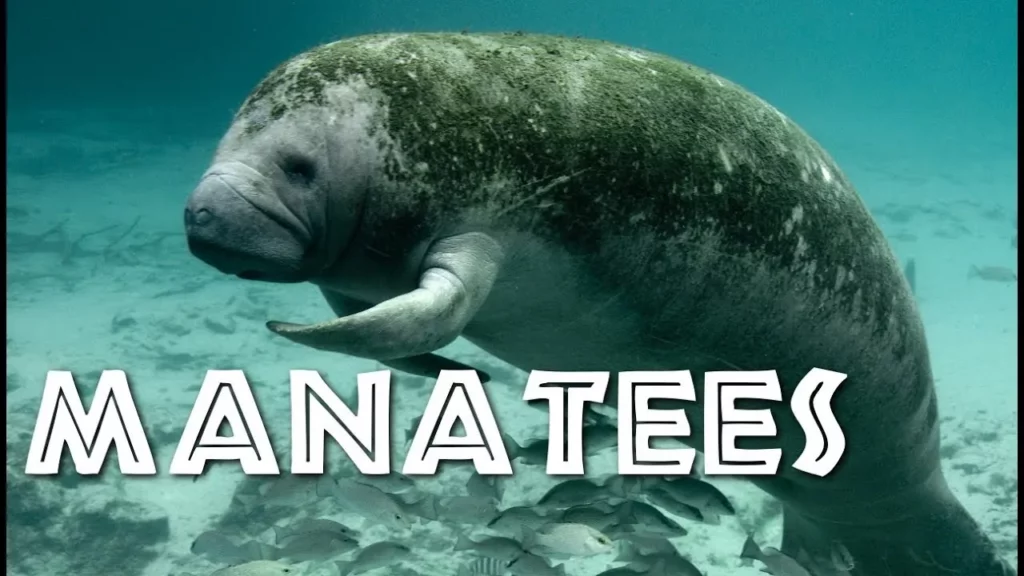
The lesson on manatees highlights their characteristics as gentle, slow-moving aquatic mammals that inhabit warm waters and primarily feed on underwater plants. It discusses their unique adaptations, such as continuously growing teeth and whisker-like hairs that aid in navigation, as well as their historical misidentification as mermaids by sailors. Additionally, the lesson emphasizes the importance of conservation efforts to protect manatees from habitat loss and boat collisions, ensuring their survival for future generations.
Living and Nonliving Things for Kids: Life Science for Children
The lesson explores the characteristics that define living things, known as organisms, which can range from large animals to microscopic creatures. Key traits of living organisms include their need for energy and nutrients, ability to grow, response to environmental changes, and capacity for reproduction. Understanding these characteristics helps us differentiate between living and nonliving things in our surroundings.
All About Birds for Children: Animal Learning for Kids
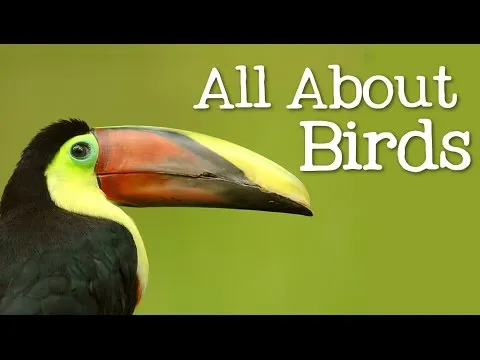
The lesson “Discovering the World of Birds” explores the unique characteristics and diversity of birds, highlighting their warm-blooded nature, physical traits, and various habitats. It emphasizes the importance of birds in ecosystems, their varied diets, and the significance of their colorful feathers and mating behaviors. Additionally, the lesson underscores the need to respect and protect birds and their environments, as they play a crucial role in our world.
All About Stars for Kids: Astronomy and Space for Children
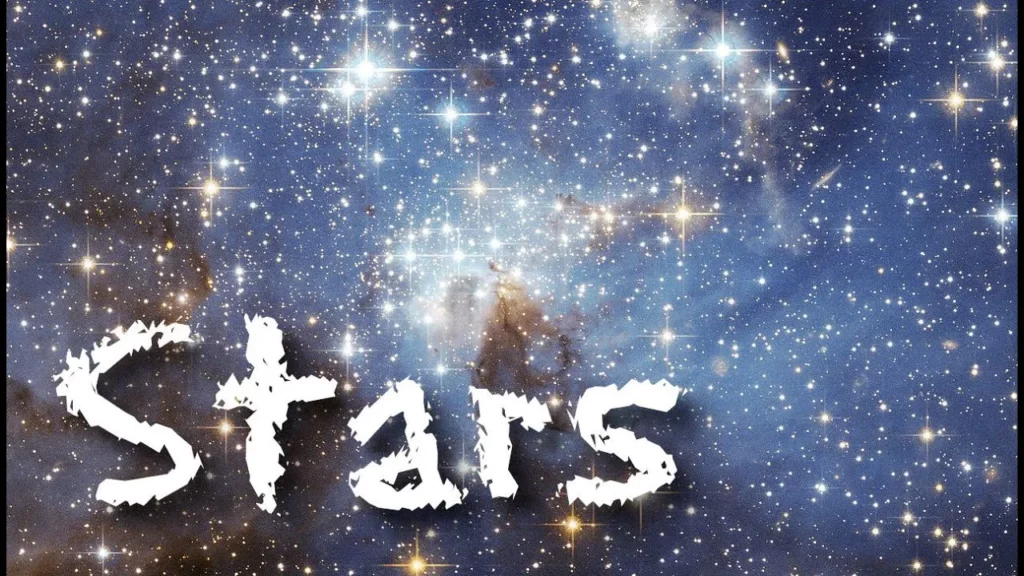
This lesson explores the fascinating life cycle and characteristics of stars, which are massive, glowing balls of gas primarily composed of hydrogen and helium. It details the stages of a star’s life, from formation in stellar nurseries to the main sequence phase, and ultimately to their transformations into red giants, white dwarfs, or even supernovae, depending on their mass. Understanding these processes highlights the dynamic nature of the universe and deepens our appreciation for the stars that illuminate our night sky.
The Milky Way for Children, Galaxies and Space: Astronomy for Kids
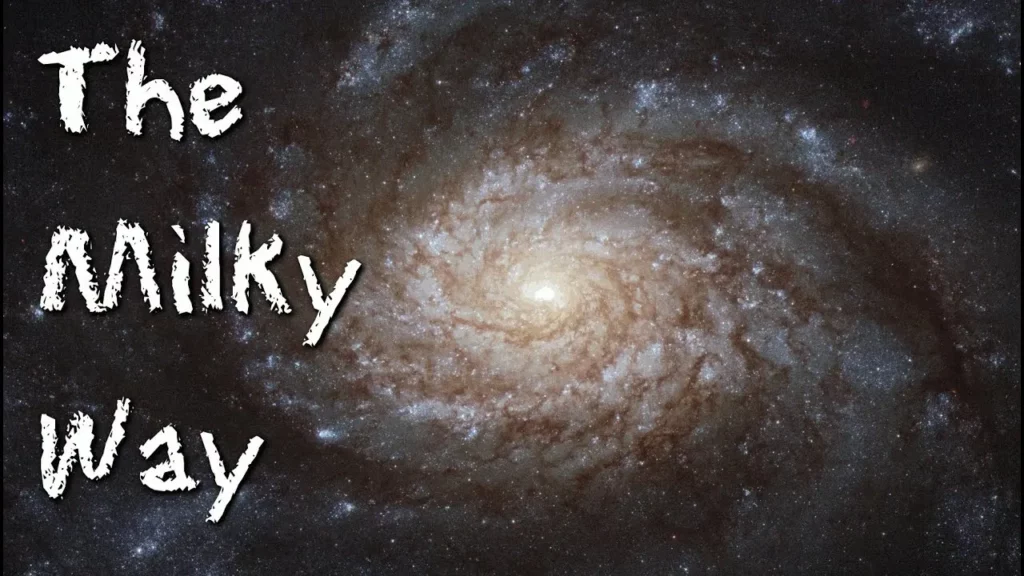
The lesson explores the Milky Way galaxy, detailing its structure, size, and significance within the universe. It describes the Milky Way as a spiral galaxy that spans at least 100,000 light-years and contains over 200 billion stars, while also highlighting its role as part of the Local Group of galaxies. The lesson emphasizes the historical perspectives on the Milky Way and encourages appreciation of its beauty and the vastness of the universe.