
Countries of the World — All Counties and Capitals | Countries of the World Song
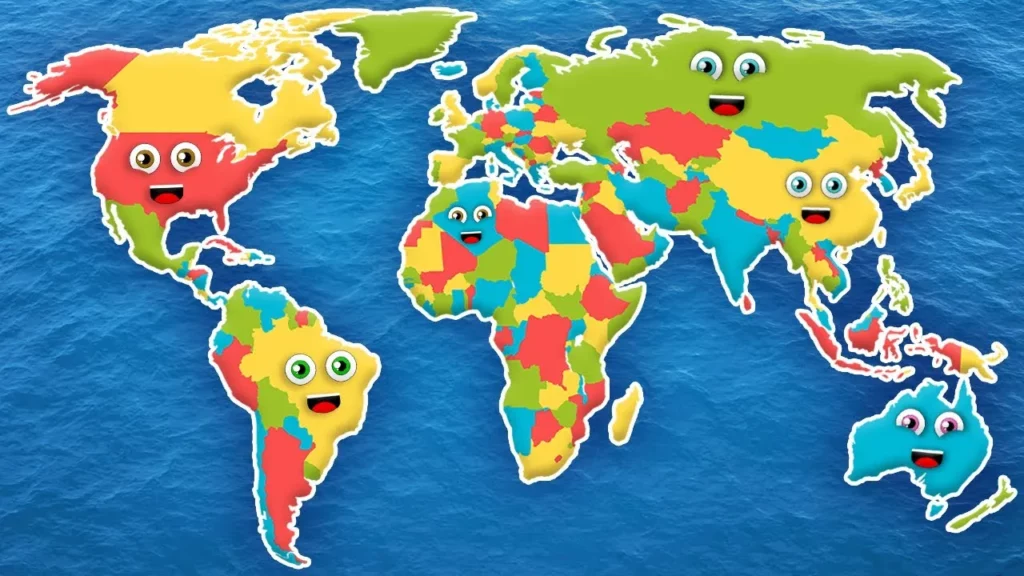
In this lesson, students embark on an exciting journey to explore the diverse countries of the world, organized by continent. They learn about the unique cultures, histories, and identities that each country contributes to the global community, emphasizing the importance of understanding and respecting these differences. The lesson concludes by celebrating the richness of our planet’s diversity and the value of appreciating all nations.
Philippines Geography/Philippines Provinces
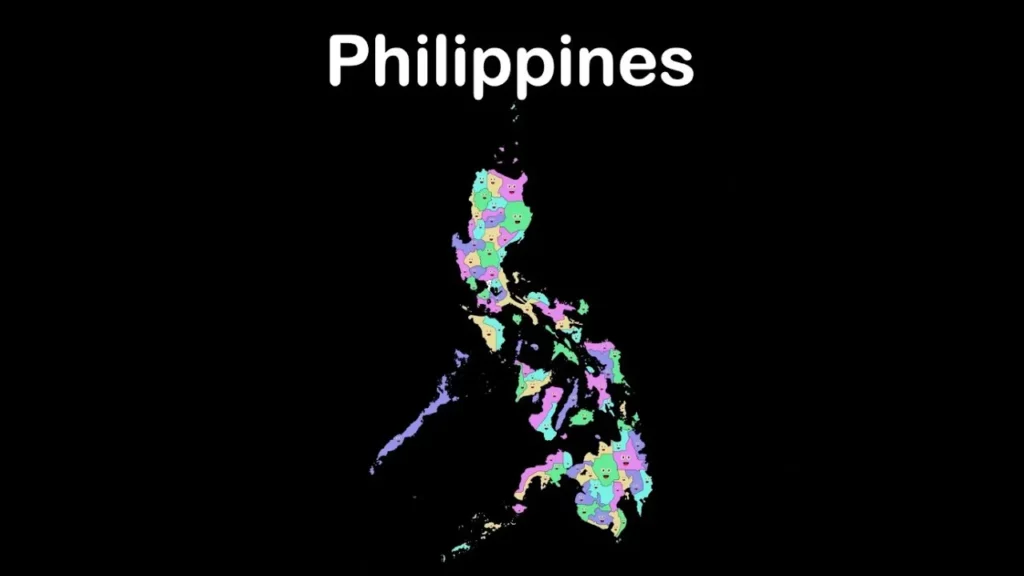
In this lesson, students explore the 81 provinces of the Philippines, each with its unique capital city, highlighting the country’s rich diversity and cultural heritage. The lesson takes a geographical journey through the provinces, categorized by regions such as Northern Luzon, Central Luzon, Southern Luzon, Visayas, and Mindanao, showcasing the distinct characteristics and stories of each area. By understanding the provinces and their capitals, learners gain a deeper appreciation for the vibrant tapestry that makes up the Philippines.
Dwarf Planet Song/Dwarf Planet Makemake Song
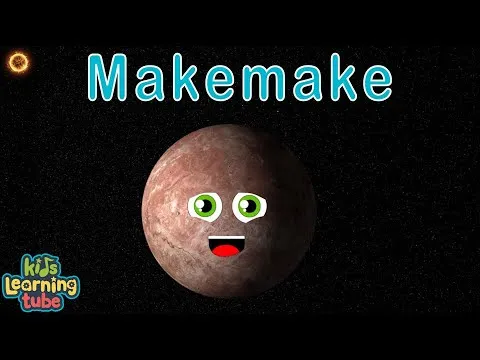
The lesson explores Makemake, the third largest dwarf planet in our solar system, discovered in 2005 and named after a Rapa Nui creator god. It highlights Makemake’s unique characteristics, including its bright red color, lack of atmosphere, and extremely cold temperatures, while emphasizing its significance in understanding the formation and evolution of celestial bodies in the Kuiper Belt.
Central America Geography
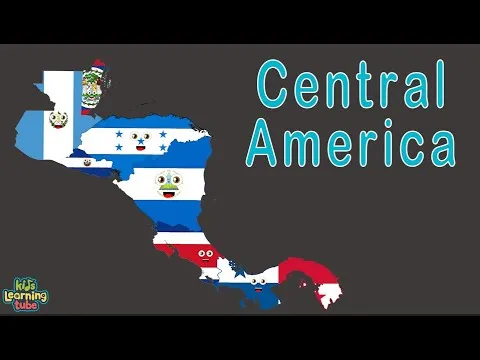
This lesson explores the seven countries of Central America, highlighting their unique cultures, geographies, and histories, along with their capitals. Each country, from Belize to Panama, is characterized by notable features such as beautiful beaches, rich wildlife, ancient ruins, and significant historical sites. By learning about these countries and their capitals, students gain a deeper appreciation for the diversity and vibrancy of Central America.
Country Size Comparison and Universe Size Comparison
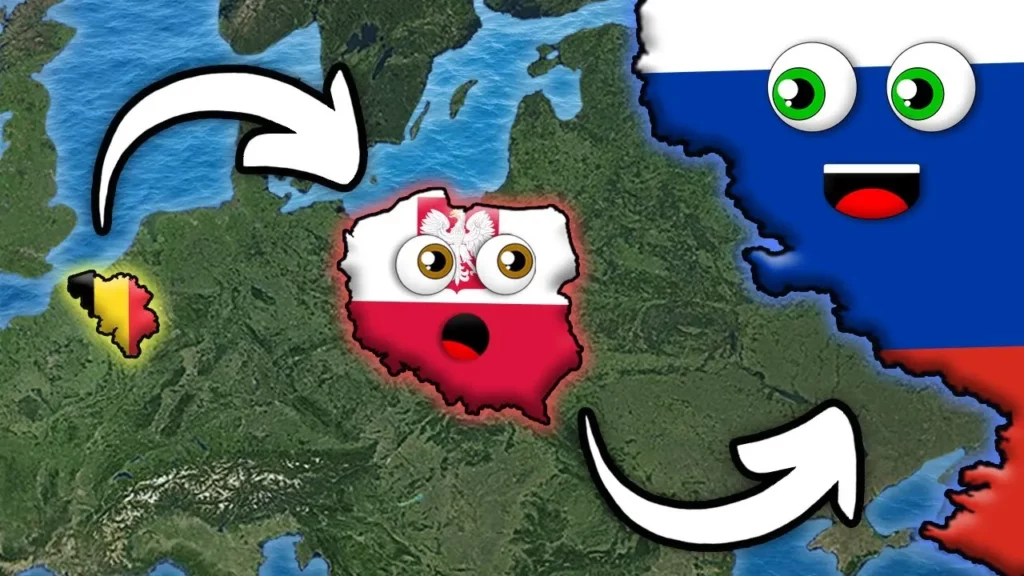
In this lesson, students embark on an engaging exploration of countries based on their size, starting from the smallest, like Vatican City and Monaco, to the largest, such as the United States and Russia. Along the way, they discover unique features and cultural stories of various mid-sized and larger nations, enhancing their appreciation for global diversity and geography. The journey emphasizes the importance of understanding different countries and encourages continued exploration of the world.
Learn ALL About Space: A-Z! | Alphabet & Space Songs For Kids
The lesson “The ABCs of Space” introduces students to various celestial objects and phenomena in an engaging way, covering topics from A to Z. Each letter highlights a different aspect of space, such as astronauts, galaxies, and eclipses, fostering curiosity and appreciation for the universe. By exploring these concepts, learners can develop a foundational understanding of astronomy and the wonders of the cosmos.
All the Countries of the World with Flags | Countries Of The World Song
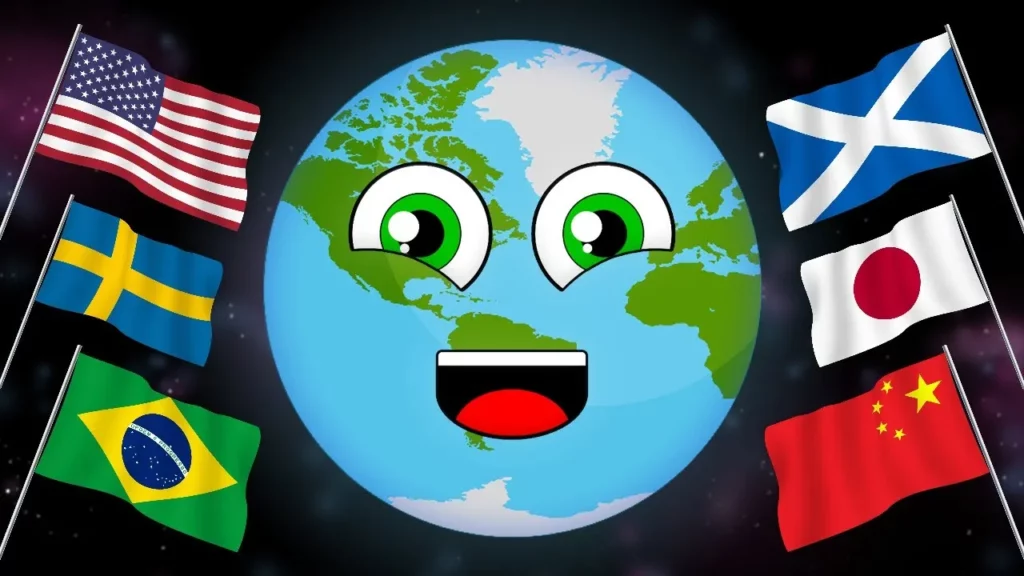
In this lesson, students embark on a global journey to discover the unique flags and cultures of the 195 countries around the world. Each region, including North America, Latin America, Europe, Africa, Asia, and Oceania, showcases its own distinct identity through vibrant flags and rich traditions. The lesson emphasizes the importance of flags as symbols of national pride and cultural heritage, inviting learners to appreciate the diversity of our world.
What is A.I.? | The Artificial Intelligence Song For Kids
The lesson “Understanding AI: A Powerful Tool for the Future” introduces the concept of Artificial Intelligence as a versatile and transformative technology that can solve problems, recognize patterns, and assist in various tasks. It emphasizes the importance of using AI responsibly to ensure it contributes positively to society and encourages learners to harness its potential for a brighter future.
China Geography/Peoples Republic of China
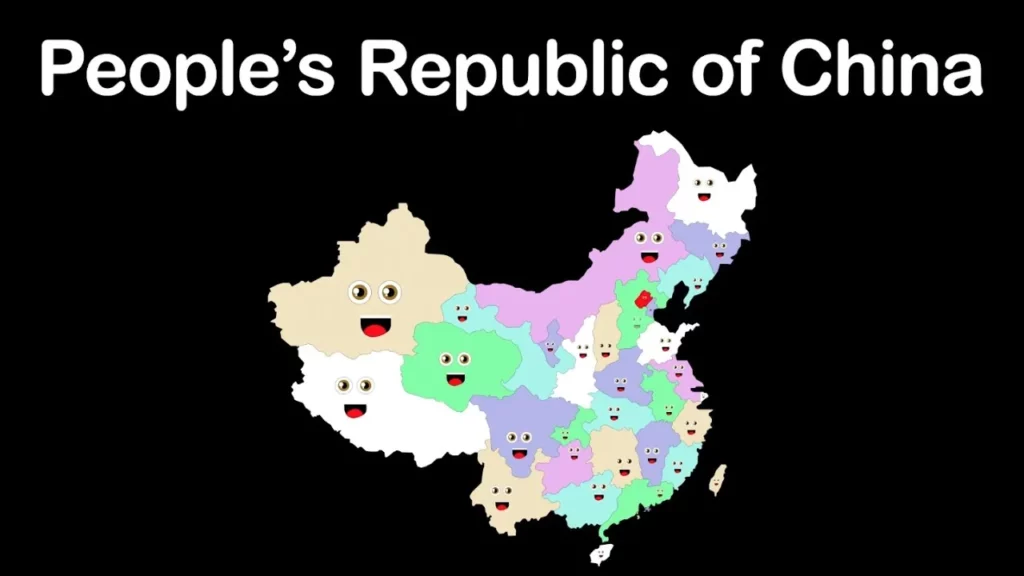
The lesson explores the diverse regions of the People’s Republic of China, highlighting its 23 provinces, four major municipalities, five autonomous regions, and two Special Administrative Regions (SARs). Each area has unique characteristics and governance structures, contributing to China’s complexity and rich geography. Understanding these divisions is essential for grasping the organization and cultural diversity of the country.
Learn ALL About Solar & Lunar Eclipses! | Space Science Compilation
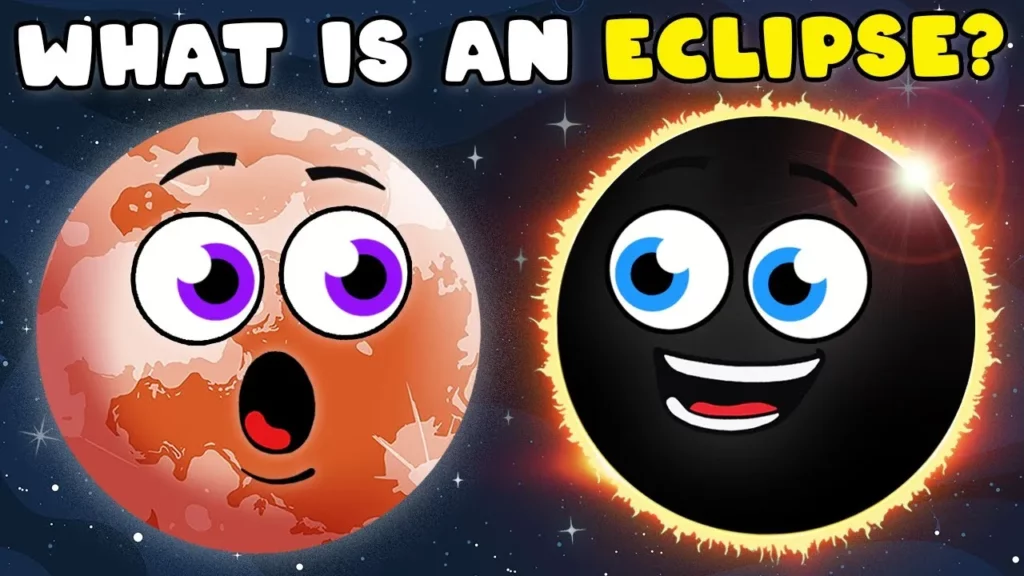
This lesson explores the fascinating phenomena of lunar and solar eclipses, detailing their stages and the scientific principles behind them. A lunar eclipse occurs when the Earth casts its shadow on the Moon, while a solar eclipse happens when the Moon blocks sunlight from reaching the Earth. Understanding these events enhances our appreciation of the celestial mechanics at play and highlights their significance in astronomical studies.