
India Geography/India Country
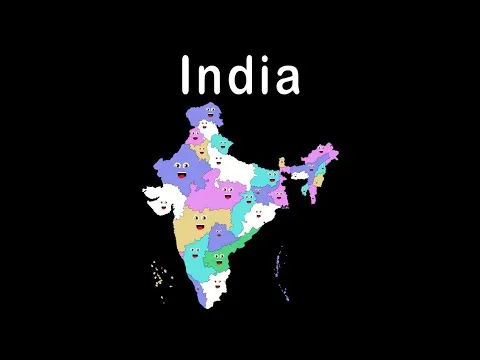
The lesson “Discovering India’s States and Union Territories” introduces students to the diverse landscape of India, highlighting its 29 states and 7 union territories, each with unique cultural, historical, and geographical characteristics. Through a brief overview of selected states and union territories, learners gain insight into their capitals and notable features, emphasizing the rich tapestry of India’s heritage. The lesson concludes by encouraging exploration and appreciation of the country’s vibrant diversity.
Learn Why Pluto IS NOT A Planet Anymore! | Pluto’s Planet Demotion Explained
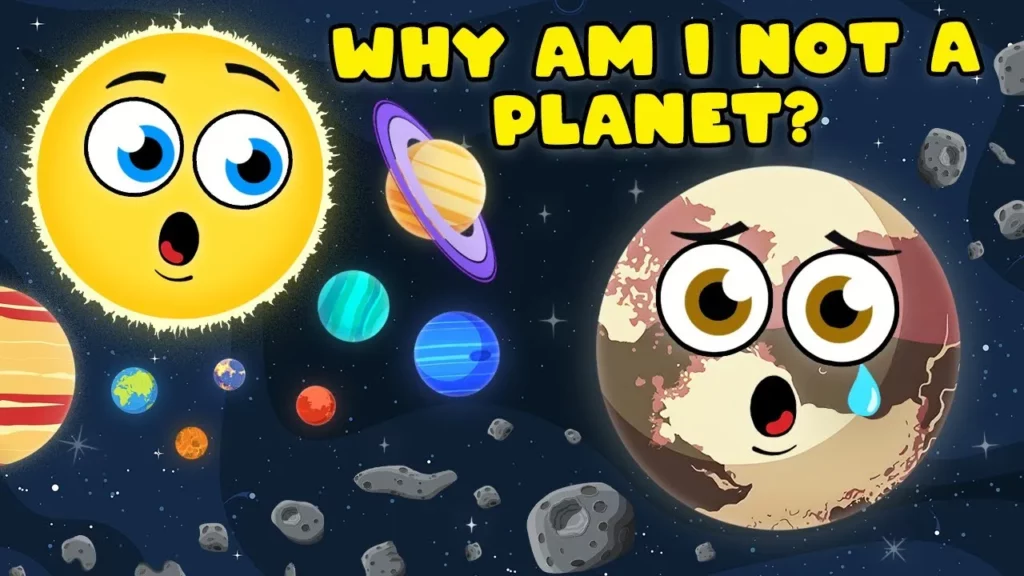
In this lesson, students explore Pluto and the classification of dwarf planets within our solar system. Pluto, once considered the ninth planet, is now recognized as a dwarf planet due to its inability to clear its orbital path. The lesson also introduces other dwarf planets, including Ceres, Haumea, Makemake, Eris, and Varuna, highlighting their unique characteristics and locations in the Kuiper Belt and asteroid belt.
How Does Lightning Strike? | Lightning Explained For Kids
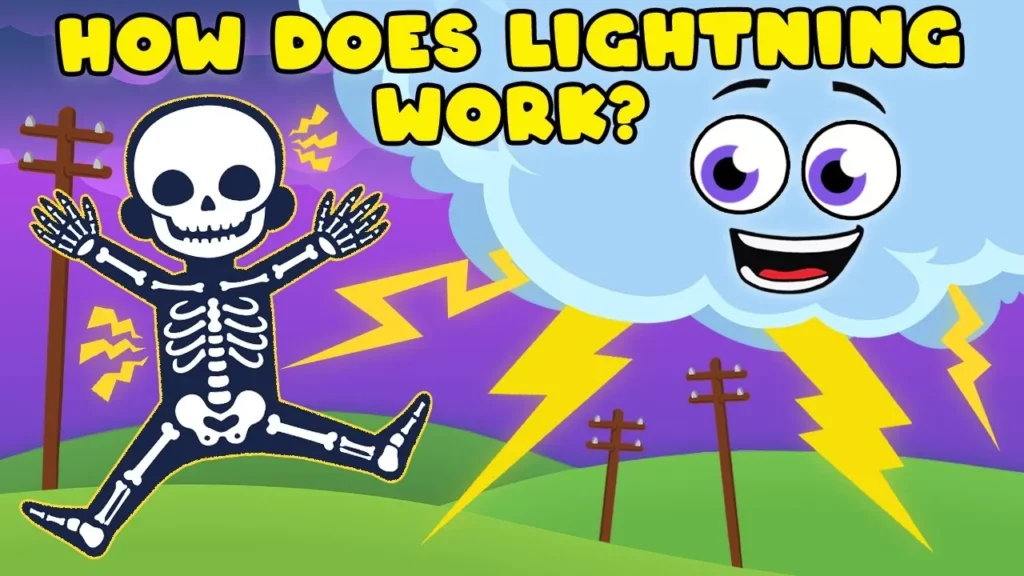
The lesson explores various natural phenomena, starting with the formation of lightning, which occurs during thunderstorms due to the separation of charged particles in storm clouds. It also distinguishes between hurricanes and typhoons as types of tropical cyclones based on their geographical formation, and discusses the impact of human activities on space weather. Additionally, the lesson covers different types of frozen precipitation, the four classic types of volcanoes, and the functioning of a compass, highlighting the interconnectedness and complexity of Earth’s systems.
Singapore Geography/Singapore City State and Country

The lesson explores the five distinct regions of Singapore, each characterized by unique features and attractions. The Central Region serves as the vibrant heart of the city, while the East offers beautiful parks and beaches. The North is known for its green spaces, the Northeast boasts cultural diversity and rapid growth, and the West combines industrial areas with recreational spaces, making each region a vital part of Singapore’s dynamic landscape.
The Four Seasons Song!
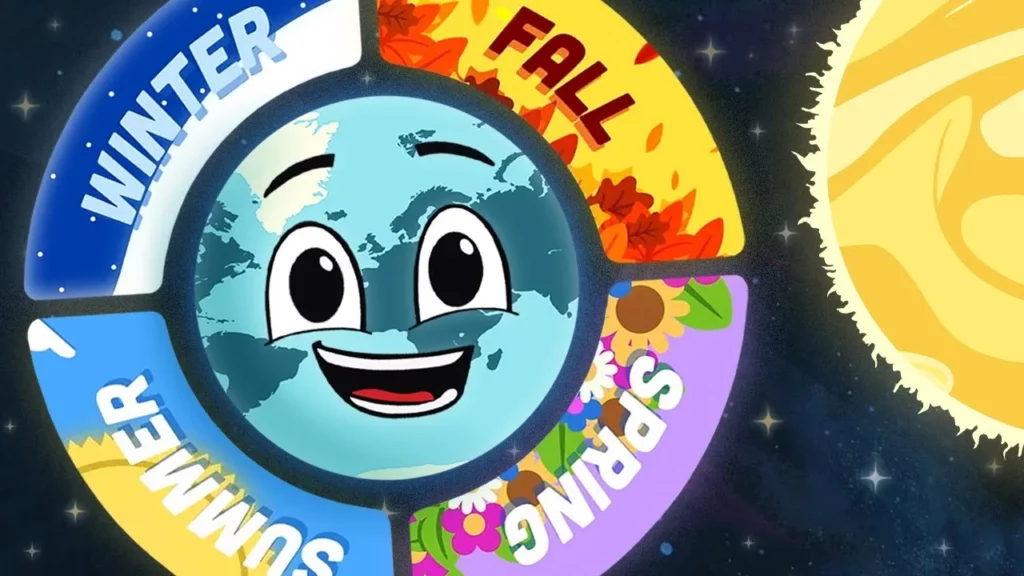
The lesson on “Understanding the Four Seasons” explains the unique characteristics and significance of winter, spring, summer, and fall. Each season is defined by its distinct weather patterns and activities, from the cold and snowy winter to the vibrant and lively spring, followed by the warm and fun-filled summer, and finally the colorful and cooling fall. By appreciating these seasonal changes, we can better enjoy the beauty of nature throughout the year.
New Hampshire/New Hampshire State/New Hampshire Geography
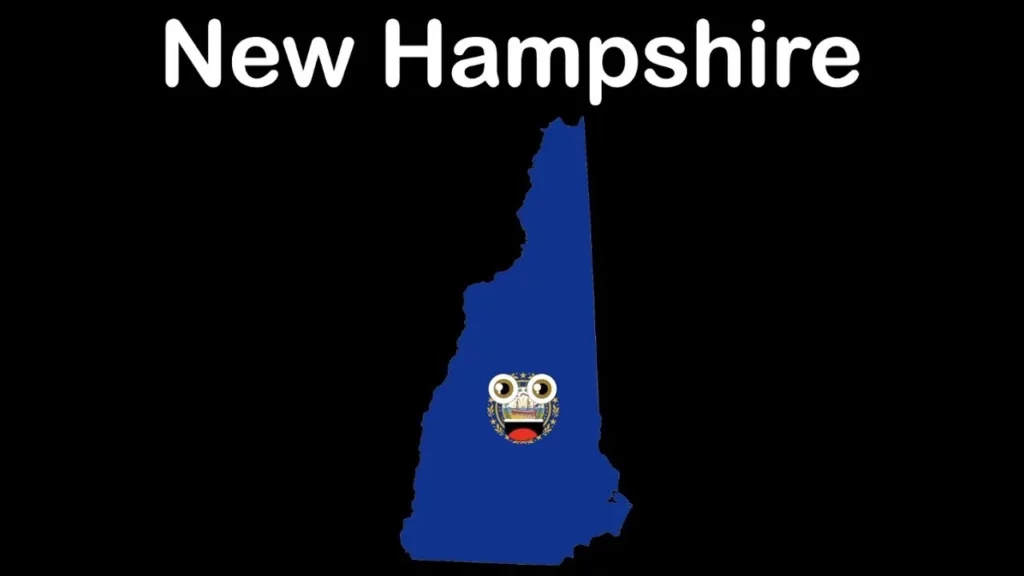
The lesson introduces New Hampshire, highlighting its rich history, diverse landscapes, and unique cultural experiences across its ten counties. Each county offers distinct attractions, from outdoor activities in Coös County to cultural events in Cheshire County, showcasing the state’s motto “Live Free or Die.” Overall, New Hampshire is portrayed as a vibrant destination for exploration, combining natural beauty with a strong sense of community.
The CoRoT Satellite!
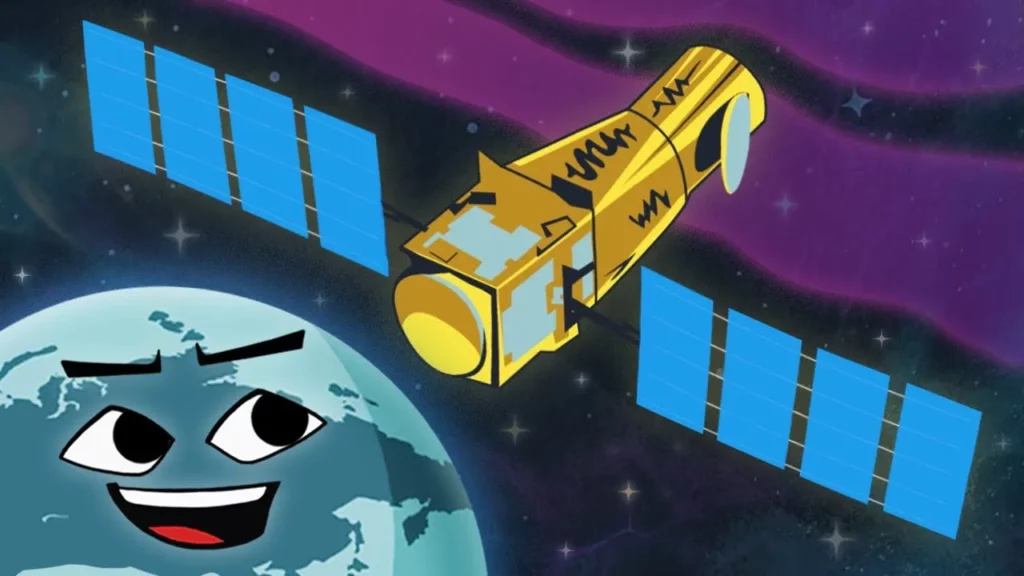
The Carol satellite, launched on December 27, 2006, is a collaborative mission by the French National Center for Space Studies and the European Space Agency aimed at discovering and studying exoplanets beyond our solar system. With advanced technology, it has made significant discoveries, including the exoplanets K2-7b and K2-2b, enhancing our understanding of planetary systems and the potential for life elsewhere in the universe. Its contributions have laid the groundwork for future missions like Kepler and TESS, furthering our exploration of the cosmos.
The Vegetable Song
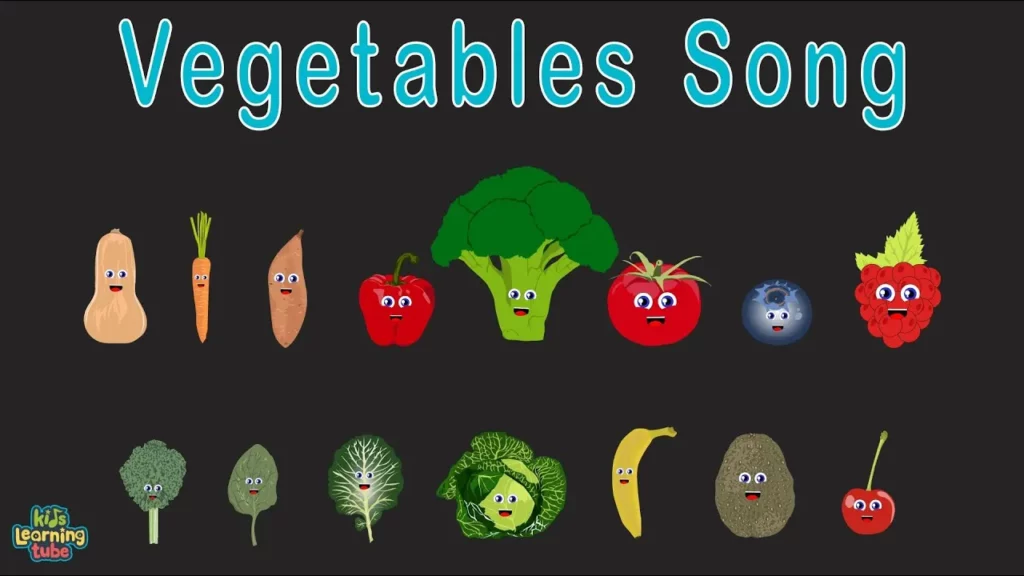
The lesson emphasizes the importance of a balanced diet rich in fruits and vegetables for maintaining health and vitality. It highlights key nutrients such as beta-carotene, vitamin C, antioxidants, and healthy fats, explaining how they contribute to overall wellness, protect against diseases, and support cognitive function. By incorporating a variety of these nutrient-dense foods into our meals, we can enhance our health, boost energy levels, and reduce the risk of illness.
Human Body /Tongue Song/Human Body Systems
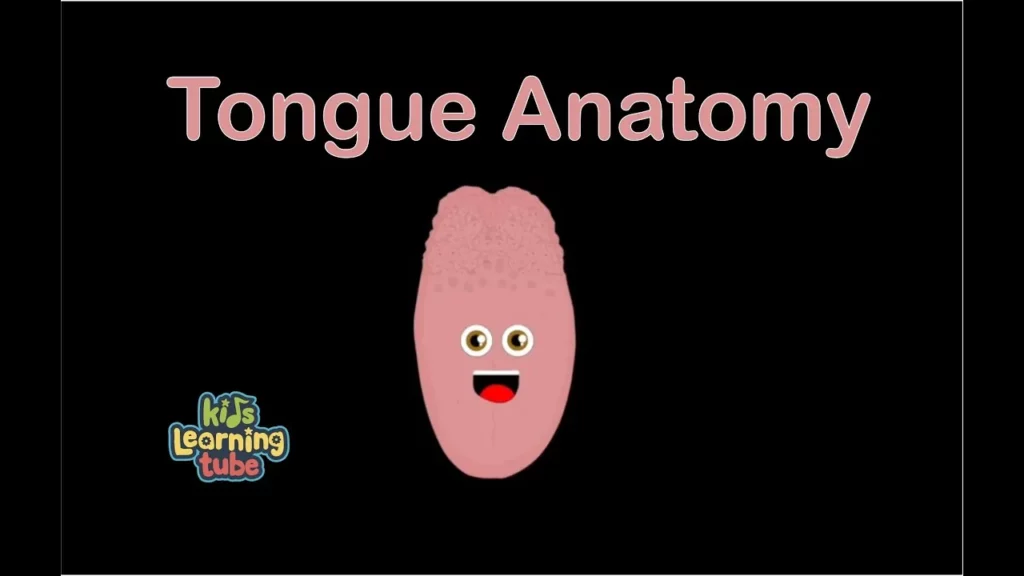
The lesson explores the anatomy and functions of the tongue, highlighting its role as an essential organ for tasting, chewing, swallowing, and speech. It describes the structure of the tongue, including the different types of lingual papillae that house taste buds, and explains how these taste buds enable us to experience various flavors. Overall, the lesson emphasizes the tongue’s importance in enhancing our enjoyment of food and facilitating communication.
Waste Per Country Comparison /Waste Per Capita Comparison
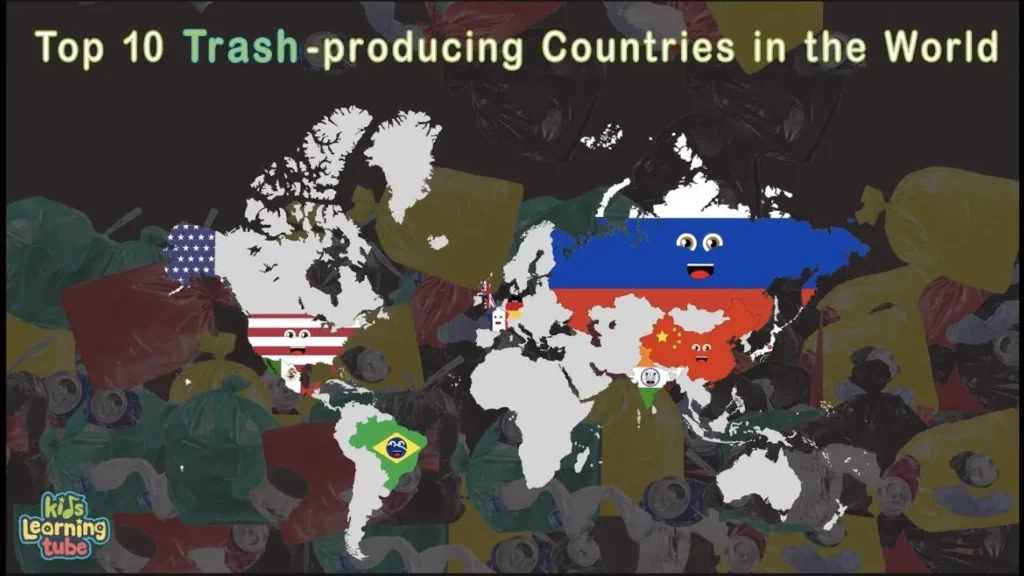
The lesson highlights the significant waste production of various countries, emphasizing the urgent need for improved waste management and reduction strategies. It identifies the United States as the largest producer of trash, followed by China and other nations, and stresses the importance of recycling and reducing waste to protect the environment. Ultimately, the lesson calls for collective action to address the global waste crisis and promote sustainability.