
Mexico Geography/Mexico Country
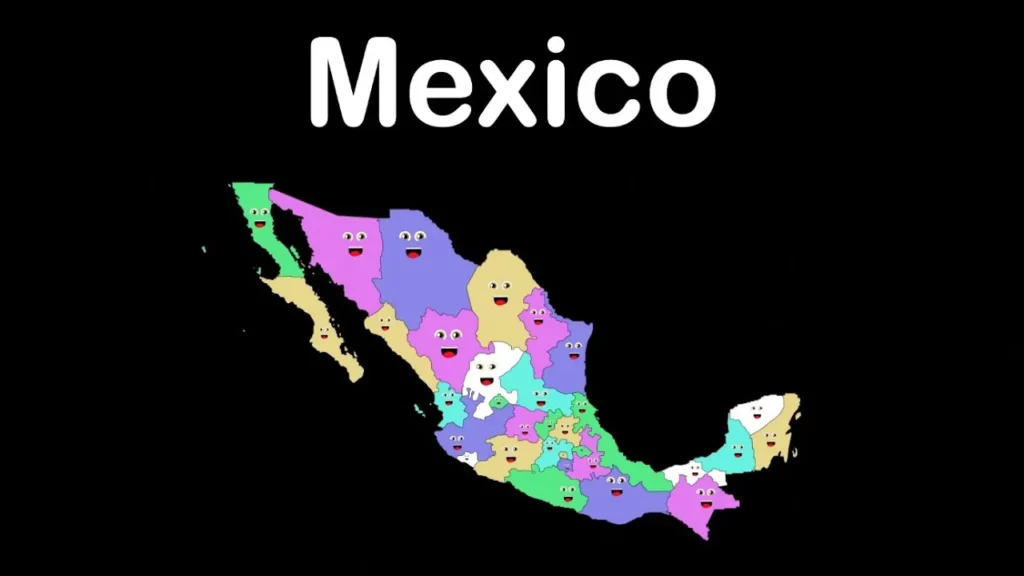
The lesson provides an overview of Mexico, highlighting its 31 states and their respective capitals, along with the unique cultural and historical significance of each region. It emphasizes the diversity of landscapes and experiences available in Mexico, from bustling cities to serene beaches. Understanding the states and capitals serves as a foundational step for exploring the rich heritage and attractions of this vibrant country.
Universe Size Comparison/Pyramid Size Comparison
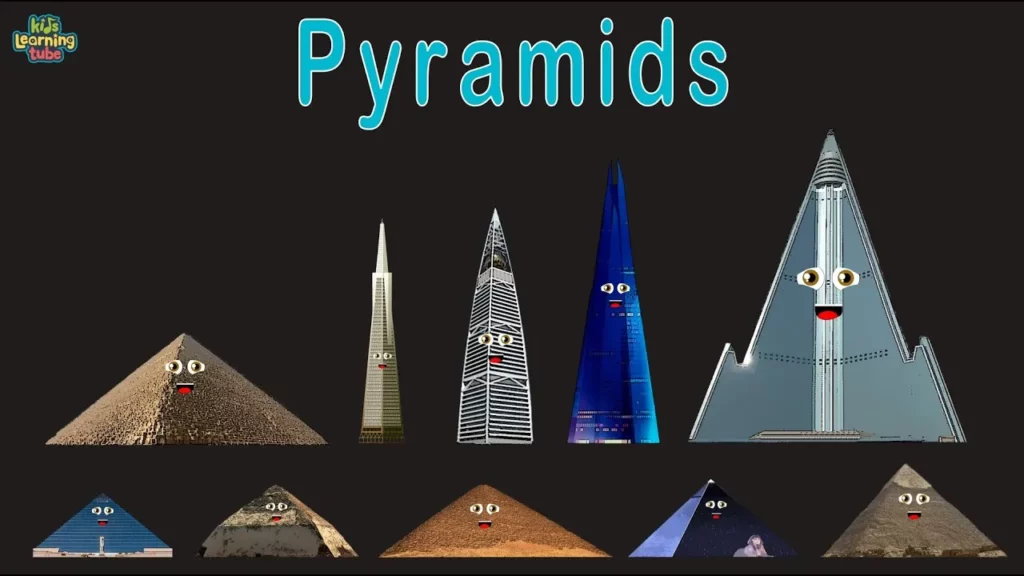
The lesson explores the significance of pyramids, highlighting both ancient structures like the Great Pyramid of Giza and modern interpretations such as the Luxor Hotel and the Shard. It emphasizes the engineering prowess of ancient civilizations and the innovative designs of contemporary architecture, showcasing how pyramids serve as enduring symbols of human achievement across different eras. Ultimately, the lesson invites learners to appreciate the historical and modern contexts of these remarkable structures.
Argentina Geography/Country of Argentina
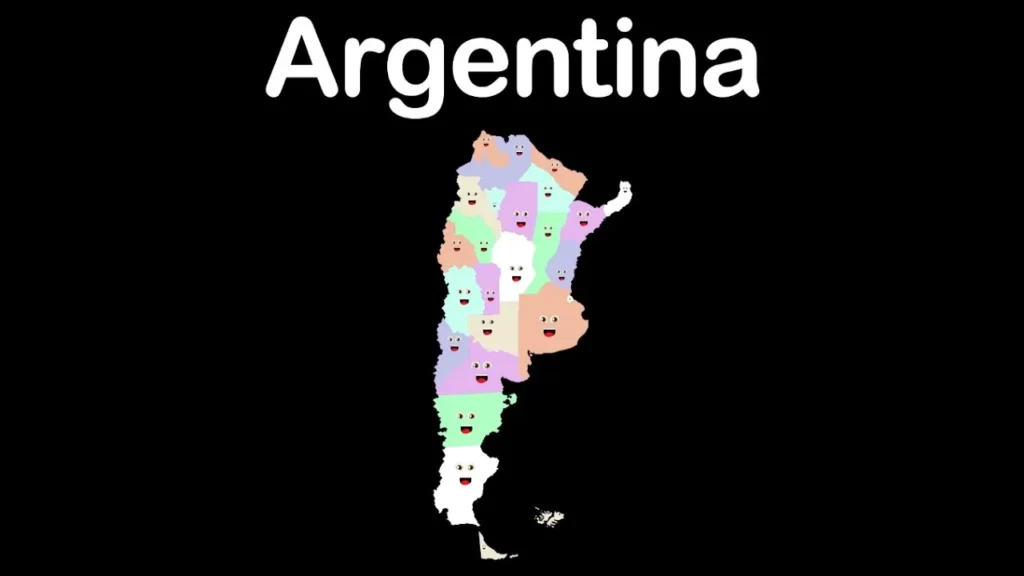
This lesson provides an overview of Argentina, highlighting its 23 provinces and the capital city, Buenos Aires. Each province is characterized by its unique landscapes, culture, and historical significance, showcasing the diversity of the country. From the vibrant urban life of Buenos Aires to the natural beauty of regions like Mendoza and Tierra del Fuego, Argentina offers a rich tapestry of experiences for all interests.
Montana – Geography and Counties | 50 States of America
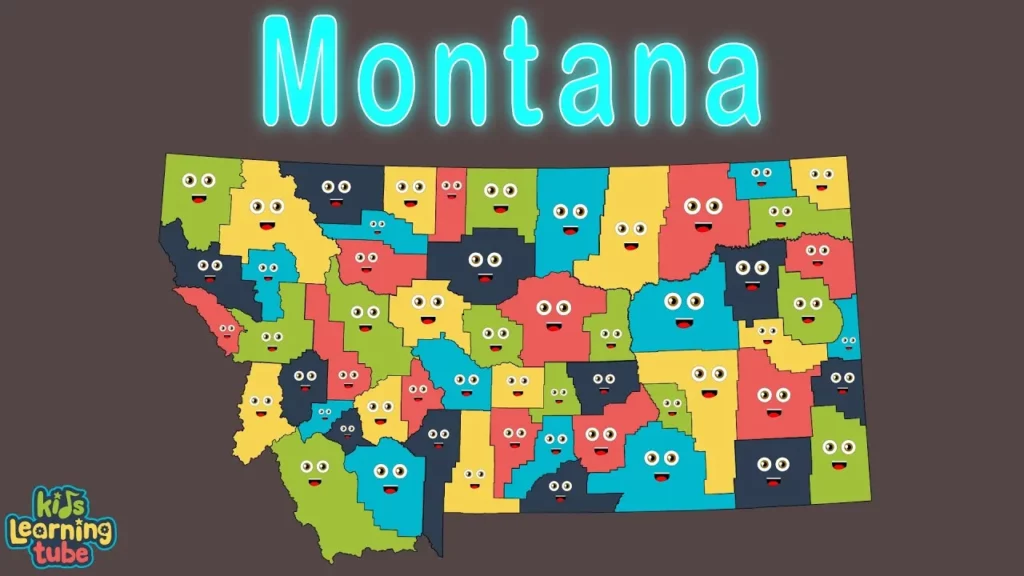
This lesson introduces students to the 56 counties of Montana, highlighting the diverse landscapes and unique characteristics of each county. It emphasizes the importance of learning through engaging methods, such as songs, to help memorize the counties and appreciate Montana’s rich culture and history, particularly in its capital, Helena. Overall, the lesson encourages exploration and discovery of the state’s distinct features.
British Columbia – Geography of Canadian Provinces | Countries of the World
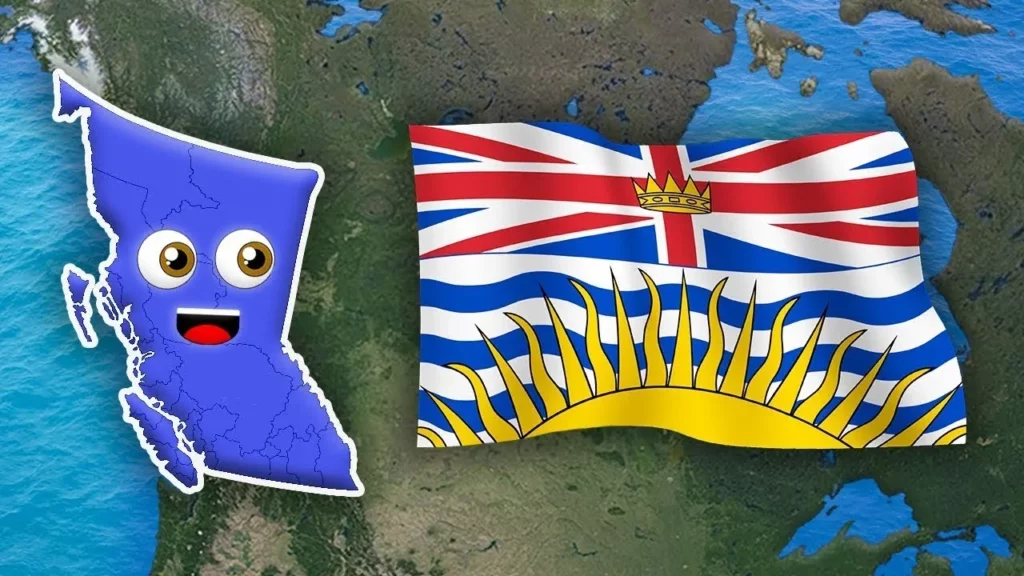
This lesson introduces British Columbia, Canada’s westernmost province, highlighting its stunning landscapes and rich cultural diversity. It explores the unique features of its 28 regional districts, from the historical Cariboo and the outdoor adventures in Thompson-Nicola to the vibrant culture of Metro Vancouver and the natural beauty of the Okanagan. Overall, British Columbia offers a wide range of experiences, catering to adventurers, nature lovers, and those seeking cultural enrichment.
Ethiopian Music Geography
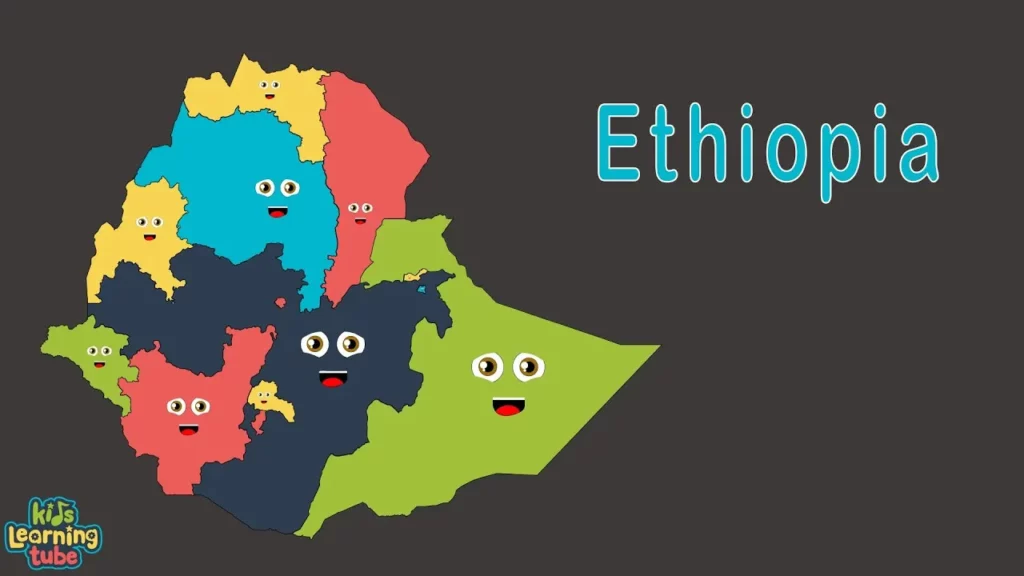
The lesson explores Ethiopia’s rich cultural diversity and regional uniqueness, highlighting its various regions and their capitals. Each area, from the historical significance of Tigray to the natural beauty of Gambella, offers distinct traditions and landscapes, showcasing the country’s vibrant heritage. Overall, Ethiopia invites exploration and appreciation of its multifaceted culture and history.
South Korea Geography/South Korea Country
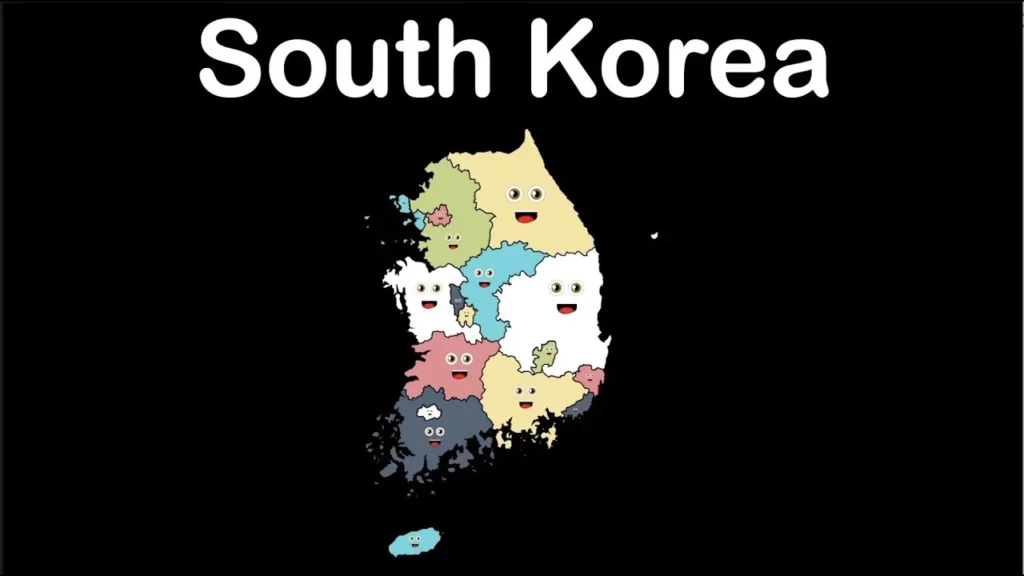
The lesson explores the diverse administrative divisions of South Korea, highlighting its major cities and provinces. It emphasizes the unique characteristics of each city, such as Seoul’s blend of tradition and modernity, Busan’s cultural vibrancy, and Jeju’s natural beauty, while also detailing the provinces’ distinct features, from Gyeonggi-do’s economic activity to Gangwon-do’s scenic landscapes. Overall, the lesson showcases South Korea’s rich culture, history, and geographical diversity, inviting further exploration of this dynamic country.
Bolivia Geography/Bolivia Country
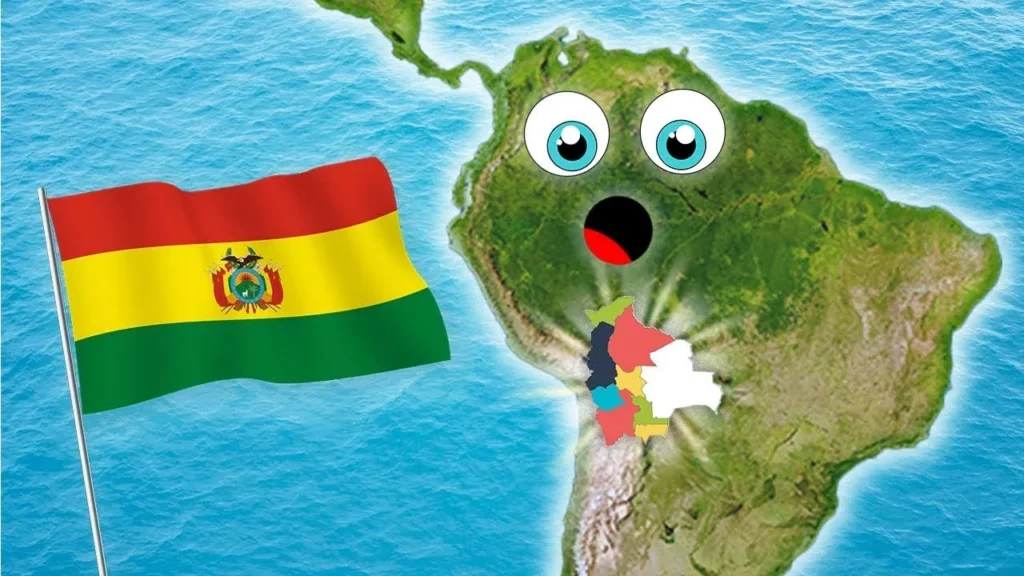
The lesson on Bolivia introduces the country’s nine unique departments, each with its own capital and distinct characteristics. From the cultural richness of Beni and the historical significance of Sucre in Chuquisaca to the vibrant economy of Santa Cruz and the natural beauty of Pando, each region offers a glimpse into Bolivia’s diverse landscapes and traditions. Overall, exploring these departments reveals the colorful and varied tapestry of Bolivian culture and geography.
Greece Geography/Greece Country
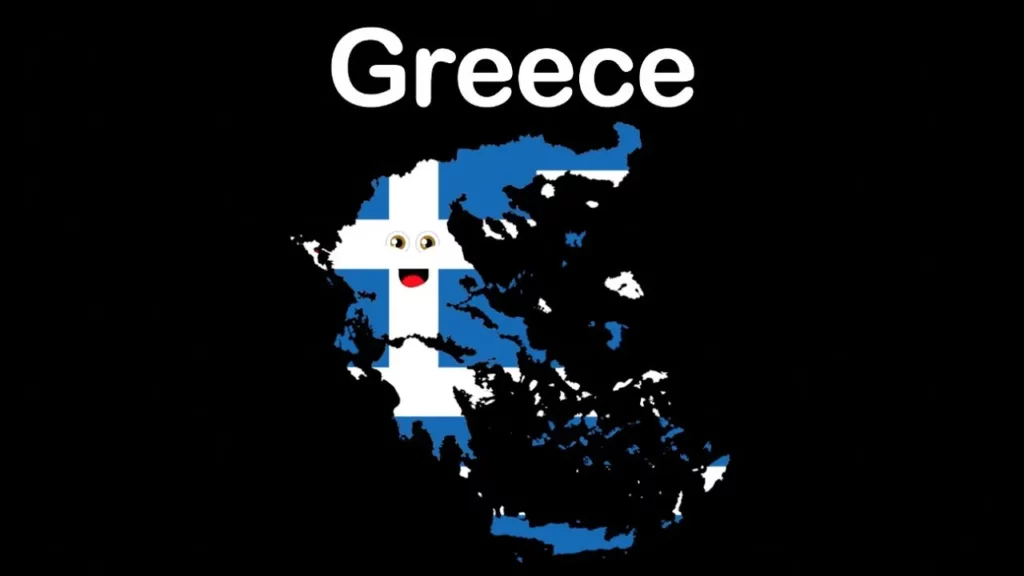
The lesson explores the thirteen regions of Greece, highlighting their unique features and capital cities. Each region, from the historical significance of Attica with Athens to the natural beauty of Crete, contributes to Greece’s rich cultural tapestry. The diversity of landscapes, history, and traditions across these regions showcases the fascinating heritage of this Southeastern European country.
Orbit Race!: How Long Does Each Solar System Planet Take To Travel Around The Sun?
In this lesson, students explored the solar system through a fun “cosmic race” that highlighted the varying speeds and orbital periods of the planets around the Sun, with Mercury being the fastest. The lesson also covered the historical shift to the heliocentric model proposed by Copernicus, the vast distances measured in light years, and recent discoveries about Jupiter’s moons. Overall, it emphasized the uniqueness of each planet and the immense scale of our universe, encouraging further exploration and curiosity.