
Subtraction Song

The lesson on subtraction introduces it as a fundamental mathematical operation that involves taking away numbers, illustrated through various examples. It emphasizes the significance of the subtraction symbol (−) and the equal sign (=) in understanding the relationship between numbers before and after subtraction. By practicing subtraction, learners can enhance their math skills and apply this concept in everyday situations.
These Countries Are The Least Populated In The World!
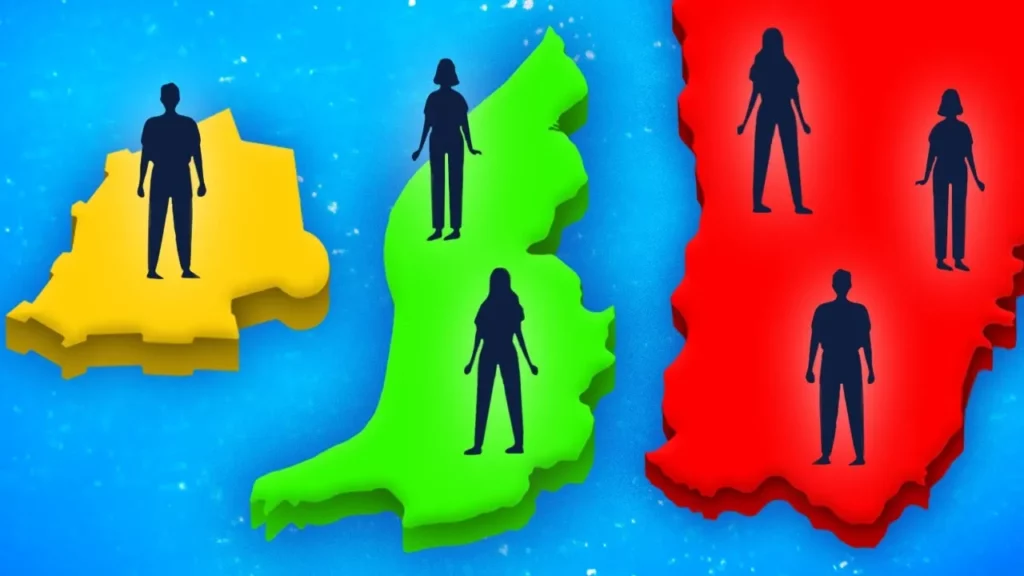
This lesson explores the ten smallest countries in the world by population, highlighting their unique characteristics and cultural significance. From Vatican City, the smallest country with just 799 residents, to Dominica, known for its lush rainforests, each nation offers a distinct blend of history, natural beauty, and cultural richness despite their small size. The lesson emphasizes the importance of these tiny nations and their contributions to the global tapestry.
Amazing Facts About Sperm Whales

The lesson explores the unique sleeping habits of sperm whales, highlighting their ability to sleep in a vertical position while remaining aware of their surroundings. This adaptation allows them to conserve energy and quickly respond to potential dangers, illustrating the diverse strategies animals employ to thrive in their environments.
The Heart Anatomy Song
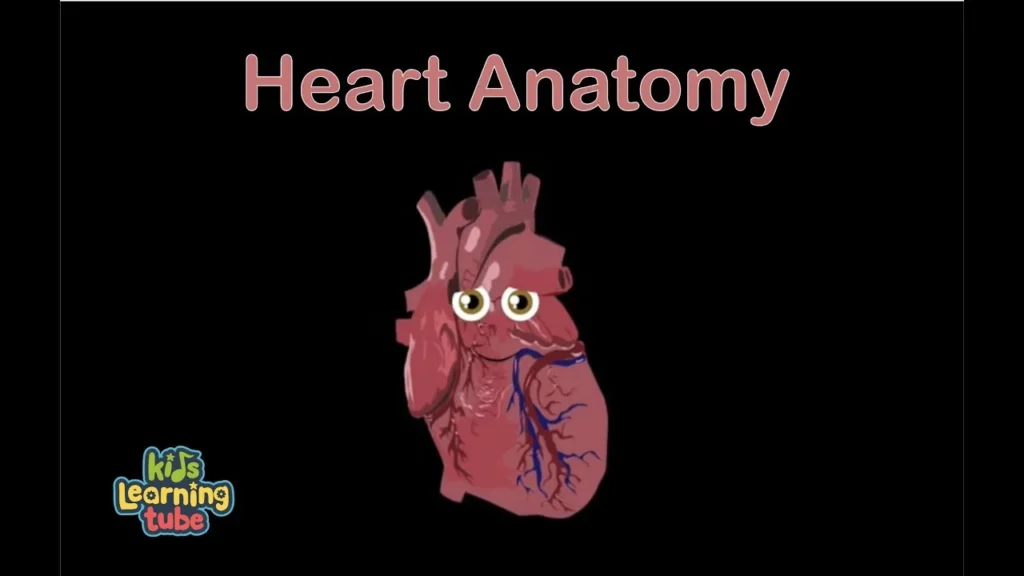
The lesson “Understanding the Heart: The Vital Organ of Life” explores the anatomy and function of the heart, highlighting its four chambers and the critical role it plays in pumping blood throughout the body. It emphasizes the heart’s efficiency, beating over 100,000 times daily, and the importance of its valves in maintaining proper blood flow. The lesson concludes by stressing the need for heart health through a balanced diet, regular exercise, and health check-ups to ensure a healthy life.
Five Oceans Song/Five Oceans of the World
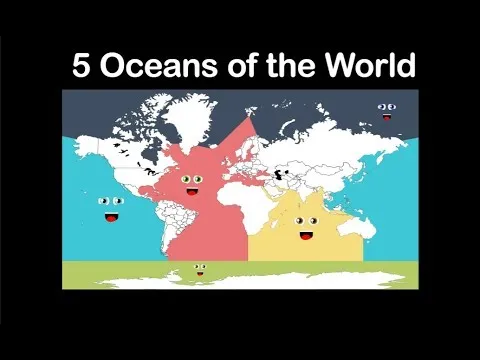
In this lesson, we explored the five major oceans of the world: the Pacific, Atlantic, Indian, Arctic, and Southern Oceans, which together cover about 71% of the Earth’s surface. Each ocean has unique characteristics, such as size, location, and ecological importance, contributing to global trade, climate regulation, and marine biodiversity. Understanding these oceans helps us appreciate their vital role in maintaining the health of our planet.
Human Body /Spine Song /Human Body Systems
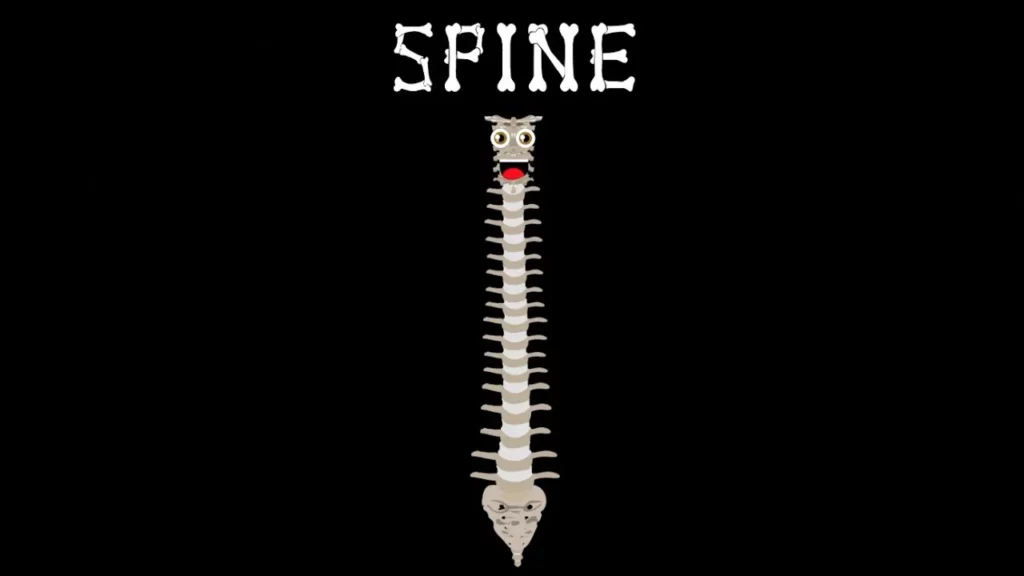
The lesson “Discovering Your Spine: A Fun Guide” explores the anatomy and importance of the human spine, detailing its various components, including the cervical, thoracic, and lumbar curvatures, as well as the sacrum and coccyx. It highlights the role of intervertebral disks in providing flexibility and shock absorption, and emphasizes the significance of the spinal cord in connecting the brain to the body’s nerves. Understanding the spine’s structure is essential for maintaining overall health and mobility.
Salacia – Dwarf Planet Candidate | Dwarf Planet Song
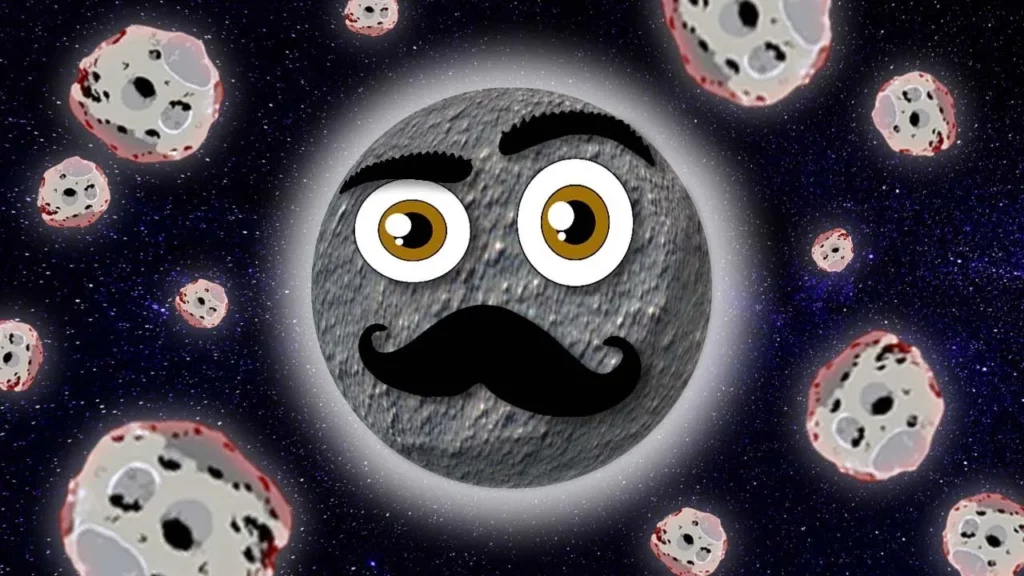
The lesson explores 347 Salacious, a trans-Neptunian object discovered in 2004, highlighting its significance in our solar system. With a diameter of about 850 kilometers and its own moon, Actea, Salacious offers insights into the formation and evolution of space rocks. The study of such objects enhances our understanding of the universe and its mysteries.
Full Solar System Size Comparison!
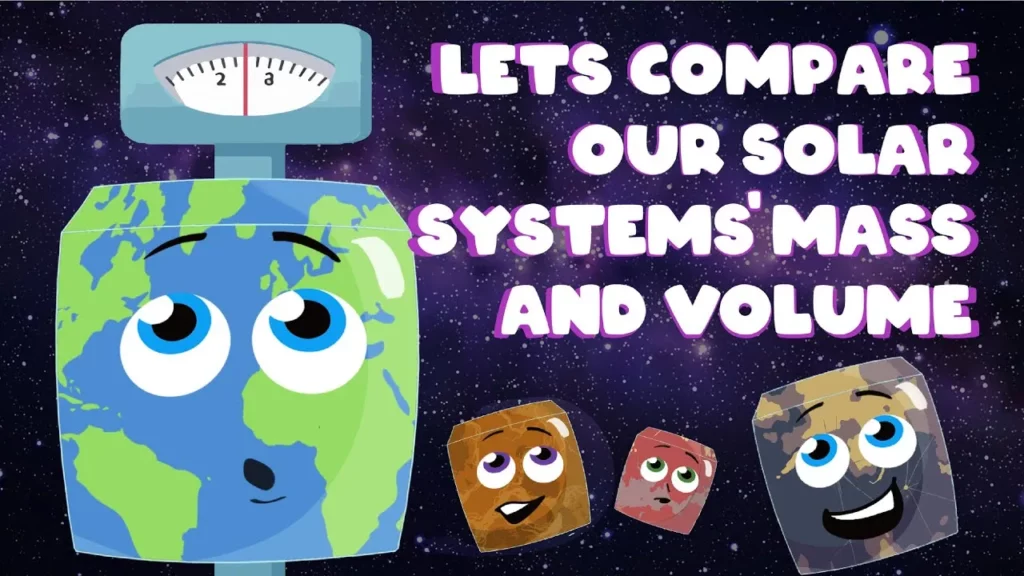
In this lesson, we explored the concepts of mass and volume as they relate to the planets in our solar system. By comparing each planet to Earth, we learned that Mercury is the smallest and has only 5.5% of Earth’s mass, while Jupiter is the largest, with a mass 31,780 times that of Earth. This comparison highlights the diverse characteristics of the planets, making our solar system a fascinating subject of study.
2021 PH27 Closest Object to the Sun
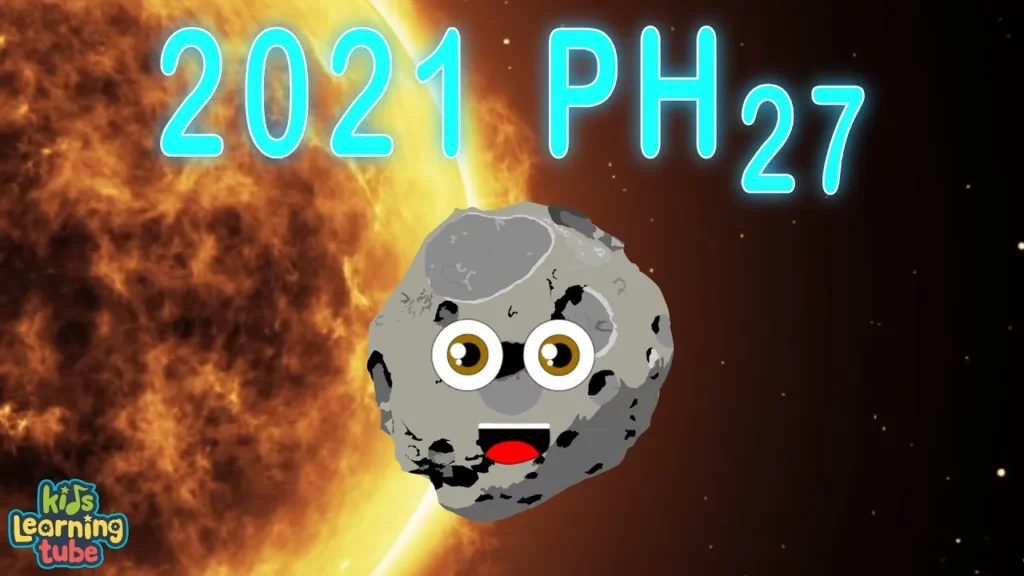
The lesson discusses the discovery of 2021 PH27, the closest known object to the Sun, found by astronomer Scott Shepard in August 2021. This small object, which orbits the Sun in just 113 days and has a perihelion closer than Mercury, offers valuable insights into our solar system and highlights the ongoing importance of astronomical research.
Human Body /Foot Bones/Human Body Systems
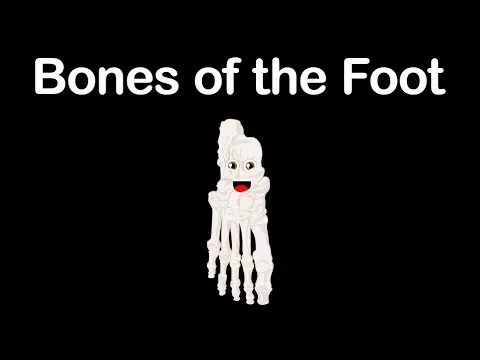
The lesson on “Understanding the Anatomy of the Human Foot” highlights the complex structure of the foot, which consists of 26 bones, 33 joints, 107 ligaments, and 19 muscles, divided into three main sections: the hindfoot, midfoot, and forefoot. Each section plays a crucial role in movement and balance, emphasizing the importance of foot health through proper care, footwear, and hygiene to maintain their functionality and strength.