
Explore The 10 Largest Rivers In The World! | Geography Songs For Kids
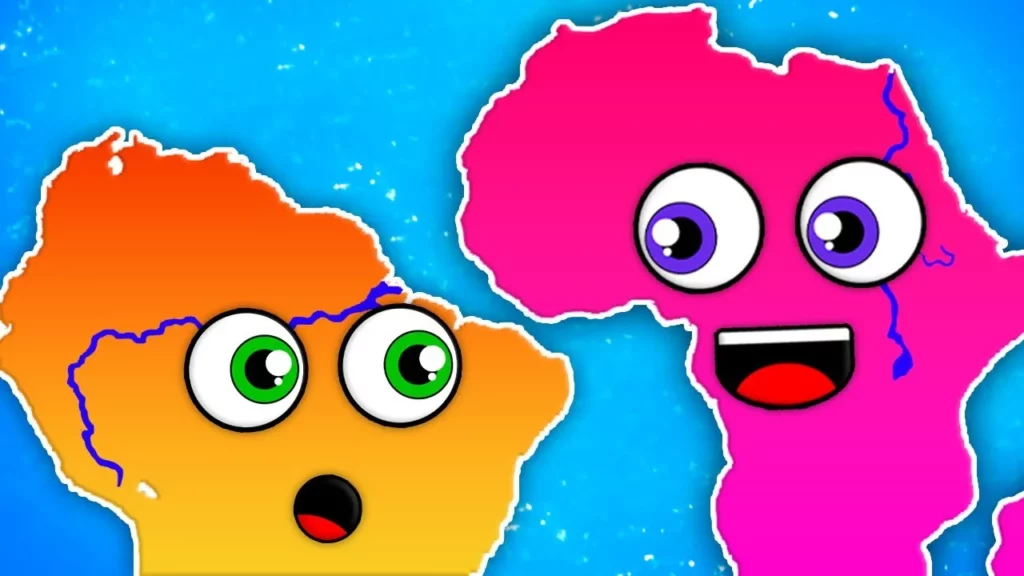
This lesson explores the ten longest rivers in the world, highlighting their lengths, locations, and significance to the surrounding ecosystems and human populations. Each river serves as a vital resource for water, agriculture, transportation, and biodiversity, illustrating their crucial role in shaping both the environment and human civilization. Understanding these rivers enhances our appreciation for their contributions to life on Earth.
Human Body /Kidney Song/Human Body Systems
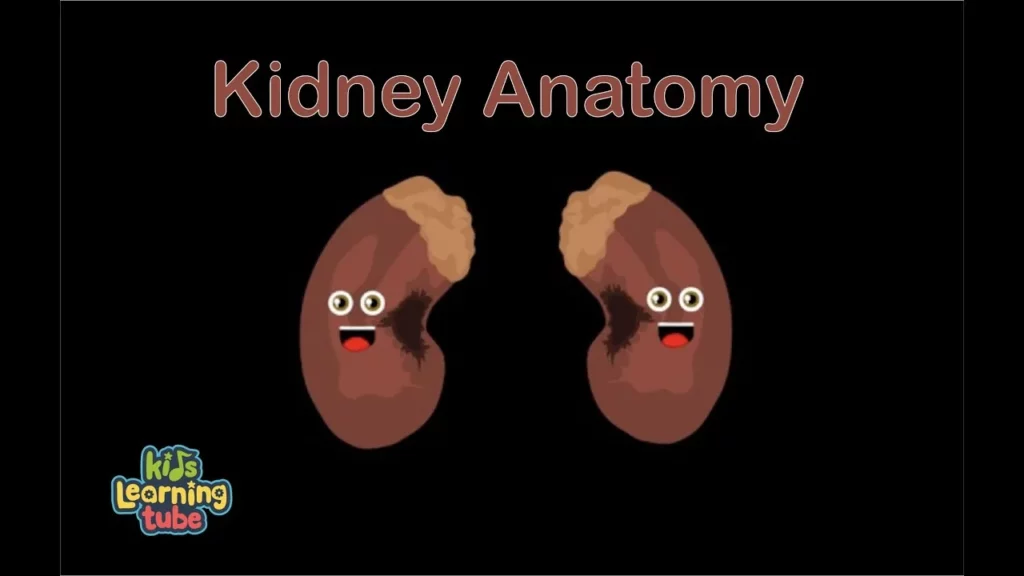
The lesson “Discovering Your Kidneys: A Fun Guide” introduces the essential functions and structure of the kidneys, highlighting their role in filtering blood, balancing fluids, and producing hormones. It explains how nephrons, the tiny filters within the kidneys, remove waste and excess water, which then becomes urine that is expelled from the body. Understanding the kidneys’ functions helps appreciate their importance in maintaining overall health and balance in the body.
The Planet Earth | Space Explained by KLT!
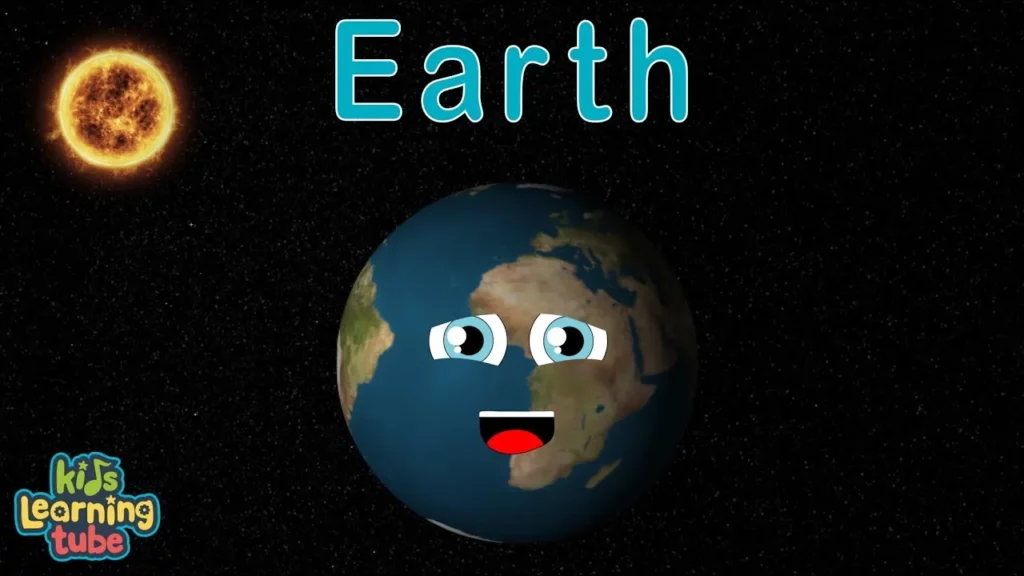
The lesson “The Earth: Our Unique Home” highlights the remarkable features that make Earth a suitable habitat for life, including its protective atmosphere, diverse climates, and geological history. It emphasizes the importance of Earth’s orbit and rotation in creating day and night, as well as the significance of maintaining the planet’s health for future generations. Ultimately, the lesson encourages collective responsibility in preserving our unique home.
Which Berries Grow On Bushes? | Songs For Kids
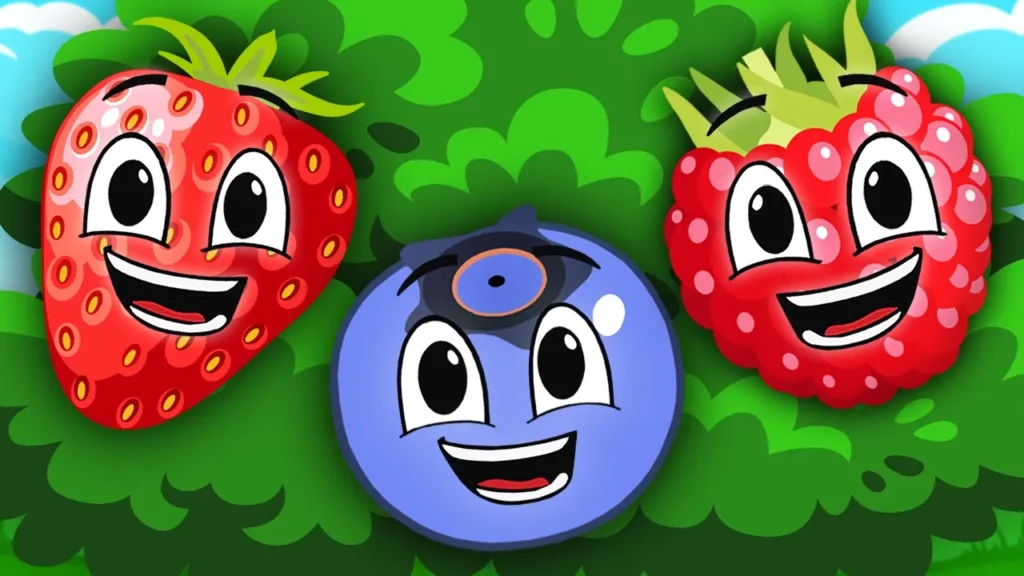
In this lesson, we explored various types of berry bushes and the delicious fruits they produce, including blueberries, raspberries, blackberries, strawberries, currants, gooseberries, elderberries, huckleberries, and cranberries. Each berry has its unique flavor and uses in cooking and baking, making them a delightful addition to meals and desserts. Understanding these berries can enhance both gardening and culinary experiences.
The Planet Song – 8 Planets of the Solar System Song for Kids | KidsLearningTube
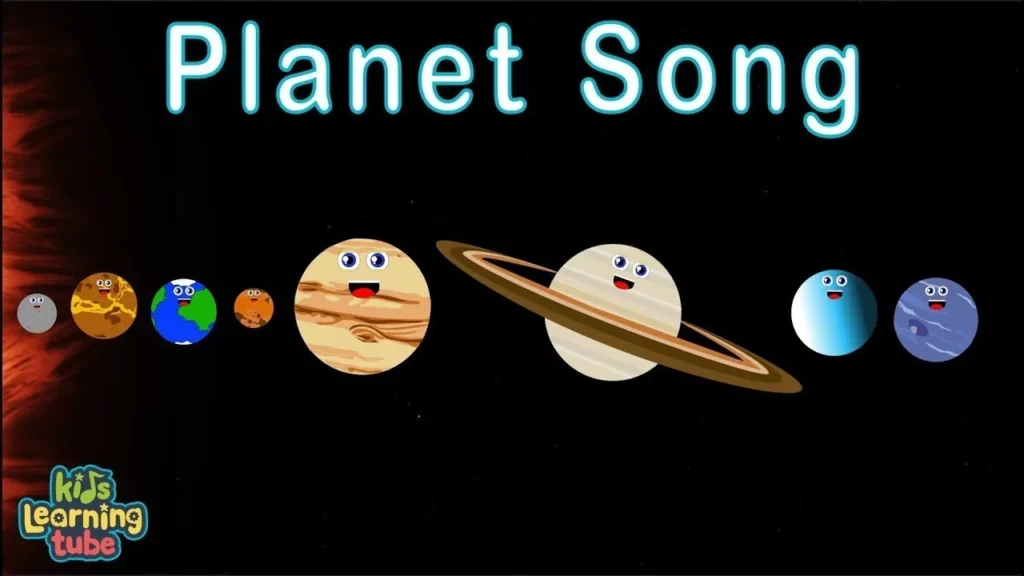
This lesson explores the eight unique planets of our solar system, highlighting their distinct characteristics and features. From Mercury’s swift orbit and extreme temperatures to Neptune’s mysterious, stormy atmosphere, each planet offers fascinating insights into the diversity of our cosmic neighborhood. Understanding these planets not only enriches our knowledge of the universe but also emphasizes the importance of caring for our home, Earth.
UK Geography/ UK Country
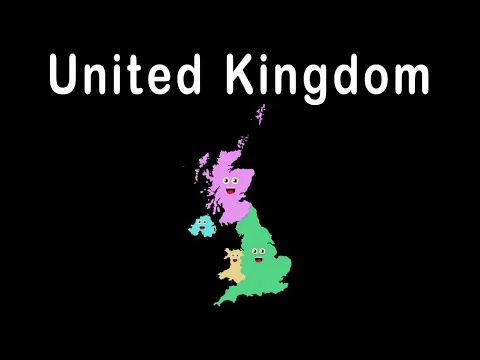
The lesson explores the diverse countries and cultural icons of the United Kingdom, highlighting England and Northern Ireland. It emphasizes England’s rich history and notable figures like Shakespeare and The Beatles, as well as Northern Ireland’s unique culture and influential personalities such as Rory McIlroy and Van Morrison. Overall, the UK is portrayed as a vibrant tapestry of distinct cultures and histories, inviting further exploration.
What Is The Moon? | The Earth’s Moon Song
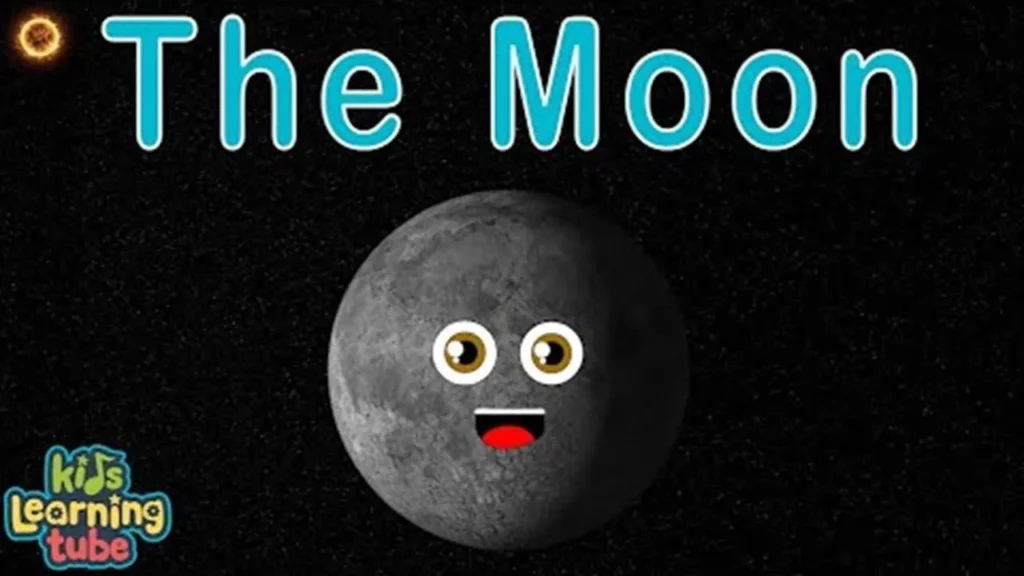
The lesson explores the Moon, Earth’s only natural satellite, highlighting its unique characteristics, formation, and influence on our planet. Formed approximately 4.5 billion years ago from debris after a massive collision with a space rock, the Moon’s gravitational pull affects ocean tides on Earth. Additionally, the lesson emphasizes the Moon’s distance from Earth, its rotation period, and the absence of sound due to its thin atmosphere, underscoring its significance in understanding our universe.
Rigel – Stars of the Universe Song
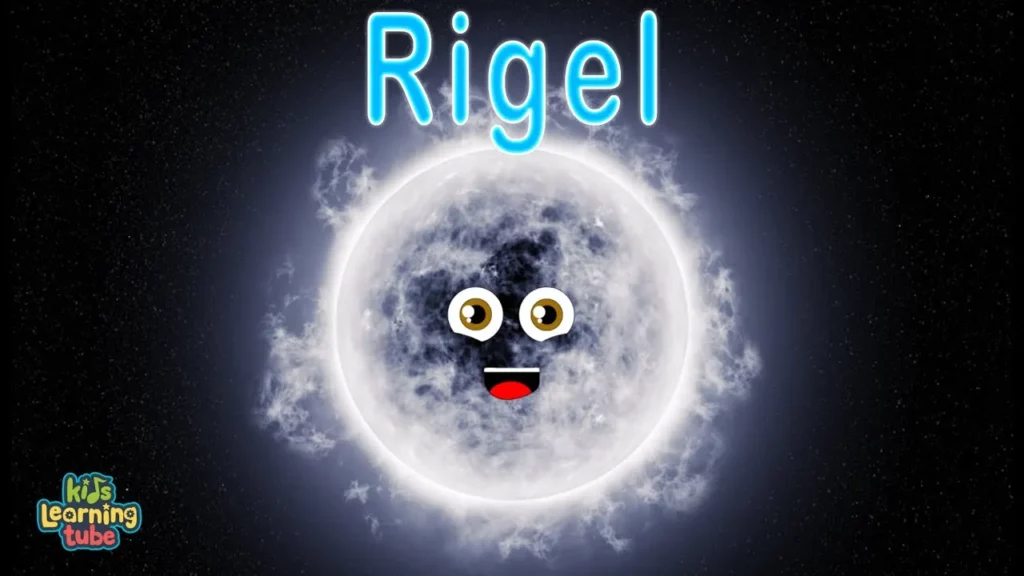
The lesson on Rigel highlights its significance as the brightest star in the Orion constellation, characterized as a blue-white supergiant that is much larger and hotter than our Sun. Discovered by William Herschel in 1781, Rigel is approximately 7 to 9 million years old and is expected to end its life in a spectacular Type II supernova. Its immense brightness and size make it a prominent feature in the night sky, easily observable from Earth, serving as a valuable reference point for both astronomers and stargazers.
Dwarf Planet Song/Dwarf Planet Ceres
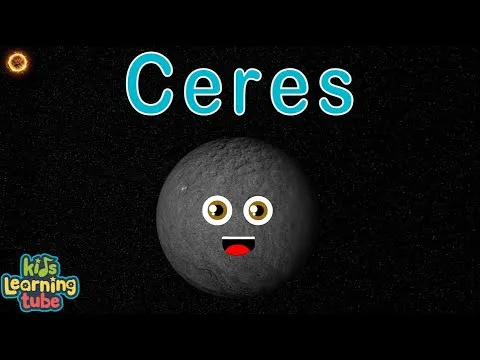
The lesson explores Ceres, the smallest dwarf planet located in the asteroid belt between Mars and Jupiter, highlighting its discovery by Giuseppe Piazzi in 1801 and its naming after the Roman goddess of agriculture. It discusses Ceres’ orbital characteristics, NASA’s exploration through the Dawn spacecraft, and the intriguing bright spots found in the Occator crater, emphasizing the evolving understanding of Ceres’ status as a dwarf planet since 2006 and the ongoing scientific interest in this celestial body.
Super Earth TOI-561b
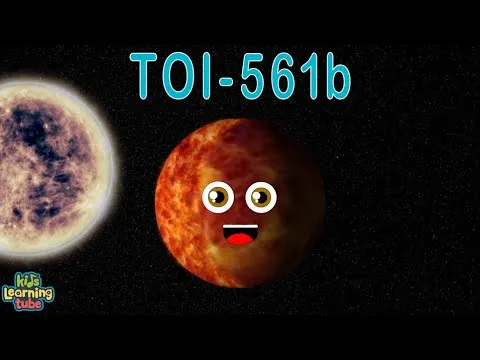
TOI-561b is a remarkable “Super Earth” located 280 light-years away, notable for being one of the oldest rocky planets discovered, estimated to be around 10 billion years old. Discovered by the TESS telescope in 2020, it has extreme temperatures reaching 3,630 degrees Fahrenheit due to its rapid orbit around its star, making it unlikely to support life. Studying TOI-561b provides valuable insights into the formation and evolution of rocky planets in our galaxy.