
Hawaii/Hawaiian Islands/Hawaii /Hawaiian Geography
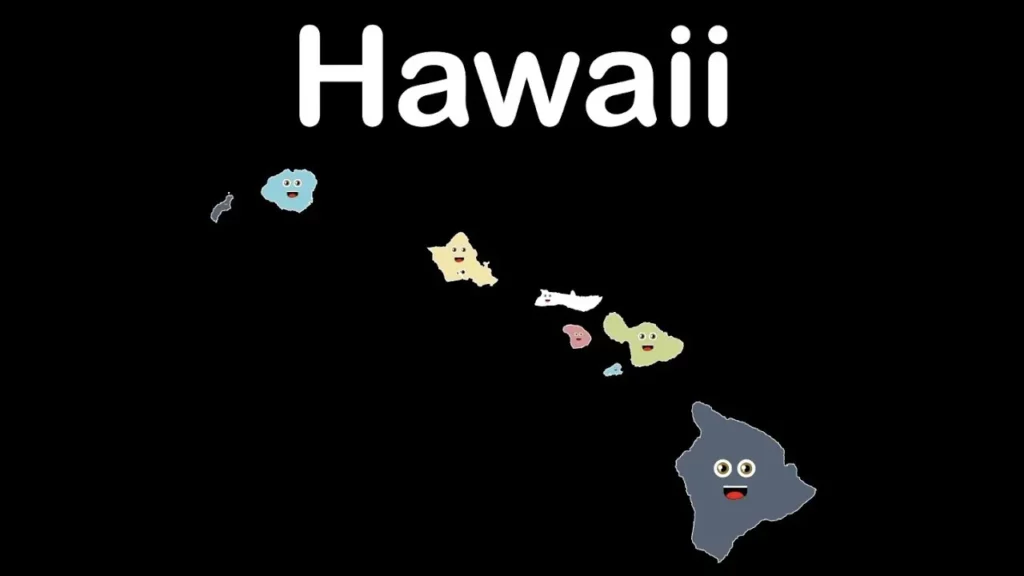
The lesson explores the eight major islands of Hawaii, each with its own unique characteristics and attractions. From the diverse landscapes of Hawaiʻi (The Big Island) to the lush greenery of Kauaʻi (The Garden Isle), and the cultural richness of Oʻahu (The Gathering Place), students learn about the natural beauty and cultural significance of each island. Overall, the lesson highlights Hawaii’s vibrant mix of nature, history, and adventure, inviting exploration of this beautiful paradise.
Universe Size Comparison Mountain Size Comparison
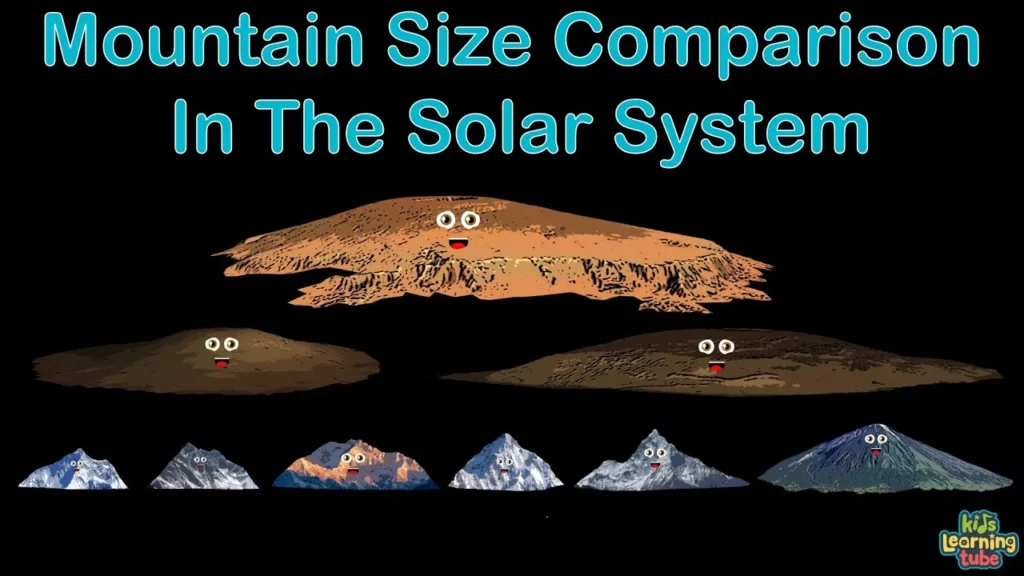
In this lesson, we explored the tallest mountains in our solar system, comparing Earth’s highest peaks, such as Mount Everest and K2, with Mars’ colossal volcanoes, including Olympus Mons, the tallest mountain in the solar system. We learned about the impressive heights and unique characteristics of these natural wonders, highlighting the diversity of geological features on both Earth and Mars. This journey emphasizes the remarkable scale and variety of mountains beyond our planet.
Discover The Top 3 Plants To Stay Away From! | Original Song For Kids
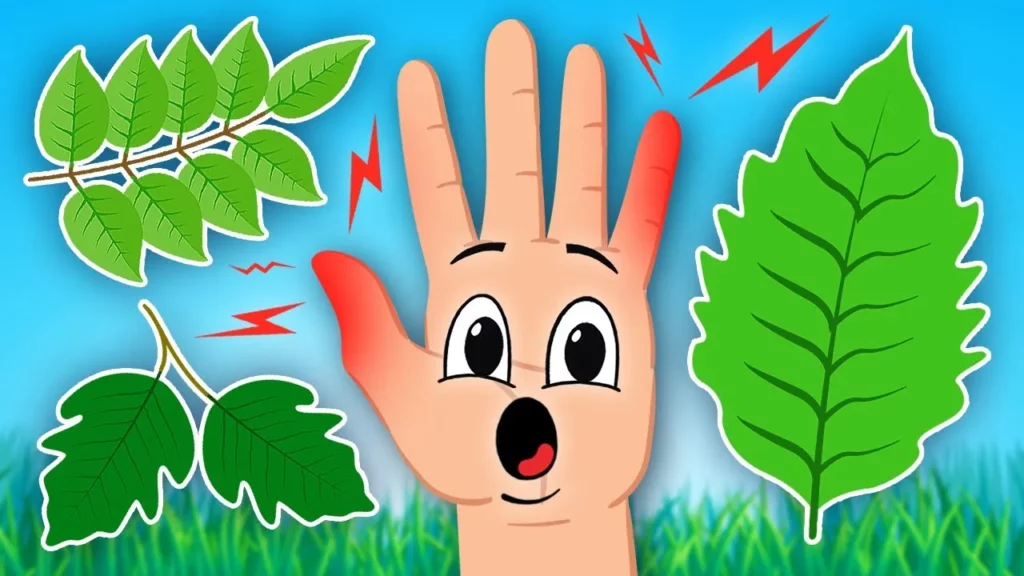
This lesson highlights three dangerous plants—poison ivy, poison oak, and poison sumac—that can cause itchy and painful skin reactions. Each plant has distinct characteristics, such as the number and shape of leaves, and contains an oily resin that triggers allergic reactions upon contact. By recognizing these plants, you can enjoy your outdoor adventures while avoiding discomfort.
Explore The 7 Continents & Their Sizes! | Geography Songs For Kids
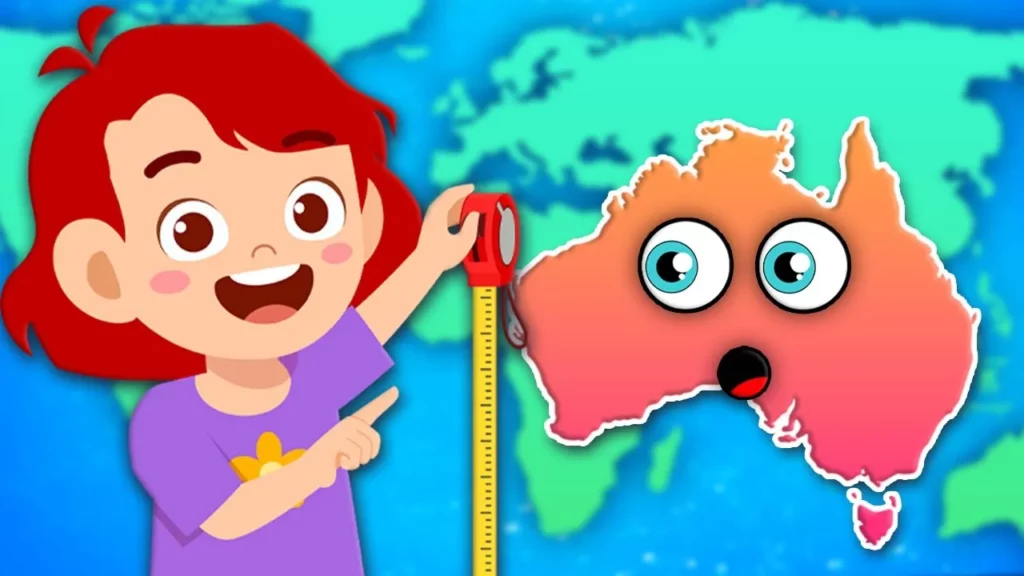
In this lesson, we explored the seven continents of the world, highlighting their unique sizes and characteristics. From the vastness of Asia to the smaller yet distinctive Australia, each continent offers a rich tapestry of cultures, landscapes, and wildlife. Understanding these differences enhances our appreciation for the diversity of our planet.
M51 ULS 1b – M51 Whirlpool Galaxy Extragalactic Planet Candidate
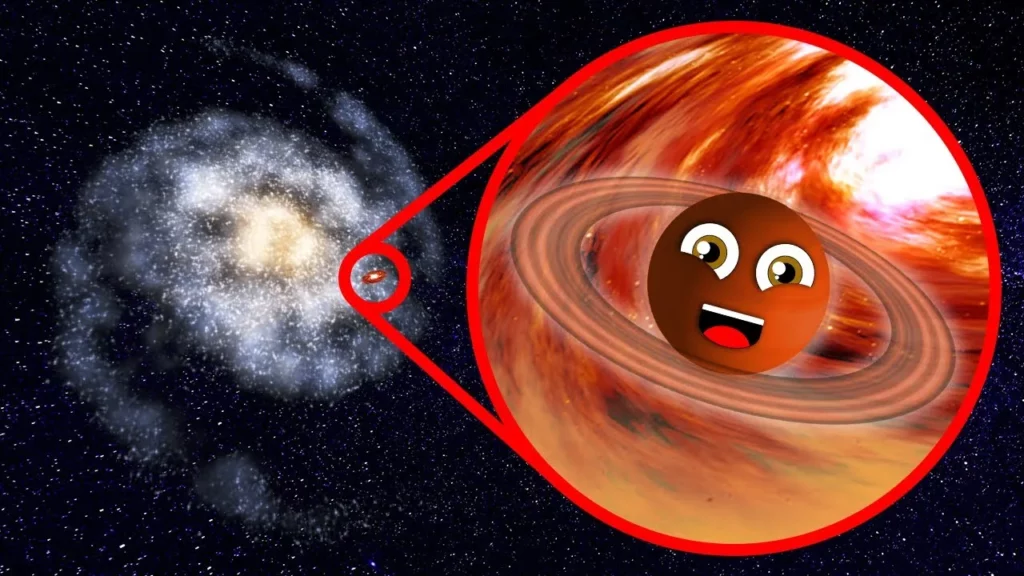
The lesson discusses the groundbreaking discovery of M51-ULS-1b, the first exoplanet found outside the Milky Way, located in the Whirlpool Galaxy (M51). Detected using NASA’s Chandra X-ray Observatory, this Saturn-like planet orbits a star near a neutron star or black hole, allowing scientists to observe its transit by monitoring changes in X-ray emissions. This discovery not only expands our understanding of planets beyond our galaxy but also highlights the capabilities of modern astronomical tools.
Dwarf Planet Song | Space Explained by KLT!
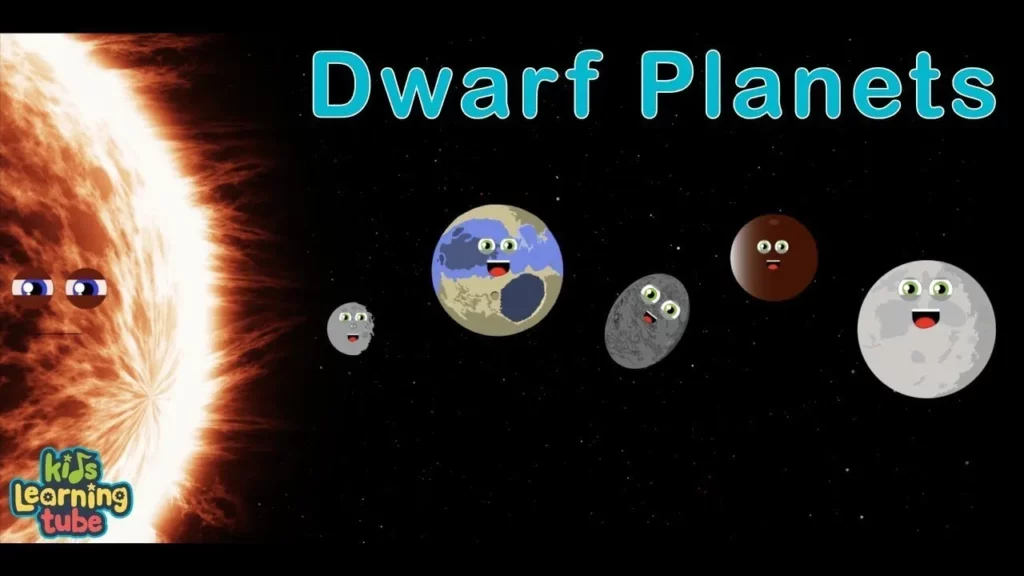
The lesson explores the five recognized dwarf planets in our solar system: Ceres, Pluto, Haumea, Makemake, and Eris, highlighting their unique characteristics and locations. Dwarf planets, while similar to regular planets, do not meet all criteria for full planetary status and primarily reside in the Kuiper Belt, with Ceres being the closest to the Sun. Through studying these fascinating worlds, we gain insights into the diversity of celestial objects and the evolution of our solar system.
Lunar Eclipse
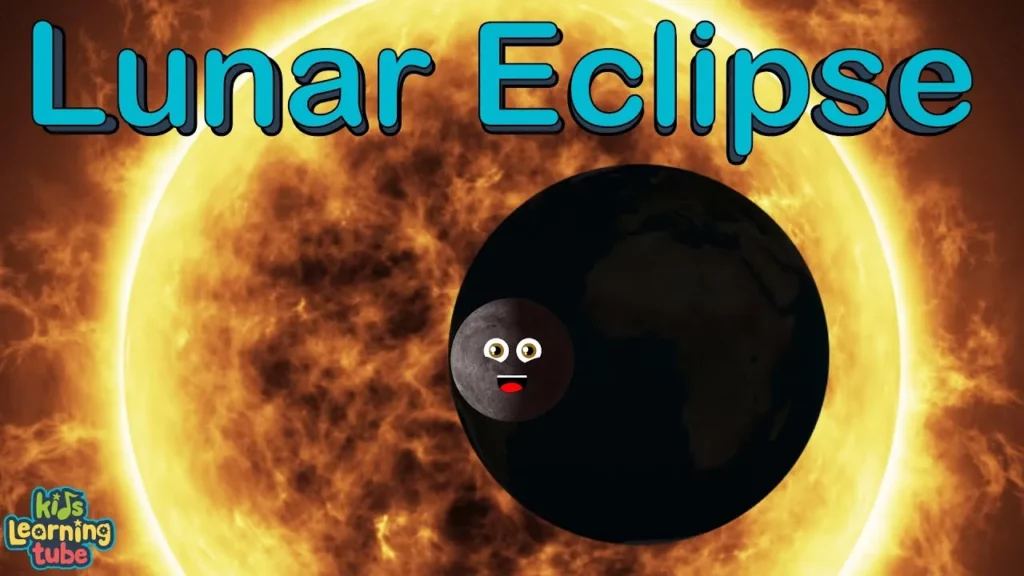
A lunar eclipse occurs when the Earth positions itself directly between the Moon and the Sun, casting a shadow on the Moon and causing it to appear darker. The Earth’s shadow consists of two parts: the penumbra, where the light is partially blocked, and the umbra, where the light is completely obstructed, resulting in a reddish hue known as a “Blood Moon.” Understanding the stages of a lunar eclipse enhances the appreciation of this celestial event, making it a must-see for anyone interested in astronomy or the night sky.
What Is J1407b? | Super Saturn Extrasolar Planet
The lesson introduces J1407b, an exoplanet discovered in 2012, known for its extraordinary ring system that is 200 times larger than Saturn’s. Orbiting the star V1400 Centauri, located 434 light-years away, J1407b presents intriguing mysteries, including its classification as either a gas giant or a brown dwarf, and the potential presence of an exomoon within its ring system. As scientists continue to study this “Super Saturn,” they hope to uncover more about its unique features and the broader universe.
What is Space Weather?!
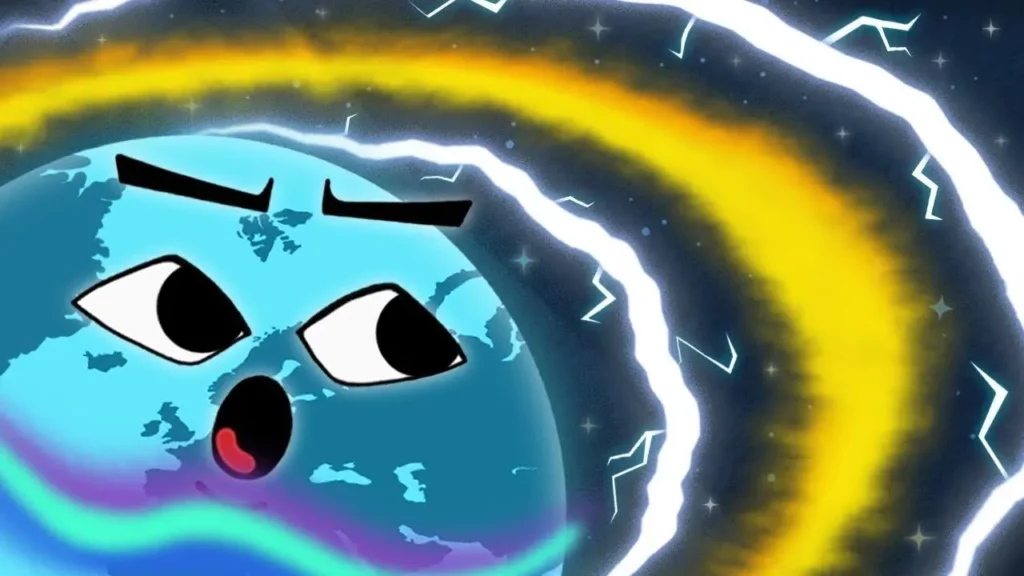
The lesson on “Understanding Human-Made Space Weather” explores how human activities, particularly high-altitude nuclear tests conducted during the Cold War, have altered the space environment around Earth. These tests released plasma and charged particles, creating artificial radiation belts that disrupted satellites and communication systems, highlighting the significant impact of human actions on both technology and the broader environment. Understanding these effects is crucial for safeguarding our technological infrastructure and maintaining the stability of modern society.
The Planet Mercury | Space Explained
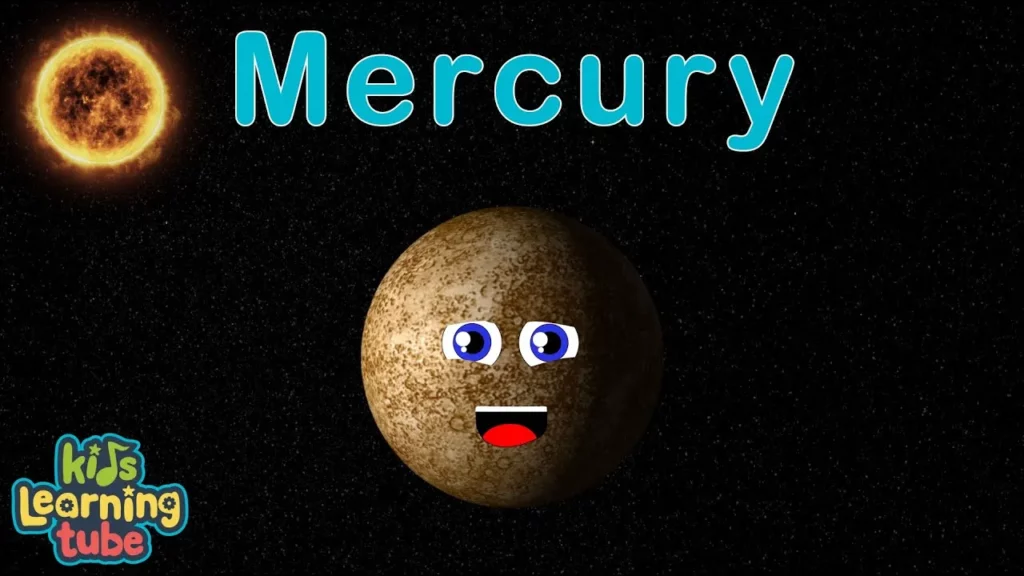
The lesson explores Mercury, the closest and smallest planet in our solar system, highlighting its unique characteristics such as its rapid orbit around the Sun, extreme temperature variations, and rocky, cratered surface. Despite its small size, Mercury’s density and thin atmosphere, along with its lack of moons, make it a fascinating subject for study in astronomy. Overall, Mercury’s intriguing features and fast-paced nature contribute to its significance in our understanding of the solar system.