
Best Christmas Stories For Kids | Christmas 2019 | How Christmas Started | Santa Claus
The lesson explores the origins and traditions of Christmas, highlighting how the holiday evolved from ancient celebrations like Saturnalia to its current form, officially recognized by Pope Julius in 350 A.D. It discusses the significance of customs such as decorating Christmas trees, which began in 16th-century Germany, and the legend of Santa Claus, rooted in the kindness of Saint Nicholas. Ultimately, the lesson emphasizes the blend of Christian beliefs and ancient customs that contribute to the joy and spirit of the Christmas season.
Everything About Winter Season | Snow
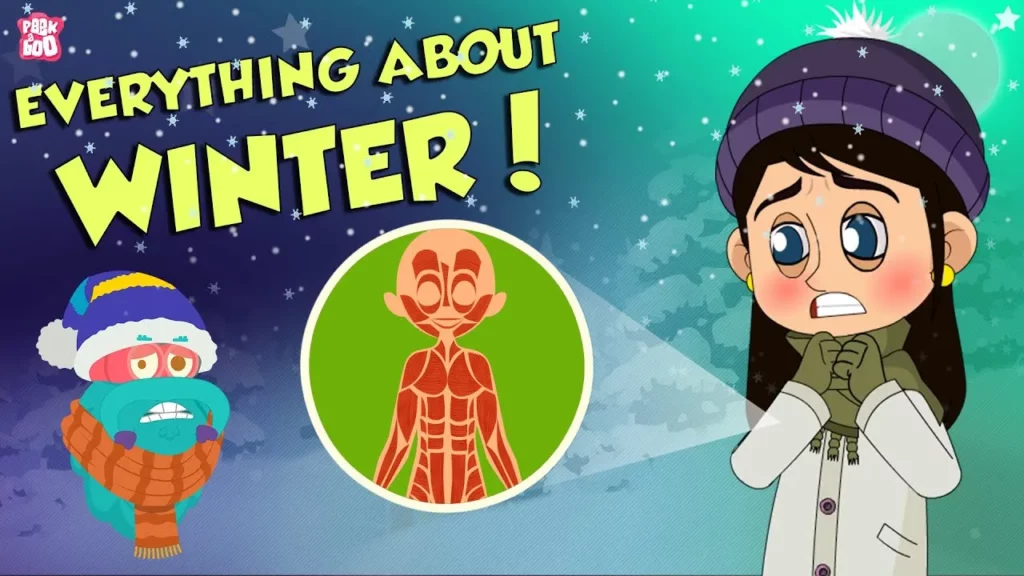
This lesson explores the fascinating aspects of winter phenomena, including the unique formation of snowflakes, the hibernation process in animals, the science behind shivering, the migration patterns of birds, and the consequences of ice melting due to climate change. Each topic highlights the intricate relationships within nature and the adaptations that allow various species to survive in harsh conditions. Ultimately, it emphasizes the importance of understanding and protecting our environment.
What Is Black Fungus? | Black Fungus Infection
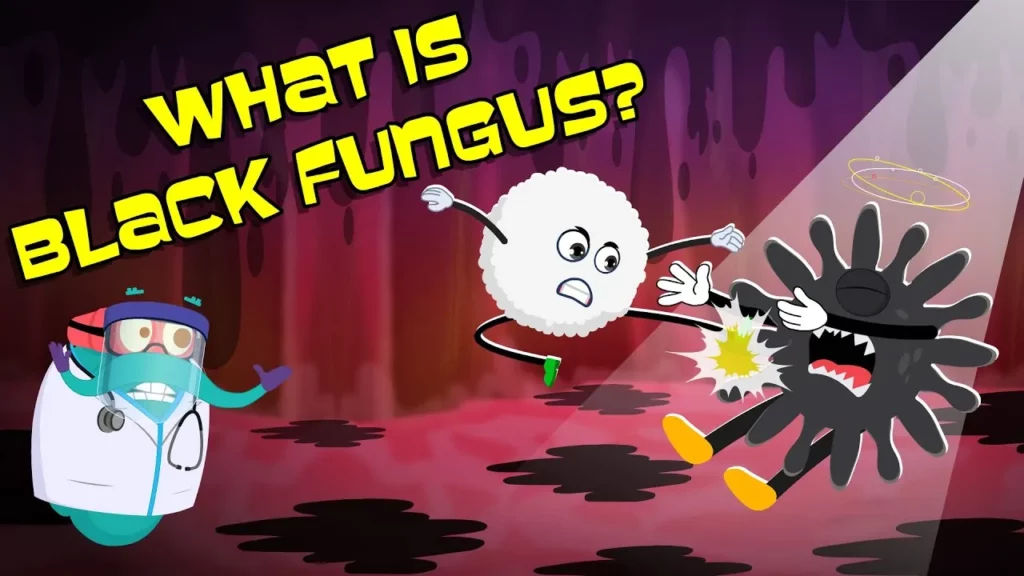
The lesson discusses the rise of mucormycosis, or black fungus infection, in India, particularly among individuals recovering from COVID-19. It explains that this serious infection, caused by mucormycetes fungi, primarily affects those with weakened immune systems and outlines its symptoms, diagnosis, treatment options, and preventive measures. Emphasizing the importance of awareness and early intervention, the lesson encourages individuals to seek medical advice if they experience concerning symptoms.
What Is A Virus? | Everything You Need To Know About Viruses
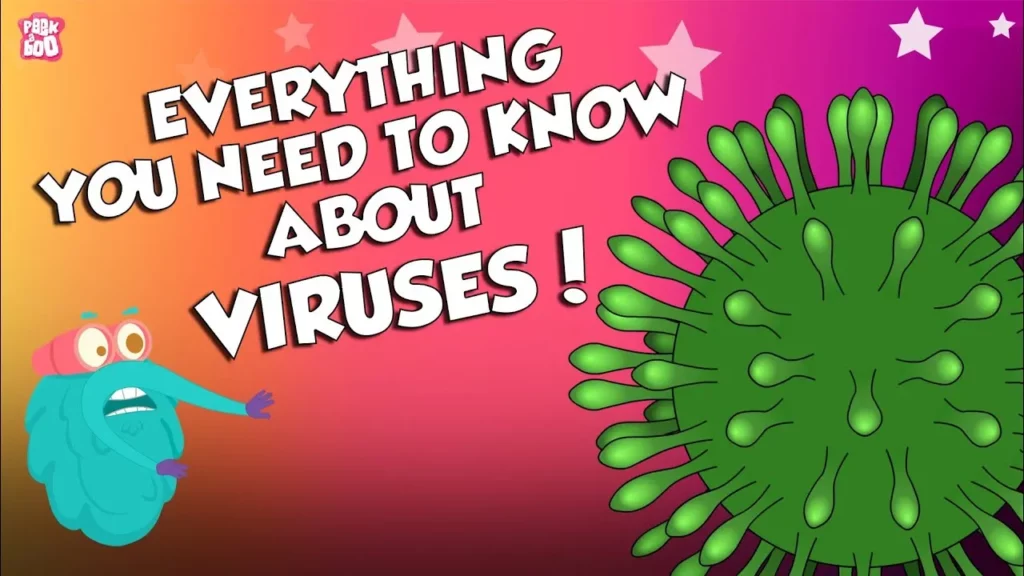
The lesson on “Understanding Viruses and Infectious Diseases” explores various viruses, their modes of transmission, and the diseases they cause, emphasizing the importance of the immune system in fighting infections. It highlights specific viruses such as the Nipa virus, coronavirus, Zika virus, rabies, and bird flu, detailing their symptoms, transmission methods, and preventive measures. Ultimately, the lesson underscores the significance of awareness and hygiene in protecting public health against these infectious threats.
How Your Senses Work? | The Five Senses
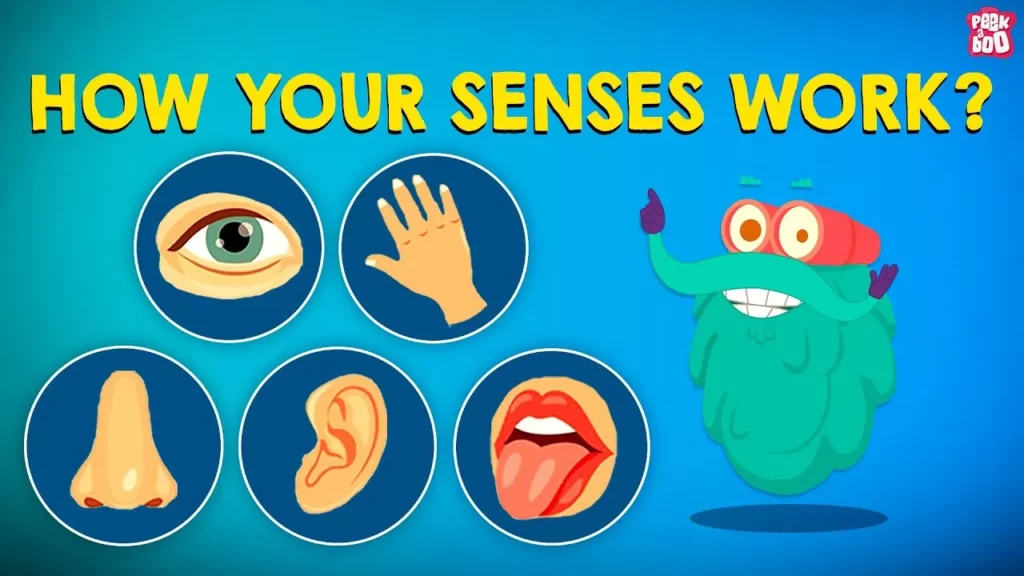
The lesson “Exploring the Five Senses: A Journey Through Human Perception” delves into the significance of our five senses—sight, hearing, smell, taste, and touch—and how they enable us to interact with and understand our environment. It highlights the intricate mechanisms behind each sense, shares fascinating facts, and introduces additional senses that contribute to our perception, emphasizing the marvels of human sensory experience.
What If Coronavirus Never Ends? | COVID-19
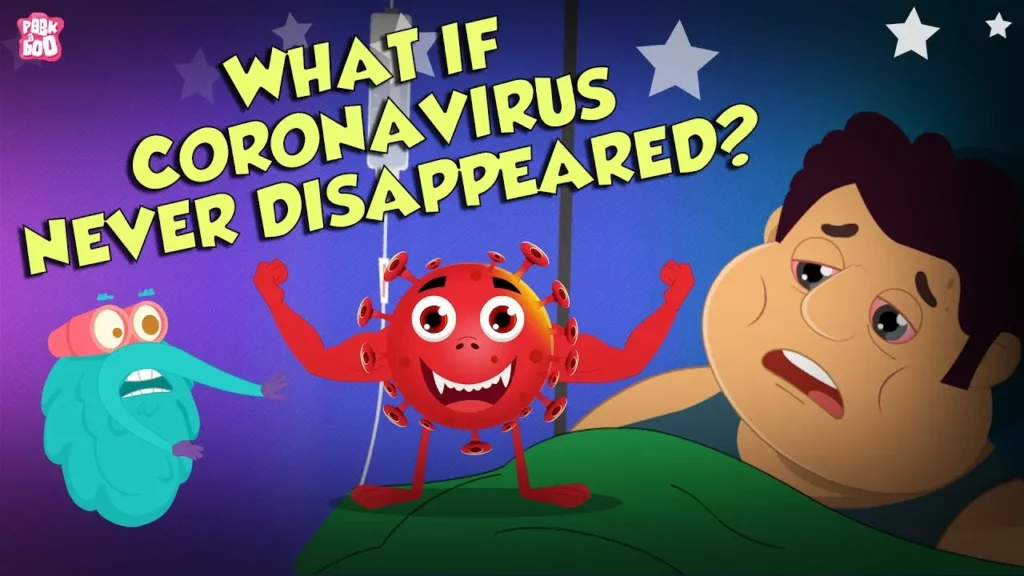
The lesson explores the potential long-term presence of COVID-19 in our lives, emphasizing the virus’s ability to mutate, its origins in animal reservoirs, and the impact of non-compliance with safety measures. It highlights the societal effects of the pandemic on businesses, entertainment, and travel, while stressing the importance of vaccination and adherence to safety protocols to mitigate the virus’s spread. Ultimately, the lesson encourages ongoing education and collective responsibility in navigating the challenges posed by COVID-19.
Stay Home, Stay Safe! | Quarantine | Social Distancing |The Dr Binocs Show
The lesson emphasizes the importance of staying safe and healthy during quarantine by adapting to new routines and taking necessary precautions, such as staying at home and practicing good hygiene. It acknowledges the challenges of limited activities but encourages a positive mindset and flexibility while highlighting the efforts to continue providing engaging content from home. Overall, it reinforces the collective responsibility to protect oneself and others during this time.
What If The Titanoboa Didn’t Go Extinct? | Biggest Snake Ever
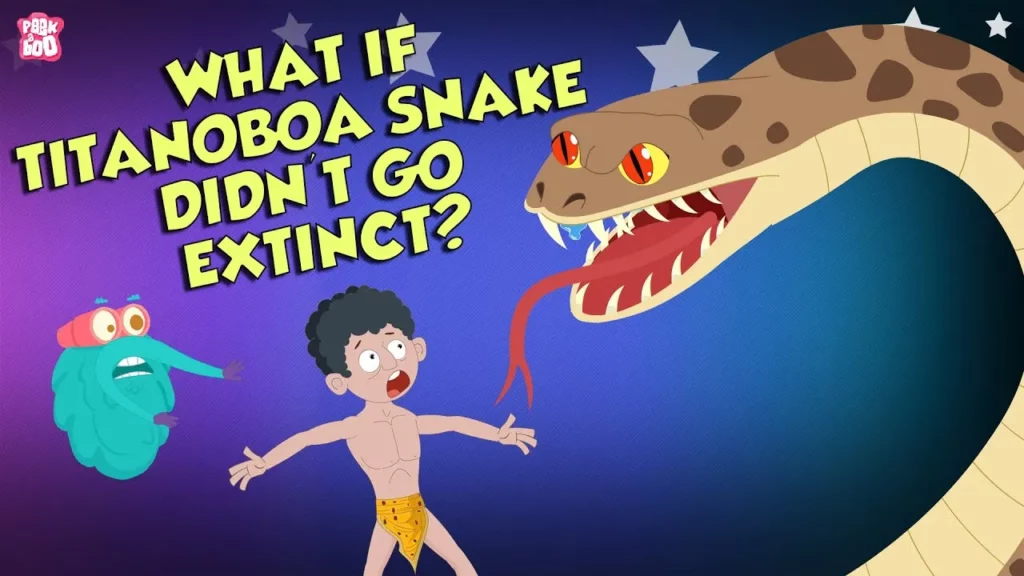
The Titanoboa was the largest snake to ever exist, measuring over 40 feet long and weighing around 1,000 kilograms, living approximately 60 million years ago in the warm jungles of South America. As a non-venomous predator, it relied on its strength and unique jaw structure to capture and consume large prey, including giant turtles and early crocodiles. The Titanoboa played a crucial role in its ecosystem, potentially helping to maintain balance by controlling animal populations, and its extinction highlights the impact of environmental changes on species survival.
What is E-WASTE Pollution? | What Causes Electronic Waste?
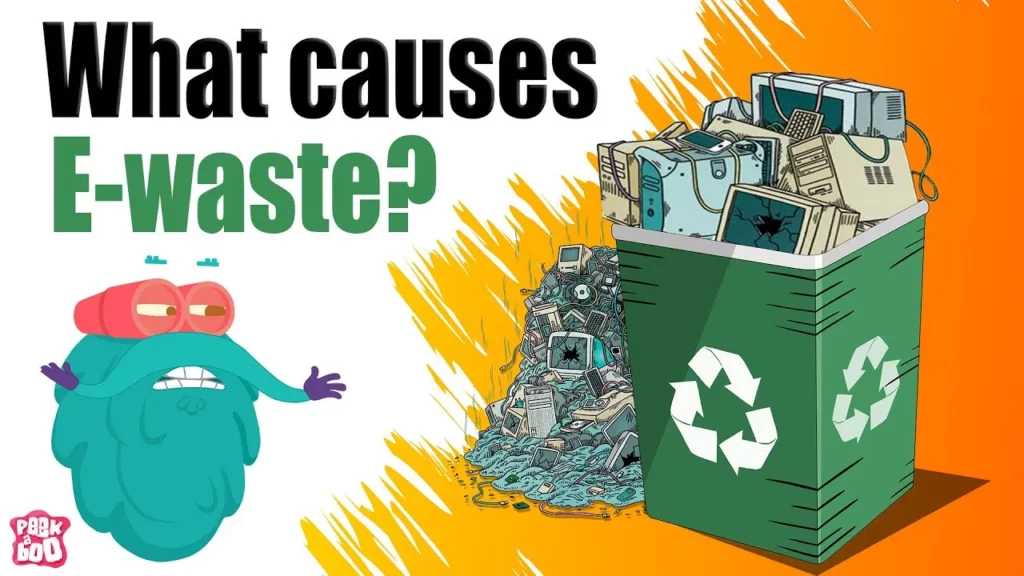
The lesson on e-waste pollution highlights the environmental and health dangers posed by improperly disposed electronic waste, which contains harmful chemicals that can contaminate air, soil, and water. It emphasizes the urgency of addressing this issue, as millions of tons of e-waste are generated annually, with only a small fraction being recycled. By promoting responsible disposal practices and raising awareness, we can mitigate the negative impacts of e-waste and protect our planet for future generations.
HABITAT OF ANIMALS | Classification Of Animals On Habitat
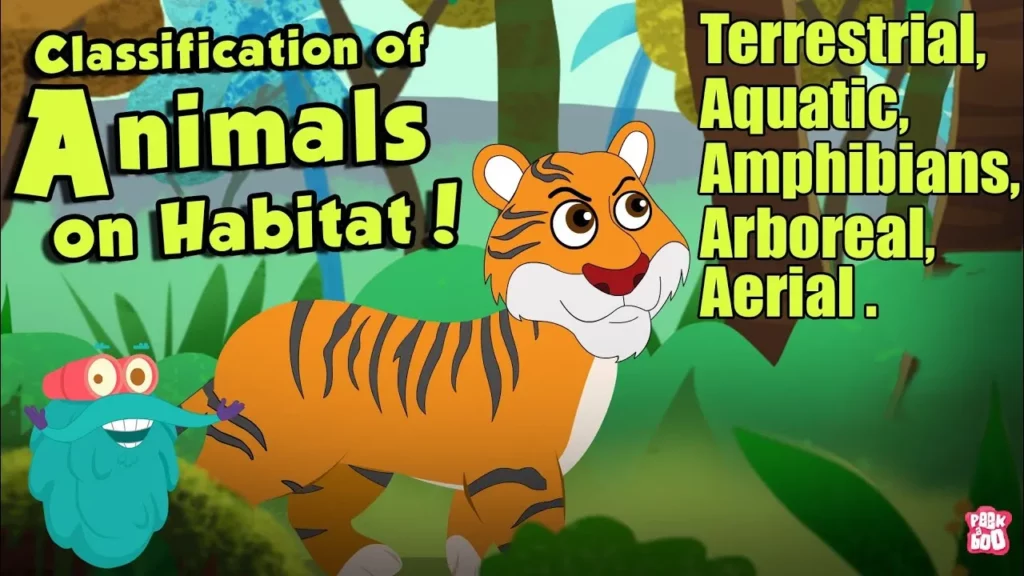
In this lesson, we explored how animals are classified based on their habitats, which are the specific environments where they find food, water, and shelter. We learned about five main groups: terrestrial animals that live on land, aquatic animals that thrive in water, amphibians that can exist in both environments, arboreal animals that reside in trees, and aerial animals that spend much of their time flying. Understanding these classifications helps us appreciate the diversity of life on Earth and the unique adaptations that enable animals to survive in their respective habitats.