
Invention Of Diaper | Best Educational Videos for Kids | Preschool Learning
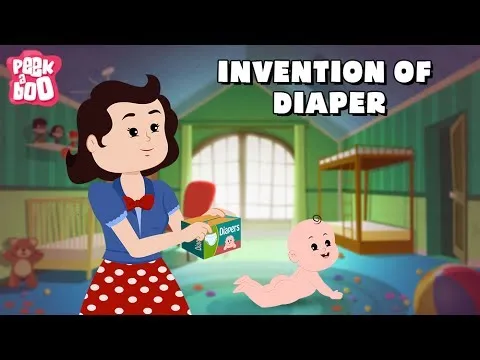
The lesson highlights the invention of disposable diapers, focusing on Marion Donovan’s innovative approach to solving the challenges of cloth diapers. Frustrated by the leaks and constant washing associated with cloth diapers, Donovan created a waterproof diaper cover in 1946, which evolved into the first disposable diapers by 1961. Her invention significantly eased the burden of diapering for parents and has had a lasting impact on baby care, earning her recognition in the National Inventors Hall of Fame.
Why Do We Have LEAP YEARS? | What Is A LEAP YEAR?
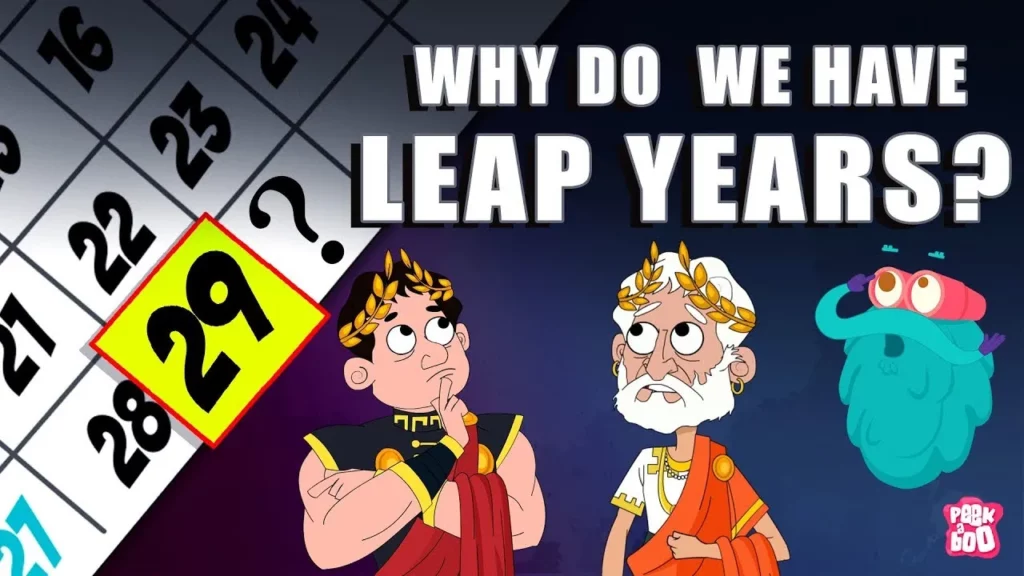
Leap years, which occur every four years, add an extra day to February, making it 29 days long, to align our calendar with the Earth’s orbit around the sun, which takes approximately 365.8 days. The concept of leap years dates back to ancient Rome, evolving through various calendar systems, including the Julian and Gregorian calendars, to ensure seasonal accuracy. This fascinating blend of science and history highlights the importance of leap years in maintaining our understanding of time.
What Is NOISE POLLUTION? | What Causes Noise Pollution?
The lesson on noise pollution highlights its definition, sources, and significant health impacts, such as hearing loss, stress, and fatigue. It emphasizes the distinction between natural and man-made noise pollution, with the latter being the primary concern. The lesson concludes by suggesting practical steps individuals can take to mitigate noise pollution, ultimately promoting a healthier and more peaceful environment for both humans and marine life.
Global Warming – The End Game | Best Educational Videos For Kids
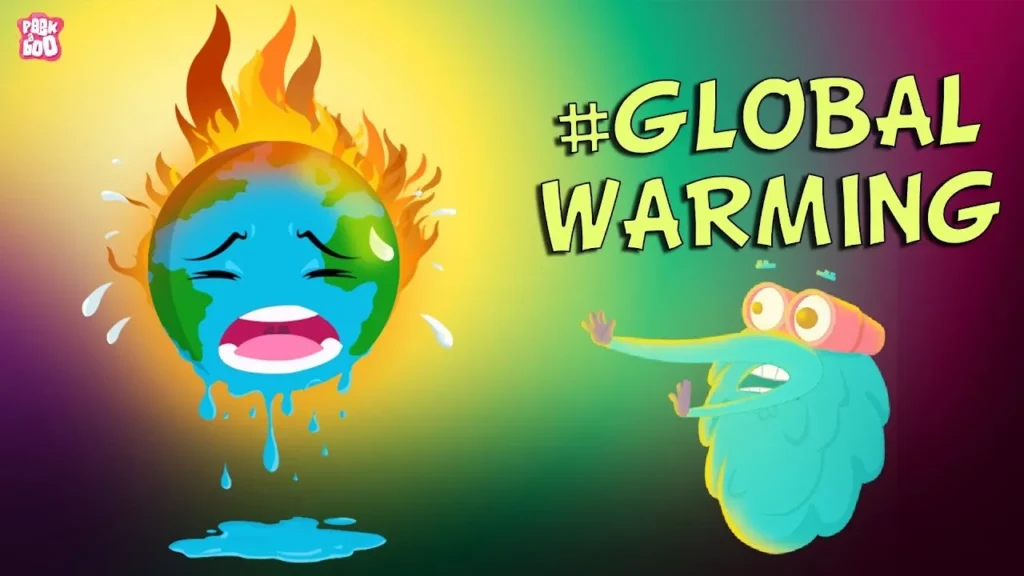
The lesson on global warming explains its definition, causes, effects, and potential solutions. Global warming refers to the gradual increase in Earth’s average temperature primarily due to the greenhouse effect, exacerbated by human activities such as burning fossil fuels and deforestation. The consequences include unpredictable weather, rising sea levels, and ecosystem disruptions, but individuals can contribute to combating this issue through energy conservation, sustainable transportation, and recycling efforts.
What Is Nipah Virus? | Best Educational Videos For Kids
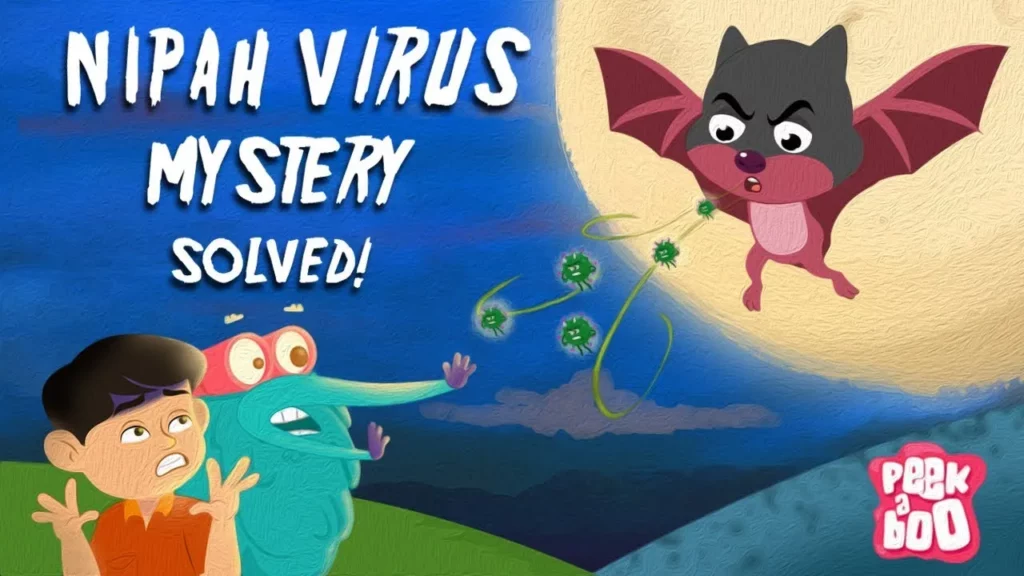
The lesson on Nipah virus infection emphasizes the importance of understanding this zoonotic disease, which primarily spreads from fruit bats to humans. It highlights the misconceptions surrounding bats, clarifying that they are not dangerous but rather integral to the ecosystem. The lesson also outlines symptoms of infection, prevention strategies, and the need for awareness to mitigate risks associated with the virus.
What If Uranus Collided With Earth? | Crashing Into Uranus
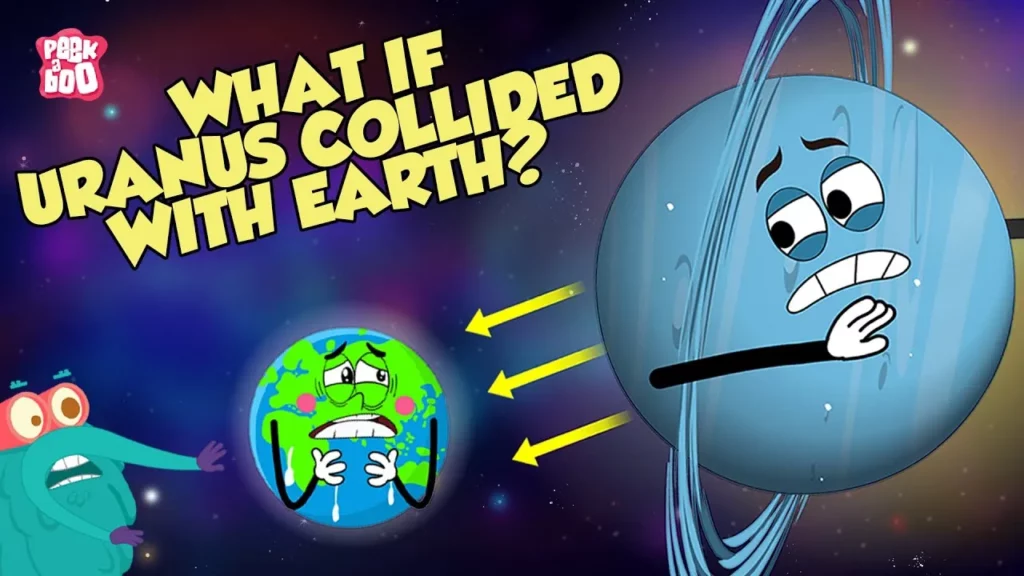
The lesson explores a hypothetical scenario in which Uranus collides with Earth, detailing the catastrophic effects such an event would have on our planet. As Uranus approaches, it would cause massive volcanic eruptions, earthquakes, and potentially toxic atmospheric conditions, while also posing a threat from asteroids in the asteroid belt. Ultimately, the lesson emphasizes that such collisions are highly unlikely, highlighting the delicate balance of our solar system and the importance of understanding space.
Why Do We Fart? | Best Educational Videos For Kids
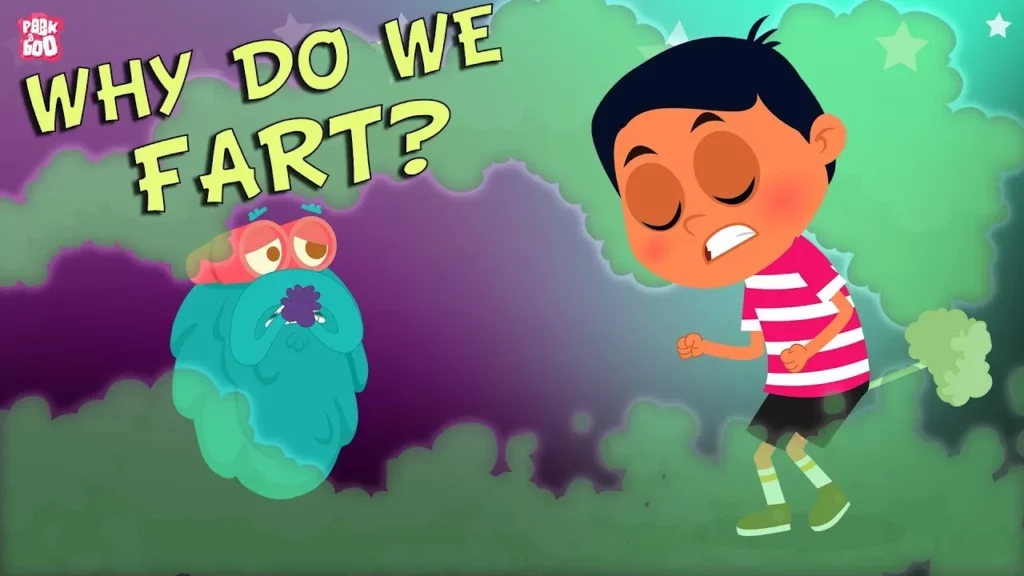
The lesson “Understanding Farts: The Science Behind Flatulence” explores the natural phenomenon of farting, explaining its causes, the reasons behind varying odors, and how to manage gas production. It highlights that gas can enter the digestive system through swallowed air and the digestive process, with odors primarily resulting from sulfur compounds. Additionally, dietary choices can influence gas production, and the lesson emphasizes that farting is a normal bodily function that everyone experiences.
World’s Most Dangerous Farts | Animals With Toxic Farts
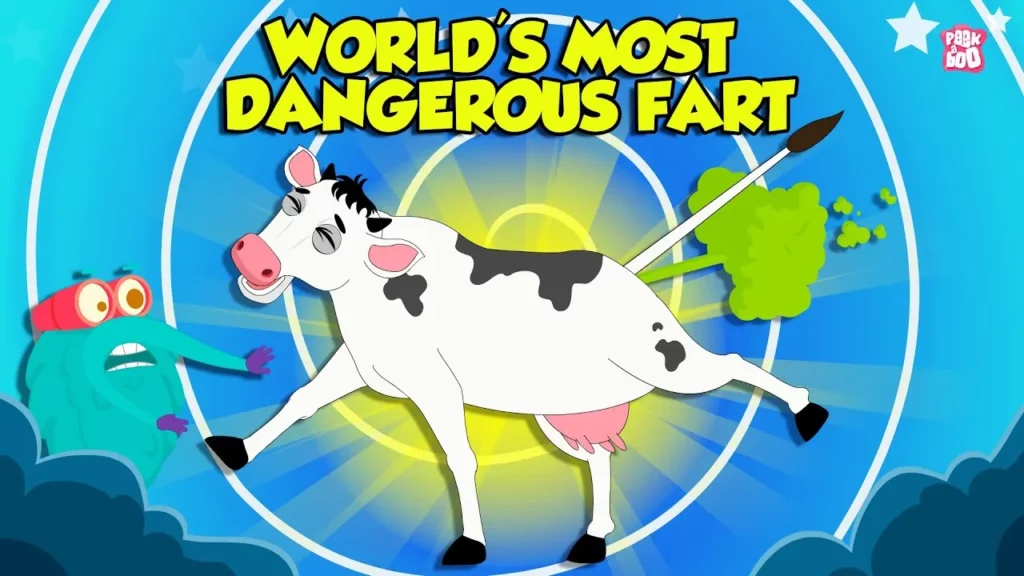
The lesson explores the surprising roles of animal farts in nature, highlighting how various species utilize gas for survival and environmental impact. For instance, the Eastern hog-nosed snake uses “cllepopping” to scare off predators, while the beaded lacewing employs its farts as a weapon against termites. Additionally, the lesson addresses the significant environmental threat posed by methane emissions from cows and discusses potential strategies to mitigate this issue, emphasizing the interconnectedness of animal behavior and ecological health.
We Wish You A Merry Christmas And A Happy New Year Song With Lyrics | Popular Christmas Song

The lesson on “Celebrating Christmas: A Festive Tradition” highlights the joy and community spirit fostered by Christmas carols, particularly “We Wish You a Merry Christmas.” The song emphasizes themes of happiness, kindness, and the importance of sharing, as illustrated by the mention of figgy pudding and the playful call for giving. Ultimately, it encourages us to embrace the festive spirit and spread joy during the holiday season.
What If We Drank COLA Everday? | Bad Effects Of Soda On Health
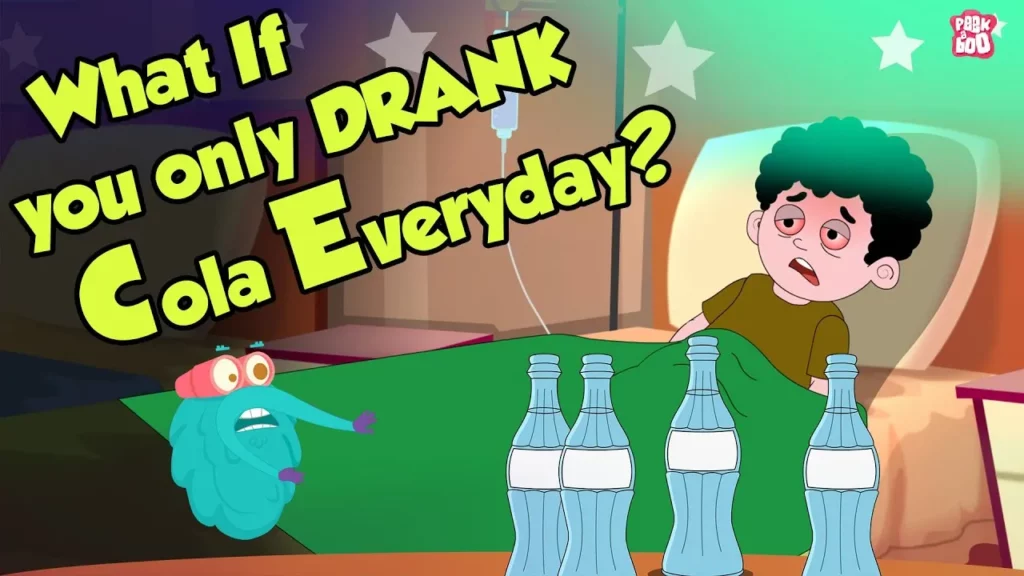
The lesson highlights the health risks associated with daily cola consumption, emphasizing its negative impact on dental health, skin aging, nutrient deficiencies, weight gain, and serious health issues like heart attacks and kidney problems. While enjoying cola occasionally is fine, the lesson encourages individuals to reduce their intake to promote better overall health and well-being. Making small changes in beverage choices can lead to significant health improvements.