
GENETIC ENGINEERING | What Is GENETIC Engineering? | Genetics
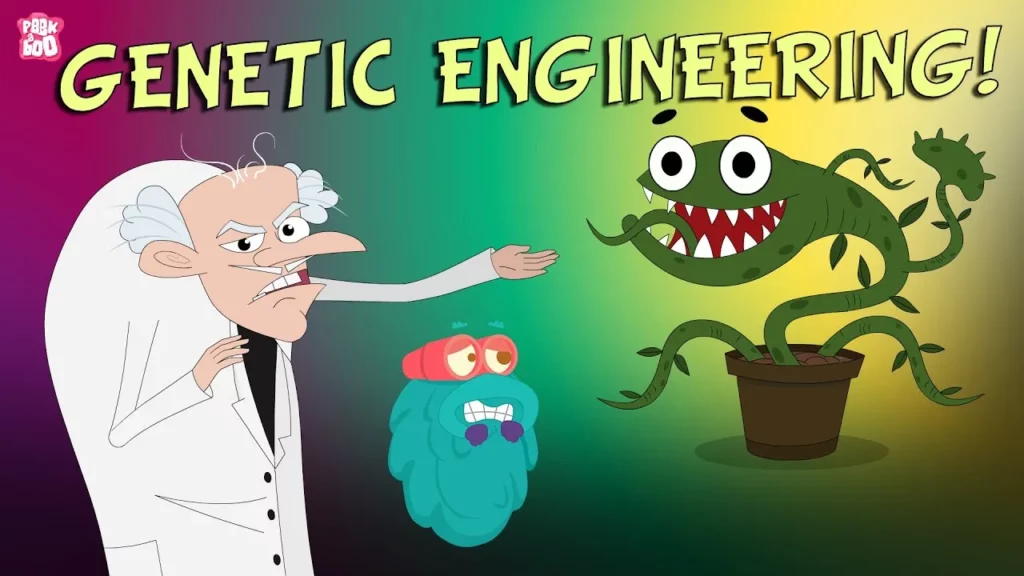
The lesson on genetic engineering introduces the concept of altering the genes of living organisms to enhance traits, particularly in farming where it can improve crop resilience and nutritional value. While the benefits of genetic engineering are significant, concerns such as hidden allergens, the emergence of “super weeds,” and potential health risks prompt important discussions about safety and ethics in its application. Overall, the lesson emphasizes the need for informed dialogue as the technology continues to evolve.
LANDFORMS | Types Of Landforms | Landforms Of The Earth
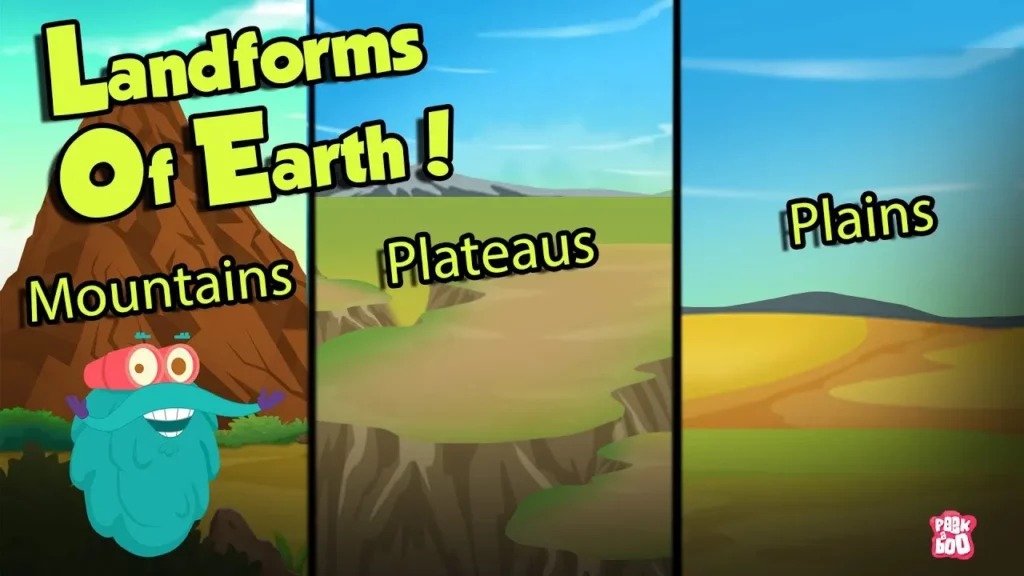
In this lesson, we explored the diverse landforms of Earth, including mountains, plains, plateaus, and deserts, each shaped by various external and internal processes such as erosion and volcanic activity. We learned about the unique characteristics and formation methods of these landforms, highlighting notable examples like the Tibetan Plateau and the Mariana Trench. This journey through Earth’s natural features enhances our appreciation for the planet’s beauty and geological history.
Is Cat Bite Dangerous? | What If A Cat Bites You? | Infection from Cat Bite | Dr. Binocs Show
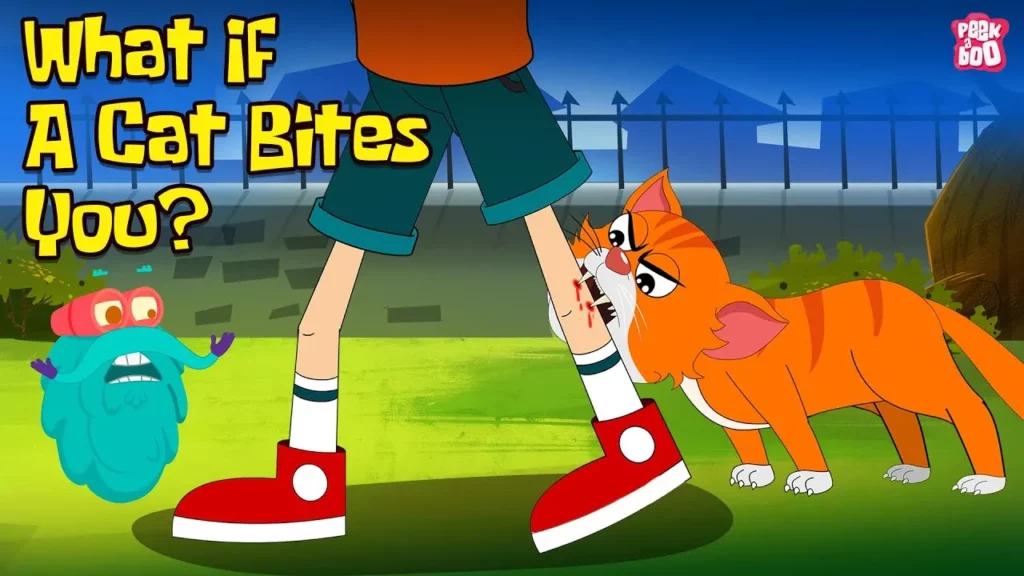
This lesson highlights the potential dangers associated with cat bites, emphasizing that they can introduce harmful bacteria like *Pasteurella multocida* and pose risks such as cellulitis, septicemia, and Cat Scratch Disease. It also discusses the serious threat of rabies, particularly from unvaccinated or stray cats, and provides prevention strategies to minimize the risk of bites. In case of a bite, immediate wound care and seeking medical attention are crucial to avoid complications.
SEVEN CONTINENTS OF THE WORLD | What Are The Seven Continents?
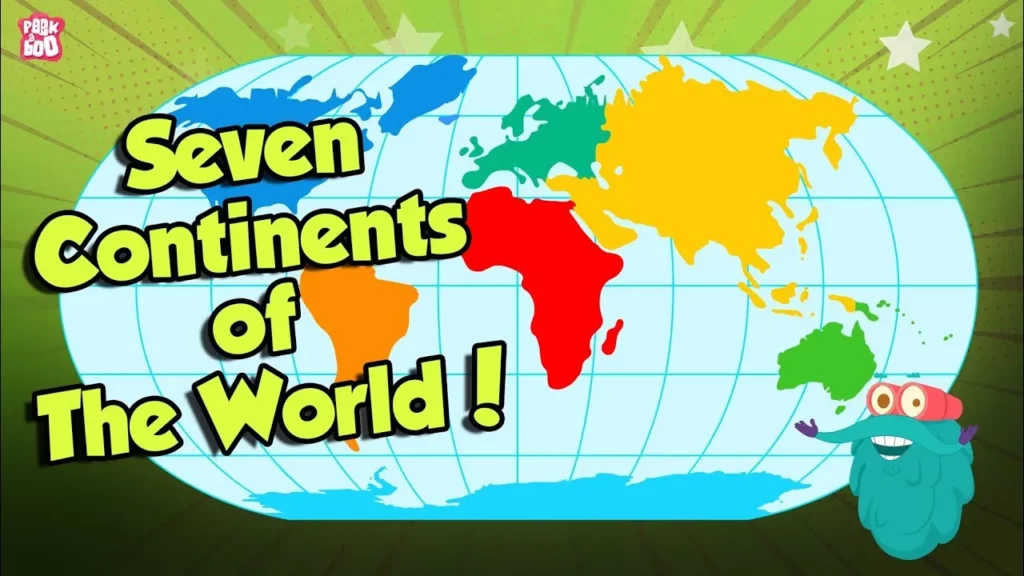
In this lesson, students embark on an adventure to explore the seven continents of the world, each characterized by unique landscapes, cultures, and features. From Asia’s vastness and rich population to Antarctica’s icy expanse, the lesson highlights the diversity and significance of each continent, fostering an appreciation for the planet’s wonders and the stories they hold.
What is POLLUTION? | Types of POLLUTION – Air | Water | Soil | Noise -Peekaboo Kidz
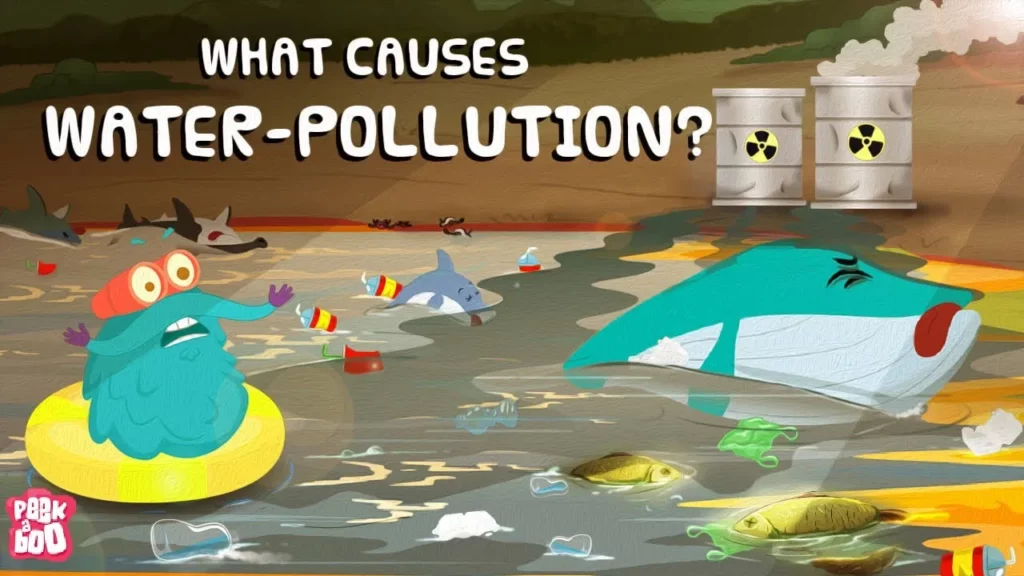
The lesson covers various types of pollution—air, water, soil, and noise—highlighting their causes, health impacts, and potential solutions. It emphasizes the significant role human activities play in exacerbating pollution and encourages collective action to mitigate these issues through awareness, conservation, and responsible practices. By making small changes in our daily lives, we can contribute to a healthier environment for ourselves and future generations.
Best Food Inventions | Popular Foods
The lesson explores the fascinating histories behind popular snacks and treats, including potato chips, cornflakes, chocolate, cotton candy, and ice cream cones. It highlights the inventive moments and accidental discoveries that led to their creation, such as George Crum’s response to a customer’s complaint resulting in potato chips, and Ruth Graves Wakefield’s unexpected creation of chocolate chip cookies. Overall, the lesson emphasizes the creativity and innovation that have shaped our favorite snacks into the delightful treats we enjoy today.
How Corona Virus Affects Your Body? | COVID-19
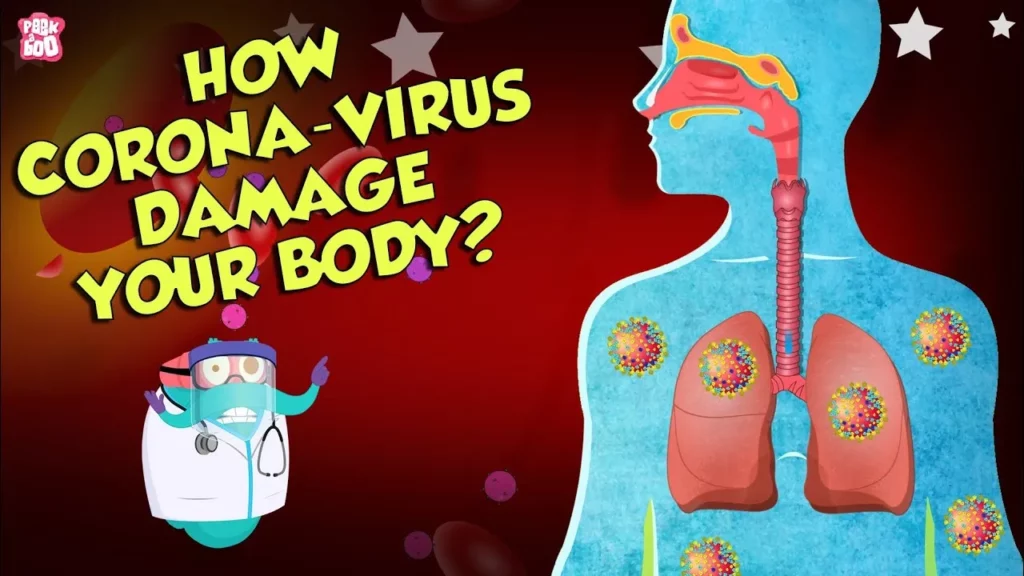
The lesson provides an overview of the coronavirus, detailing its structure, infection process, and impact on the body, particularly the lungs. It explains how the virus enters healthy cells, replicates, and can lead to pneumonia, highlighting the importance of vaccines in generating an immune response. Understanding these aspects is crucial for managing COVID-19 and appreciating the efforts of healthcare professionals during the pandemic.
Formation Of Seed | What Is FERTILIZATION?
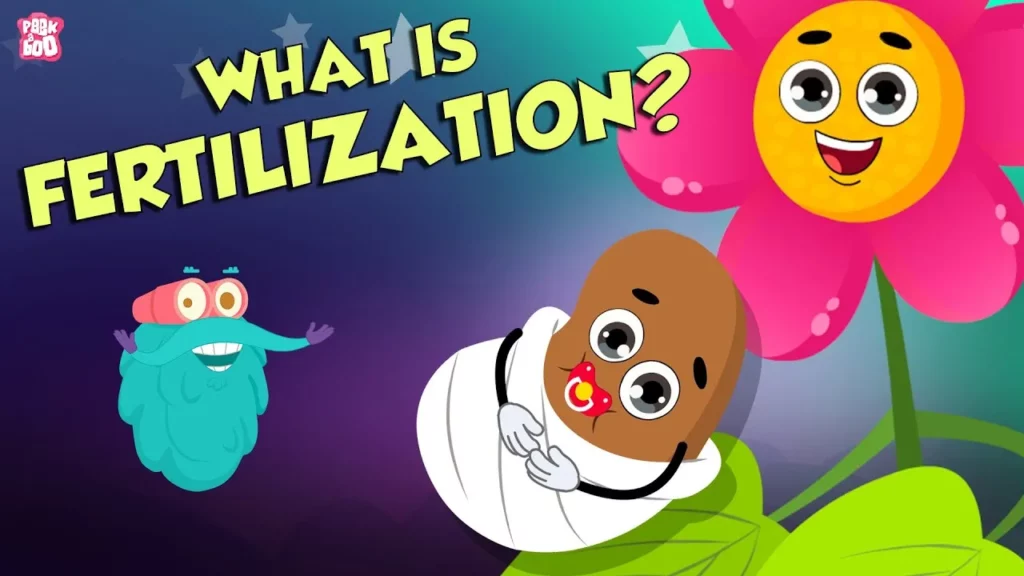
The lesson on “Understanding Seed Formation in Plants” explores the critical reproductive process of plants, focusing on fertilization, which involves the union of male pollen and female ovum to create a zygote that develops into seeds. It highlights the role of flowers in this process, the structure of pollen, and the concept of double fertilization, where one male nucleus forms a zygote and the other contributes to the endosperm for the embryo’s nourishment. Overall, this lesson emphasizes the complexity and importance of plant reproduction in sustaining life and biodiversity.
What Is Seed Germination? | SEED GERMINATION | Plant Germination
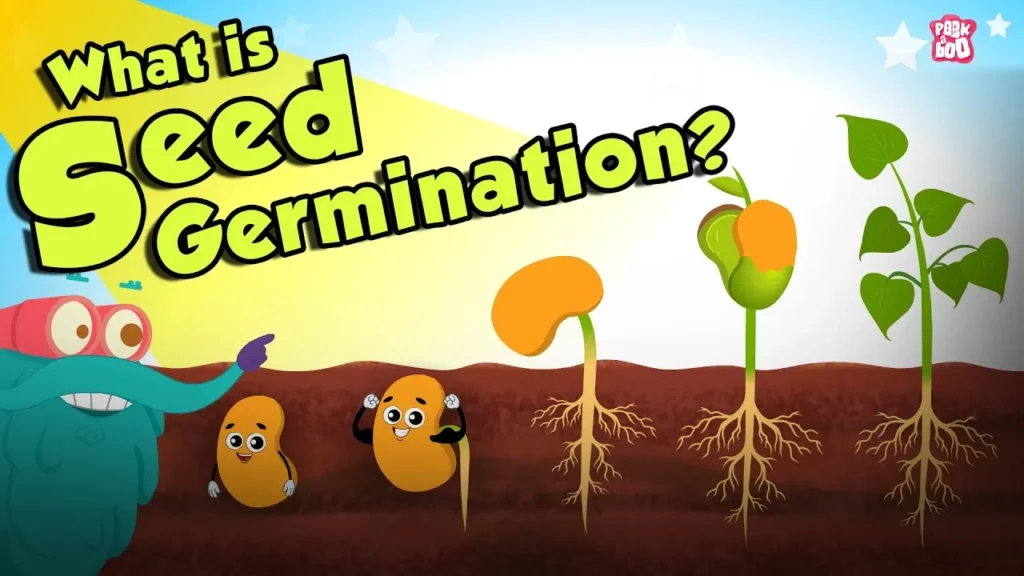
The lesson on seed germination explores the remarkable process through which seeds develop into plants, highlighting the essential components of a seed, including the seed coat, embryo, and cotyledons. It emphasizes the necessary conditions for germination, such as moisture, temperature, sunlight, and soil quality, and outlines the stages of growth from water absorption to seedling development. By understanding this process, we gain a deeper appreciation for the intricacies of nature and the life cycle of plants.
Why Do We Get GRAY HAIR? | Why Does Hair Turn GRAY?
This lesson explores the science behind why hair turns gray as we age, primarily due to the decline of melanocytes that produce melanin, leading to a loss of color. It also highlights the influence of genetics and factors like nutrition on the graying process, while emphasizing the importance of embracing gray hair as a symbol of wisdom and life experience. Ultimately, the lesson encourages appreciation for the natural aging process and the unique stories each person’s hair represents.