
What Causes Dengue Fever? | DENGUE
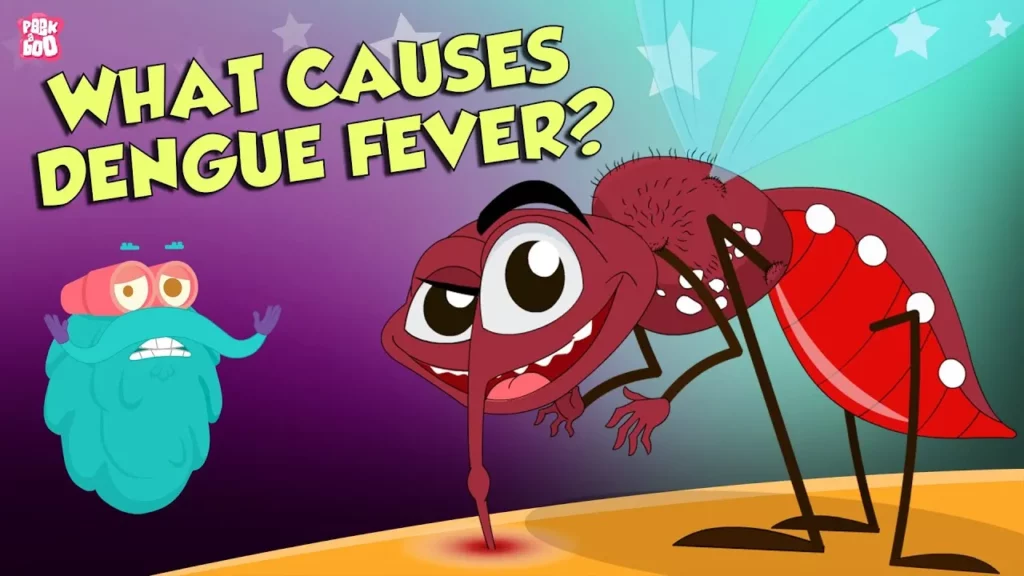
The lesson on dengue fever provides an overview of the illness, including its causes, transmission, symptoms, treatment, and prevention strategies. It emphasizes that dengue is caused by the dengue virus, primarily spread by Aedes aegypti mosquitoes, and outlines key symptoms to watch for, such as severe headaches and high fever. The lesson also highlights the importance of preventive measures, such as protecting against mosquito bites and eliminating standing water, to reduce the risk of infection.
Units Of Measurement | Why Measurements Matter?
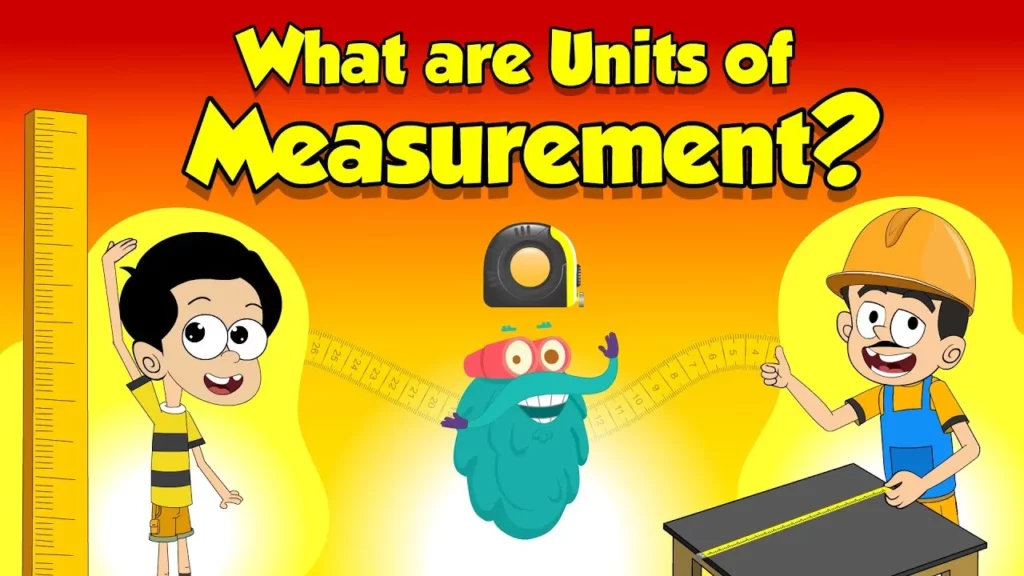
The lesson on “Understanding Units of Measurement” emphasizes the significance of measurement in daily life and various professions, such as cooking and engineering. It introduces different units used for measuring length, weight, capacity, temperature, and time, highlighting the importance of standardized systems like the metric and imperial systems. By grasping these concepts, individuals can better navigate and comprehend the world around them.
Why Do We Drool In Our Sleep? | Causes of Drooling
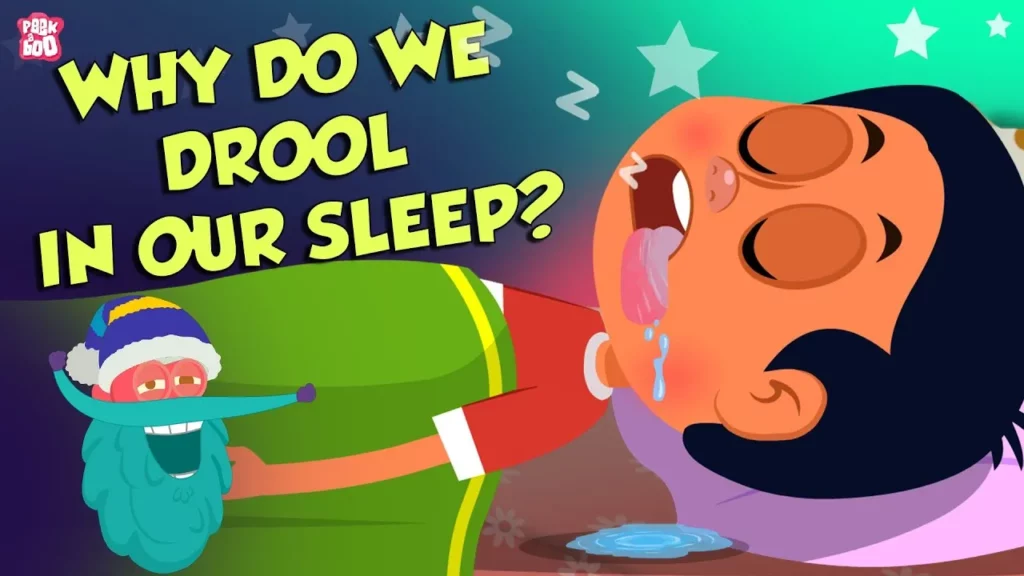
The lesson on “Understanding Sleep Drooling” explains that drooling during sleep is a common occurrence influenced by factors such as sleep position, nasal congestion, and allergies. It offers practical solutions to reduce drooling, like changing sleep positions and staying hydrated, while also advising individuals to consult a doctor if drooling becomes excessive or is accompanied by other symptoms.
Why Do We Faint? | Causes Of Fainting
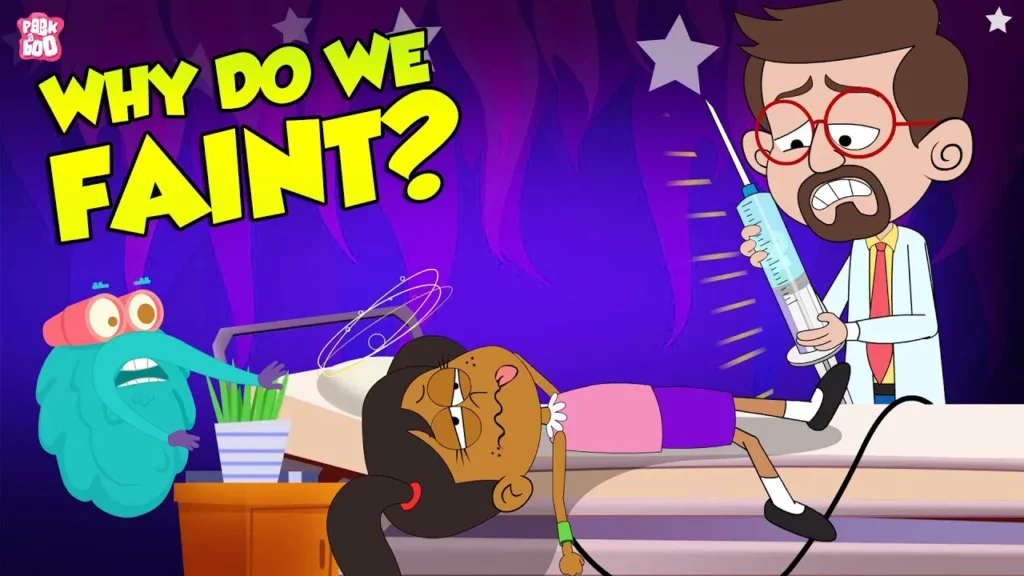
The lesson on fainting, or syncope, explains that it occurs when the brain lacks sufficient oxygen-rich blood, often due to a sudden drop in blood pressure. Common triggers include emotional reactions, physical factors, and prolonged standing, with signs such as dizziness and lightheadedness indicating an impending faint. Preventive measures include staying hydrated, maintaining circulation, and managing anxiety, while frequent fainting episodes warrant medical attention.
PARASITE | What Is A PARASITE? | Biology For Kids
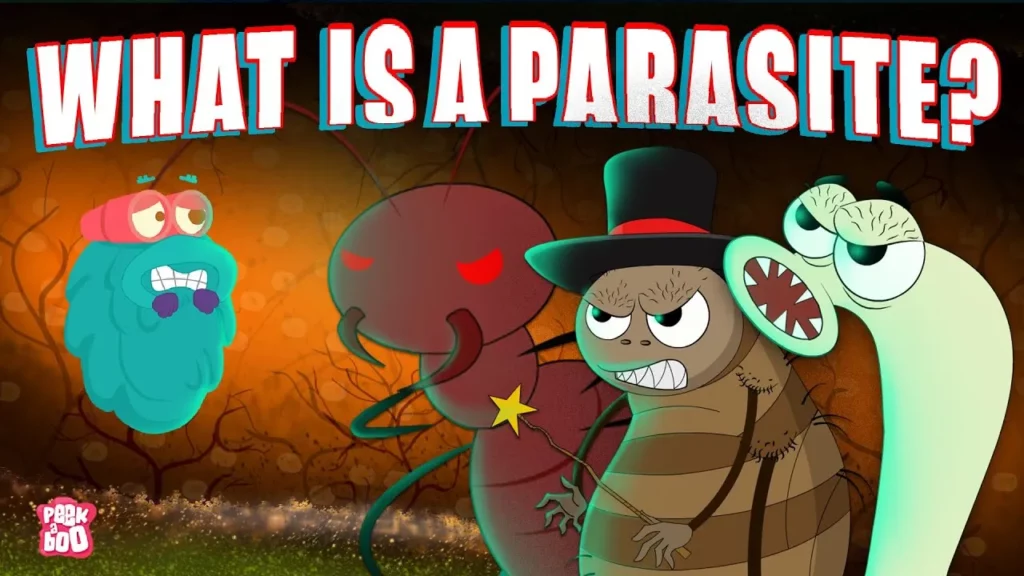
In this lesson, we explored the intriguing world of parasites, which are small organisms that live on or inside hosts to obtain food and survive. We learned about the two main types of parasites—ectoparasites and endoparasites—and how they can influence the behavior of their hosts, as well as their impact on humans. Understanding parasites helps us appreciate their role in nature and the potential health risks they pose.
How Many Senses Do We Have? – Myths Busted | Busting The Myth of 5 Senses
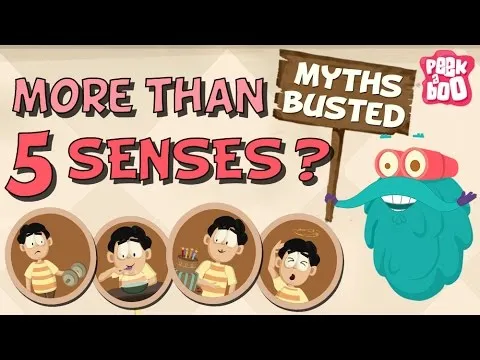
This lesson explores the lesser-known senses beyond the traditional five (sight, smell, touch, hearing, and taste), highlighting their importance in our daily lives. It introduces senses such as pressure sensation, thermoception, and equilibrioception, which contribute to our understanding of our environment and bodily functions. By recognizing these additional senses, we gain a deeper appreciation for the complexity of our sensory system and how it aids in our interactions with the world.
How Do Wind Turbines Work? | Sources Of Electric Energy
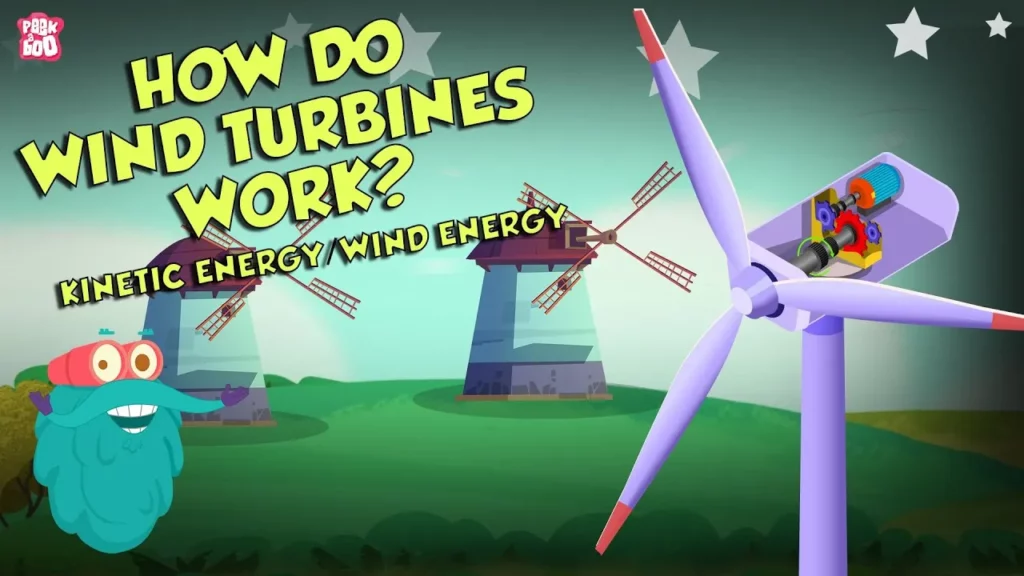
In this lesson, we explored the significance of wind turbines as a renewable energy source that harnesses the power of the wind to generate electricity. We learned about the history of wind power, how turbines convert wind energy into electrical energy through a series of mechanical processes, and the importance of transitioning away from finite fossil fuels to sustainable energy solutions. Ultimately, wind energy represents a promising avenue for creating a cleaner and more sustainable future.
Adaptations In Plants | What Is ADAPTATION?
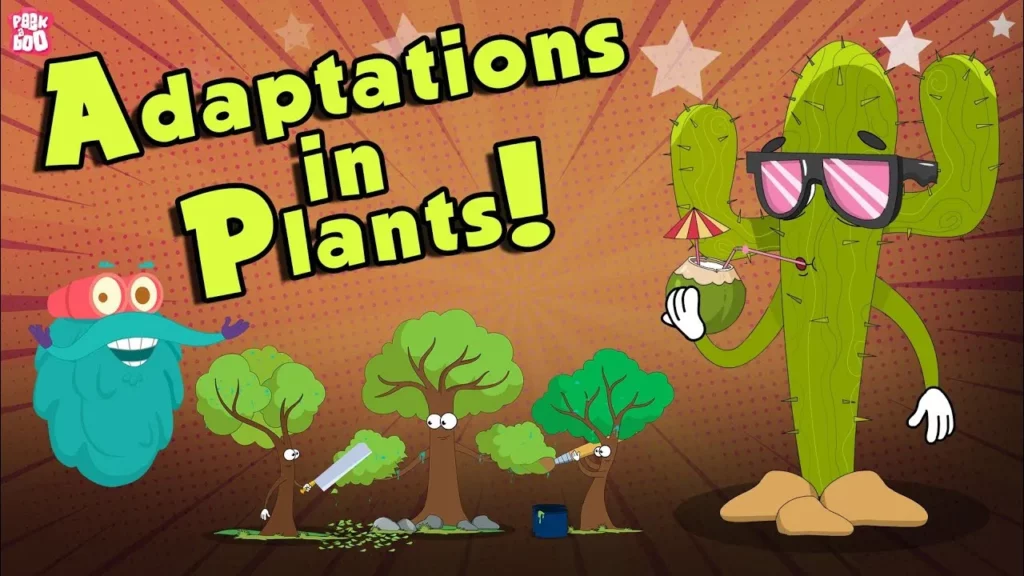
The lesson on “Understanding Plant Adaptation: A Key to Survival” explores how plants develop unique features to thrive in various environments, such as deserts, rainforests, temperate forests, and aquatic settings. By examining specific adaptations like reduced leaves in desert plants and drip tips in rainforest species, the lesson emphasizes the importance of these changes for plant survival and the significance of selecting appropriate plants for gardening and conservation efforts. Understanding plant adaptations not only aids in gardening but also highlights the need to protect diverse habitats for ecosystem balance.
How To Grow Plants Without Soil? | Hydroponic Farming At Home
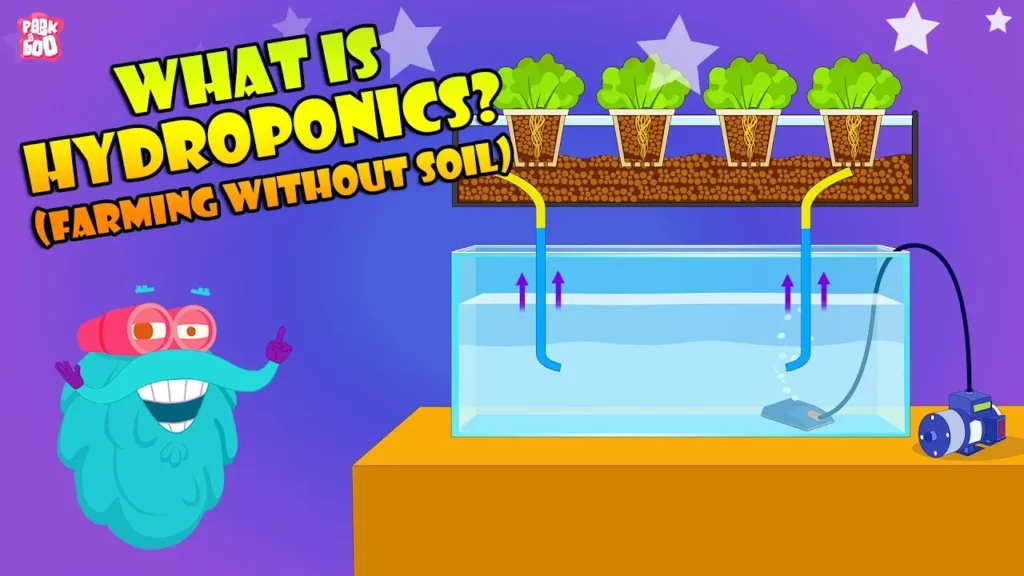
The lesson on hydroponics introduces a soil-free farming technique that utilizes water to deliver essential nutrients to plants, addressing the challenges of traditional agriculture, such as excessive water usage and reliance on pesticides. It highlights the advantages of hydroponics, including reduced water consumption, fewer chemicals, and space efficiency, while also exploring various hydroponic systems like Deep Water Culture, Wick System, Nutrient Film Technology, and Aeroponics. Overall, hydroponics presents a sustainable solution for future food production, making it a significant consideration for environmentally conscious farming practices.
What If We Stop Bathing? | Importance Of BATHING
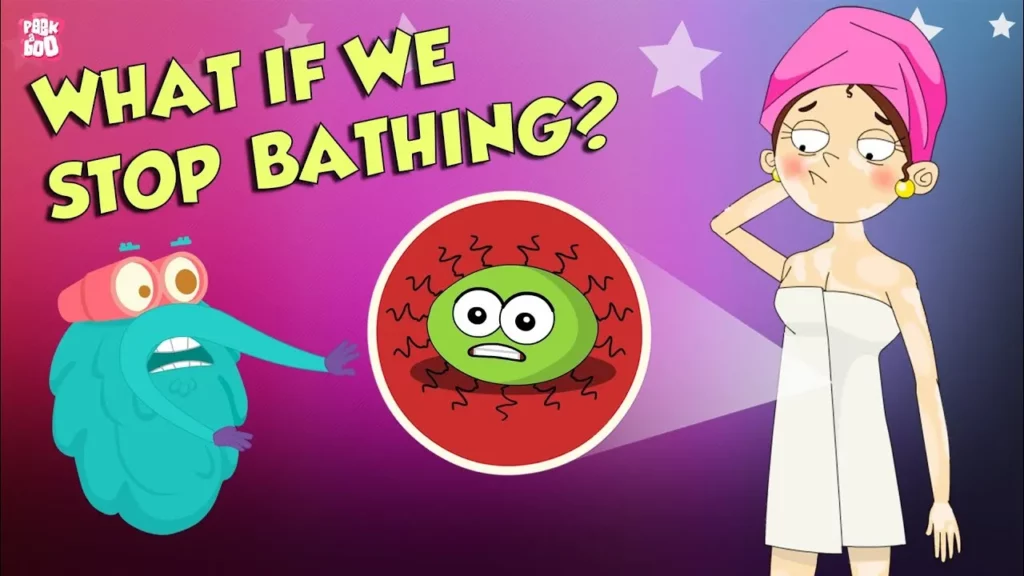
The lesson explores the significant consequences of not bathing, emphasizing the importance of personal hygiene for health and social interactions. It outlines short-term effects such as body odor, skin issues, acne, hair problems, and the accumulation of dead skin, all of which can lead to discomfort and social isolation. Ultimately, maintaining a regular bathing routine is crucial for overall well-being, while also being mindful of water usage.