
Invention Of Corn Flakes | Best Educational Videos For Kids
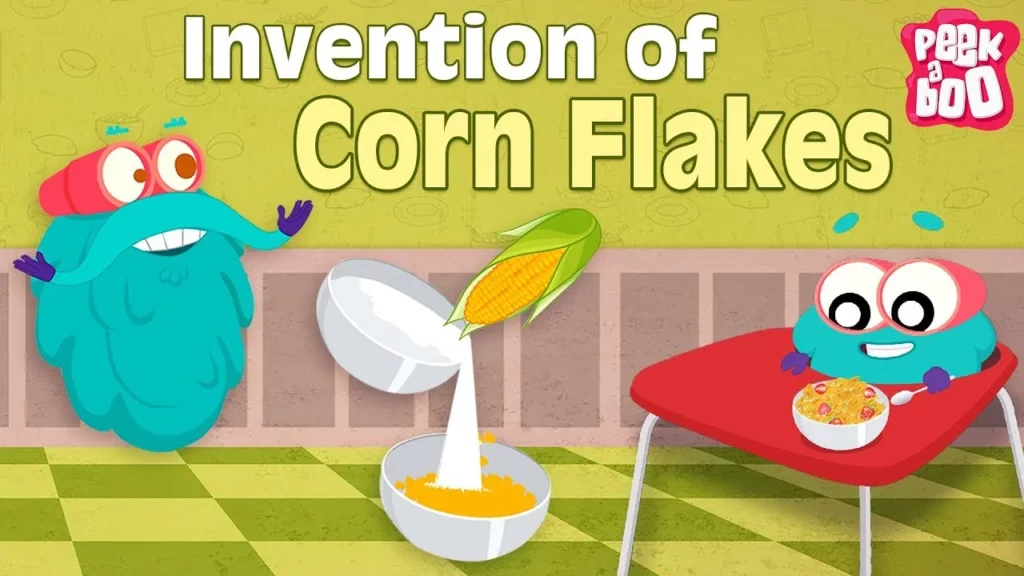
The lesson explores the invention of cornflakes in the late 1800s by Dr. John Harvey Kellogg and his brother Will Keith Kellogg, who aimed to create a healthier breakfast option. Their accidental discovery of crispy flakes led to the popularization of cornflakes, despite a family disagreement over adding sugar, which ultimately contributed to the success of Kellogg’s Cereal Company. The story highlights innovation, conflict, and the evolution of breakfast choices in America.
SNOWFLAKES – Dr Binocs | Best Educational Videos For Kids
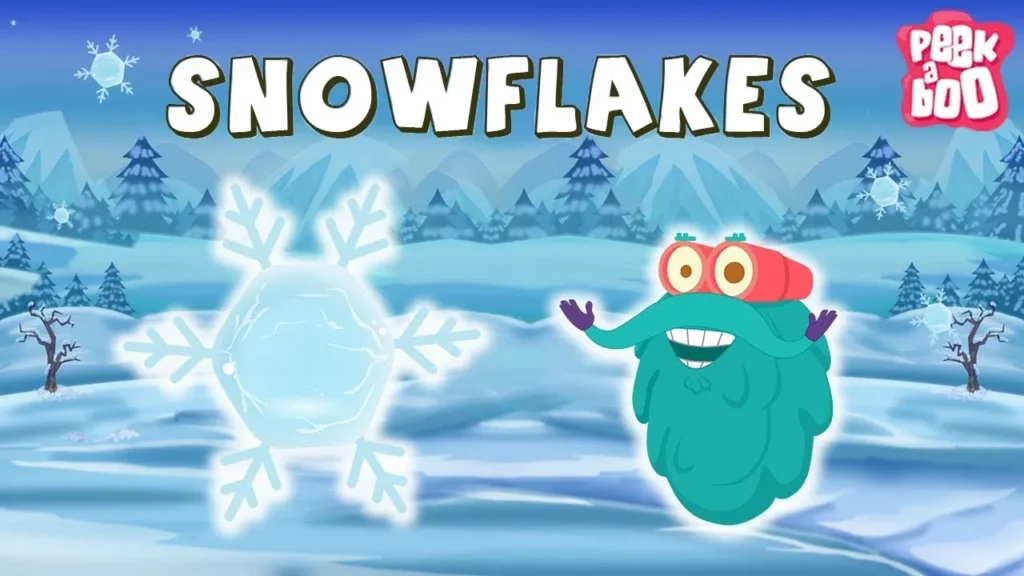
The lesson explores the fascinating world of snowflakes, detailing their formation from tiny water droplets that freeze upon contact with dust particles in cold air. It highlights the uniqueness of each snowflake’s structure, the misconception about their color, and the incredible variety in size, from tiny crystals to record-breaking flakes. Ultimately, the lesson emphasizes the beauty and complexity of snowflakes as a remarkable aspect of nature.
What Causes Diabetes? | Best Educational Videos For Kids
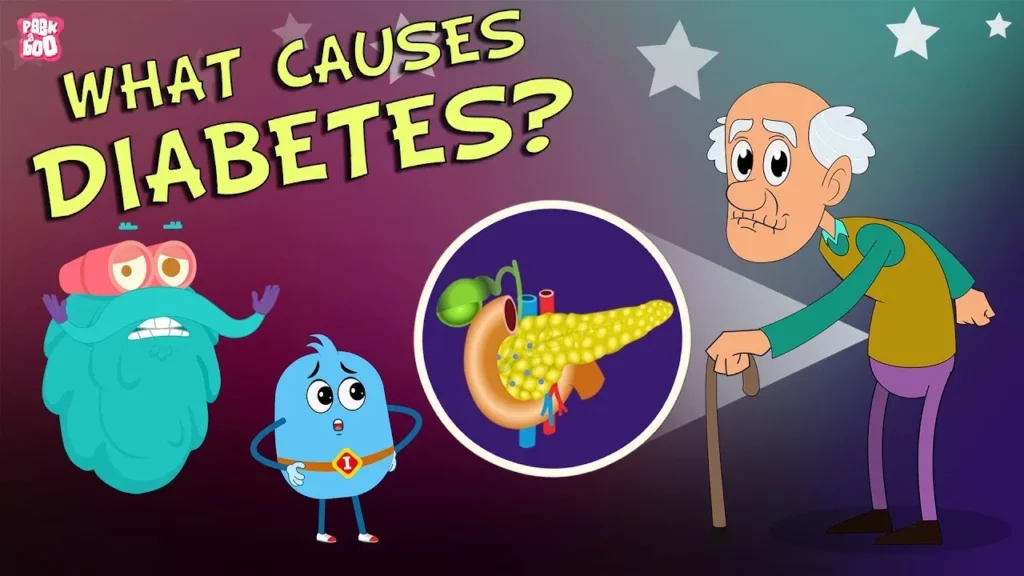
This lesson provides an overview of diabetes mellitus, a chronic condition characterized by high blood sugar levels due to insufficient insulin production or utilization. It explains the role of the pancreas in regulating blood sugar, outlines the different types of diabetes—including Type 1, Type 2, gestational, monogenic, and cystic fibrosis-related diabetes—and highlights the global prevalence and serious health risks associated with unmanaged diabetes. Understanding these aspects is crucial for recognizing symptoms and seeking appropriate medical care.
FIFA World Cup Special | How Football Started
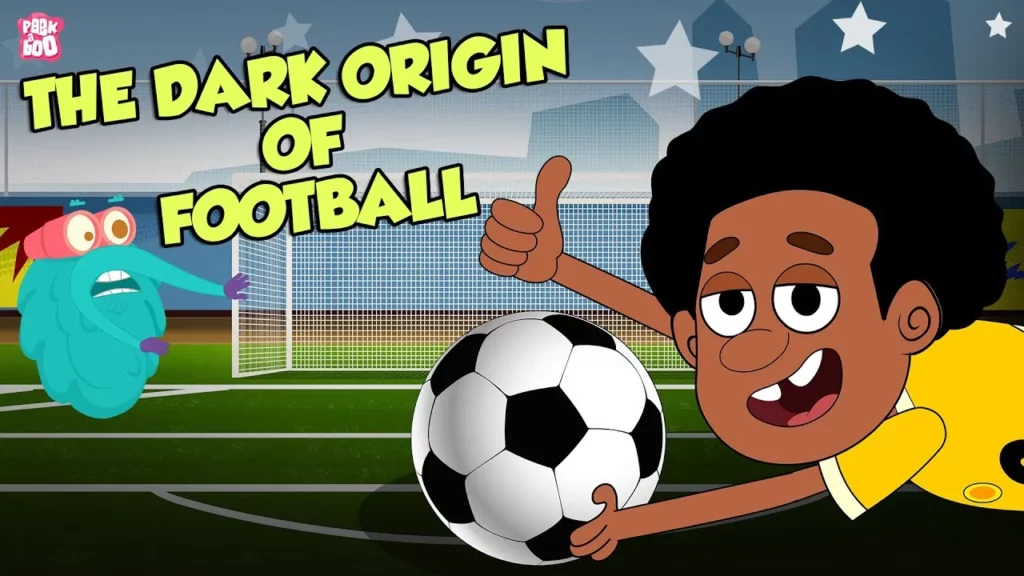
The lesson explores the fascinating history of football, tracing its origins from ancient games like the Aztec chatalie and Chinese kuju to the development of organized rules in 19th-century England. It highlights the sport’s evolution into a global phenomenon, marked by significant events such as the first international match in 1872 and the inaugural FIFA World Cup in 1930, illustrating how football has connected diverse cultures throughout history.
Invention Of Computer Programming Language | Best Educational Videos for Kids
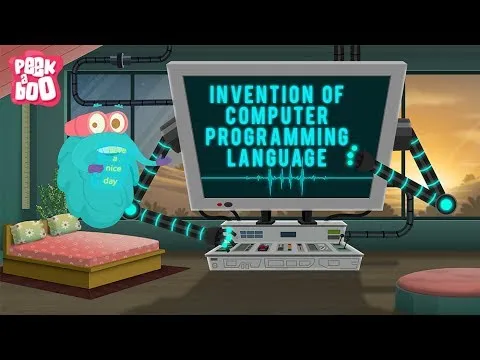
The lesson highlights the groundbreaking contributions of Grace Hopper to computer programming, particularly her invention of the compiler, which allowed computers to understand English-like instructions instead of just binary code. Her work led to the creation of COBOL, a programming language that remains vital for business transactions today. Grace Hopper’s legacy not only transformed technology but also introduced terms like “bug” and “debug,” showcasing her lasting impact on the field of computer science.
Uranus 101 | Strangest Planet In The Solar System
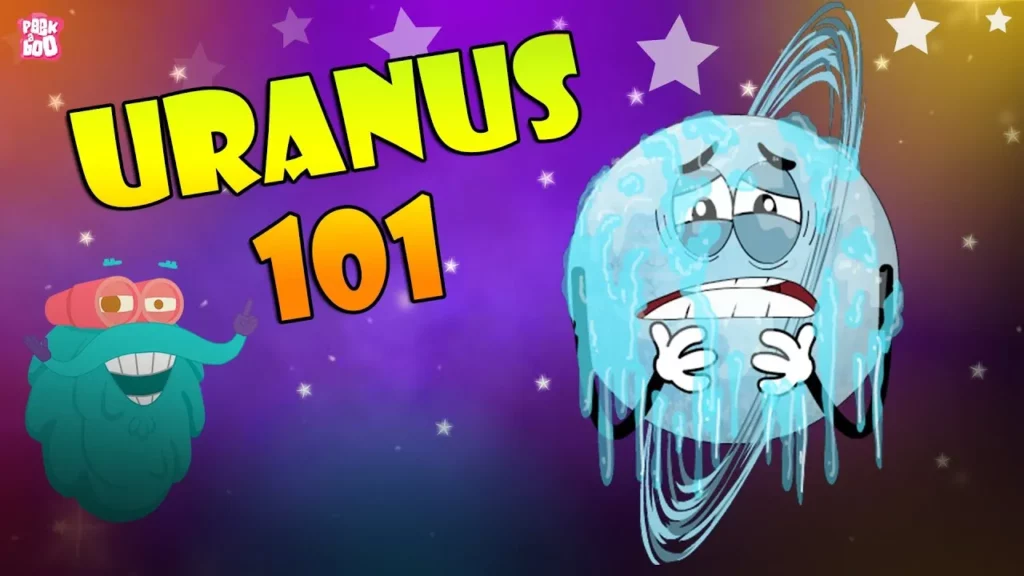
In this lesson, we explored Uranus, the seventh planet from the Sun, which was discovered in 1781 by William Herschel. We learned about its extreme distance from the Sun, unique rotation on its side, striking blue color caused by methane in its atmosphere, and its status as the coldest planet in the solar system, along with its 27 moons and 13 rings. Despite its remoteness and harsh conditions, Uranus continues to intrigue scientists and astronomers, prompting ongoing exploration of its mysteries.
Why Do We Laugh? | Best Educational Videos For Kids
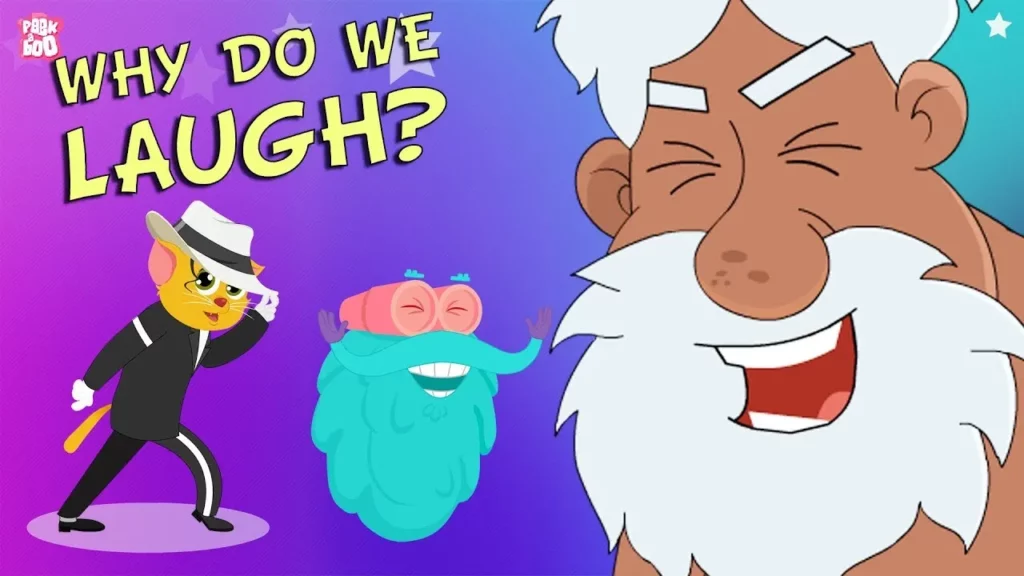
The lesson explores the significance of laughter in human life, highlighting its evolutionary roots as a signal of safety and connection among early ancestors. It discusses the numerous benefits of laughter, including stress relief, physical health improvements, and its role in fostering social bonds, while also acknowledging potential negative aspects related to uncontrollable laughter. Ultimately, the lesson emphasizes the importance of laughter for well-being and social interaction, encouraging individuals to embrace and enjoy this universal expression.
What Causes Constipation? | Best Educational Videos For Kids
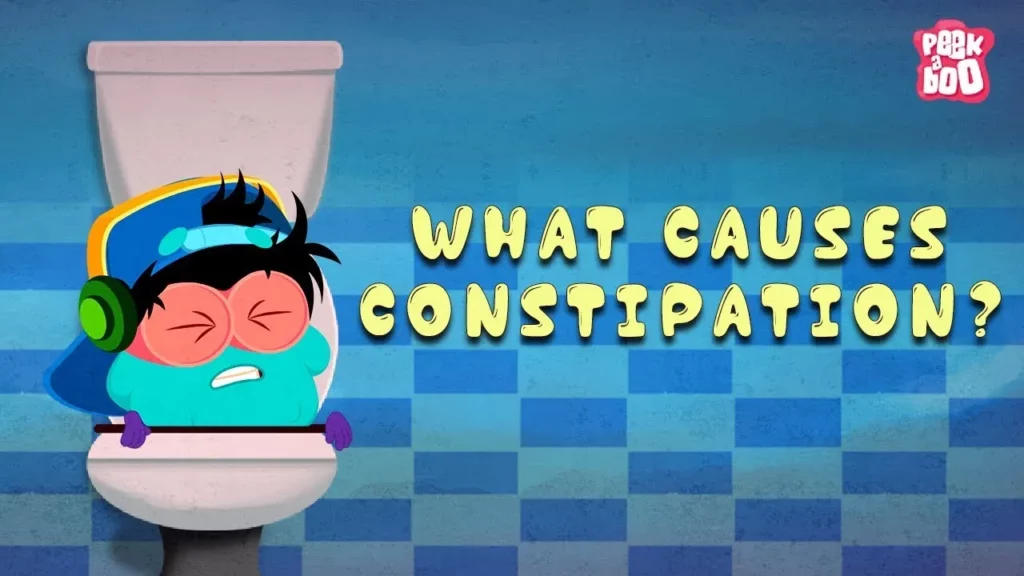
The lesson on “Understanding Constipation: Causes and Solutions” emphasizes the importance of recognizing and addressing constipation, which occurs when bowel movements become difficult due to factors like diet, lifestyle, and the digestive process. It highlights preventive measures such as maintaining a regular bathroom schedule, consuming a high-fiber diet, staying hydrated, and exercising to promote digestive health. Ultimately, the lesson encourages individuals to listen to their bodies and make simple lifestyle changes to avoid the discomfort associated with constipation.
What If Megalodon Sharks Never Went Extinct? | The Megalodon
The lesson explores the megalodon, the largest and most powerful shark to have ever existed, highlighting its impressive size, diet, and the theories surrounding its extinction approximately 3.6 million years ago. It also discusses the potential impact on marine ecosystems if megalodons were still alive today, emphasizing their role as apex predators and the implications for ocean life and human safety. Ultimately, the megalodon serves as a reminder of the ocean’s mysteries and the delicate balance of marine ecosystems.
How The Great Pyramid of Giza Was Built | Mysteries Uncovered
The lesson explores the Great Pyramid of Giza, built around 4,500 years ago for Pharaoh Khufu, highlighting its impressive structure and the mystery surrounding its construction. Despite lacking modern technology, skilled laborers, possibly well-fed rather than enslaved, managed to transport and assemble nearly 2 million stone blocks, sparking various theories about construction techniques, including the use of ramps. The Great Pyramid remains a testament to ancient Egyptian ingenuity and continues to intrigue researchers and historians alike.