
Invention Of Pencil | Best Educational Videos For Kids
This lesson explores the intriguing history of pencils, highlighting their invention, composition, and evolution over time. Pencils are primarily made of graphite, a form of carbon discovered in the 1500s, which allows them to leave marks on paper. The development of the modern pencil, including the introduction of varying hardness levels by Nicholas Jacques Conte in 1795, showcases how this simple writing tool has transformed through innovative ideas and materials.
Living & Non Living Things | What Are Non Living Things?
This lesson explores the distinctions between living and non-living things, highlighting the unique characteristics that define life, such as growth, respiration, reproduction, and response to the environment. It also categorizes non-living things into natural and man-made, emphasizing their lack of life features. Understanding these differences enhances our appreciation of the diverse elements in our world.
How Deep Is The Ocean? | OCEAN DEPTH
This lesson explores the vast and mysterious depths of the ocean, which covers 71% of the Earth’s surface and contains 99% of its living space. It outlines the ocean’s structure, divided into four main oceans, and details its layered depths, including the Sunlight Zone, Twilight Zone, Midnight Zone, Abyssal Zone, and Trench Zone, each characterized by unique conditions and diverse marine life. Despite extensive exploration, much of the ocean remains a mystery, inviting further discovery.
What If The Sun Exploded? | Sun Explosion
This lesson explores the hypothetical scenario of the sun exploding, emphasizing that while such an event would be catastrophic, it is not a concern for our sun, which is not massive enough to end its life in a supernova. Instead, the sun will undergo a gradual transformation over billions of years, eventually becoming a red giant and then a white dwarf. Understanding these processes helps us appreciate the life cycle of stars and the stability of our solar system.
What Causes Stuttering? | What Is Stuttering?
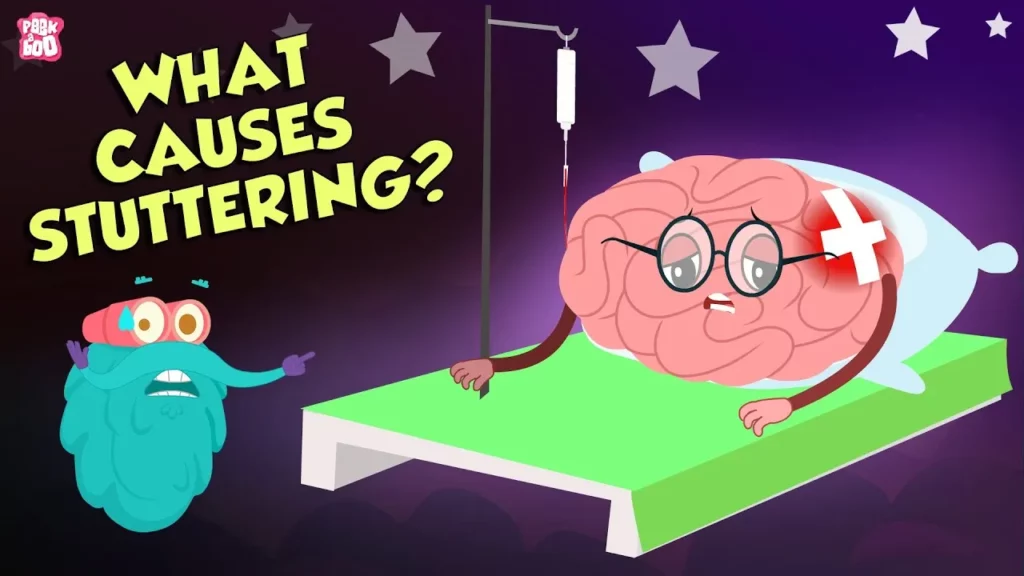
The lesson on stuttering provides an overview of this speech disorder, explaining its characteristics, potential causes, and developmental aspects. It highlights the role of specific brain areas in speech production, emphasizes that stuttering does not reflect a person’s intelligence, and discusses therapeutic approaches, such as singing, that can aid in managing the condition. Understanding stuttering fosters empathy and support for those affected, encouraging individuals to seek help if needed.
How Dangerous Is Omicron Virus? | Omicron Variant
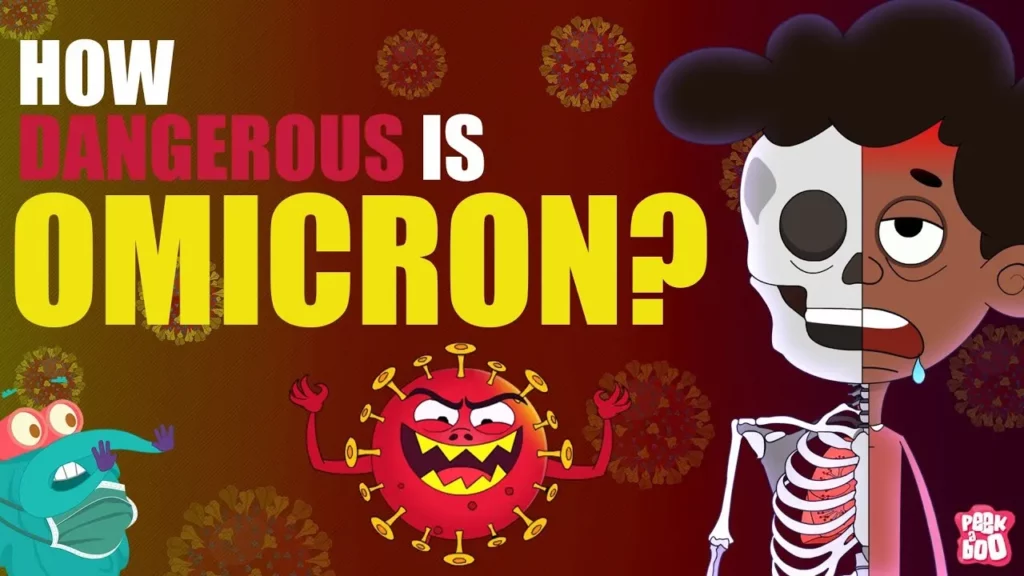
The lesson on the Omicron variant highlights its emergence as a significant concern in the ongoing COVID-19 pandemic, first identified in South Africa in late November 2021. It discusses the nature of viral mutations, the potential risks associated with Omicron, and the importance of preventive measures, including vaccination, to mitigate its spread. As research continues, staying informed and adhering to public health guidelines remains crucial for community safety.
What Causes Baldness? | Causes Of Hair Loss
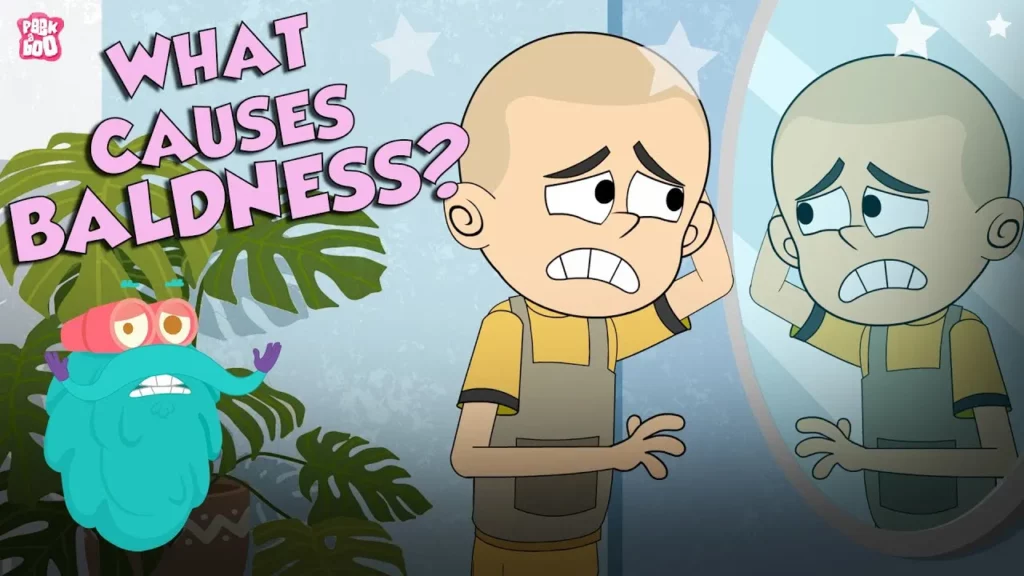
This lesson explores the science behind hair loss, detailing the hair growth cycle, which consists of the anagen, catagen, and telogen phases. It highlights that hair loss, particularly in men, is often influenced by genetics and hormones like dihydrotestosterone (DHT), leading to conditions such as androgenetic alopecia. Understanding these factors can empower individuals to seek appropriate treatments and maintain healthy hair.
What Causes Kidney Stones? | Best Educational Videos For Kids
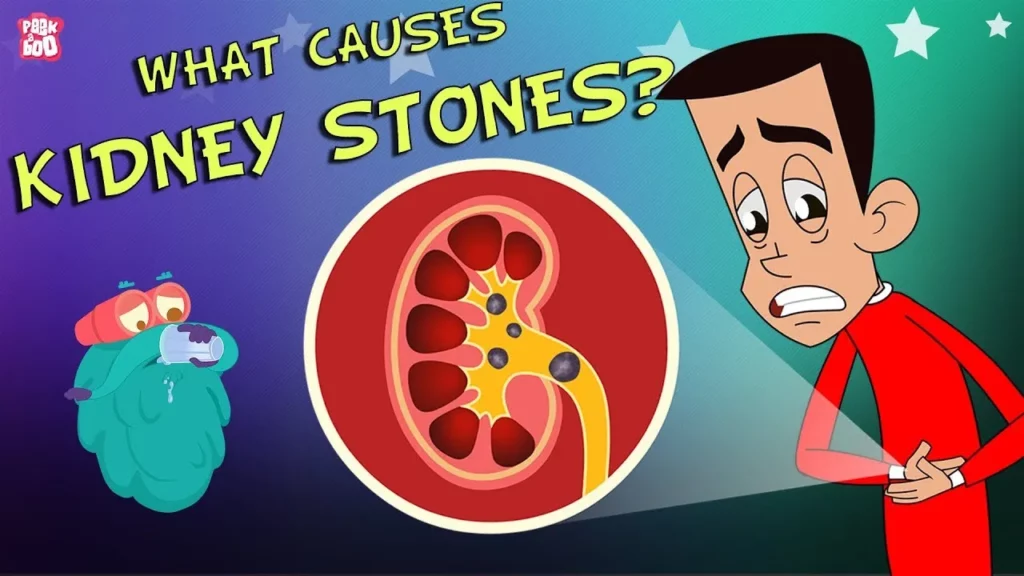
This lesson provides an overview of kidney stones, including their causes, symptoms, and prevention strategies. Kidney stones form when certain substances in urine crystallize, leading to severe pain and potential complications. To reduce the risk of developing kidney stones, it is essential to stay hydrated and maintain a healthy diet.
What If All BEES Disappear? | World Without BEES
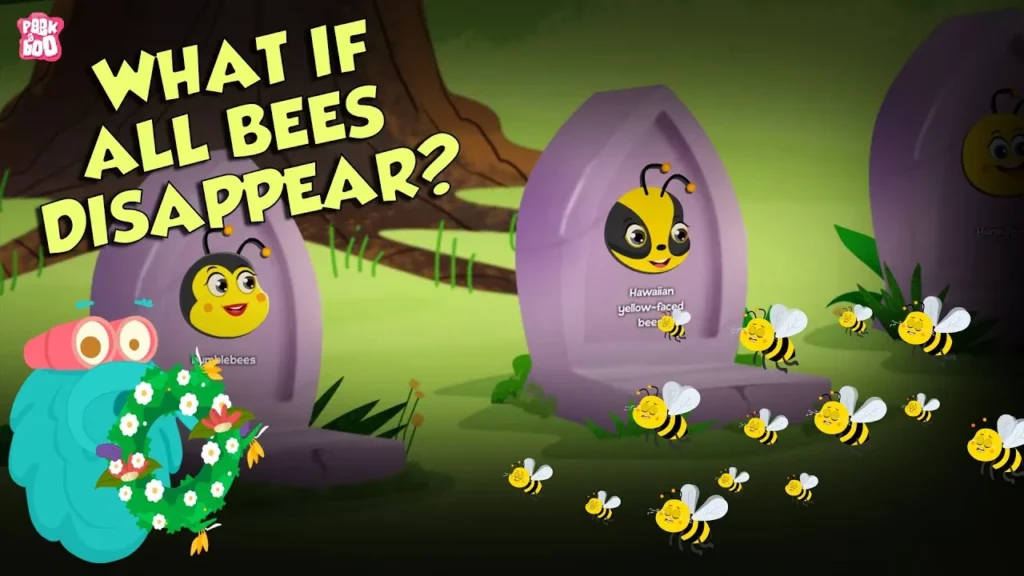
The lesson emphasizes the critical role bees play in food production, the economy, and ecological balance. If bees were to disappear, we would face significant food shortages, loss of honey and beeswax products, economic hardships for those reliant on beekeeping, and disruptions in the food chain that could lead to ecological imbalances. Understanding the importance of bees encourages us to take action to protect these essential pollinators for a sustainable future.
What If The MOON Disappeared? | Space Video
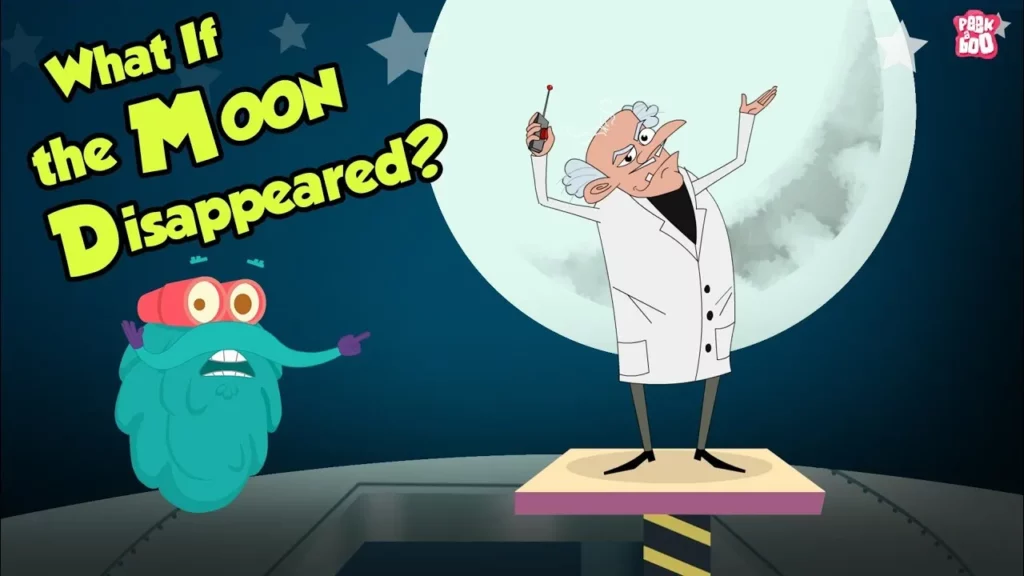
The lesson highlights the critical role of the moon in maintaining life on Earth, emphasizing its impact on nighttime illumination, ocean tides, the day-night cycle, seasonal stability, and protection from asteroids. If the moon were to disappear, we would face darker nights, altered tides affecting marine life, a drastically shortened day length, unpredictable weather patterns, and increased vulnerability to space debris. Overall, the moon is essential for the stability and balance of our planet’s ecosystems.