
Why Do Your Knuckles Pop? The Dr. Binocs Show | Best Educational Videos For Kids
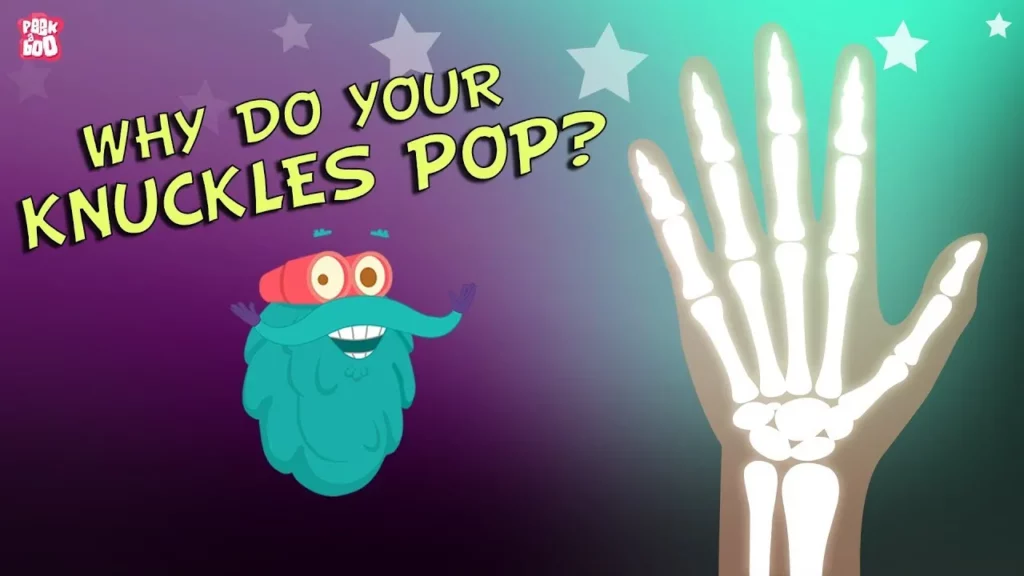
This lesson explains the science behind the cracking sound of knuckles, which occurs due to the formation and bursting of gas bubbles in synovial fluid when the joints are stretched. It debunks the myth that knuckle cracking leads to arthritis, clarifying that there is no direct link between the two. Understanding this phenomenon helps demystify a common bodily occurrence and reassures individuals about the harmlessness of cracking their knuckles.
HACKING | Protect Yourself From Hackers
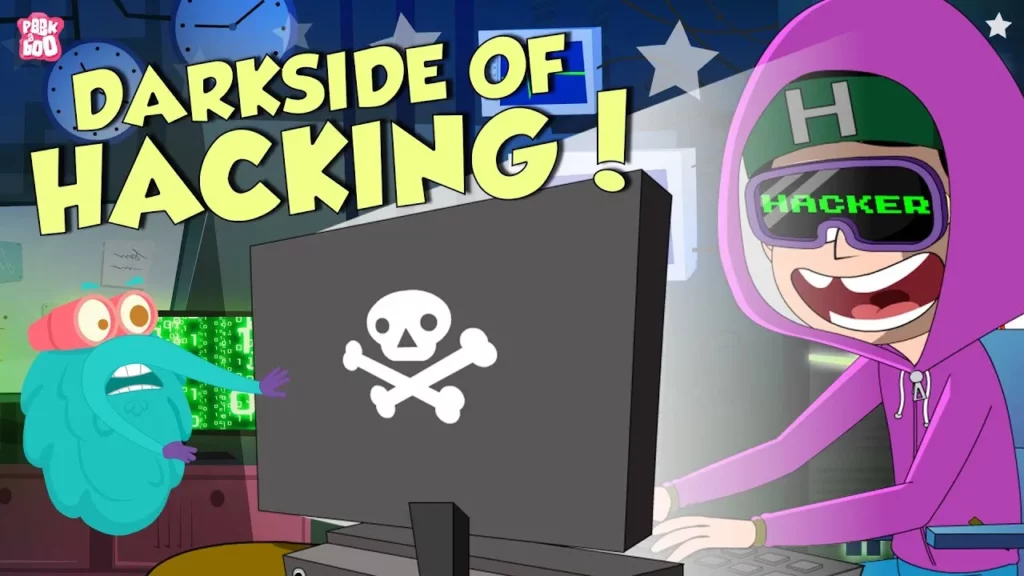
The lesson on “Understanding Hacking: Types, Risks, and Protection” emphasizes the importance of cybersecurity awareness in a world where hacking is prevalent. It distinguishes between ethical hacking, which aims to enhance security, and malicious hacking, which seeks to exploit vulnerabilities for harmful purposes. To safeguard against hacking, the lesson provides practical tips such as installing antivirus software, being cautious online, recognizing phishing scams, using strong passwords, and promoting ethical computer use.
Why Do We Yawn? | Best Educational Videos For Kids
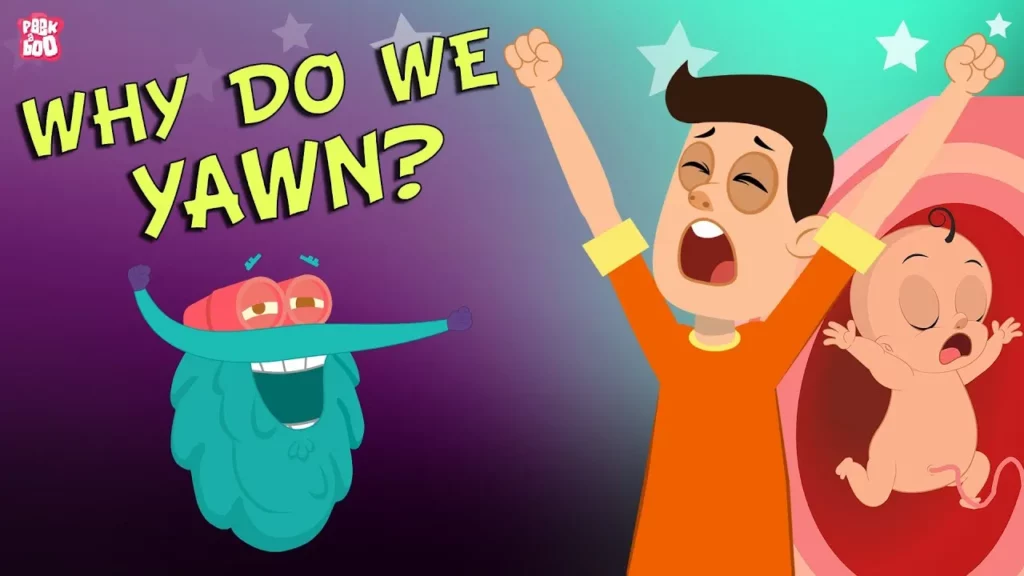
The lesson explores the intriguing phenomenon of yawning, highlighting that it is not merely a sign of tiredness but may serve important functions, such as cooling the brain. It discusses the mechanics of yawning, the brain cooling hypothesis, and shares interesting facts, including that unborn babies yawn and that yawning can be contagious, reflecting social connections. Overall, the lesson emphasizes the complexity and mystery surrounding this common behavior.
History Of Olympics | Tokyo Olympics 2021
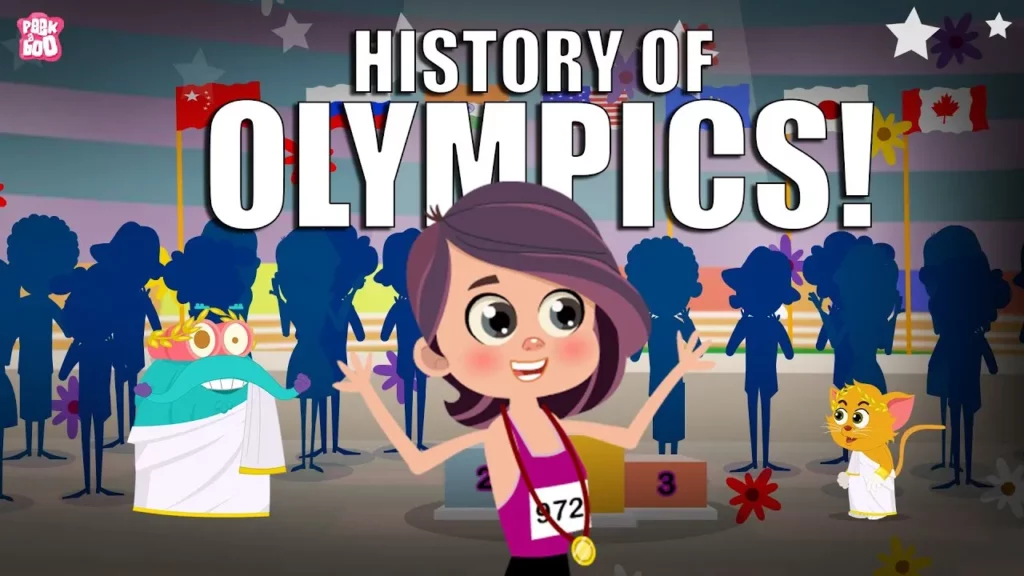
The lesson explores the rich history of the Olympics, beginning with its origins in ancient Greece in 776 BC, where the games were held to honor Zeus and featured only male athletes. It highlights the evolution of the Olympics, including the decline in 393 AD, the revival in 1896, and the inclusion of women and diverse sports in the modern era, emphasizing the event’s role in promoting unity and cultural exchange among nations. The lesson concludes by celebrating the Olympics as a symbol of human spirit and aspiration, inspiring individuals worldwide.
Invention Of PAPER | Best Educational Videos for Kids | Fun Preschool Learning
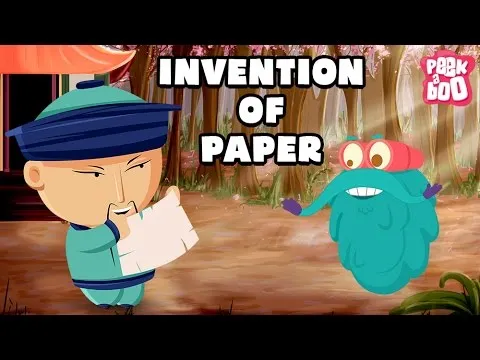
The lesson explores the history of paper, beginning with its invention by Cai Lun in 105 AD China and its subsequent spread across the world. It highlights significant advancements in paper-making techniques, such as the transition from handmade methods to water-powered mills and the revolutionary use of wood fibers in the 1800s. The lesson also emphasizes the importance of recycling paper to protect the environment, illustrating how paper has shaped communication and daily life while encouraging sustainable practices in the modern age.
Invention of Noodles | Origin and History of Noodles | World’s 1st Instant Noodles | Dr. Binocs
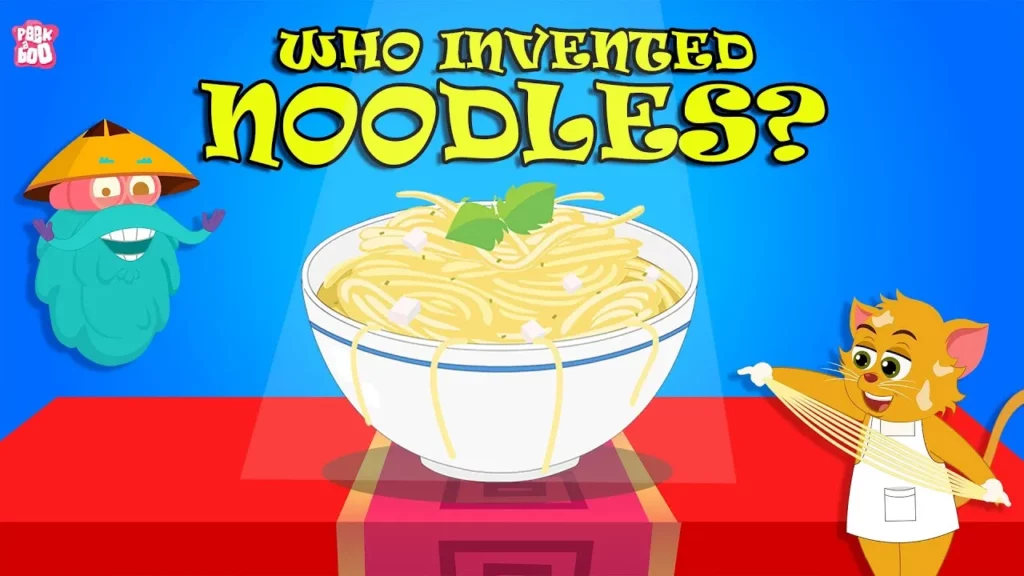
The lesson explores the intriguing history of noodles, tracing their origins back to ancient China, where 4,000-year-old noodles made from millet were discovered. While China is often credited with their invention, other cultures, including ancient Greece and Italy, also contributed to noodle development, leading to a rich variety of noodle dishes across Asia and Europe. The lesson highlights how noodles have evolved and spread globally, becoming a beloved food, while also noting the invention of instant noodles in the 20th century as a significant milestone in noodle history.
What Are Tardigrades? | The Strongest Creature Ever
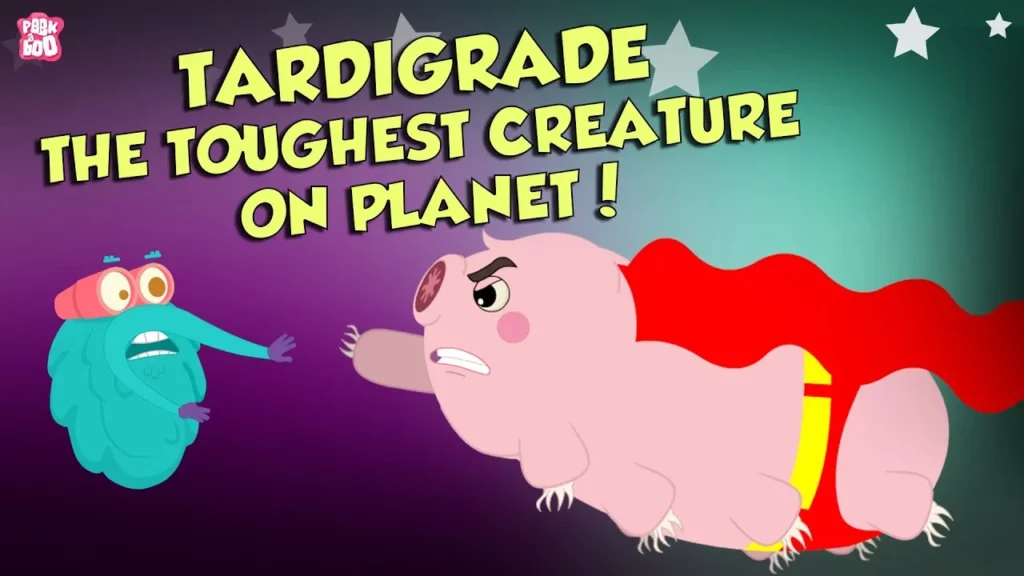
The lesson explores the incredible resilience of tardigrades, tiny creatures known for their ability to survive extreme conditions, including dehydration, radiation, and even the vacuum of space. Through a process called anhydrobiosis, tardigrades can enter a dormant state to endure long periods without water, and their unique protective molecules safeguard their cells during harsh environments. By studying these remarkable organisms, scientists gain insights into the limits of life on Earth and the potential for life in extreme conditions elsewhere in the universe.
Is Milk Really Healthy? | Lactose Intolerance
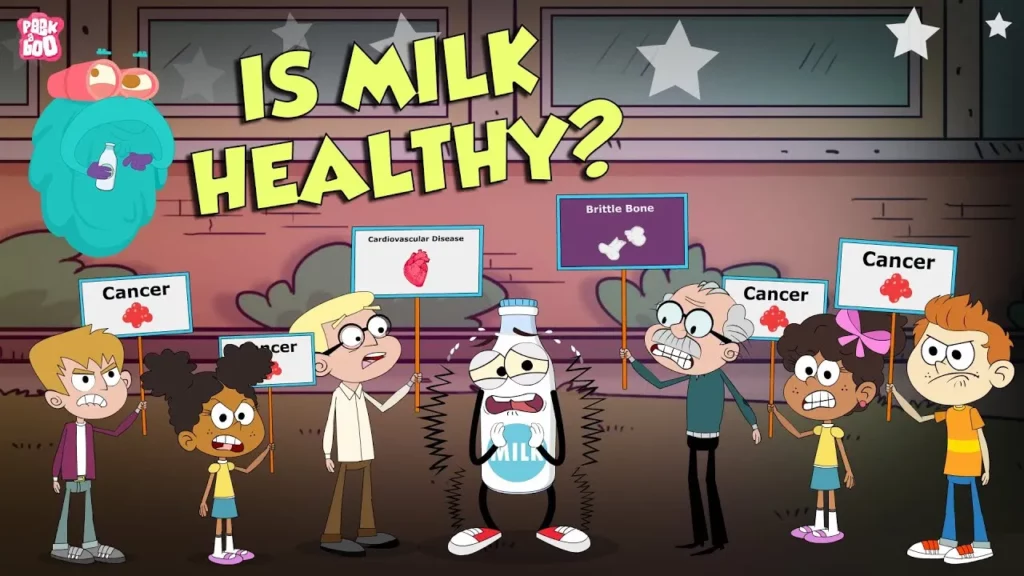
The lesson explores the nutritional benefits and potential drawbacks of drinking cow’s milk, highlighting its rich nutrient content while also addressing issues like lactose intolerance and milk allergies that affect a significant portion of the population. While some studies suggest links between milk consumption and health concerns such as acne and certain diseases, recent research indicates that milk may not be as harmful as previously thought and can provide essential nutrients for those who can tolerate it. Ultimately, the lesson emphasizes the importance of individual health considerations and moderation when deciding whether to include cow’s milk in one’s diet.
Who Invented Holidays? | History Of Holidays
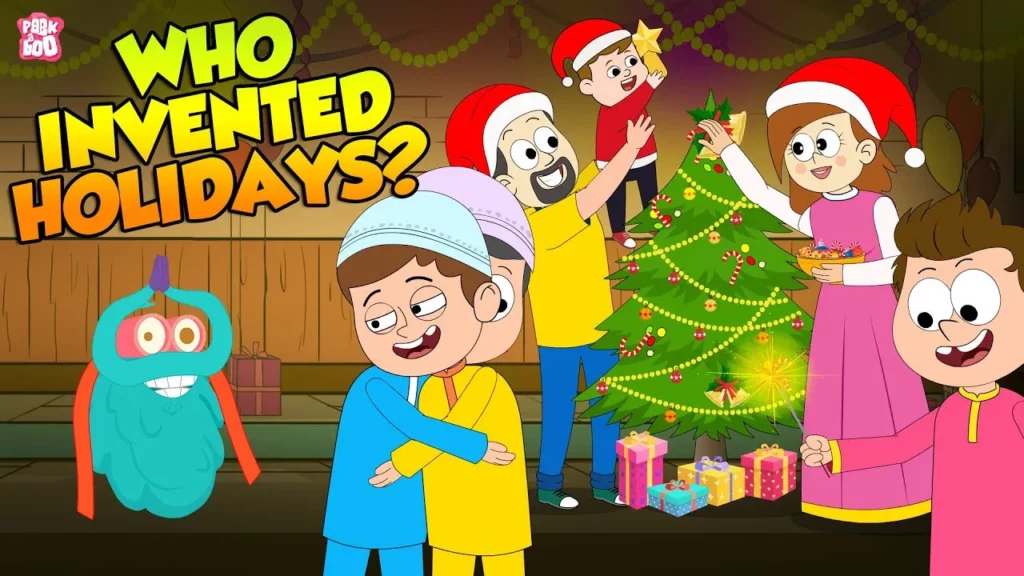
The lesson explores the evolution of holidays from ancient Rome to the present day, highlighting their significance as times for celebration, relaxation, and cultural traditions. It discusses the absence of holidays during the Middle Ages, the revival of celebrations in the 18th century, and the establishment of paid holidays in the 20th century, ultimately emphasizing the importance of these special days in connecting people with their history and culture. As we approach the holiday season, the lesson encourages appreciation for the rich traditions that shape our modern celebrations.
How Birds Fly? | Best Educational Videos For Kids
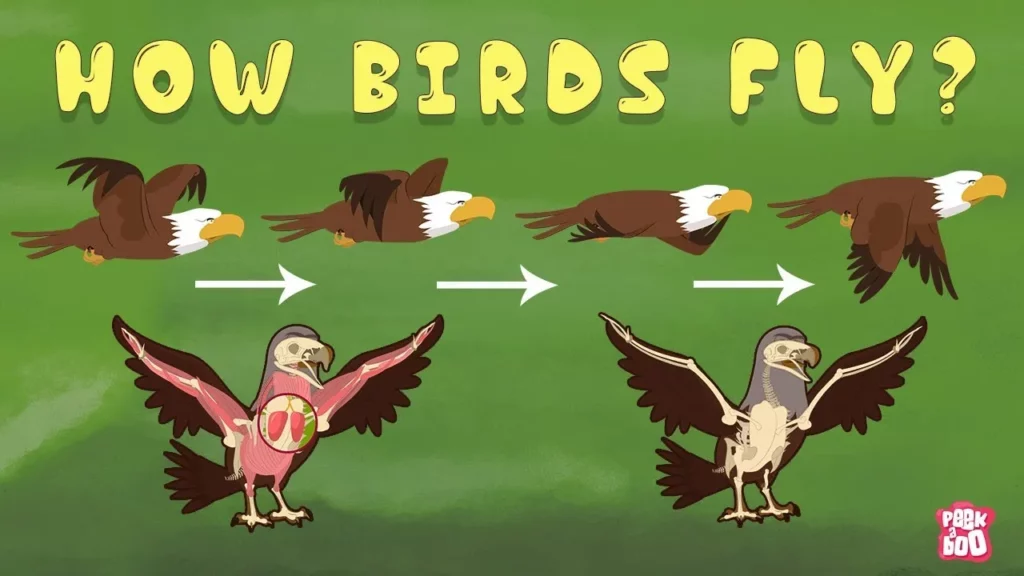
The lesson explores the fascinating mechanics of bird flight, highlighting how their unique body structures, such as lightweight bones and specialized wings, enable them to soar through the sky. It explains the concepts of thrust and lift, the energy efficiency required for sustained flight, and the evolutionary background linking birds to theropod dinosaurs. The lesson concludes by emphasizing the remarkable adaptations that allow birds to fly and poses a question about the fastest living creature, encouraging reader engagement.