
What if We Accidentally Eat Plastic? | How Microplastics Affect your Health? | Dr. Binocs Show
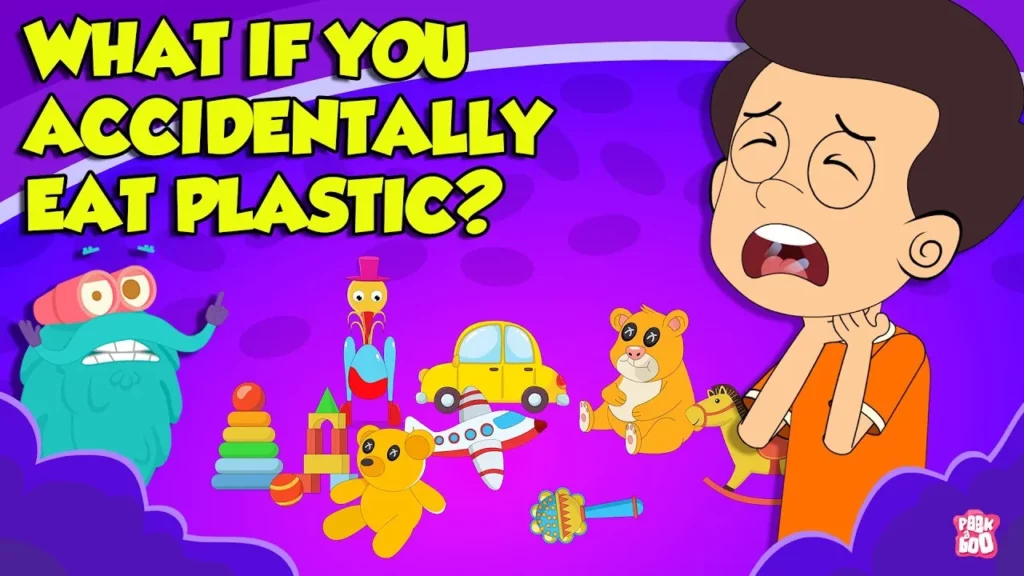
The lesson highlights the dangers of plastic ingestion, particularly for children who may accidentally swallow plastic items. It discusses the immediate risks of choking and internal blockages from larger pieces, as well as the long-term health implications of microplastics, which can enter the bloodstream and harm vital organs. The lesson emphasizes the importance of making informed choices to reduce plastic exposure and calls for collective action to address plastic pollution for a healthier future.
What If We Had Never Discovered Fire? | How Fire Discovery Changed Humanity?
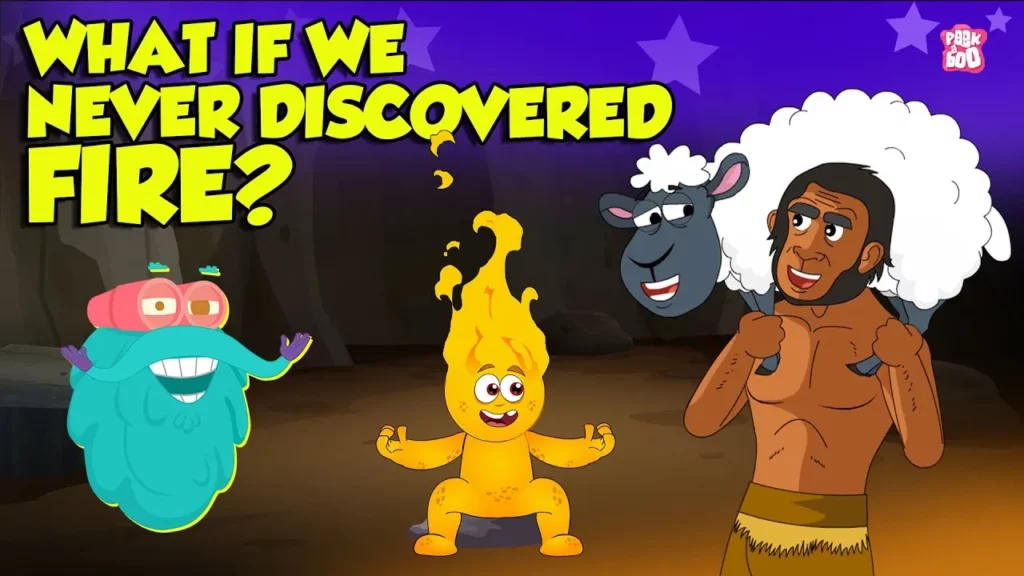
The lesson highlights the crucial role of fire in human evolution, emphasizing its discovery by early ancestors like *Homo erectus* around 400,000 years ago. Fire not only improved survival through cooking, warmth, and protection from predators but also fostered social interaction and cultural development, ultimately shaping the complex societies we have today. Without fire, human progress would have been significantly hindered, potentially leaving us in a primitive state.
Invention Of BULB | Best Educational Videos for Kids | Preschool Learning
The lesson explores the history of the light bulb, highlighting Thomas Edison’s pivotal role in its invention and the scientific challenges he overcame to create a practical design. It discusses the evolution of lighting from candles to modern LED technology, emphasizing Edison’s curiosity and innovative spirit that led to significant advancements in how we illuminate our homes. The lesson concludes by encouraging appreciation for the journey of the light bulb and its impact on our daily lives.
What if We Could Travel at the Speed of Light? | Travelling Faster than Light
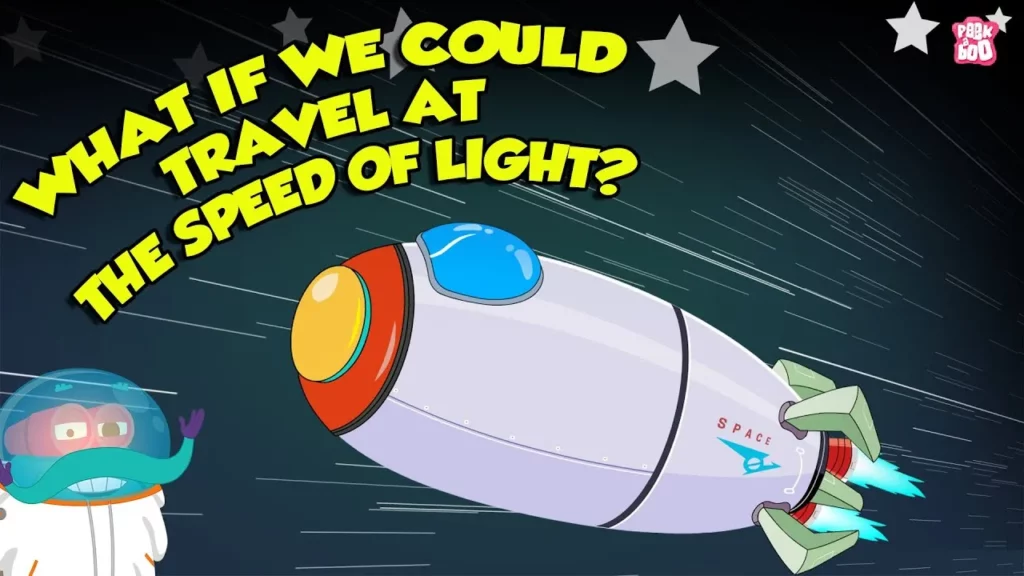
In this lesson, we explore the fascinating nature of light, which travels at an astonishing speed of approximately 186,187 miles per second. However, according to Einstein’s theory of special relativity, nothing with mass can reach this speed due to the increase in mass and energy requirements as one approaches light speed. Through imaginative scenarios, we also examine concepts like time dilation and length contraction, illustrating how our perception of time and space would change if we could travel near the speed of light, while ultimately acknowledging that such travel remains unattainable within the current understanding of physics.
How The Moon Was Formed? | Formation Of The Moon
The lesson explores the various theories surrounding the moon’s formation, highlighting the ongoing mystery of its origins despite extensive scientific study. Key theories include the capture theory, co-formation theory, fission theory, and the widely accepted giant impact theory, which posits that a massive collision with a celestial body named Theia led to the moon’s creation. Ultimately, while the giant impact theory is the most favored explanation, the true story of the moon’s formation remains an intriguing subject for further research.
Energy | Educational Videos For Kids
The lesson “Understanding Energy: A Fun Exploration” introduces the concept of energy as the essential force that enables movement and change in our lives. It explores various types of energy, including kinetic, potential, mechanical, chemical, electrical, and gravitational energy, highlighting how energy transforms from one form to another and its significance in everyday activities. By understanding energy, we gain insight into how the world operates and the importance of energy in our daily lives.
How The Sun Was Formed? | Solar System
The lesson explores the birth, structure, and future of the sun, highlighting its crucial role in our solar system. It details the sun’s formation from a solar nebula approximately 4.5 billion years ago, its immense size and composition, and the six main layers that make it up. Additionally, the lesson discusses the sun’s eventual transformation into a red giant and its fate as a white dwarf, emphasizing its importance for life on Earth and our understanding of the cosmos.
What If Two Black Holes Colide? | Gravitational Force
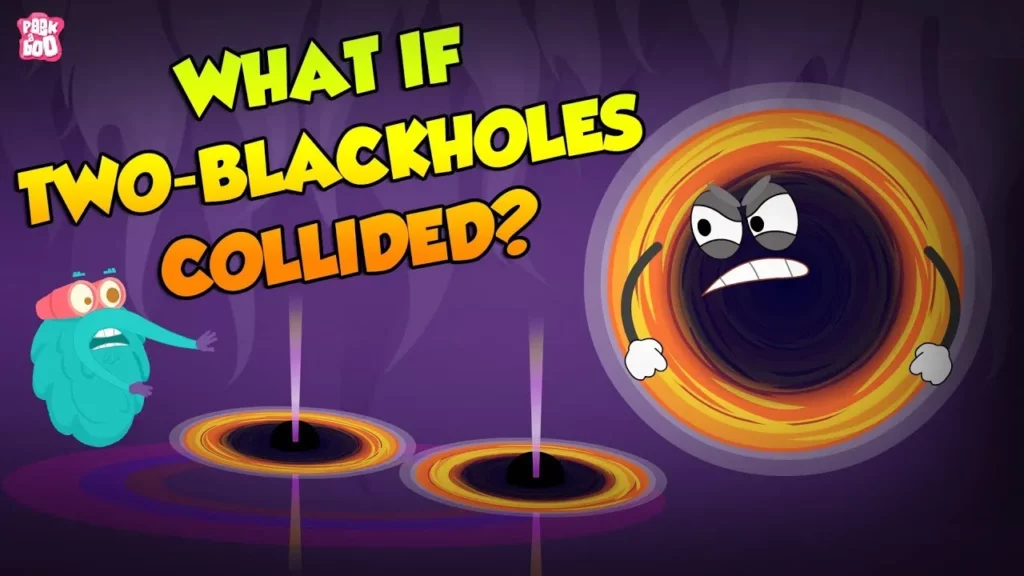
The lesson explores the phenomenon of black hole collisions, detailing the dynamics involved when two black holes meet, including their potential outcomes based on size, speed, and spin. It highlights the immense energy released during these events, which generates gravitational waves, and reassures that while such collisions can be powerful, their distance from Earth minimizes any potential threat to our planet. Overall, the lesson emphasizes the significance of these cosmic events in understanding the universe’s dynamics.
How Does A Jellyfish Sting? | Everything About Jellyfish
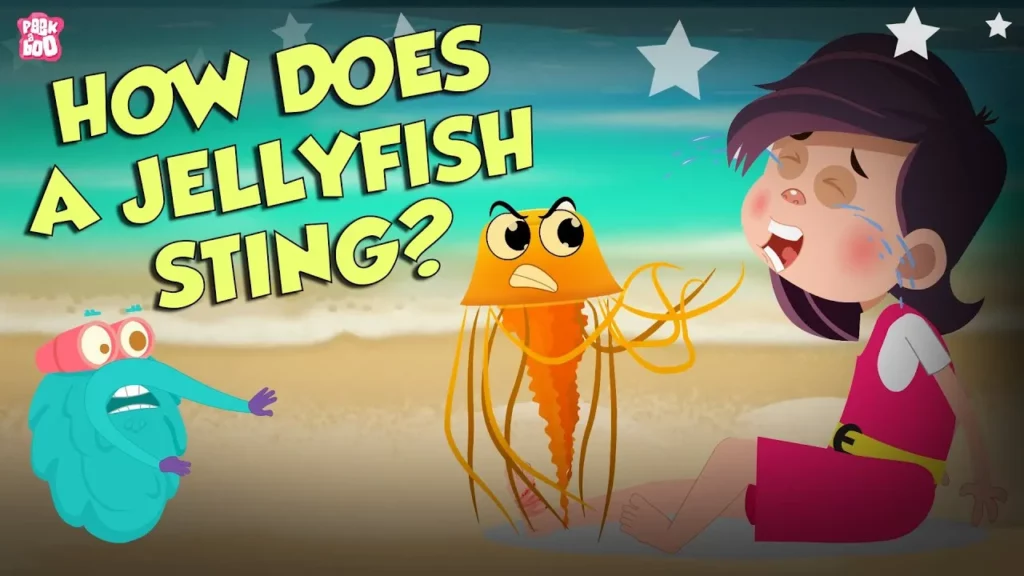
This lesson explores the fascinating world of jellyfish, highlighting their unique biology, including their high water content and lack of bones, as well as their stinging mechanism involving specialized cells called nematocysts. It also provides essential safety tips for dealing with jellyfish stings, emphasizing the importance of quick action and proper first aid, while encouraging respect for these ancient and vital ocean creatures.
Evolution Of Sharks | Best Educational Videos For Kids
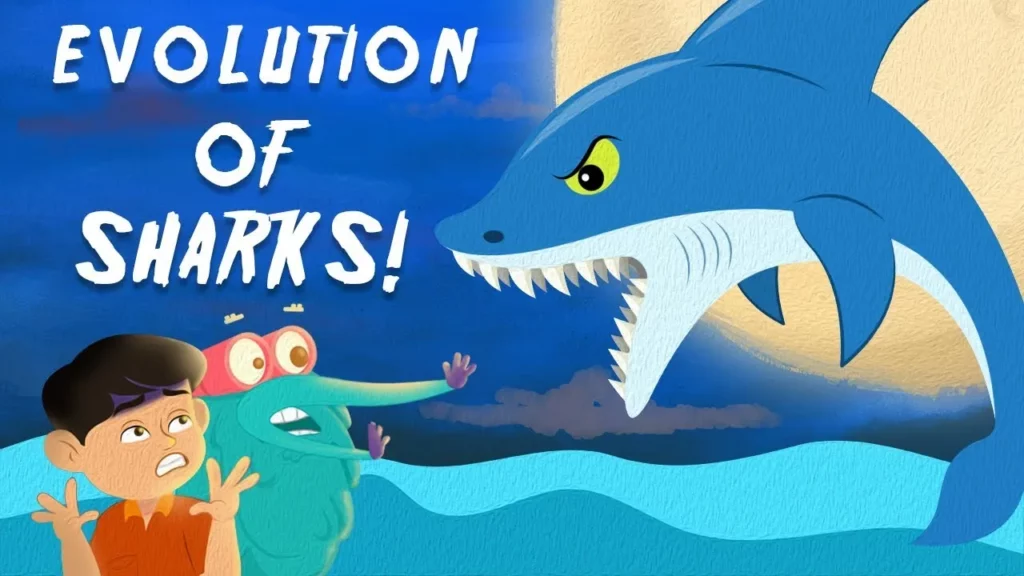
The lesson “The Evolution of Sharks: A Journey Through Time” explores the fascinating history of sharks, tracing their origins back to the Silurian period approximately 450 million years ago. It highlights key evolutionary milestones, including the emergence of the first true sharks during the Devonian era, the diversification in the Carboniferous era, and the development of modern sharks in the Jurassic and Cretaceous eras. The lesson emphasizes the importance of shark conservation today, as these ancient creatures face significant threats from human activities.