
Why Are Some Of Us Left Handed? | Left Handedness
The lesson on left-handedness explores the unique characteristics and cultural perceptions surrounding left-handed individuals, who make up about 10% of the global population. It discusses the historical stigma associated with left-handedness, the genetic factors influencing it, and the challenges left-handed people face in a predominantly right-handed world. Additionally, the lesson highlights the contributions of left-handed individuals and celebrates their uniqueness through International Left-Handers Day.
Why Is Ocean Water Salty? | Earth’s Ocean
The lesson explores the reasons behind the salinity of ocean water, highlighting that it primarily comes from runoff from land and hydrothermal vents on the ocean floor. While oceans cover about 70% of the Earth’s surface and contain a significant amount of salt, lakes and rivers remain less salty due to their continuous movement, which prevents salt accumulation. Understanding ocean salinity is crucial for appreciating its role in marine ecosystems and the importance of maintaining clean oceans.
What Is The Big Bang Theory? – Best Educational Videos For Kids
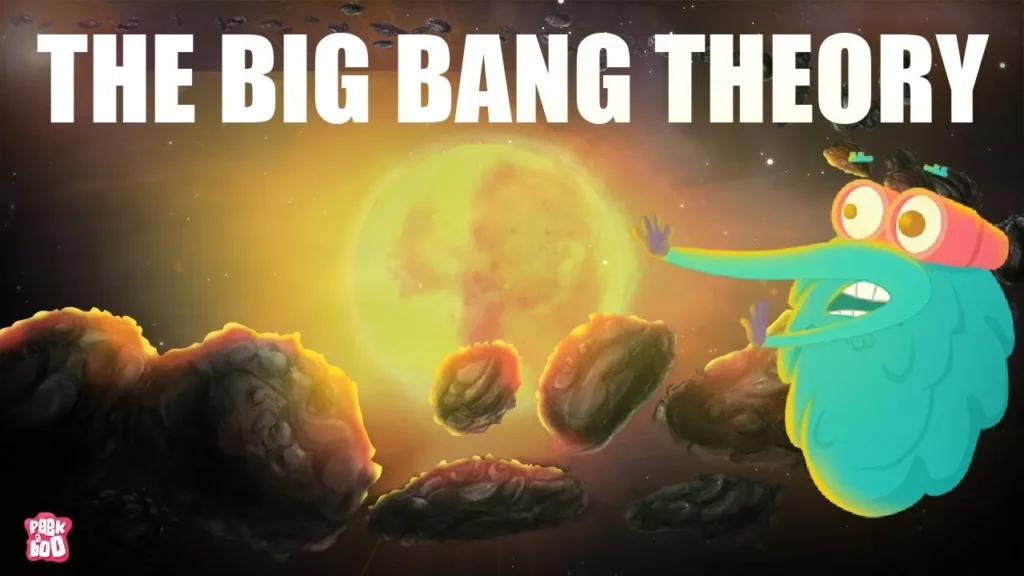
The lesson on the Big Bang Theory explores the origins of our universe, explaining that it began approximately 13.7 billion years ago with a massive explosion that created time, space, and matter. As the universe expanded and cooled, it allowed for the formation of atoms, stars, and galaxies, leading to the complex cosmos we observe today. The theory also raises intriguing possibilities about the universe’s future, including the potential for a “Big Crunch” and another Big Bang.
What If You Fell In A Quicksand? | QUICKSAND
The lesson “Understanding Quicksand: Myths and Facts” explains the nature of quicksand as a non-Newtonian fluid that forms when sand is saturated with water, debunking the myth that it can completely swallow a person. Instead, quicksand is denser than water, allowing individuals to float rather than sink entirely. The lesson emphasizes the importance of remaining calm and using slow movements to escape if one finds themselves in quicksand, along with practical safety tips for handling such situations.
How your Muscles Grow? | Best Educational Videos For Kids
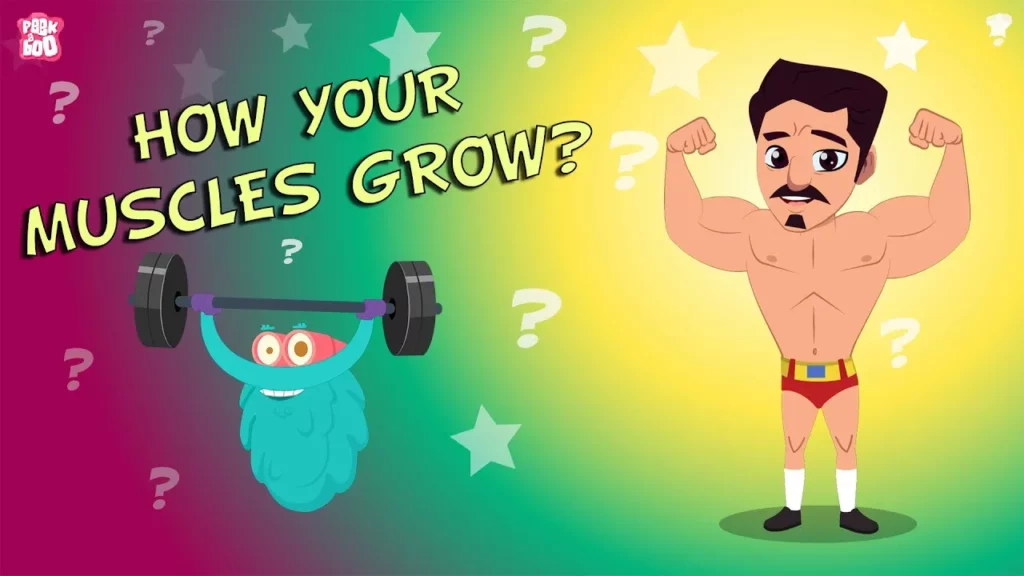
The lesson “Understanding Muscle Growth: A Fun Guide” explains the importance of muscles in the body, highlighting their various types and functions. It emphasizes that regular exercise, proper nutrition, and adequate rest are essential for muscle growth and health, detailing how challenging muscles leads to tiny tears that ultimately make them stronger. By understanding these concepts, individuals can make informed choices to enhance their fitness routines.
What If Sharks Disappeared? | Extinction Of Sharks
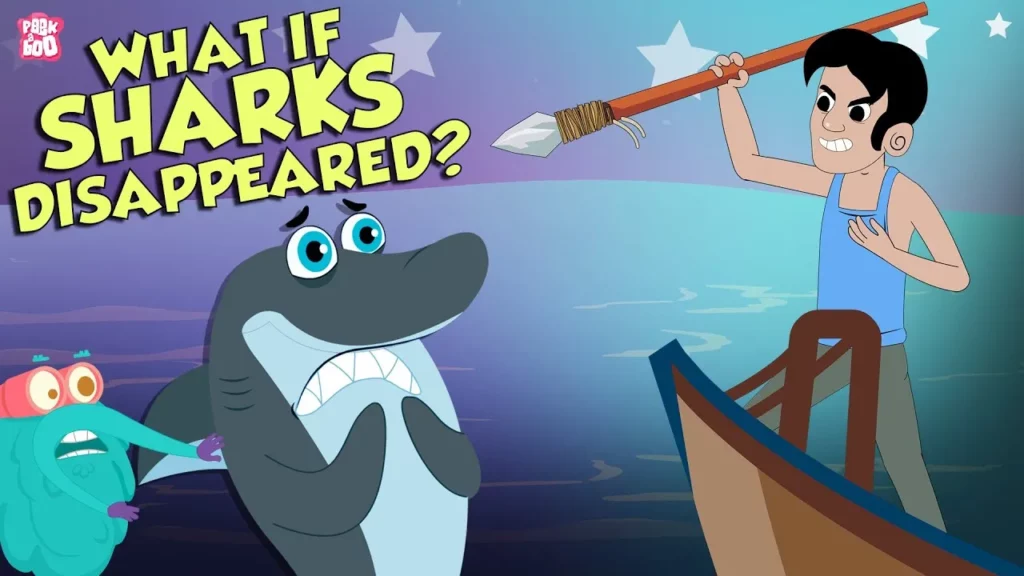
The lesson emphasizes the crucial role sharks play in maintaining the health of marine ecosystems, highlighting their importance in controlling fish populations and preventing excessive algae growth that can harm coral reefs. It also addresses the alarming decline in shark populations due to human activities and the potential ecological consequences of their extinction, urging individuals to take action to protect these vital creatures for the benefit of both the ocean and human communities.
What If a Giant Octopus Attacks You? | How to Survive Giant Pacific Octopus Attack? | Dr. Binocs
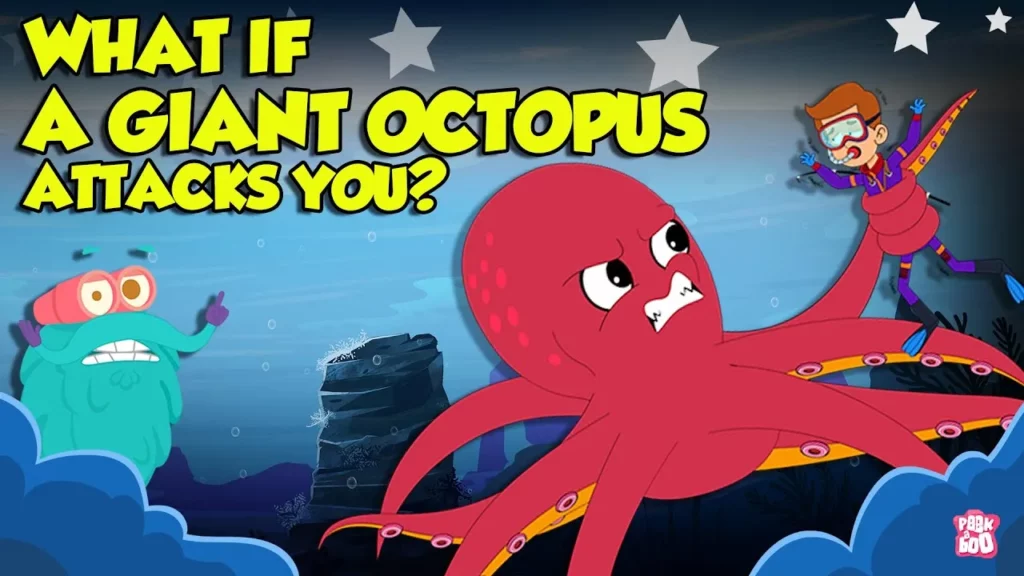
The lesson explores the giant Pacific octopus, highlighting its impressive size, intelligence, and unique defensive mechanisms. While generally friendly, encounters can pose risks, such as painful bites if the octopus feels threatened. To ensure safety while appreciating these fascinating creatures, divers should respect their space, remain calm, and know how to respond if they come too close.
DINOSAURS | Best Educational Videos for Kids Kids
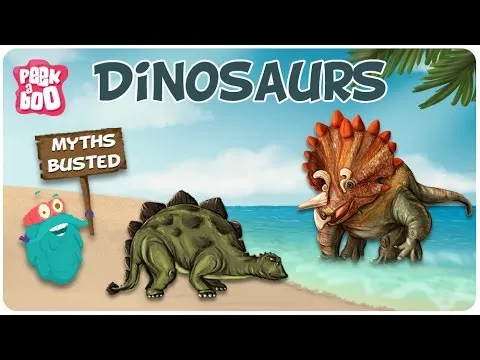
This lesson debunks several common myths about dinosaurs, revealing the true facts about these fascinating creatures. It clarifies misconceptions such as the meaning of “dinosaur,” their size diversity, the timeline of human existence relative to dinosaurs, and the reasons behind their extinction. By exploring these myths and providing fun facts, the lesson encourages a deeper understanding of dinosaurs and their history.
What Does The Liver Do? | Liver Functions
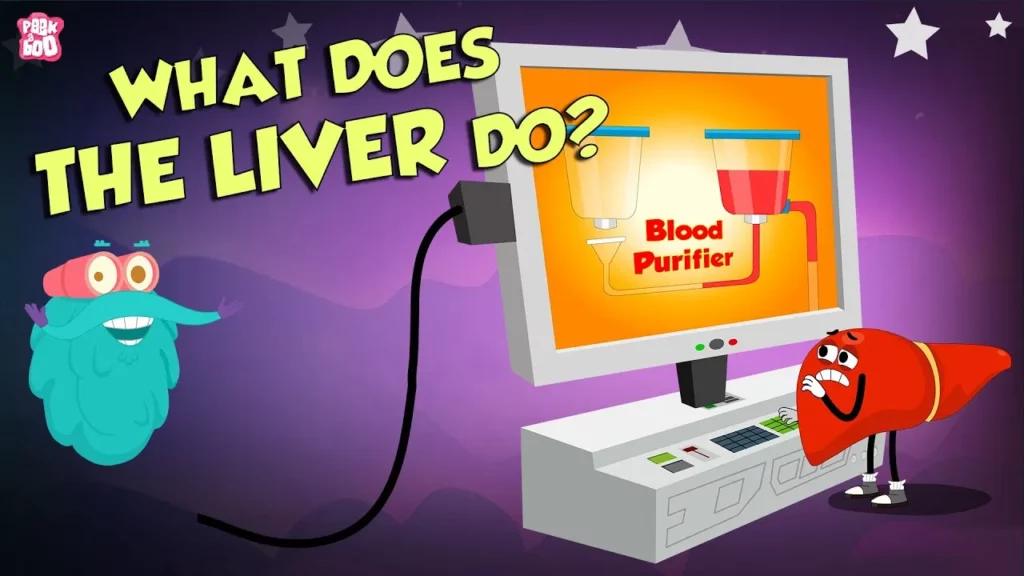
The lesson highlights the liver’s crucial role as a hardworking organ in the body, located in the upper right abdomen and performing over 500 essential functions, including blood cleaning, bile production, cholesterol and protein synthesis, and the breakdown of old blood cells. It emphasizes the liver’s remarkable regenerative ability and offers tips for maintaining liver health through regular exercise, a balanced diet, and avoiding harmful substances. Understanding the liver’s functions and caring for it is vital for overall health and well-being.
World Without Cats!! | What if All Cats Disappeared? | What If There Were No More Cats? | Dr. Binocs
The lesson explores the hypothetical consequences of a world without cats, highlighting their crucial role in ecosystems as natural rodent hunters, which helps prevent food shortages. The absence of cats could lead to an overpopulation of rodents, negatively impacting agriculture and wildlife, while also affecting cultural, economic, and emotional aspects of human life. Ultimately, the lesson emphasizes the importance of cats in maintaining ecological balance and their significance in human society.