
Largest Black Hole In The Universe | Sizes Of Black Holes

This lesson explores the fascinating world of black holes, ranging from the common stellar black holes to the extraordinary ultra-massive black holes like TON 618, which is the largest known black hole in the universe. It highlights the varying sizes and masses of these cosmic phenomena, illustrating their immense gravitational pull and their significance in understanding the universe’s structure and gravity. Through this exploration, we gain insight into the mysteries of black holes and their role in the cosmos.
What if all Bats Disappeared?। Why Bats Are Important To The Environment । The Dr. Binocs Show
The lesson highlights the crucial role bats play in maintaining ecological balance, serving as natural pest controllers, pollinators, and seed dispersers. By consuming insects that threaten crops, aiding in the growth of various fruits, and supporting forest restoration, bats contribute significantly to agriculture and biodiversity. Protecting these unsung heroes is essential for the health of our planet and our food systems.
What If We Lived On Mars? | LIVING ON MARS
The lesson explores the potential for human habitation on Mars, highlighting the significant challenges such as the planet’s thin atmosphere, harsh environmental conditions, and the need for sustainable food production. Solutions like using technology to generate oxygen, employing hydroponics for agriculture, and long-term plans to terraform Mars are discussed. Ultimately, while living on Mars presents obstacles, advancements in science and technology could pave the way for future colonization.
What If The OCEAN Disappears? | Ocean Water EVAPORATES
The lesson emphasizes the critical role of Earth’s oceans in sustaining life, highlighting their contributions to the ecosystem, food supply, oxygen production, water cycle, and climate regulation. If the oceans were to evaporate, it would lead to catastrophic consequences, including a loss of biodiversity, food shortages, diminished oxygen levels, and extreme climate changes, making the planet uninhabitable. Understanding the oceans’ importance is essential for fostering efforts to protect these vital resources for future generations.
What If No One Ever Died? | Immortality | The Dr Binocs Show
The lesson explores the concept of immortality and its implications, prompting us to consider what life would be like if we could live forever. While advances in healthcare have increased life expectancy, the potential consequences of eternal life, such as overpopulation, environmental degradation, memory limitations, and the challenges of aging, reveal that immortality may not be as ideal as it appears. Ultimately, the discussion encourages reflection on the nature of life and death, highlighting the complexities and challenges associated with the desire for eternal existence.
Who Invented School? | Invention Of SCHOOL
The lesson explores the evolution of education from ancient times to the modern school system, highlighting key developments such as the early teaching practices in various civilizations and the establishment of organized schools during the Age of Enlightenment. It emphasizes the contributions of Horace Mann to the American education system and the importance of education today, while also acknowledging the challenges faced by children worldwide in accessing schooling. Ultimately, the lesson encourages gratitude for educational opportunities and a commitment to helping those less fortunate.
What If You Could Fly? | Superpower To Fly
The lesson explores the intriguing concept of human flight, highlighting the desire to fly as a symbol of freedom and adventure. It explains the scientific limitations that prevent humans from flying naturally, such as our lack of physical adaptations like wings and the challenges posed by physics and high altitudes. Despite these obstacles, the dream of flight continues to inspire innovation and creativity in exploring the skies.
Why Do We Get Old? The Dr. Binocs Show | Best Educational Videos For Kids
The lesson on “Understanding the Aging Process” explores the natural journey of aging, highlighting the physical changes that occur in our bodies, such as gray hair and weakened bones, as well as the biological and environmental factors that contribute to these changes. It emphasizes the role of cellular processes, including the shortening of telomeres and the depletion of stem cells, in the aging process, while also discussing ongoing research aimed at understanding and potentially slowing down aging. Fascinating longevity facts, such as the ages of Jeanne Calment and Kane Tanaka, illustrate the remarkable potential for a long life.
What Happens If You’re Struck By LIGHTNING? | Thunder & Lightning
This lesson highlights the dangers of lightning strikes, explaining their nature, effects on the human body, and safety precautions to take during thunderstorms. While lightning is a powerful force that can cause severe injuries, the survival rate for those struck is around 90%. To ensure safety, it is crucial to seek shelter indoors and avoid open areas during storms.
SLEEPWALKING | Why Do We Sleepwalk?
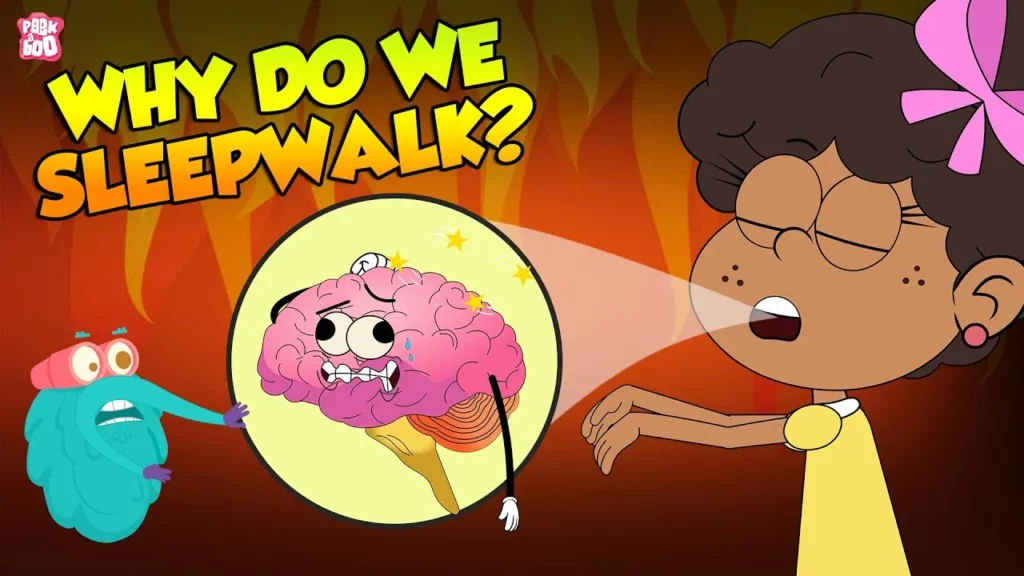
The lesson on sleepwalking, or somnambulism, explains that it is a sleep disorder where individuals perform activities while still asleep, often without any memory of the event afterward. It primarily affects children due to temporary disruptions in the sleep cycle, particularly when transitioning between deep sleep and wakefulness. Understanding the characteristics, causes, and management of sleepwalking can help demystify the phenomenon and guide those affected toward seeking professional advice if necessary.