
The Genius of 3D Printed Rockets
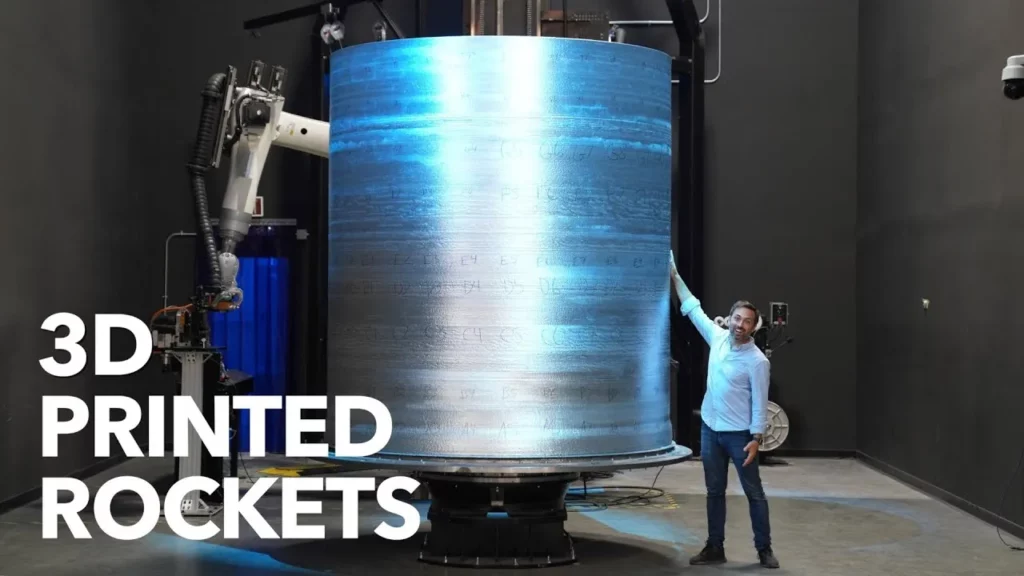
The lesson discusses the revolutionary impact of 3D printing on rocket manufacturing, highlighting Relativity Space’s innovative approach to creating entire rockets in just 60 days using the world’s largest 3D metal printer. This method simplifies the production process by reducing the number of parts needed, enhances design flexibility, and utilizes custom alloys for stronger materials, ultimately paving the way for more efficient and cost-effective aerospace manufacturing. The future vision includes establishing an industrial base on Mars, making space travel more accessible and transforming human experiences beyond Earth.
The Science of Jetpacks and Rockets!
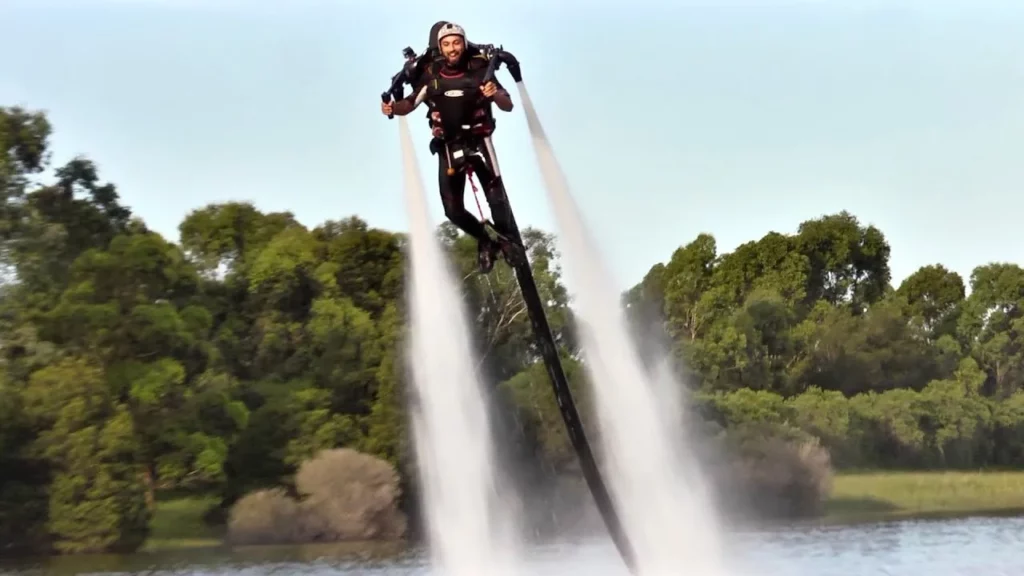
The lesson on water jet packs highlights the application of Newton’s Third Law of Motion in understanding how these devices operate. By utilizing water as a propellant, jet packs create thrust through the expulsion of water, allowing users to experience acceleration and maneuverability similar to that of rockets, but without carrying their own fuel. The lesson emphasizes the importance of grasping the underlying physics to enhance the jet pack experience and dispels common misconceptions about motion and propulsion.
Spool Trick
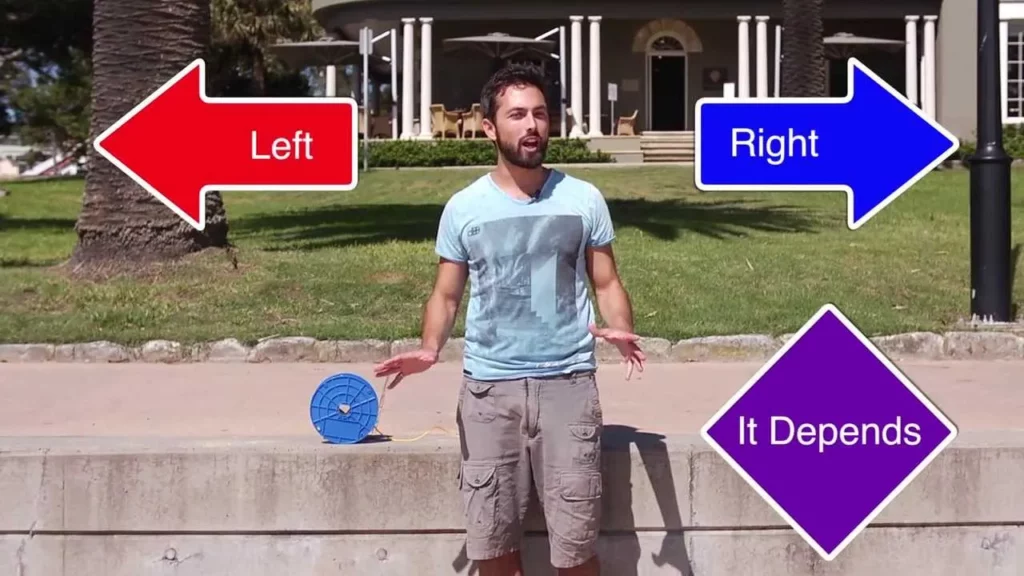
In this lesson, students engage in a hands-on experiment with a spool and a rope to investigate the effects of different pulling techniques on the spool’s movement. By making predictions about the spool’s behavior based on the tension of the rope, participants learn fundamental physics concepts related to motion and forces in an interactive and enjoyable way. The lesson sets the stage for further exploration in a follow-up experiment, encouraging curiosity and deeper understanding of physical principles.
Supersized Slow-Mo Slinky Drop
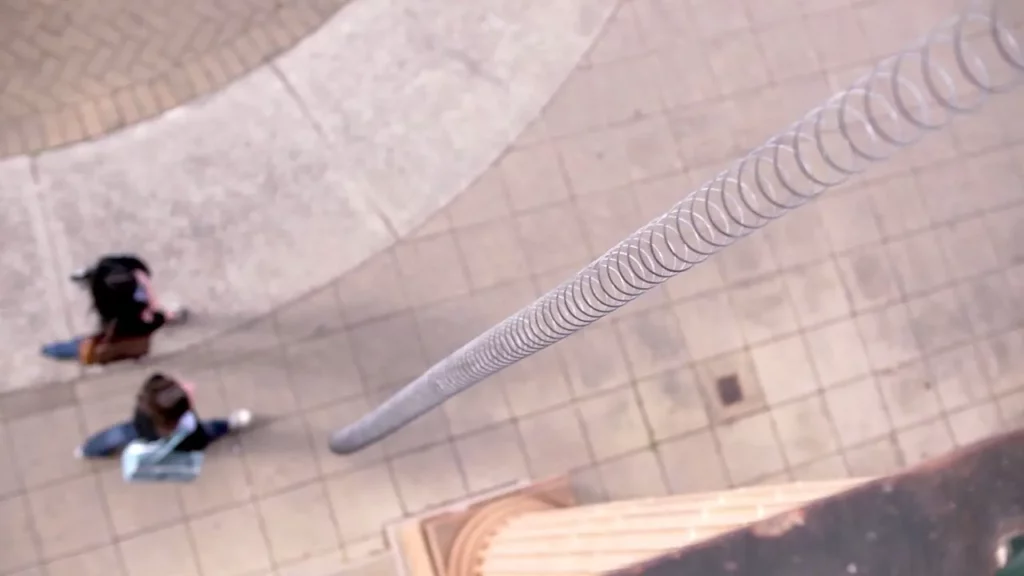
In this lesson, students explored the physics of Slinkies by conducting drop experiments to observe the differences in behavior between long and short Slinkies. They discovered that while the center of mass falls due to gravity, the bottom of the Slinky remains stationary until a compression wave travels down the spring, illustrating key principles of motion and forces. Through hands-on experimentation and analysis, the team gained a deeper understanding of the fascinating dynamics at play in such a simple yet intriguing object.
Uranium: Twisting the Dragon’s Tail
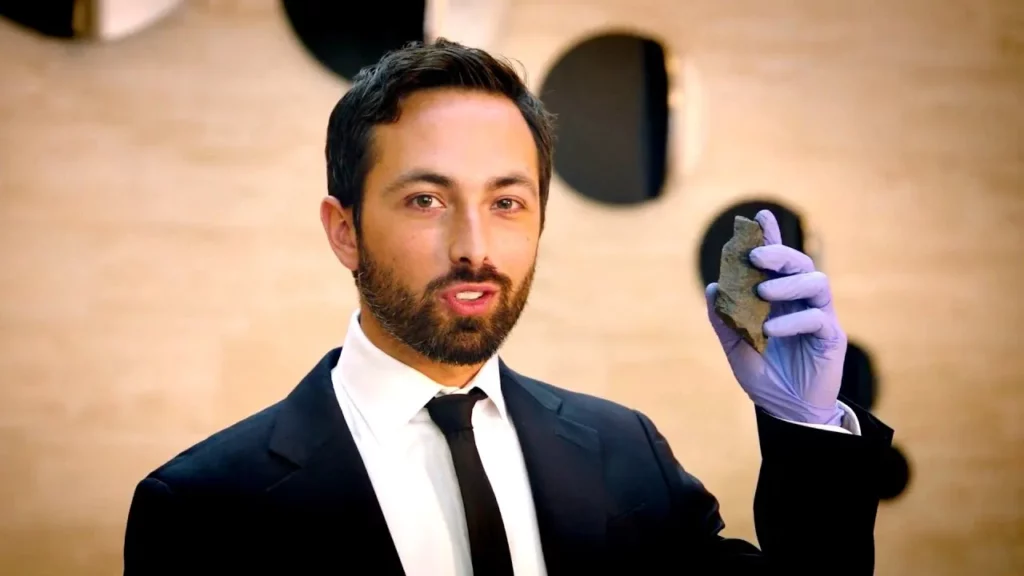
The lesson explores the profound legacy of the Chernobyl disaster and the dual nature of uranium, highlighting its transformation from a little-known element to a powerful force in energy production and environmental concerns. Through insights from the documentary “Uranium: Twisting the Dragon’s Tail,” it examines the scientific properties of uranium, its impact on modern society, and the critical questions surrounding its use. Ultimately, the lesson emphasizes the need to balance the benefits of uranium as a source of energy with the potential risks it poses to humanity and the environment.
Can Silence Actually Drive You Crazy?
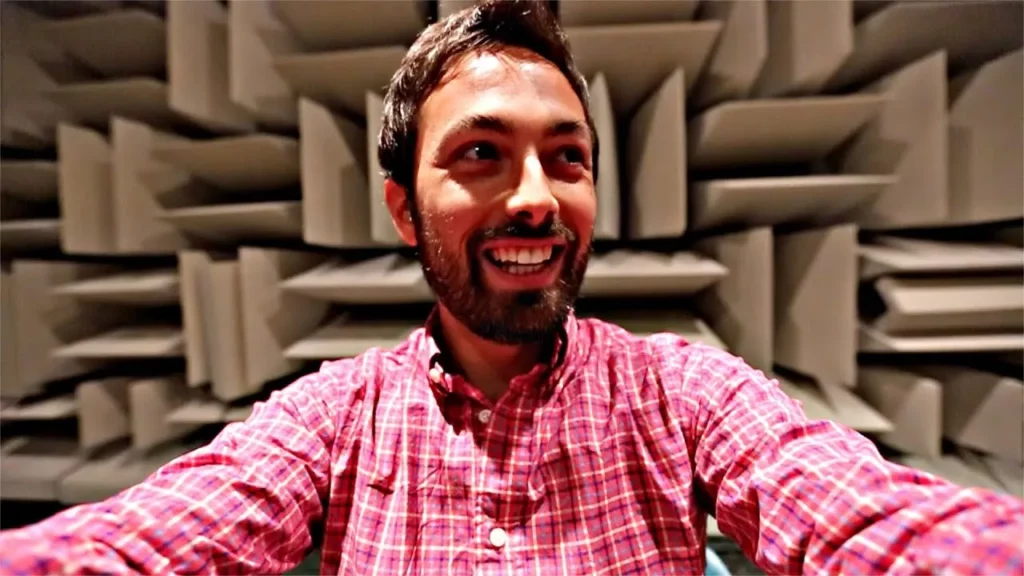
The lesson explores the unique experience of visiting an anechoic chamber, a space designed to absorb sound completely, leading to a profound sense of silence that can be both calming and unsettling. It highlights the scientific principles of sound absorption and the psychological effects of prolonged silence, revealing how individuals may become acutely aware of their own bodily sounds. Ultimately, the lesson emphasizes the personal nature of experiencing silence and its implications for understanding our relationship with sound in a noisy world.
Bullet Block Explained!
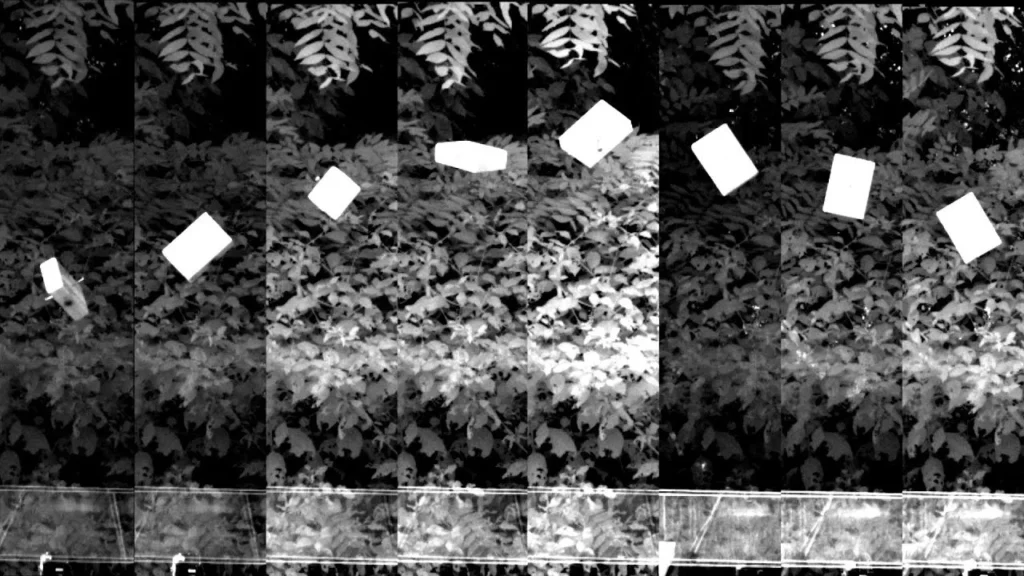
The lesson explores an intriguing physics experiment involving two identical wooden blocks shot with a rifle, one hit at its center and the other off-center, both rising to the same height despite initial assumptions. The analysis reveals that the conservation of momentum explains this outcome, as both blocks maintain the same upward velocity regardless of the impact point, while the complexities of energy dynamics, including rotational energy and penetration depth, further enrich the discussion. Ultimately, the experiment highlights the importance of fundamental physics principles and encourages ongoing scientific inquiry and exploration.
Testing the US Military’s Worst Idea

In this lesson, a team conducted an ambitious experiment by dropping heavy metal weights from a helicopter onto a sandcastle city to explore the concept of kinetic weapons, inspired by historical military ideas. While they successfully demonstrated precision targeting with a smaller weight, their attempts to accurately hit the sandcastle with a larger weight faced significant challenges, highlighting the complexities of deploying kinetic projectiles and the theoretical limitations of such weapons. Ultimately, the experiment underscored the importance of experimentation and learning from failures in advancing scientific understanding of kinetic energy in warfare.
The Sun Sneeze Gene
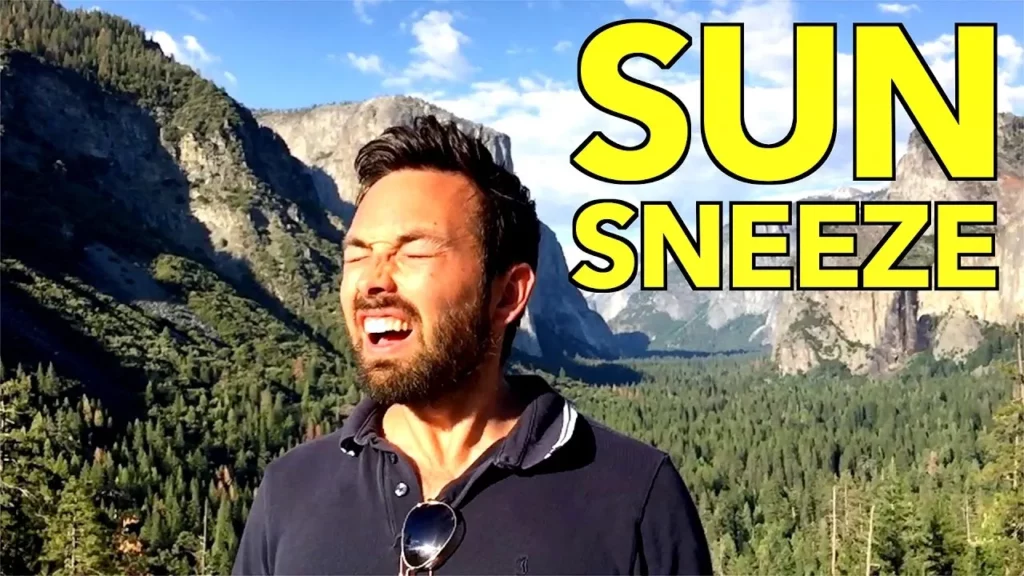
The lesson explores the phenomenon known as sun sneezing, or the photic sneeze reflex, which causes some individuals to sneeze upon exposure to bright light, particularly sunlight. Historically, this reflex has intrigued thinkers like Aristotle and Sir Francis Bacon, and it is now understood to have a genetic basis, being an autosomal dominant trait that affects 18 to 35 percent of the population. The mechanism behind this reflex involves the trigeminal nerve, which may mistakenly link the bright light stimulus to the sneezing response, highlighting the intersection of genetics and human physiology.
How Old Is The Earth?

The lesson explores the geological and biological history of Earth through the lens of Milford Sound, a fjord in New Zealand shaped by glaciers. It emphasizes that while the Earth is approximately 4.5 billion years old, human history is just a tiny fraction of that timeline, illustrated through a relatable analogy comparing Earth’s history to the length of an outstretched arm. By understanding this vast timeline, we can appreciate the evolution of life and our place in the natural world.