
What Is Chemistry?

The lesson explores how Australians perceive chemistry, revealing that it encompasses both scientific concepts and emotional connections. While many associate chemistry with scientific elements and interactions, others highlight its role in relationships and feelings, suggesting that chemistry also describes the attraction between people. Ultimately, the discussion illustrates the interplay between scientific understanding and personal experiences, emphasizing that chemistry is a multifaceted concept that resonates with both intellect and emotion.
The Bullet Block Experiment
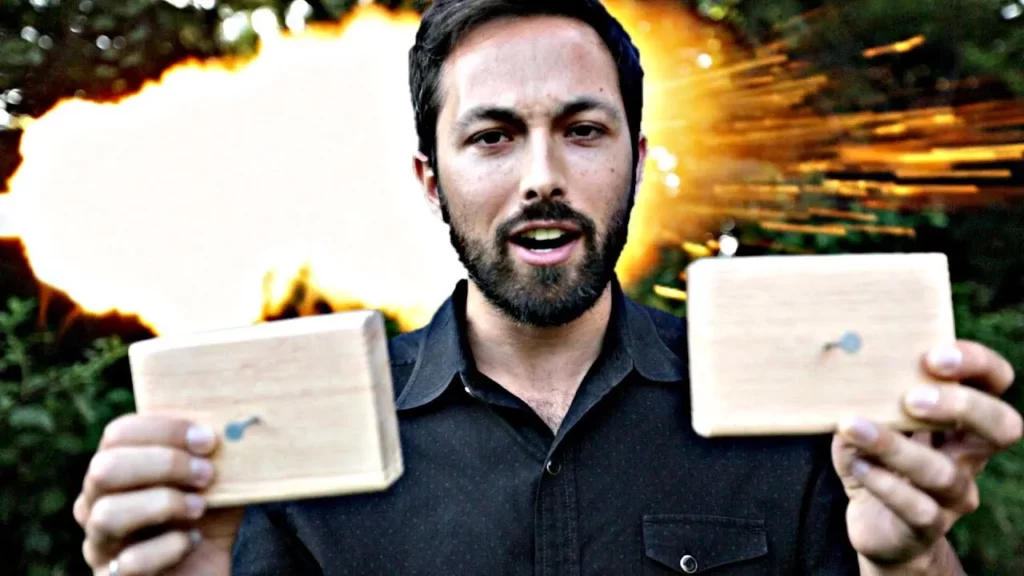
In this lesson, participants engage in an experiment to explore the physics of bullet impact by comparing the effects of vertical and lateral shots on a block. The experiment reveals how the angle of impact influences the block’s movement, particularly in terms of energy distribution between upward motion and rotational motion, highlighting key concepts such as angular momentum and kinetic energy. Through predictions and discussions, learners gain a deeper understanding of the principles governing motion and energy conservation in physics.
World’s Lightest Solid!
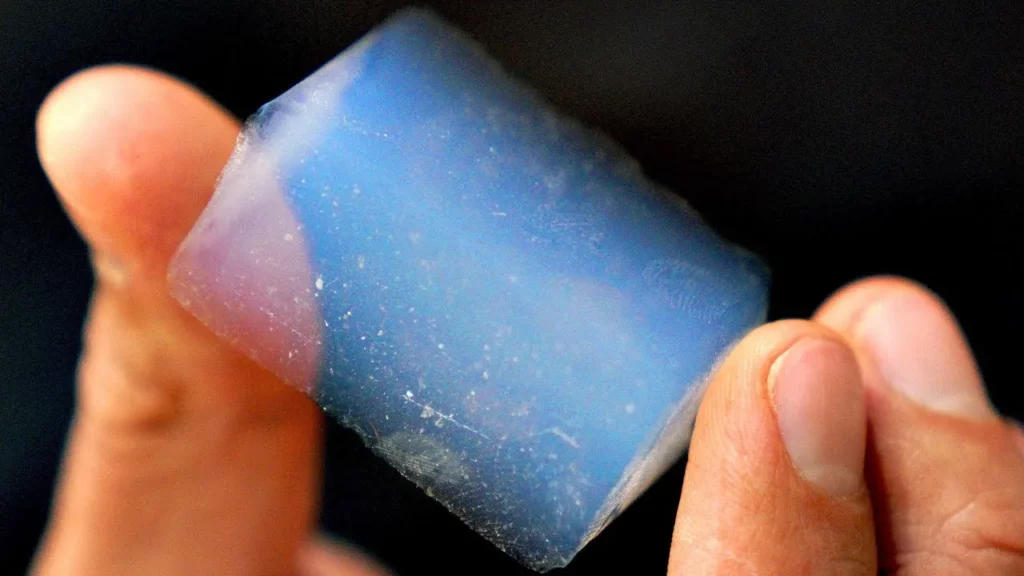
The lesson explores aerogel, the lightest solid on Earth, which is composed of 99.8% air and was invented by Professor Samuel Kistler in 1931. It highlights aerogel’s remarkable insulating properties demonstrated through experiments, its applications in NASA missions, and its potential future uses in construction and insulation. As research advances, aerogel may become more accessible and widely utilized across various industries.
When Is A Bungee Jumper’s Acceleration Max?
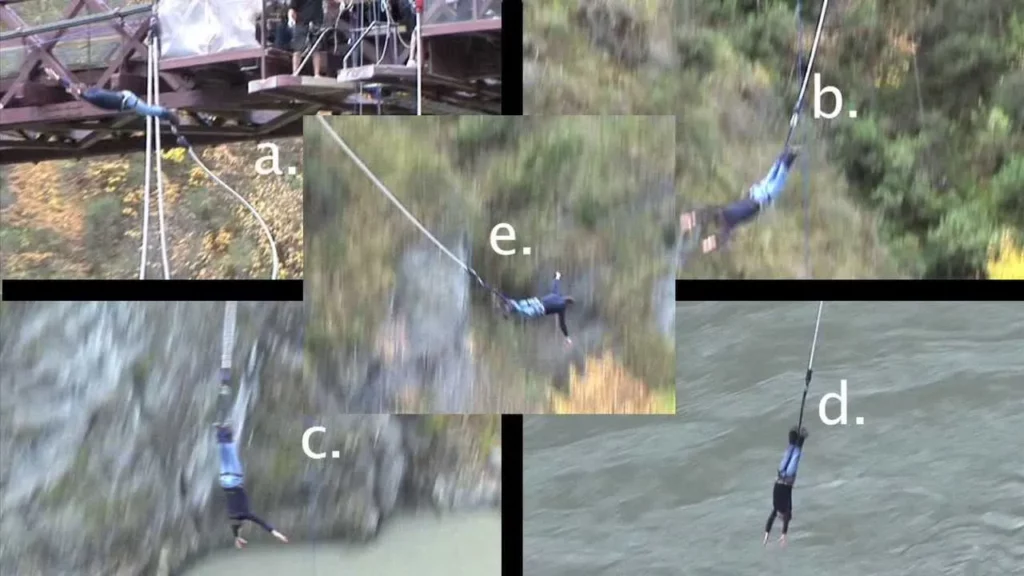
The lesson explores the physics of bungee jumping, focusing on the acceleration experienced by the jumper at various stages of the jump. It highlights that the greatest acceleration occurs when the bungee cord becomes taut, as the upward force from the cord counteracts gravity, leading to a rapid change in acceleration. By understanding these phases, one can better appreciate the thrilling dynamics of bungee jumping.
Atomic Bonding Song

This lesson explores the fundamental role of electrons in forming chemical bonds, which are essential for the interactions between atoms. It covers three main types of bonds: ionic bonds, where electrons are exchanged between atoms; covalent bonds, where electrons are shared; and metallic bonds, characterized by a “sea of electrons” that allows for unique properties in metals. Understanding these bonds is key to grasping how matter is structured and behaves in the world around us.
Science of Laser Hair Removal in SLOW MOTION
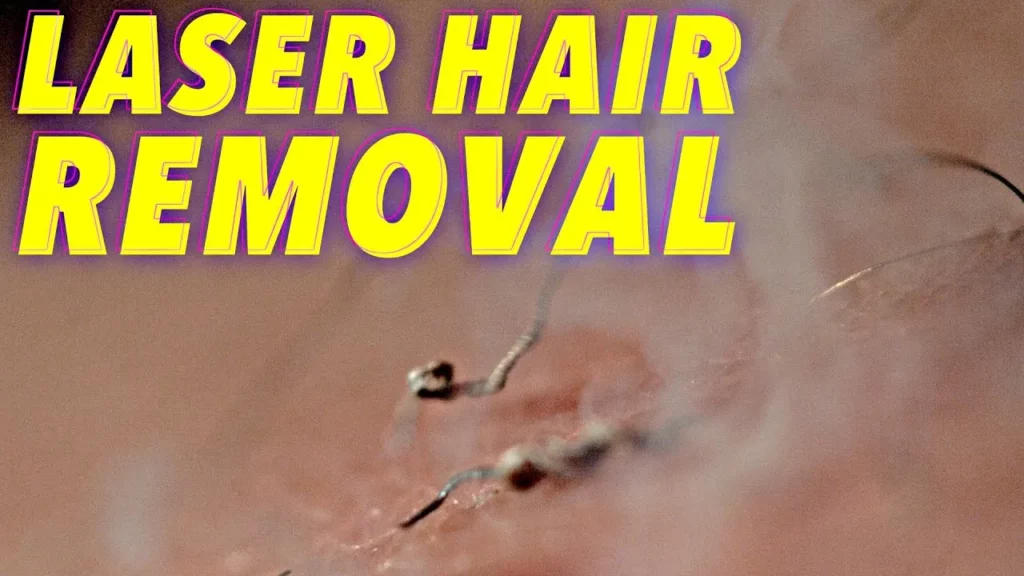
The lesson on laser hair removal explores the scientific principles behind the procedure, highlighting how lasers target melanin in hair follicles to effectively remove unwanted hair. By emitting concentrated light pulses that heat and damage the hair follicles, the treatment leverages the properties of melanin while minimizing harm to surrounding skin. This innovative application of physics and biology showcases the evolution of laser technology and its significant impact on cosmetic practices.
Fire Syringe
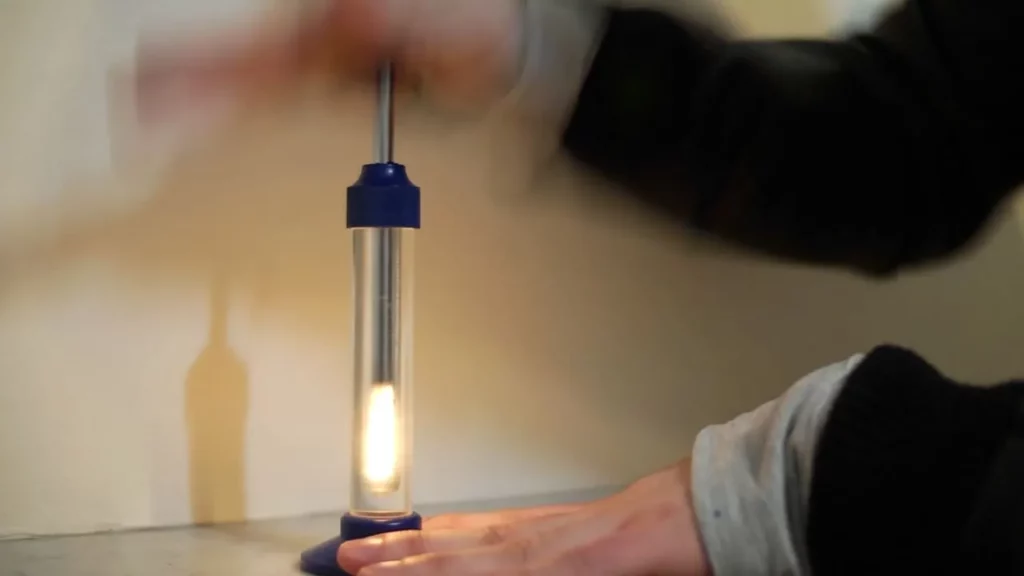
The firesyringe experiment demonstrates how air compression can generate enough heat to ignite materials without the use of matches or lighters. By rapidly compressing air within a glass tube containing cotton wool, the temperature can rise to around 400°C, causing the cotton to catch fire through a process known as adiabatic compression. This experiment serves as an engaging introduction to thermodynamics and encourages exploration of other materials that may ignite under similar conditions.
How To Clean Up Space Junk
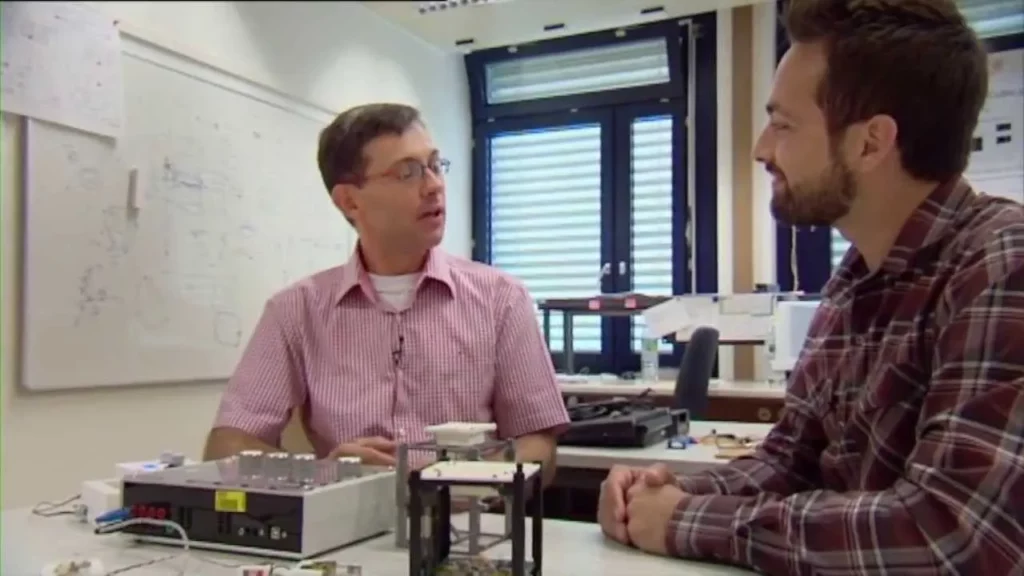
The Swiss Initiative, known as Clean Space One, aims to tackle the escalating problem of space debris, which poses significant risks to satellites and astronauts. By developing innovative technologies, such as an advanced propulsion system and a flexible capture mechanism, the initiative seeks to demonstrate the feasibility of removing space junk, specifically targeting the retrieval of Swiss Cube. This project represents a crucial step toward ensuring the sustainability of space for future exploration and protecting operational satellites from potential collisions.
I Rented A Helicopter To Settle A Physics Debate
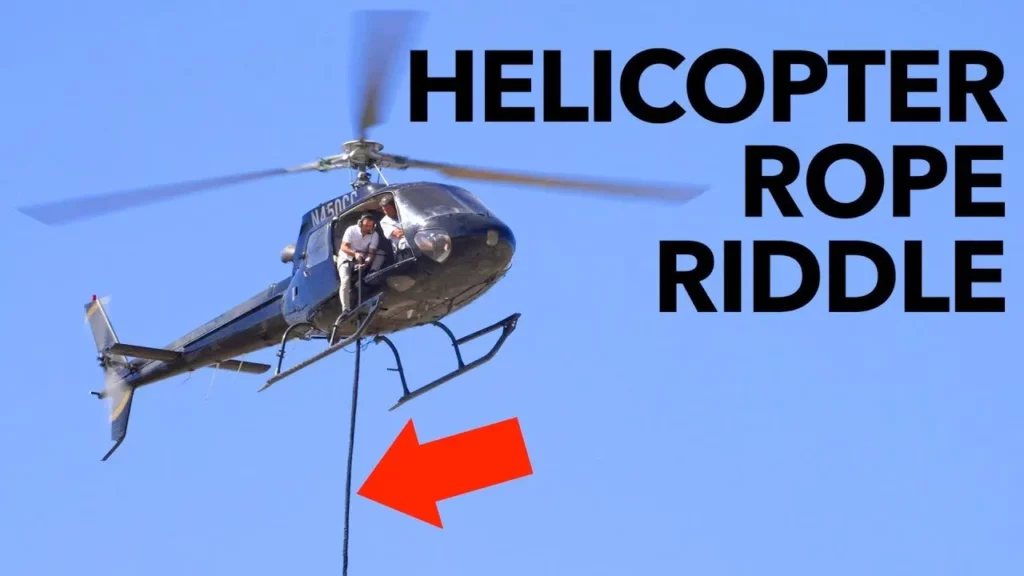
The lesson explores the physics of a helicopter’s cable as it flies horizontally, focusing on the forces acting on the cable and how they influence its shape. Through real-world experiments, the team determined that an unweighted cable hangs diagonally (option B) due to the balance of gravity and air resistance, while adding weight or objects with significant air resistance can alter the cable’s shape to various forms. This investigation emphasizes the importance of hands-on experimentation in grasping complex physics concepts.
Fire in ZERO-G!!
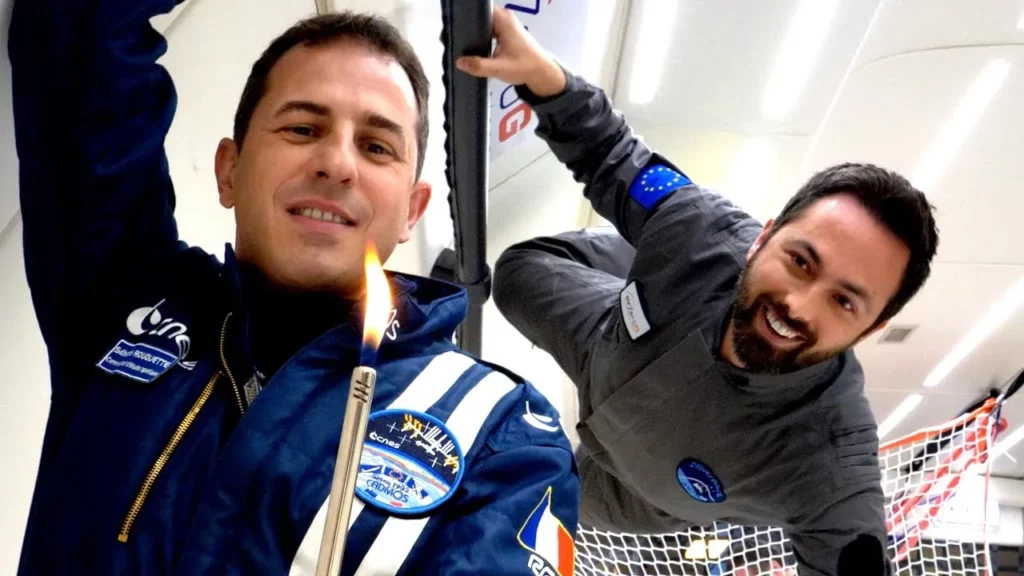
In the lesson “Experiencing Weightlessness: A Journey into Zero-G,” the author shares their thrilling experience of feeling weightless aboard a Zero-G plane in France, alongside YouTuber Bruce and physicist Diana. The lesson explains the concept of weightlessness through parabolic flights, where the plane and its occupants fall at the same rate, creating a sensation of zero gravity, and highlights various scientific experiments conducted during the flight, such as observing flame behavior and testing a slinky in different gravitational conditions. Overall, the experience deepened the author’s understanding of physics and the significance of research in zero-G environments.