
Clickbait is Unreasonably Effective
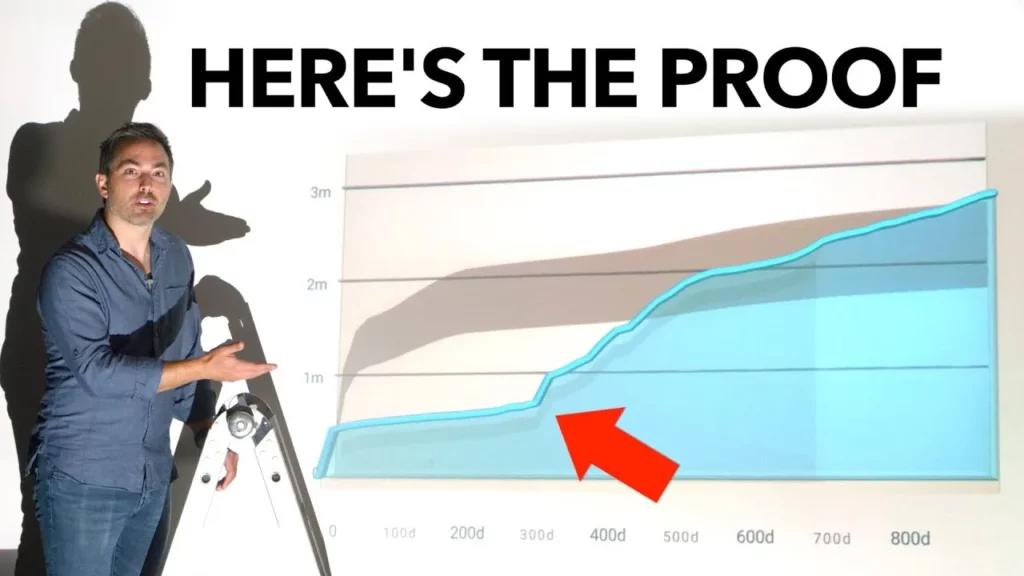
The lesson explores the art and science of using clickbait effectively on YouTube, highlighting its evolution from a subscriber-based model to one that prioritizes engagement and click-through rates. It distinguishes between two types of clickbait—Type I, which is attention-grabbing but not misleading, and Type II, which can be sensational and deceptive. Ultimately, the lesson emphasizes the importance of crafting compelling titles and thumbnails to attract viewers while maintaining content integrity, thereby balancing quality with engagement to achieve educational goals.
Can You Recover Sound From Images?
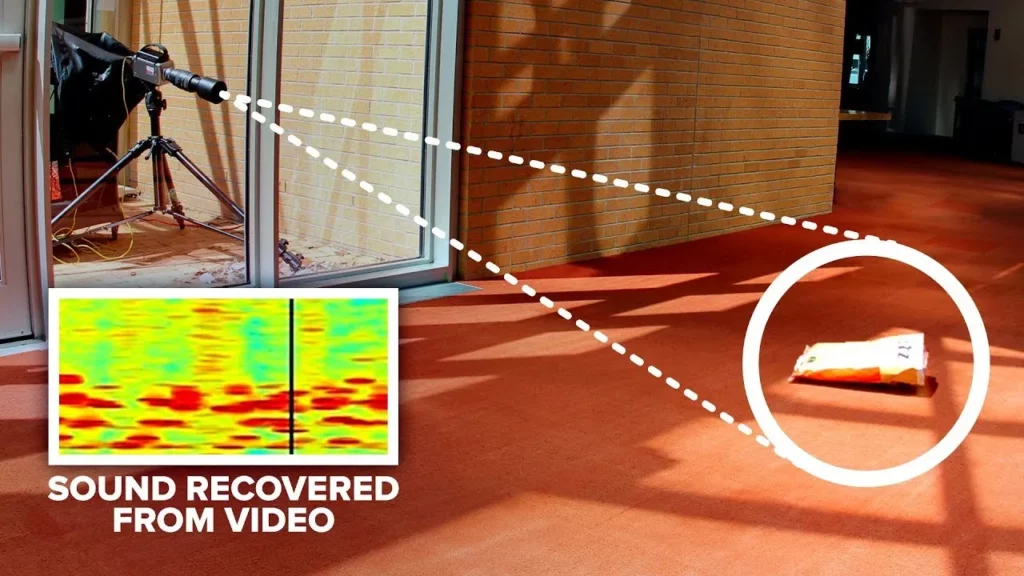
The lesson explores the innovative concept of extracting sound from images, specifically through an experiment involving a crumpled ball of tinfoil. Initially, the researchers faced challenges with standard camera frame rates, but by upgrading to a high-speed camera, they successfully reconstructed recognizable audio, demonstrating the potential for future advancements in sound recovery from visual data and deepening our understanding of the relationship between sound and motion.
How Dangerous is a Penny Dropped From a Skyscraper?

In the lesson “The Myth of the Penny from the Empire State Building,” Derek and Adam Savage investigate the urban legend that a penny dropped from a skyscraper could seriously injure someone. Through their experiment, they demonstrate that due to air resistance, a penny’s terminal velocity is much lower than the speeds needed to cause harm, ultimately debunking the myth while highlighting the importance of understanding terminal velocity and the effects of air resistance on falling objects. They also explore how the shape and weight of different objects influence their potential danger when dropped from great heights.
Svalbard – The Northernmost Town on Earth

The lesson explores Longyearbyen, the northernmost town on Earth, highlighting its unique living conditions, transportation methods, and historical significance tied to coal mining. It discusses the challenges residents face, such as extreme weather and safety concerns due to polar bears, while also noting the town’s shift towards tourism and research as coal mining declines. Additionally, it emphasizes Longyearbyen’s potential future as global warming alters Arctic dynamics and opens new trade routes.
Why the Sky ISN’T Blue
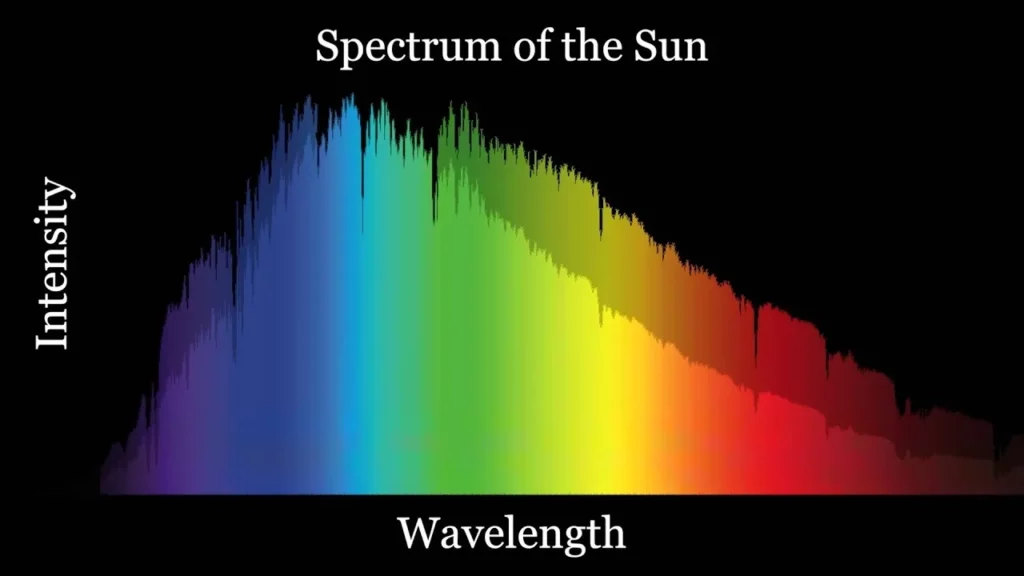
In the video celebrating 500,000 subscribers, the host expressed gratitude for the community’s support while exploring intriguing scientific questions. Key topics included the blue color of the sky due to Rayleigh scattering, the effects of spinning objects in space, the mysteries of black holes, the accelerating expansion of the universe, the nature of randomness in science, the shape of the universe, and advancements in technology. The lesson emphasized the channel’s dedication to making complex scientific concepts accessible and engaging for its audience.
Gravity (Scientific Version of John Mayer’s Gravity)

The lesson on gravity highlights its fundamental role as a force of attraction between objects with mass, influencing everything from our daily lives to the movement of celestial bodies. It explains Newton’s law of universal gravitation, illustrating how mass and distance affect gravitational pull, and introduces Einstein’s theory of general relativity, which describes gravity as a bending of space and time. Understanding gravity enhances our knowledge of physics and deepens our appreciation for the universe.
The Real Moral Dilemma of Self-Driving Cars

The lesson on autonomous driving, showcased by BMW at CES, highlights the innovative technology behind self-driving cars and the ethical dilemmas they present. While the potential for reducing traffic fatalities is significant, concerns about trust, accountability, and moral decision-making in critical situations remain. The urgency to adopt autonomous vehicles is emphasized, as delaying their implementation could result in preventable deaths on the road.
Neutron Star Merger Gravitational Waves and Gamma Rays
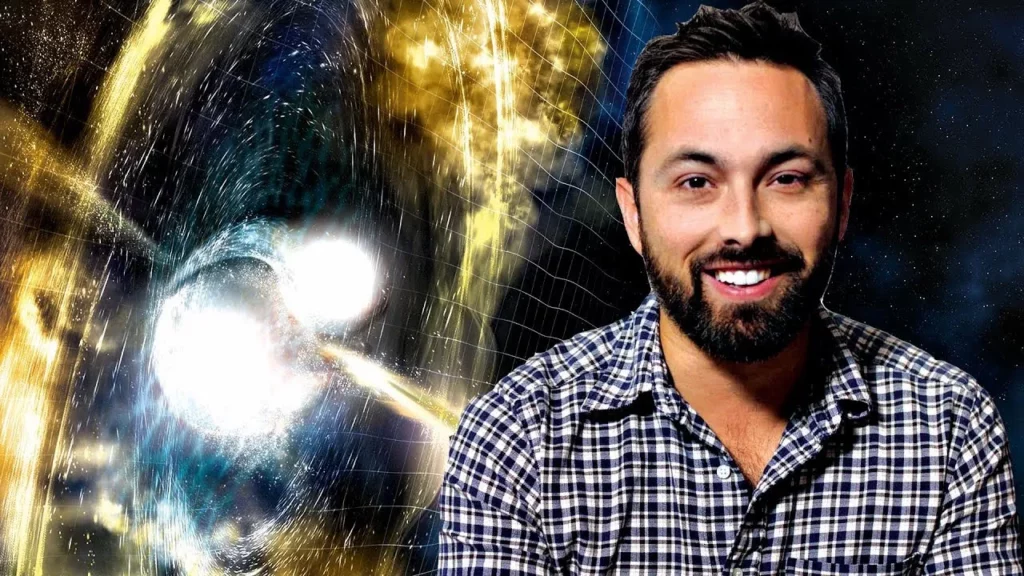
The lesson discusses the groundbreaking detection of gravitational waves from neutron star mergers, a significant advancement in astrophysics following earlier discoveries related to black holes. On August 17th, 2017, LIGO detected a gravitational wave signal that was later confirmed by a gamma-ray burst from NASA’s Fermi telescope, leading to the identification of the merger’s location and the observation of a kilonova event. This milestone not only enhances our understanding of neutron stars and the origins of heavy elements in the universe but also marks the beginning of a new era in astronomy, where gravitational waves can be used to explore cosmic phenomena across the electromagnetic spectrum.
Can You Perceive Acceleration?

The lesson explores the dynamics of eye movement, revealing that our eyes do not function like a video camera but instead jump between points when scanning still scenes, while smoothly tracking moving objects. This distinction is crucial for understanding perception and motion, as it highlights how our eyes can create the illusion of steady movement even when objects are accelerating. Ultimately, recognizing these patterns in eye movement enhances our comprehension of visual interaction with the world around us.
Ice Spikes Explained

The lesson explores the fascinating phenomenon of ice cube spikes, explaining that they form during the freezing process when water expands and is pushed upwards through tiny openings, creating hollow spikes. It also highlights the unique properties of water, such as its expansion upon freezing, which is crucial for maintaining life on Earth and regulating the planet’s climate. Understanding these spikes not only satisfies curiosity but underscores the importance of water’s behavior in supporting ecosystems.